Seriously…if you can go to Japan in late May/early June, GO! Like I mentioned yesterday, hydrangea season has stolen my heart. Those gorgeous shades of blue and pink and purple, the different varieties and shapes of the blooms…breathtaking.
Our friend Jess, who lives in Tokyo with her husband and son (you may remember her from our Tokyo Cook Out), gave us so many ideas of places to see and things to do. I really think she missed her calling as a tour guide/travel agent. It was her idea to see a few gardens while we were in Japan this year…and none of them disappointed! We met up with Jess last Monday at the Bunkyo Hydrangea Festival at the Hakusan Jinja Shrine. Bunkyo hosts five flower festivals throughout the year and now it is my personal goal to see each one. The Hakusan Shrine is the home of over 3000 hydrangea plants! I am not sure I captured each one, but I sure tried. Have you ever seen so many varieties all in one place? I’ve been dreaming of a hydrangea garden of my own ever since…maybe someday!
Goodness. The coming home jet lag is far worse than anything I’ve experienced in Japan. Naoto and I got home on Wednesday night, but it’s all been a sleepy fog around here since then. Hopefully this week I can get back on track with sleeping at night and blogging during the day (or at least blogging!)
Our trip was fantastic-Tokyo steals a little bit more of my heart every time we visit and I really loved the break of going to Kyoto and experiencing a bit of the slower pace and the older sites and shops there. In Tokyo, we hit a lot of our “regular” haunts (mainly stationery related!), but we did so many new things that I can’t wait to share with you. Oh, and I know last trip, I was all about the sakura. Well, this time, we happened upon hydrangea season and I think I took a thousand pictures of those beautiful blue blooms. And the DONUTS! We went to Mister Donut every day, of course, and indulged in all sorts of delightful treats, including matcha donuts, which were the special this season.
So stay tuned for another “Japan Month” around here with some garden posts sprinkled in!
Monday was a stellar day for gardening. It was sunny, in the seventies…really just perfect. I spent over four hours at the garden, planning and planting and chatting with Mr. Brownthumb and Laura and meeting new-to-me gardeners. I have part of our plot planted, but I still have quite a bit of room to play with, so I’m planning to get a few more things in the ground this weekend.
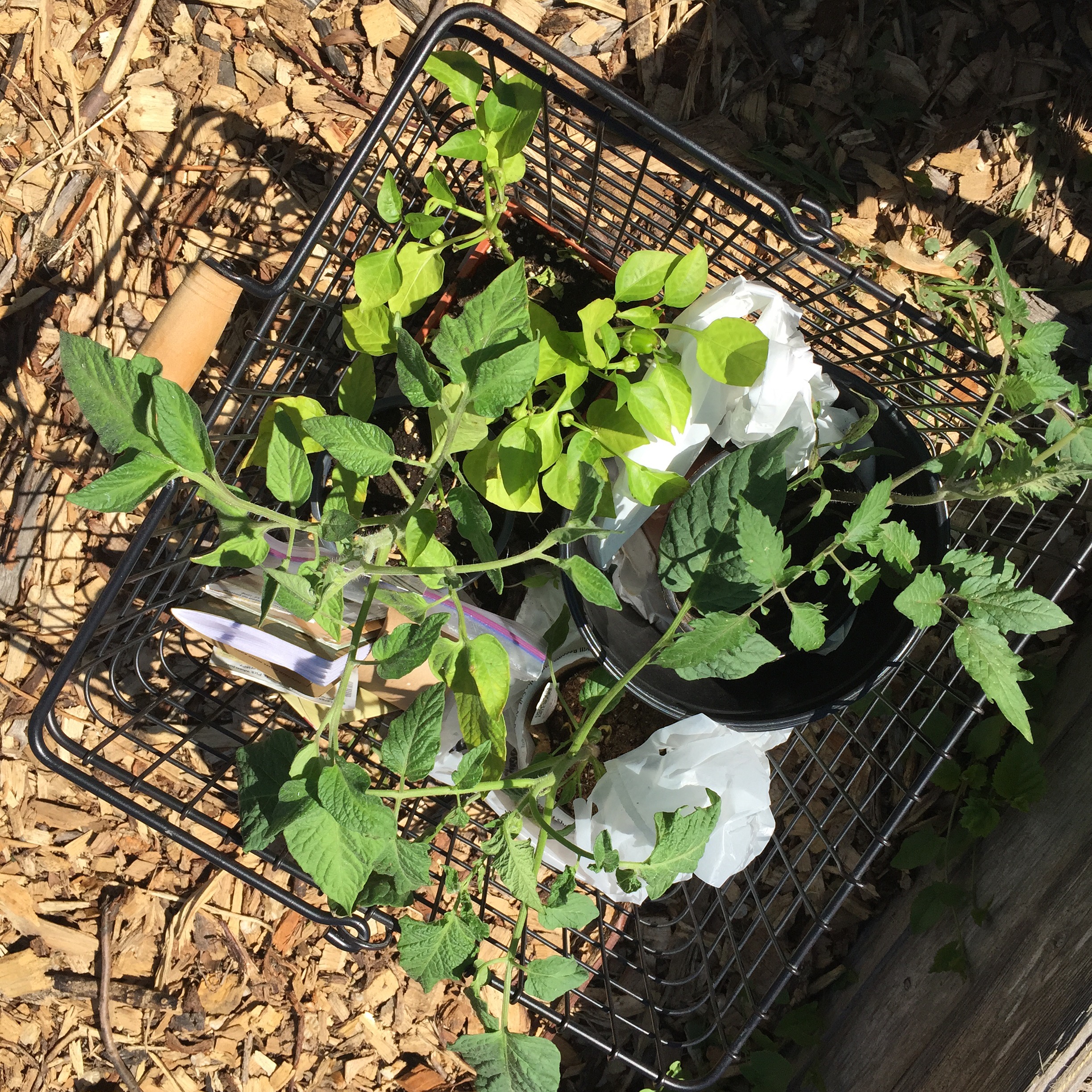
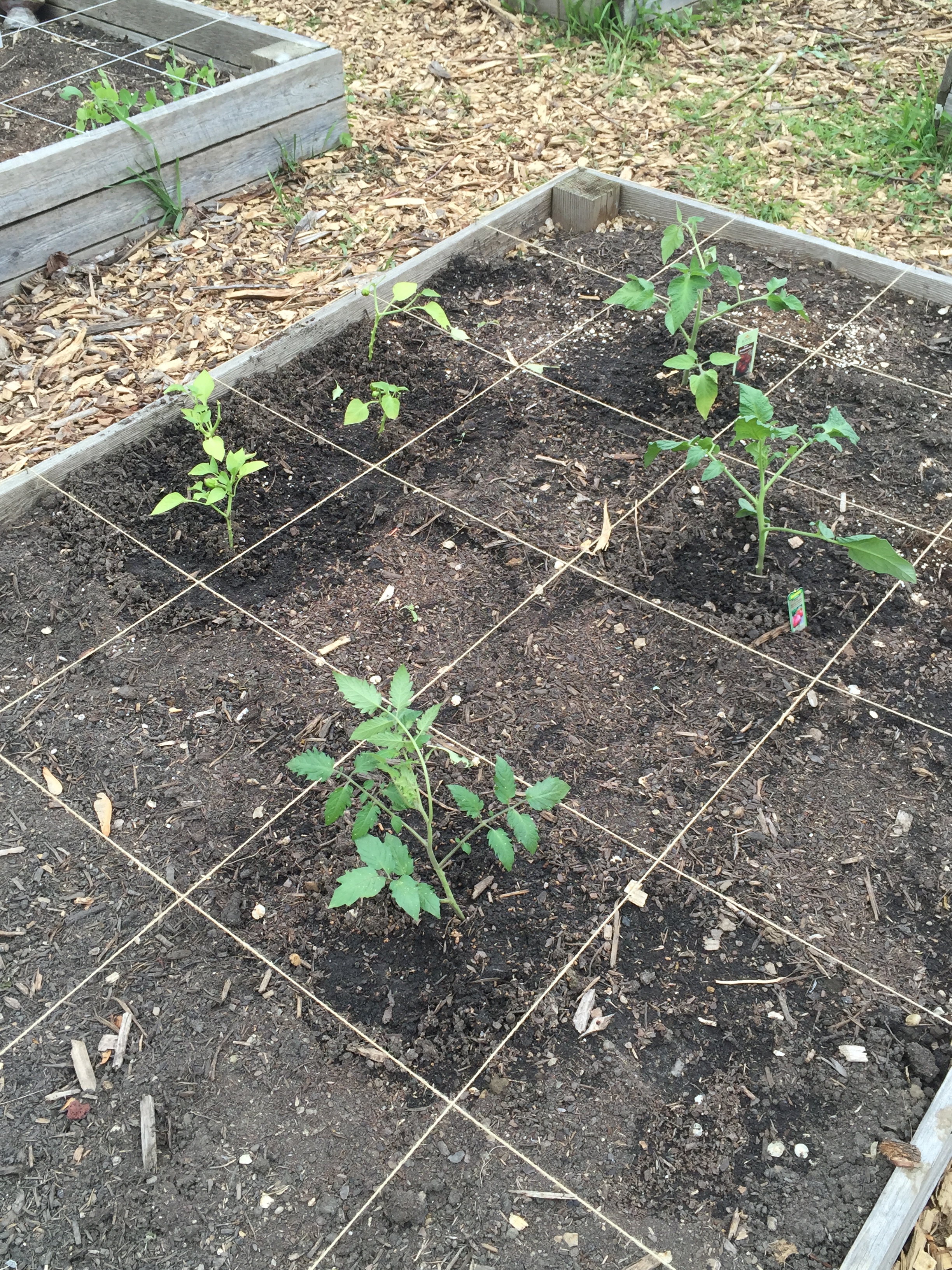
Last week, I met up with my parents for plant shopping. I ended up buying a Pink Brandywine and a Red Brandywine (tomatoes) and a six-pack of Pinot Noir peppers. (I gave two to my dad and kept the other four.) My dad gave me a Juliet tomato and in March I started some Isis Candy Shop Cherry Tomatoes (Thanks, Danielle!) and Kellogg’s Breakfast tomatoes from seed. My seedlings are so tiny though, that I doubt they will amount to anything. (Seriously…they are so small, it’s hard not to mistake them for a weed!) I don’t think I get enough sun and warmth for growing tomatoes from seed, but I have a few more tiny plants left that I’m going to try to nurture into larger transplants.I also planted some edamame, cucumber, peas, limas, bush beans, butter crunch lettuce, and komatsuna lettuce seeds. And I still technically have twelve squares left to fill! I know that my tomatoes will grow beyond their allotted squares, so I have to plan for that, but I really do have plenty more space to grow more root vegetables, lettuces, and maybe some herbs. The start of the growing season really is the best, isn’t it? (At least until the harvest comes!)
On Saturday, Karen, Naoto and I went to the Gene Siskel Film Center and watched I Am Big Bird: The Caroll Spinney Story. Caroll Spinney is the man who has played Big Bird and Oscar the Grouch since 1969. I grew up watching Sesame Street and I’m extremely sentimental when it comes to my childhood, so when I learned about the movie, I was so excited to see it. Naoto was less excited, since he was robbed of a childhood with Sesame Street, but he came along willingly and didn’t regret it.
(Warning: possible spoilers to follow…at least as much as you can spoil a biography.)
Even though the movie was mostly about Caroll Spinney, it was also very much about his wife, Debra, whom he met in his early Big Bird years after a divorce from his first wife and a very dark period in Spinney’s life. Debra is also his manager and very involved in the daily life if Big Bird. They seem like a match made in heaven…you could feel the love oozing out of the screen.
Some of my favorite parts of the movie were the old Sesame Street footage and interviews with the cast members of my childhood. Luis, Gordon, and Maria were familiar faces who helped to share the Spinney story. And it was awesome to see footage of Jim Henson, who hired Spinney after seeing him sort of fail at an audition. Because Jim Henson is no longer around, Spinney retold some of their conversations through his own sweetly drawn cartoons.
I also loved learning about the behind-the-scenes details of Big Bird in China. Apparently it was a grueling production because they had such a small staff. (The film was a huge undertaking for Public Broadcasting.) At one point, when Big Bird is floating on a raft in the water, Spinney recalls that if he had fallen in, the filming would have ended because Big Bird (the costume) would be ruined. Spinney and his wife had an instant love for Lisa Ouyang, the little girl who played Xiao Fu in the movie. At the end of the filming, they didn’t have an opportunity to say goodbye to her, making their reunion all these years later a sure tear-jerker.
It was chilling to learn that Big Bird had been invited by NASA to ride on the Challenger space shuttle. NASA believed Big Bird could draw in a younger audience and get them interested in science. But the Big Bird suit was too big for the shuttle and NASA asked a teacher (Christa McAuliffe) to go instead. Both Spinney and his wife got very emotional when they told the story of this close call. (I teared up too, in spite of reading about this fact beforehand.)
The movie really portrays Caroll Spinney as a complete person–you see his challenges and flaws as much as you see his success and contributions to his craft. I appreciate that in a biography, since we are all imperfect humans.
I highly recommend I Am Big Bird if you’re a fan of Sesame Street or the Muppets and Jim Henson. It was such a sweet walk down memory lane and has made me want to watch some old Sesame Street clips again. I came home and pulled out my copy of Sesame Street Unpaved and I’m re-reading it again. (And…I’m considering borrowing Big Bird in Japan from the library so I can compare notes with Big Bird’s trip.)
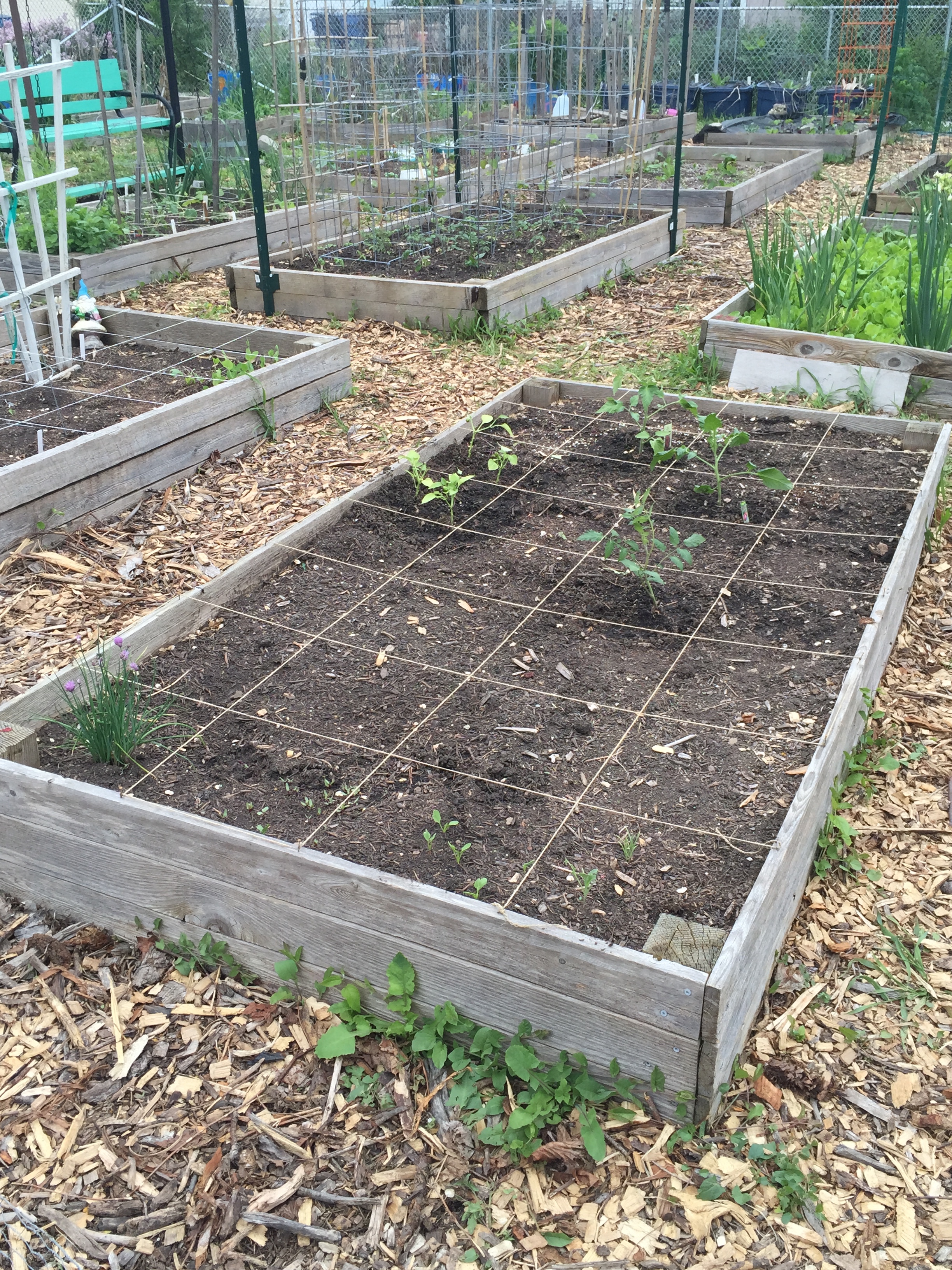
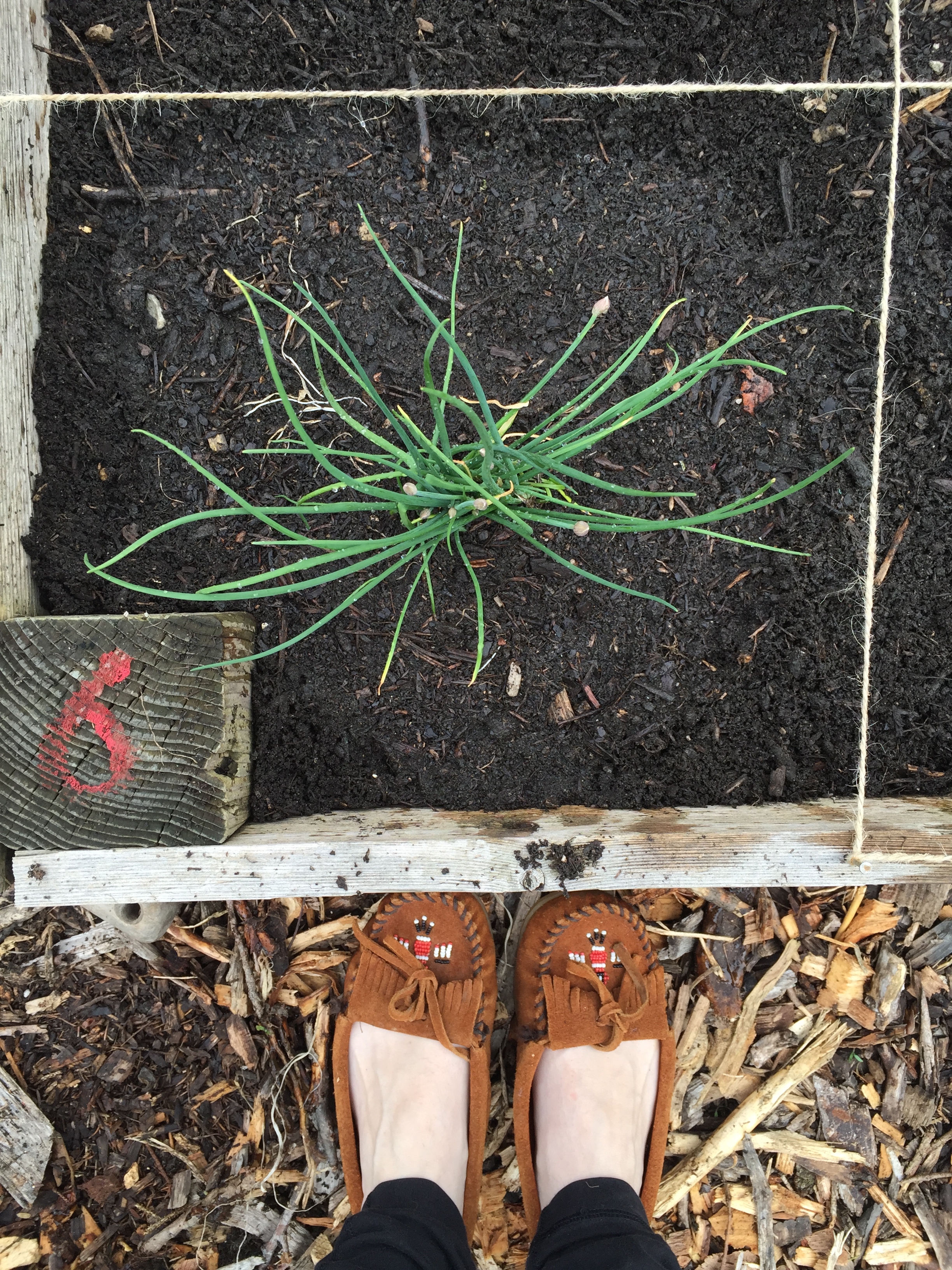
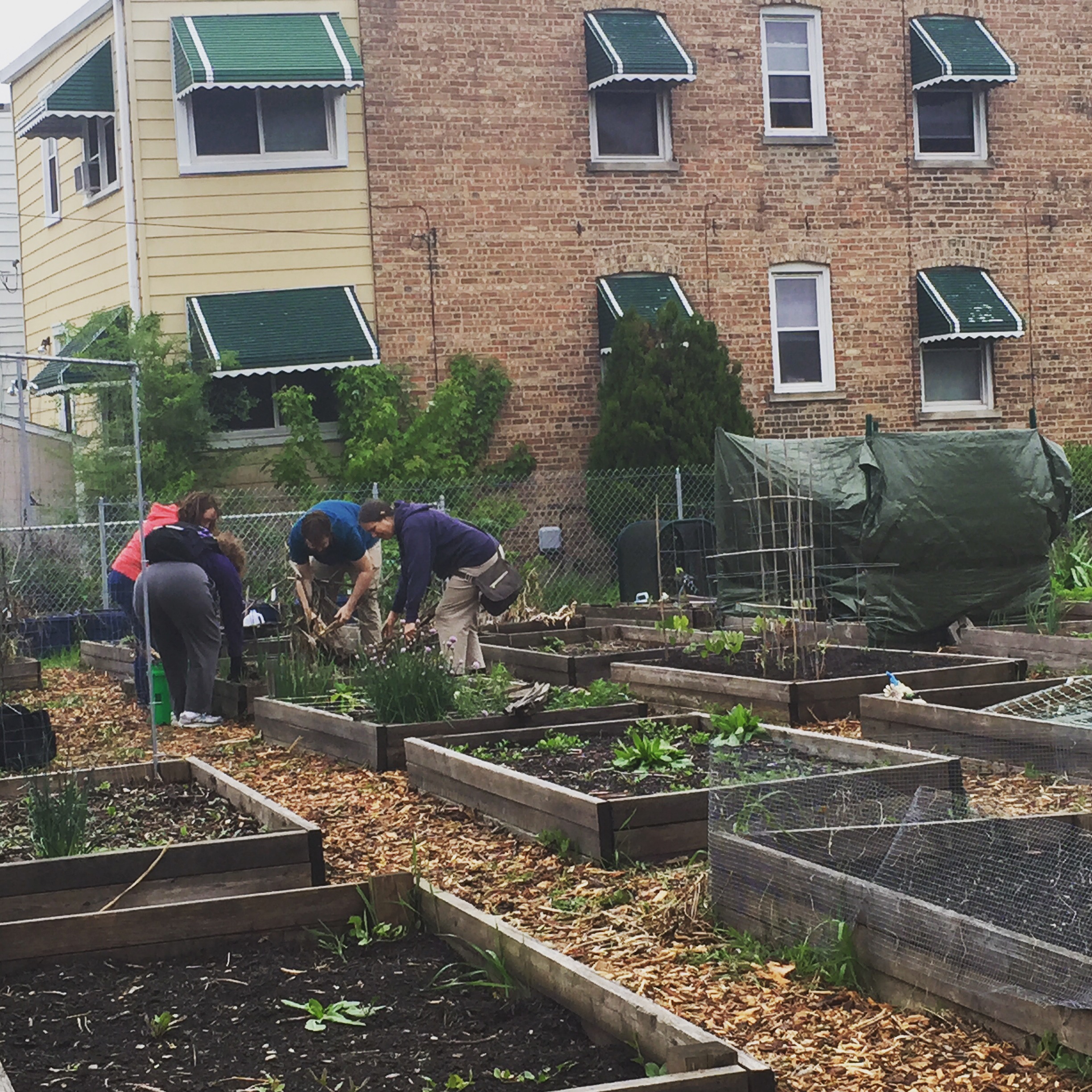
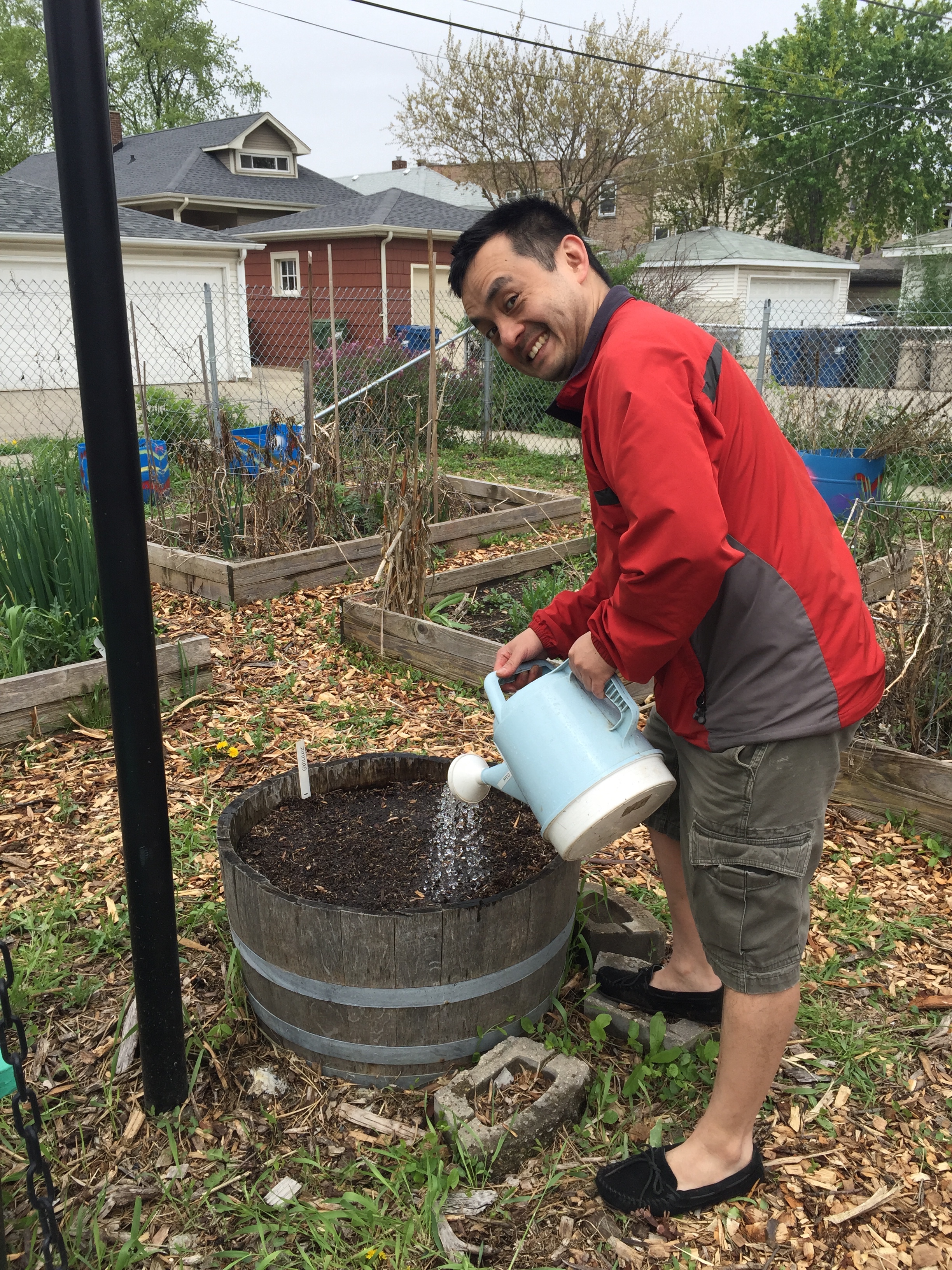
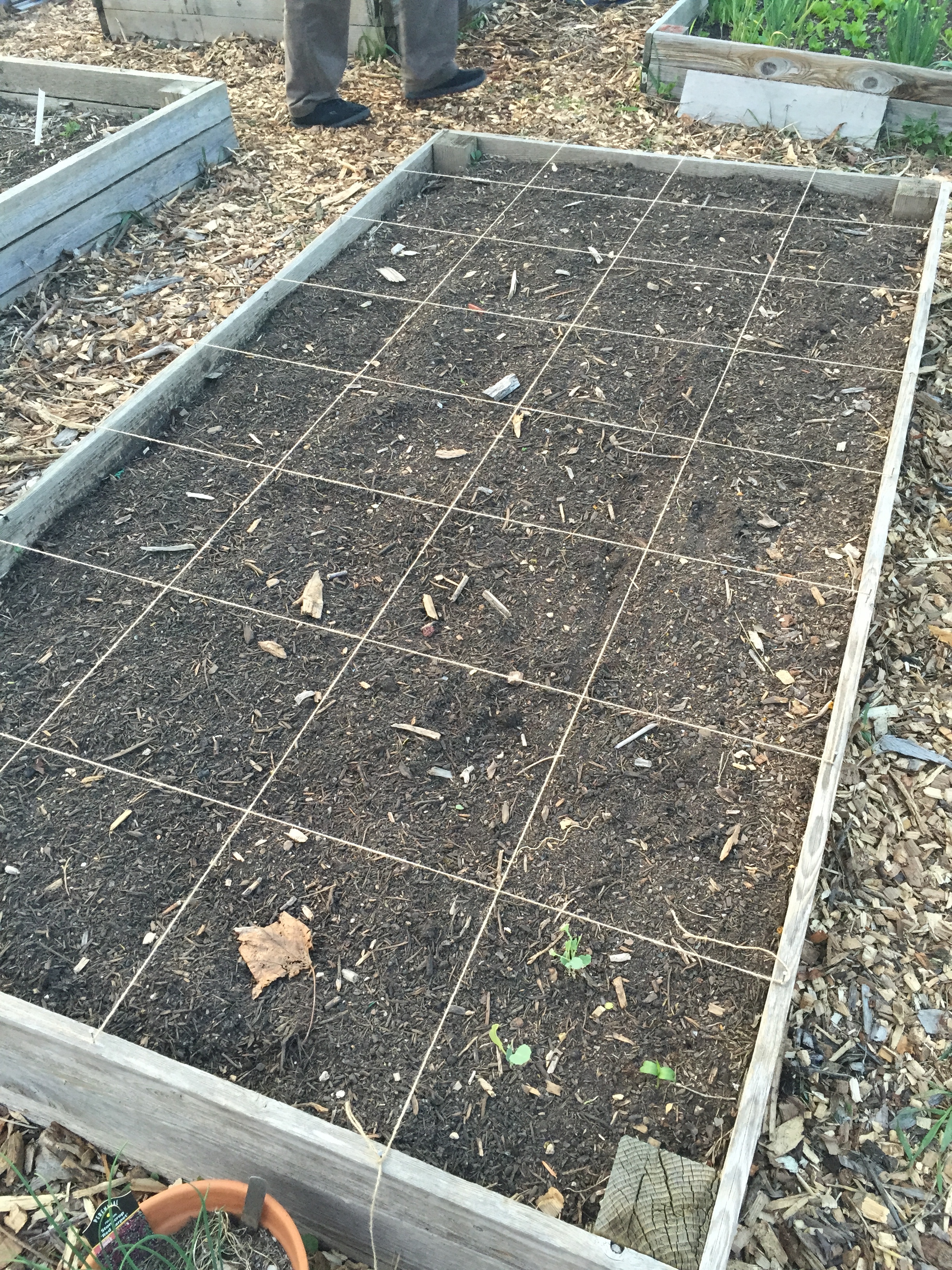
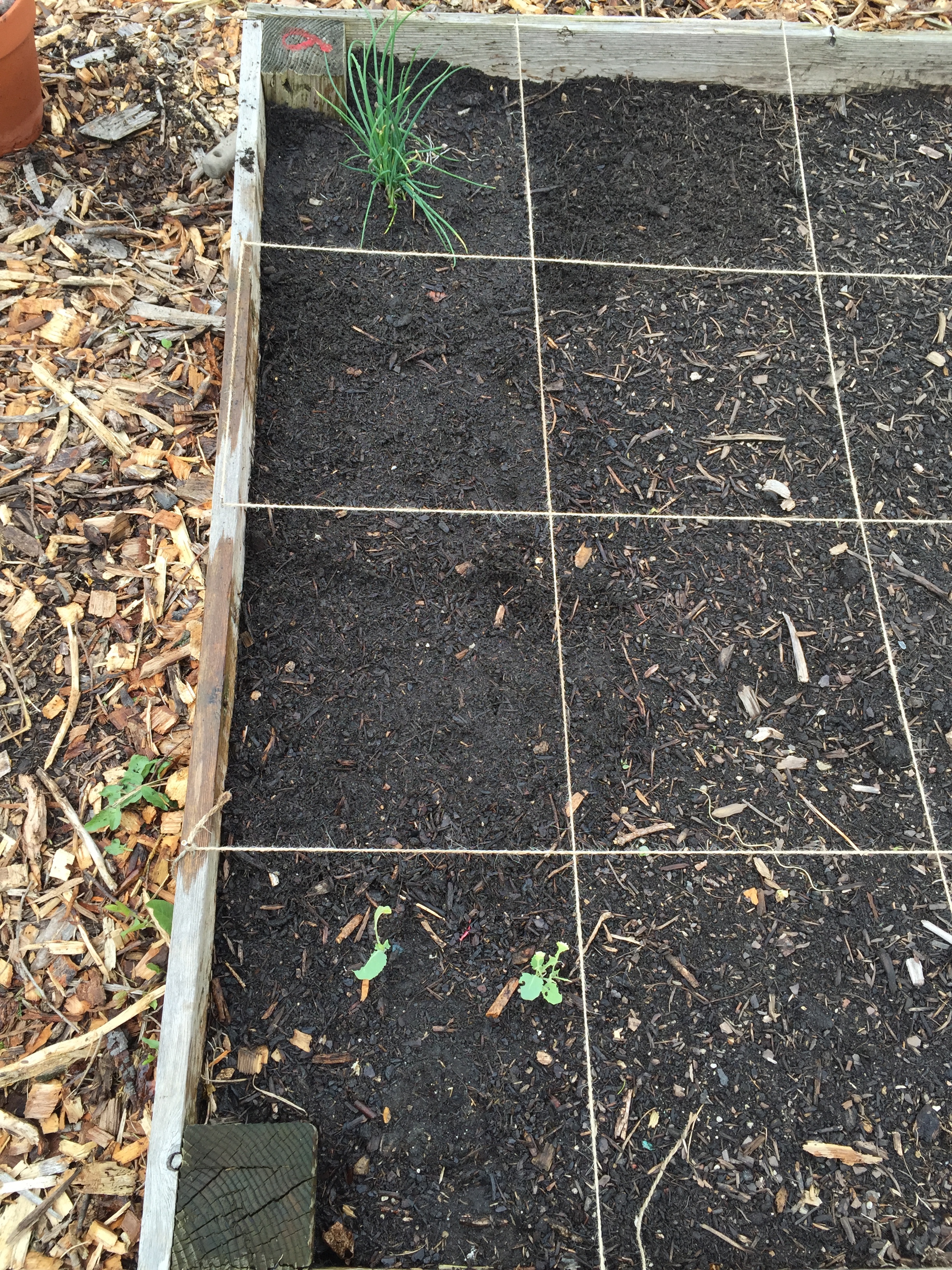
On Saturday, we had our official “Garden Kick-Off 2015”. We served coffee and donuts at the garden and new and returning gardeners came to check out their plots and get started on the planting season. It was very cold (and I was sorely underdressed) but the rain held off and we had a productive morning cleaning up around the garden and giving mini orientations to new gardeners. It was the most people I’ve seen at the garden at once in a long time, especially since last year I hardly saw anyone. I planted some flowers in a general community garden planter (two kinds of zinnias and alysum) and Naoto dug out a space on the hill for pumpkin and loofah growing. It was a good working day at the garden, but there is still a lot more to do in the coming weeks. On Thursday, Laura and I prepped our plots for square foot gardening. Although I am not going to do by-the-book square foot gardening, (I am not using the special soil mix and the tomatoes I plant will never only need one square foot!) I wanted to try the grid to help me plan the garden better and get more variety out of our plot. I just hammered nails in every foot along the side of our garden bed and used string to mark the grid. The string won’t last very long, but it should stay through the planting season to assist with organization. So far, we’ve transplanted the chive that we inherited in our plot (I dug it out in 2013 and it’s been languishing on the balcony in a too-small pot ever since. I decided we have room for it in our garden again.), transplanted some winter-sown broccoli (too many for 1 square foot—oops!), and planted beets and daikon. Four squares down, twenty-eight more to go! It’s been rainy the past couple of days, but this week I will be going back to plant some more once I have drawn out a plan for the rest of those squares!
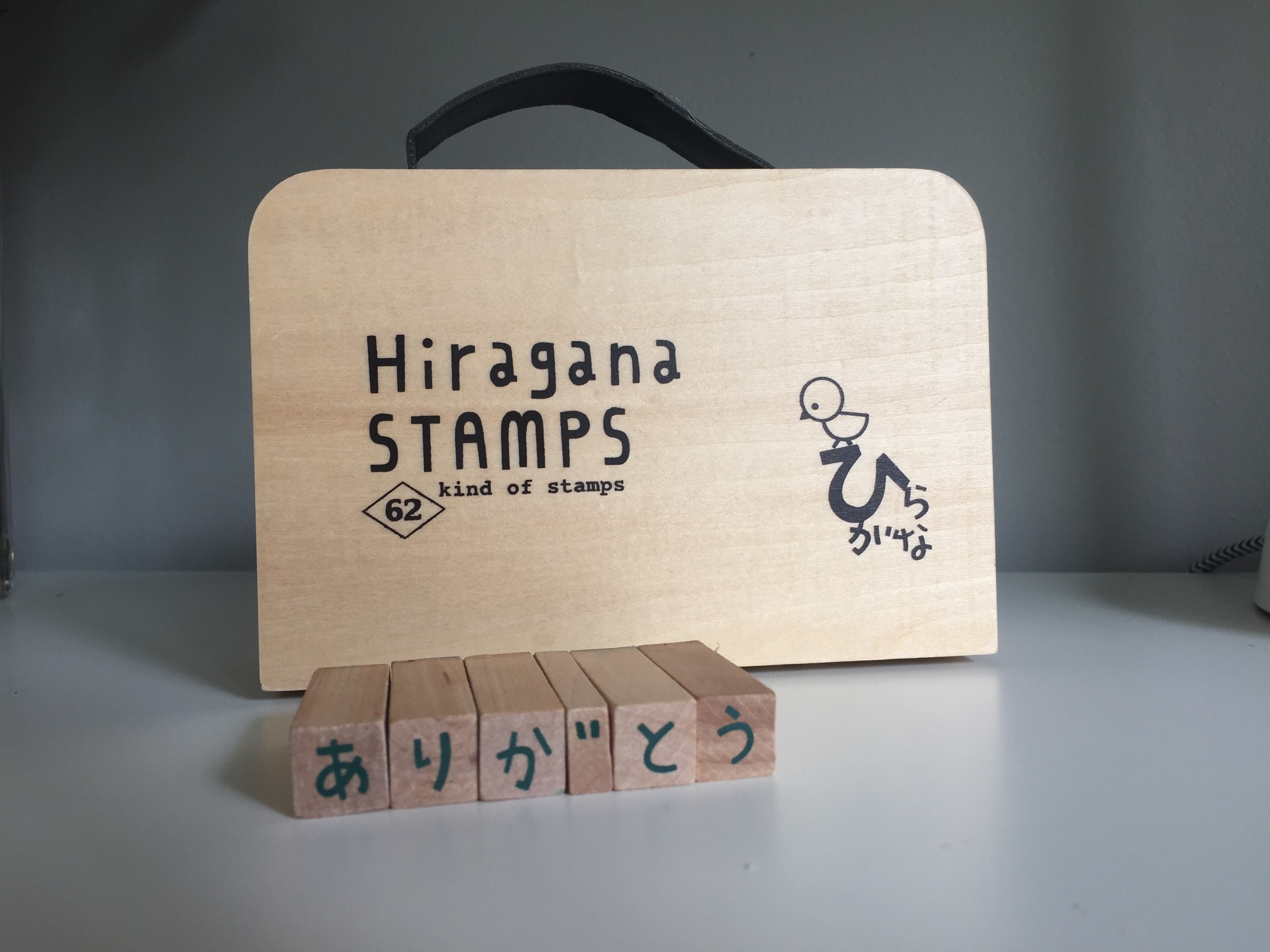
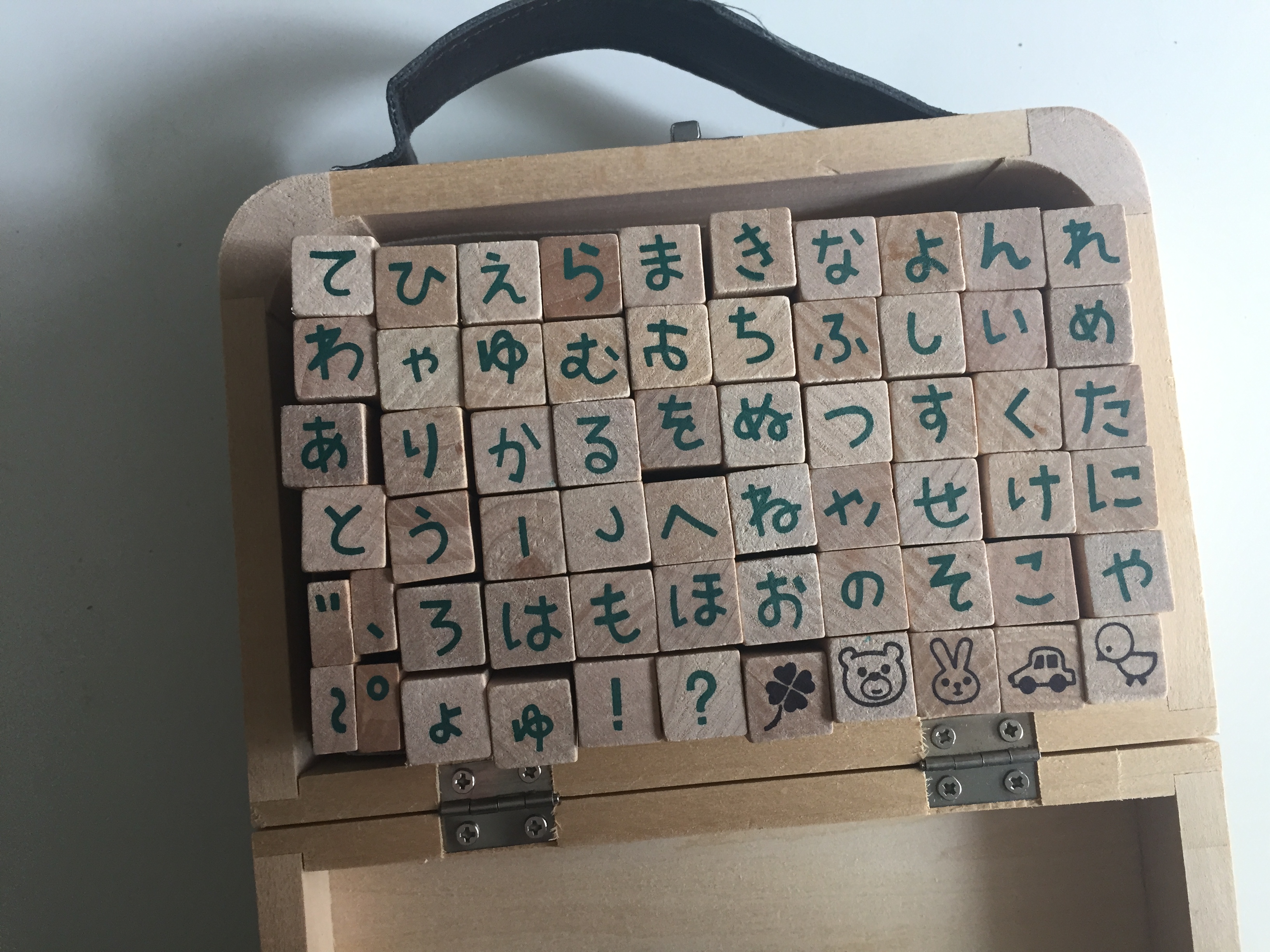
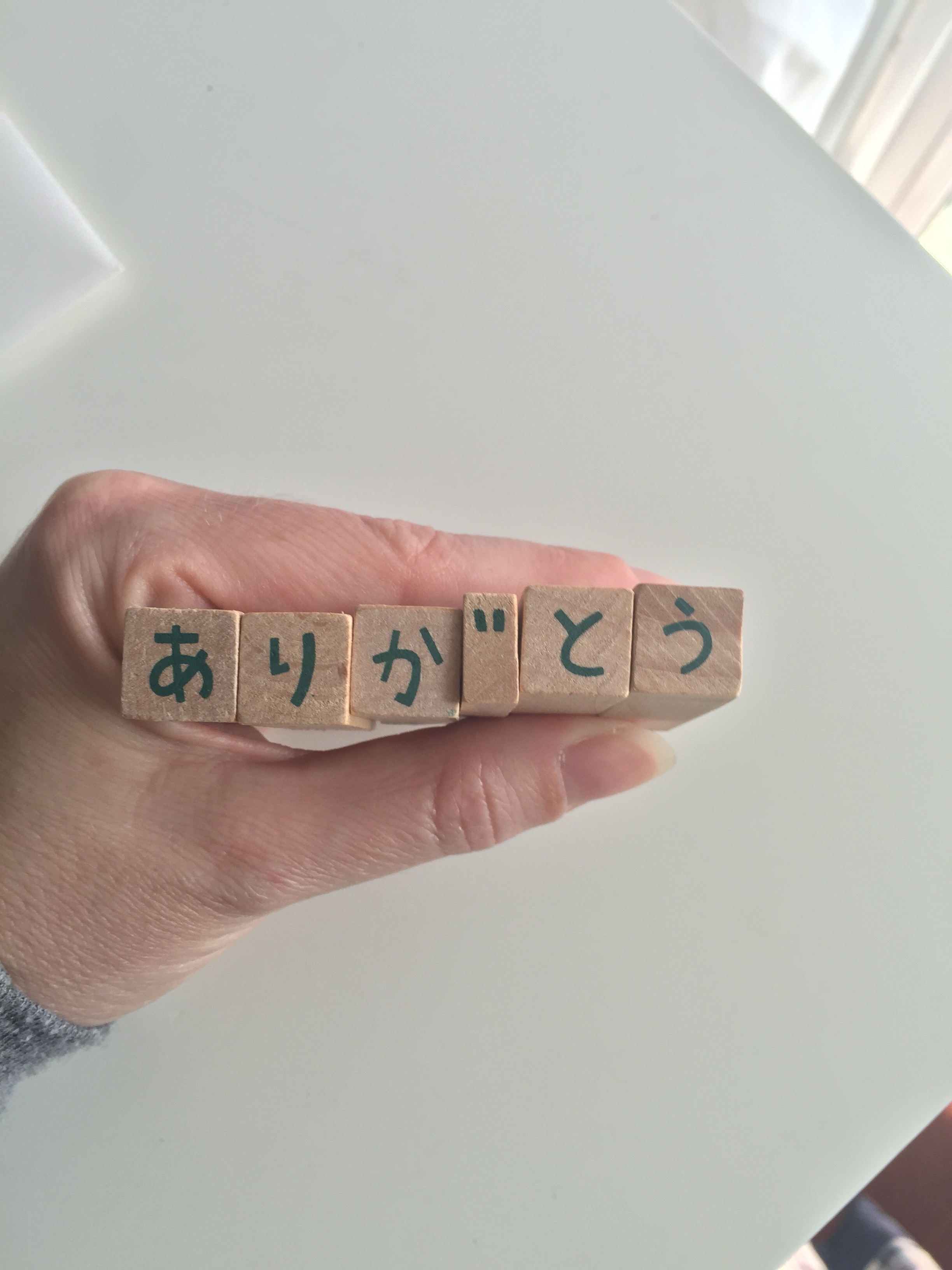
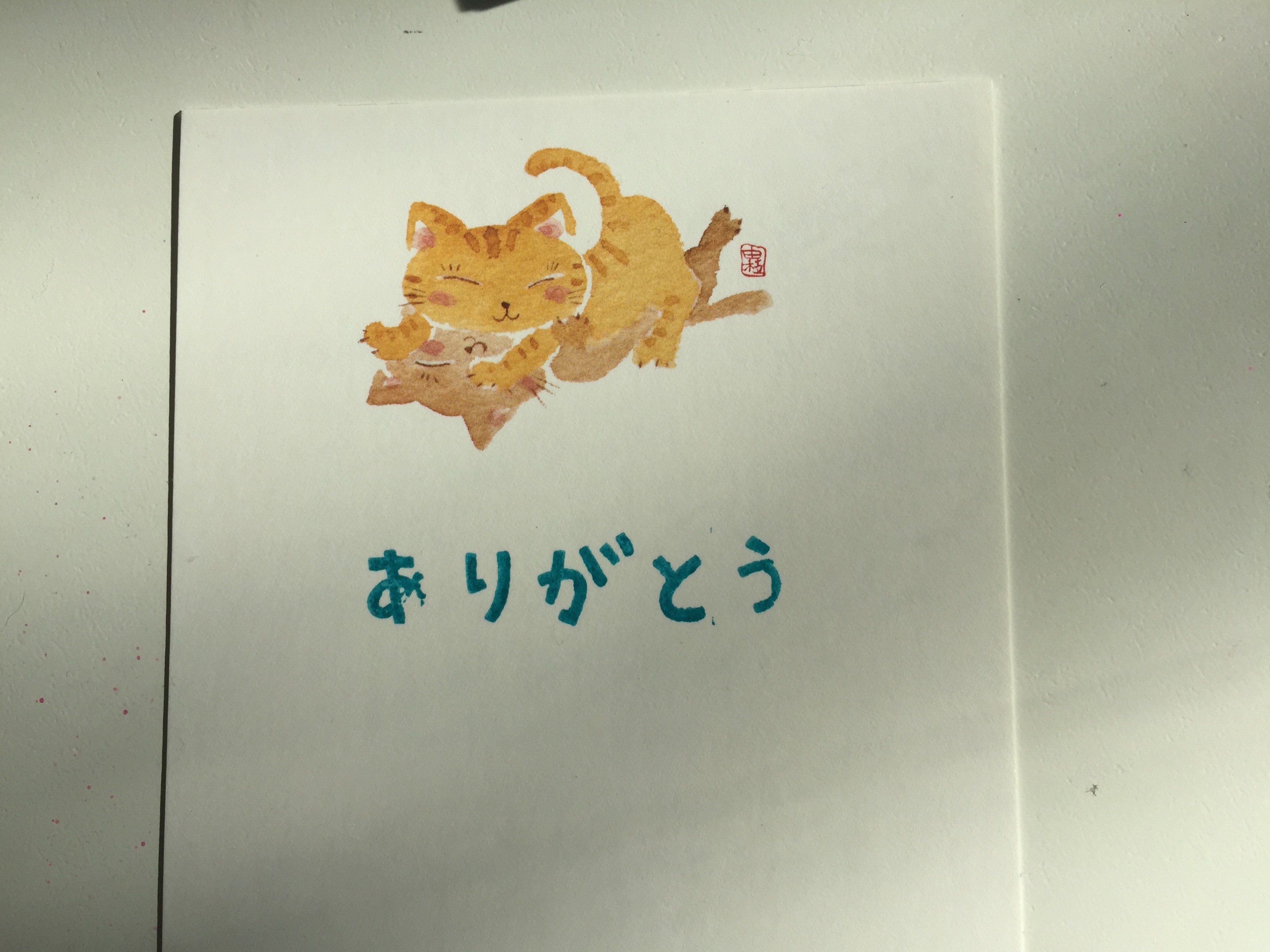
I bought these hiragana* stamps two years ago in a tiny scrapbooking store near an izakaya where Naoto and I shared dinner with his family. When I bought them, I didn’t realize how frustrating they would be to use. Every time I wanted to write something, I had to ask Naoto to spell it out for me. So I put them away in the spare room and forgot about them until recently. Every once in awhile I’d see them sitting on the shelf, taunting me and the money I’d wasted. But, now that I’ve had some practice during my Japanese class, I’m using them! I’m still pretty slow, but I can usually pick the right sounds for the words and names I’m trying to write. (Though, I still have Naoto check my work to be sure!) Here’s a peek at the whole set. (Some of the characters may be upside down because I put them away haphazardly last time.) When I use them, I have my textbook open to the hiragana chart so I can refer to it as I sound out the word. (I don’t have my hiragana sounds memorized yet…) It really does remind me of learning to read as a kid. I’m slowly getting better with practice, so I’m trying to stamp a random Japanese word on outgoing mail for the rest of the month. (I’ll let you know how that goes!) I have “arigato” (“thank you”) down thanks to writing a few thank yous lately.
*If you don’t know what hiragana is, this site does a nice job of explaining it. It’s basically the Japanese phonetic script–each “letter” represents a vowel sound or a combination consonant/vowel sound. There are forty-six sounds. In some ways, they are easier than English because each sound only makes that sound. (Unlike in English where we have the long e, the short e, the silent e…) But, the letters are difficult to decipher sometimes and very challenging to write, I think.
I know it sounds cliche, but where did April go? I feel like I blinked and here we are in May and my mail pile is growing!! A lot of people who haven’t written in awhile reappeared in my mailbox in April. (Just to be clear…I am not complaining. I am the most patient of pen friends because there are times I take forever to write, too!) After a bit of a dry March, it’s good to find letters waiting for me again. Now I just need to spend some time this weekend catching up on my pile.
How did your Write On/National Letter Writing Month go? I sent out forty-one pieces of mail: twenty six letters, eleven postcards, three international, and one mini-package. (So far this month, I’ve mailed seven cards, thanks to Mother’s Day!)
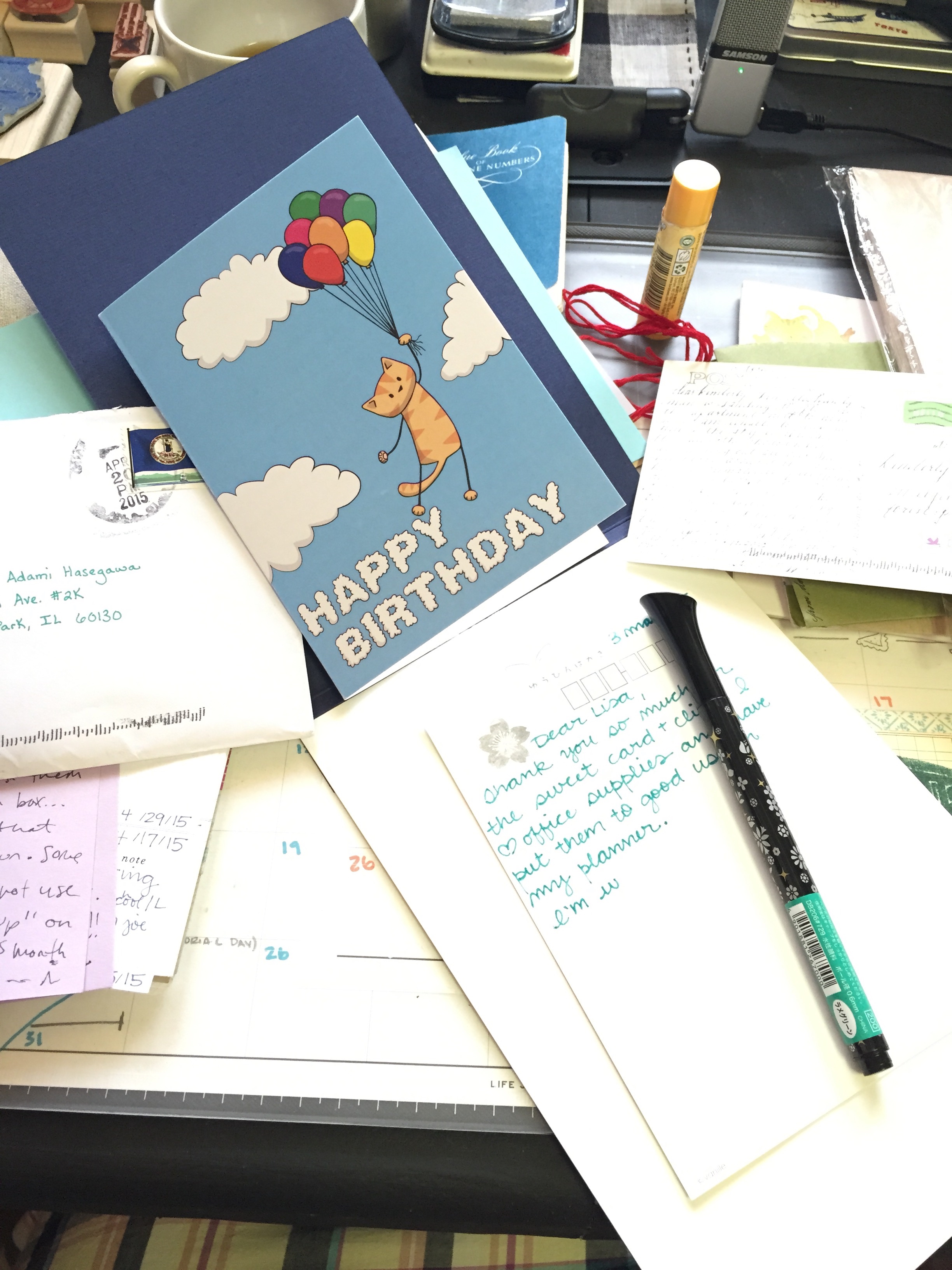
In other (awkward) news, I joined Kathy and Donovan (and Katie!) at the Letter Writers Alliance Clubhouse for the Virtual Letter Social last weekend. I had a great time writing part of a letter (pictured at the top) and chatting stationery, pens, postcards, cocktails, 1970s organs… Thanks, Kathy and Donovan, for inviting me!
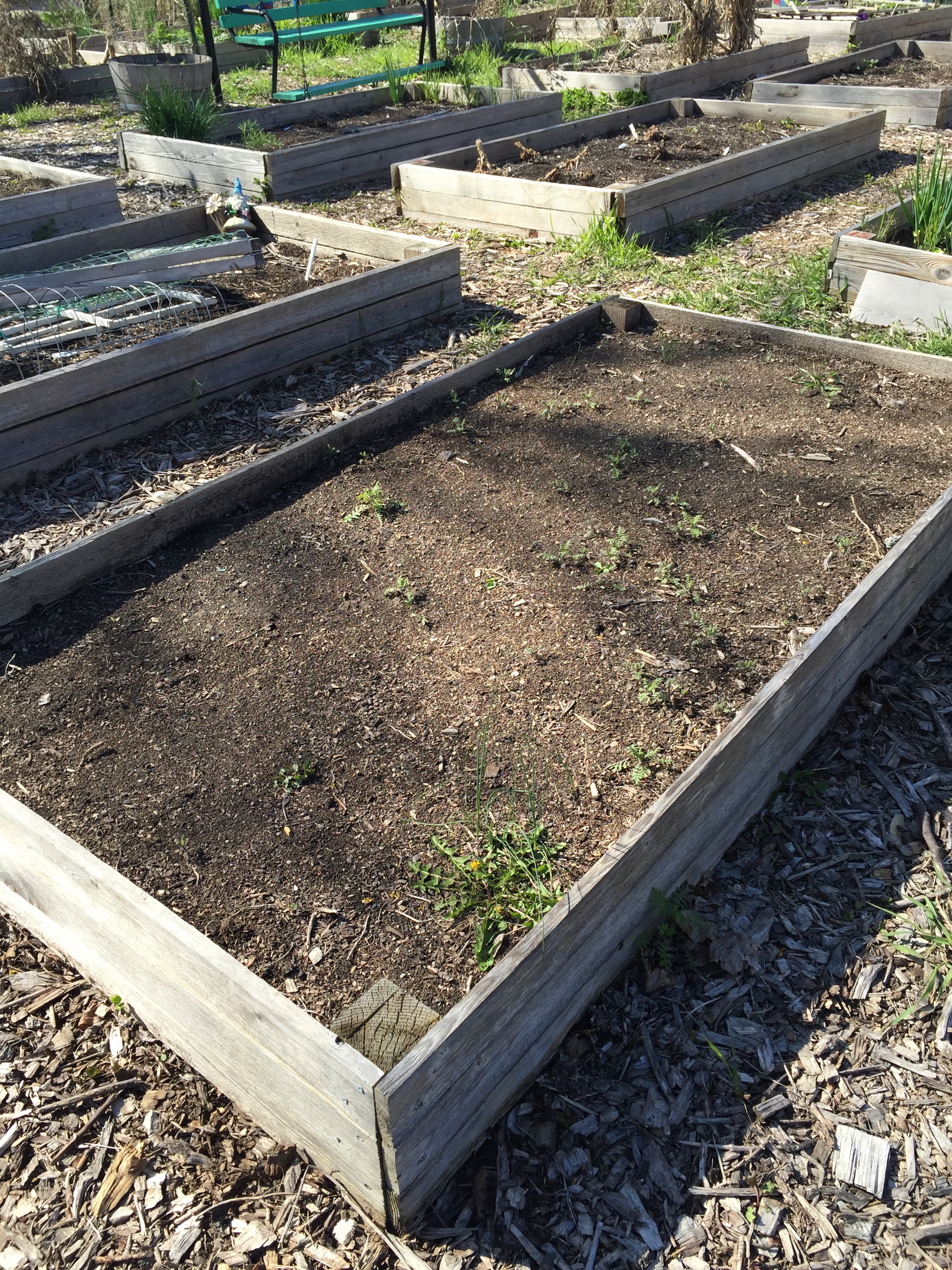
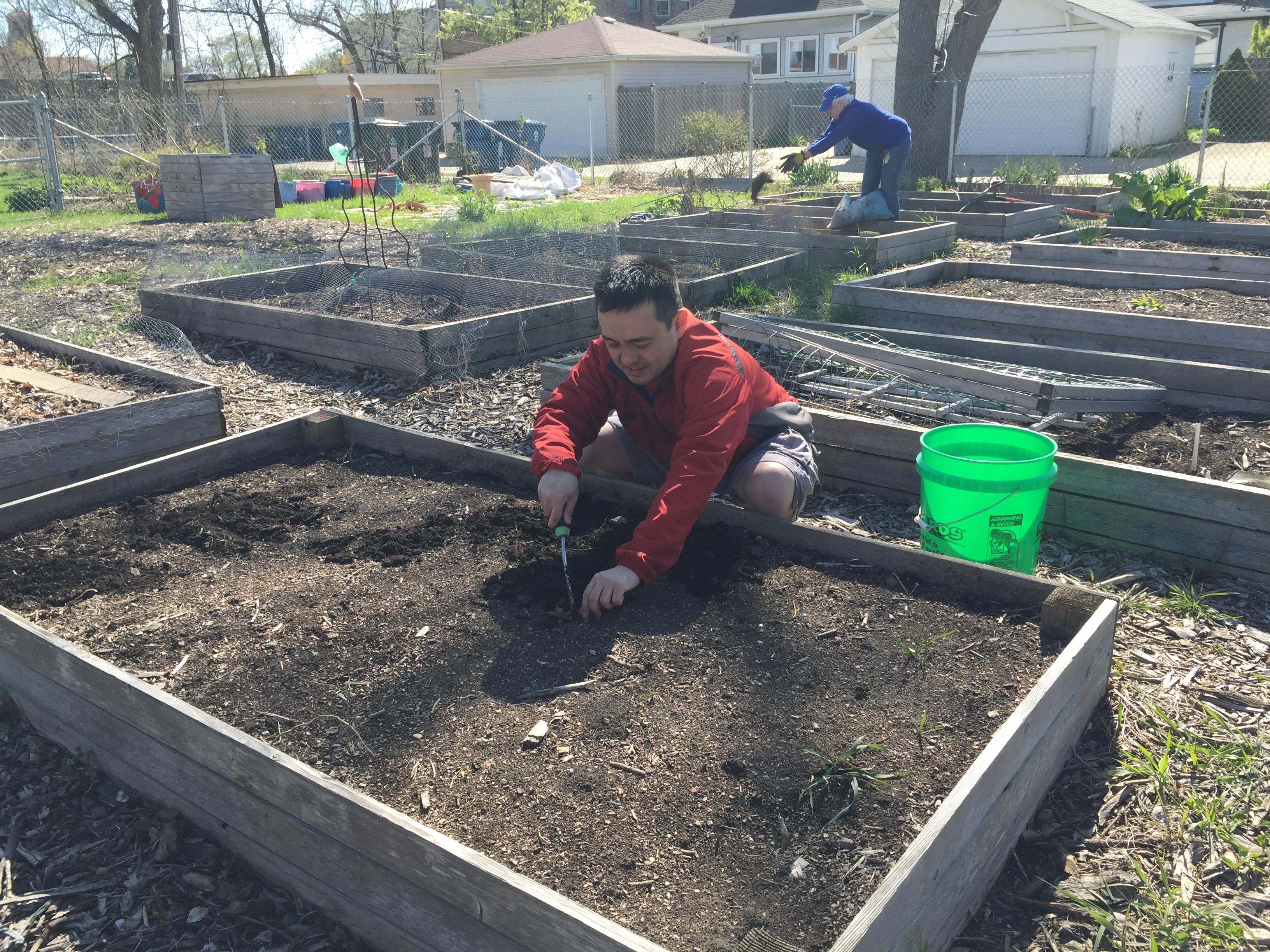
Naoto and I went to the garden for the first time this season on Sunday. We were pleased to find very few weeds in our plot! The soil preparation has gotten so much easier each year. (Here is what it looked like when we inherited the plot.) Because it rained on Saturday, weeding was super-easy. (And no, Naoto did not do it alone. I jumped in after this picture was taken!) After loosening the soil (not turning it!), we laid down another layer of fresh mulch and called it a day. I was planning to plant some daikon, beets, and bok choi but the water at the garden wasn’t turned on yet, so I suppose planting will have to wait a little longer.
Along with Made in Japan, we saw Off the Menu, another movie presented with the Asian American Showcase at the Gene Siskel Film Center a few weekends ago. Off the Menu was only an hour long, but Naoto and I have been talking about it since we left the theater. The film explores Asian Americans’ relationships with food and how their traditional foods have evolved over time in America. There were six stories featured in the movie, and each one brought a different layer to the conversation. After the movie, a panel of Asian American chefs from Chicago discussed their reactions to the movie. It was all so interesting that Naoto and I had a great dinner discussion about Asian American food culture.
The filmmaker, Grace Lee, begins the film telling her own story of growing up in her Korean family in Missouri. She talks about having a basement refrigerator that held the kimchee and other “stinky” traditional Korean foods, hidden away from their “Wonderbread existence” in the Midwest. (I wish I had written down the exact line from the movie because it was brilliant.) This was in the eighties, long before kimchee and other traditional Asian foods became the popular fare they are today. (Have you seen this book on fermented foods? It’s one of many published in recent years.)
With her voice sprinkled throughout, Lee shares the stories of the six people. A few stood out for me:
The first, Glen Gondo, is a Japanese American who is known as the “sushi king of Texas”. His business provides sushi services for the largest grocery chain in Texas. He has a research and development team (headed by two Korean chefs) creating sushi rolls for the American palate (or maybe more specifically the Texan palate?)–sushi with barbecue sauce, sushi with jalepeños, sushi with crumbled Flamin’ Hot Cheetos on top. The film asks the question, “Is this really Japanese sushi if you water it down so much for American tastes?” Lee is sort of taken aback when she sees that alongside the Japanese sushi are spring rolls and pot stickers. Lee points out that those aren’t Japanese. Gondo replies no, but they are best sellers. Lee admits that sometimes she questions eating Korean food made by non-Koreans. Naoto and I exchanged glances during this moment in the movie because we are totally guilty of this! Our favorite Japanese restaurants are owned by Japanese (or Japanese-Americans.) I think this is partly due to the fact that Naoto enjoys speaking to the chefs in his native language, but also that it feels more…authentic? (I should also admit here that I am very much a traditionalist. Sleek, trendy sushi restaurants have never been my scene.)
Next, the Kawelos, who are catching octopi, a traditional food in Hawaii where most of the food is imported. Hi’ile, the daughter, is trying to reconstruct an 800 year old fish pond to keep the tradition of catching fish for her community alive. Hi’ile and her father share that food is “mana“, a native Hawaiian term with an abstract meaning…power, an energy in everything, a life force. Naoto, who grew up in Hawaii, even had a hard time explaining it to me. I sort of took it as food connects people and generations in a way that nothing else can and keeping that tradition of catching fish alive in Hawaii was Hi’ile’s way of connecting Hawaii’s past with its future.
And, in the most touching part of the movie, Lee visits langar at the Sikh Temple in Oak Creek, Wisconsin. This temple was the site of a horrible hate crime in 2012 when a white supremacist stormed in to the temple and killed seven people. It is so amazing to see all of the women in the kitchen at the temple cooking and the men serving a huge meal to people sitting on the floor. Although langar is centered around the food, it really is about the community preparation and sharing of the event. I got a little teary-eyed when they talked about how a neighboring temple came in and prepared langar for them in the days after the shootings. A simple gesture, but I can just imagine how cared for and supported the Oak Creek families felt in that moment.
Food, how we share food, is mana.
P.S. If you read my Made In Japan post, there is an update to Tomi Fujiyama’s story:
The Grand Ole Opry invited Tomi to play! I have to think the movie influenced this decision, right? She is playing on the Opry Stage TONIGHT. The show begins at 7PM and it looks like Tomi will hit the stage during the 8:45PM (Central Time) segment. (Scroll down on this link to listen to the live stream on WSM 650 AM. Naoto and I will be listening!)
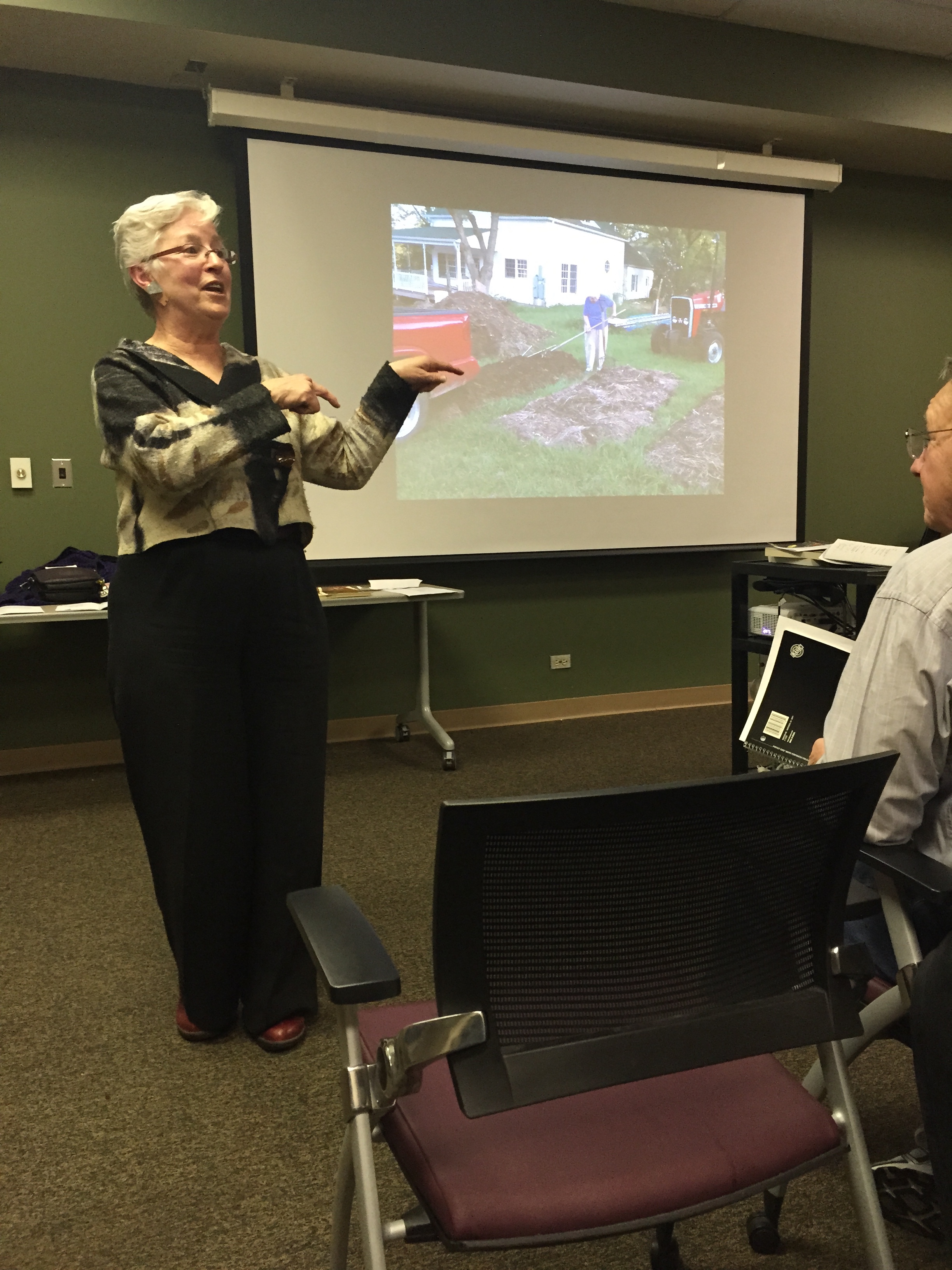
Last Monday, my garden-friend, Laura and I went to a gardening workshop at Lisle Library. They are hosting a summer-long series, Gardening for Victory, that will cover aspects of gardening from soil preparation to planting and pest control. The series is led by Master Gardener Barbara Ottolino. Our session was titled Planning for Victory: Site, Sun, Soil, Bed, and Crop Selection. Ottolino shared a lot of tips for making gardening easier (less work, less time) and a little more interesting.
Ottolino is very enthusiastic about gardening and making gardens work for people, both in terms of saving time and maximizing the amount of produce you can harvest from your space. She shared a ton of tips and answered questions from the audience at the end. I left with a lot of takeaways for our garden plot this spring and some ideas for our balcony garden too.
For new gardeners choosing a site for a garden, she recommends drawing a simple map of your land, including your house, trees, fences, etc. Mark where you’d like to place your garden. Over the course of a day, record the sunlight shining on your land. Draw yellow stripes on the map at 9AM, red stripes at noon, and orange stripes at 3PM. Where you have the most overlapping colors is going to be the best place for your vegetable garden. But don’t count out the other places with fewer stripes! You could plant shade tolerant vegetables and flowers in those places. Ottolino recommends using what you have and not feeling stuck having your garden in one plot…spread things out over your property if that’s what you need to do.
Ottolino recommends alternating your plantings of lettuce and carrots in the same row or area. (Lettuce, carrot, lettuce, carrot…) Because of their roots (carrot roots are longer and deeper than lettuce roots) and their tops (carrots have way less going on above the soil than bushy lettuce), neither plant is competing with the other above or below ground. It’s a good way to maximize your produce haul in a smaller garden. She also recommended staggered sowing. Rather than throwing all of your radish seeds in at once, plant a few at a time over a week or more. This way you can enjoy radishes for a longer period of time and don’t have an overload of radishes at once.
Some of her tips seem to be geared for older gardeners. She recommends a specific type of lettuce for its ease of harvesting. (Salanova, because it grows into tiny heads that just need to be plucked out of the ground. You could harvest it from a wheelchair, if necessary.) She recommends a broad fork because it is easy to use, even without a lot of strength, and it loosens the soil instead of turning the soil. That brings me to her biggest tip…
She does not recommend turning or tilling your soil. Loosening, yes. Turning, no. This was groundbreaking news to me because I grew up in a home where every spring my father would go out and till the garden. Naoto and I turn fresh mulch into our garden plot every spring. Ottolino recommends layering your dried leaves and fresh grass clippings on your garden plot in the fall and then just planting in the spring. She says this way, you’re not dragging your compost out to the compost bin and then out to your garden…this is the perfect one step, no fuss solution for someone who might not have the strength to do a lot of hauling. (Not to say she’s against composting…this is just another way of looking at things.) Ottolino successfully gardened at her old home in Missouri in hard clay soil. She did this by making her garden beds with layers of manure, straw, dried leaves, and grass clippings. This method is covered extensively in the book Lasagna Gardening by Patricia Lanza.
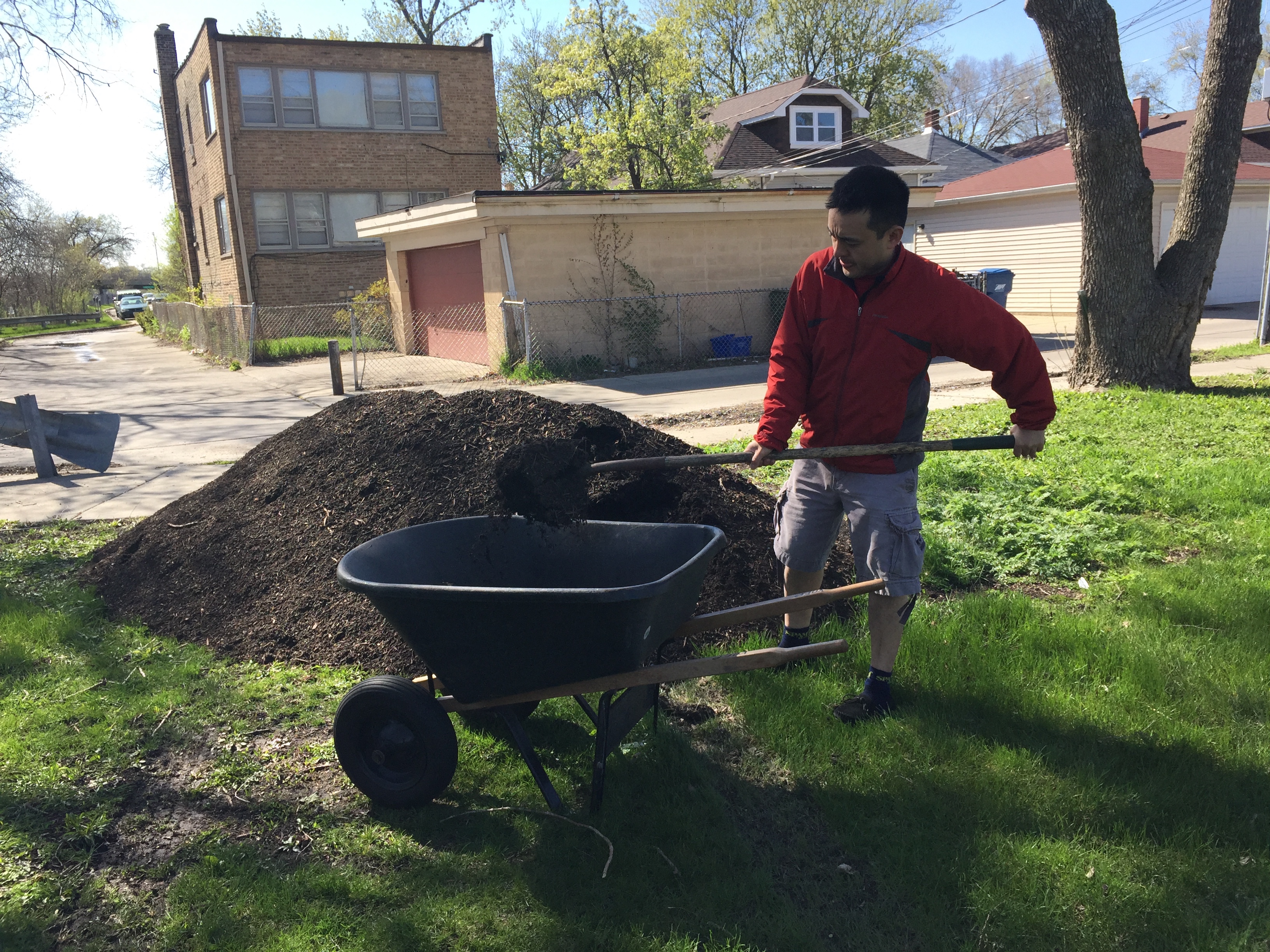
In addition to her experience as a Master Gardener, most of Ottolino’s tips and philosophies derive from two specific books: How to Grow More Vegetables by John Jeavons and The New Organic Grower by Eliot Coleman. I am looking forward to checking out those books at the library soon. In the meantime, I really need to pop down to our garden plot and get started! The mulch just arrived and it’s time to transplant some of my winter sowing seedlings and to plant some beets and radishes! It’s been so cold here this week that it’s hard to imagine summer is just around the corner!
If you’re in Chicagoland and are interested in attending the next program in the Victory Gardening Series, you can sign up here.
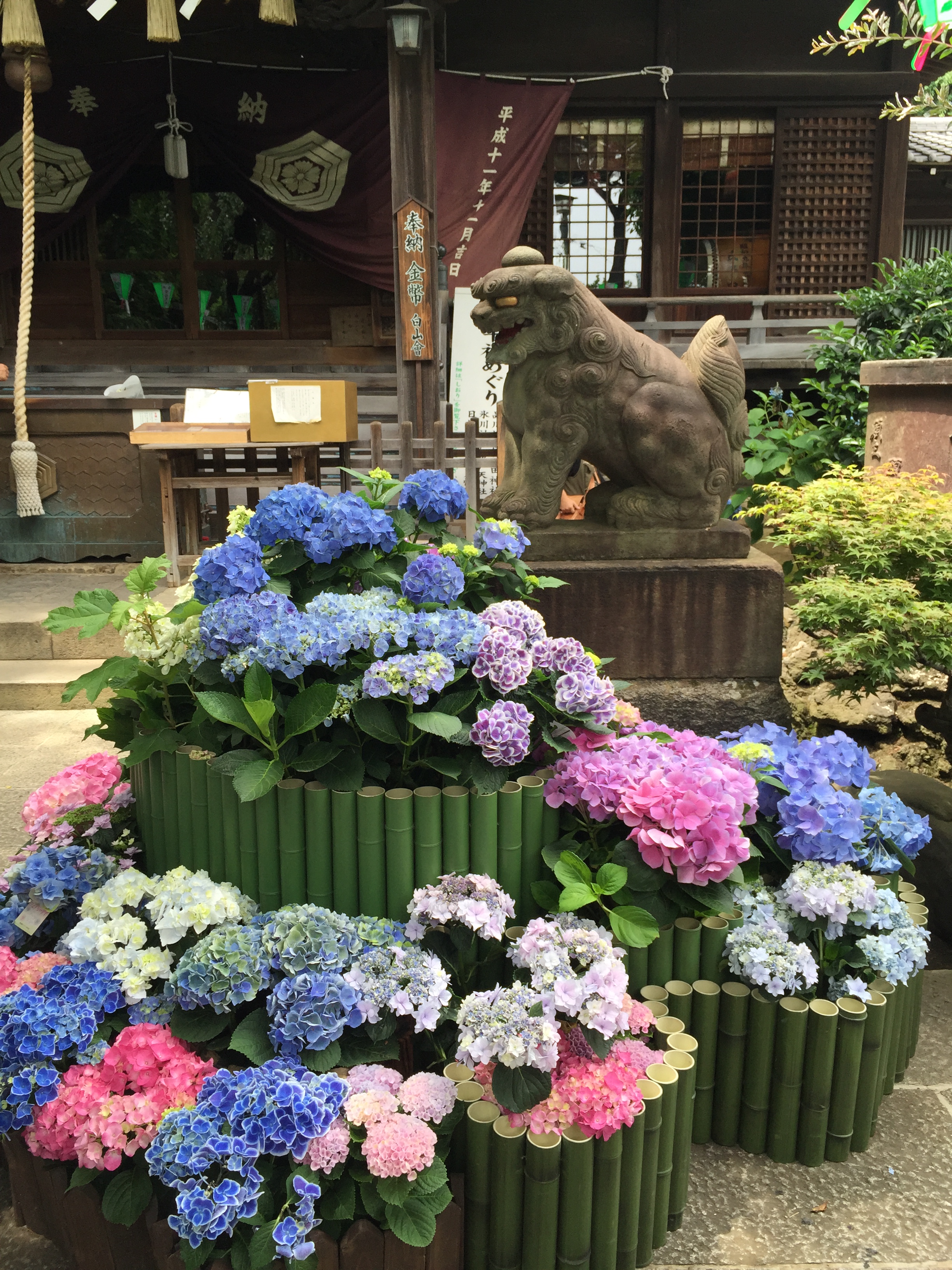 Seriously…if you can go to Japan in late May/early June, GO! Like I mentioned yesterday, hydrangea season has stolen my heart. Those gorgeous shades of blue and pink and purple, the different varieties and shapes of the blooms…breathtaking.
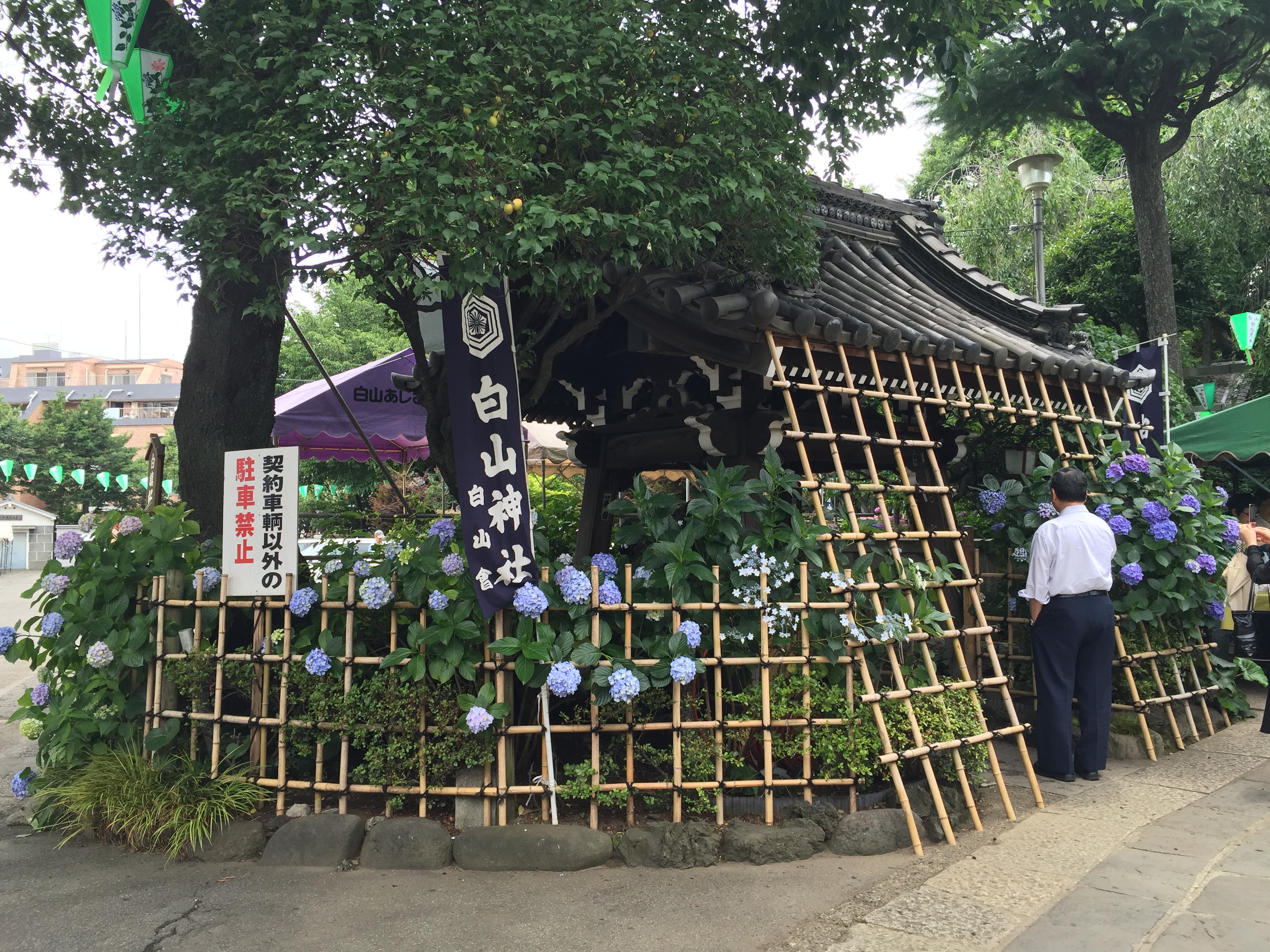 We met up with Jess last Monday at the Bunkyo Hydrangea Festival at the Hakusan Jinja Shrine. Bunkyo hosts five flower festivals throughout the year and now it is my personal goal to see each one. The Hakusan Shrine is the home of over 3000 hydrangea plants! I am not sure I captured each one, but I sure tried.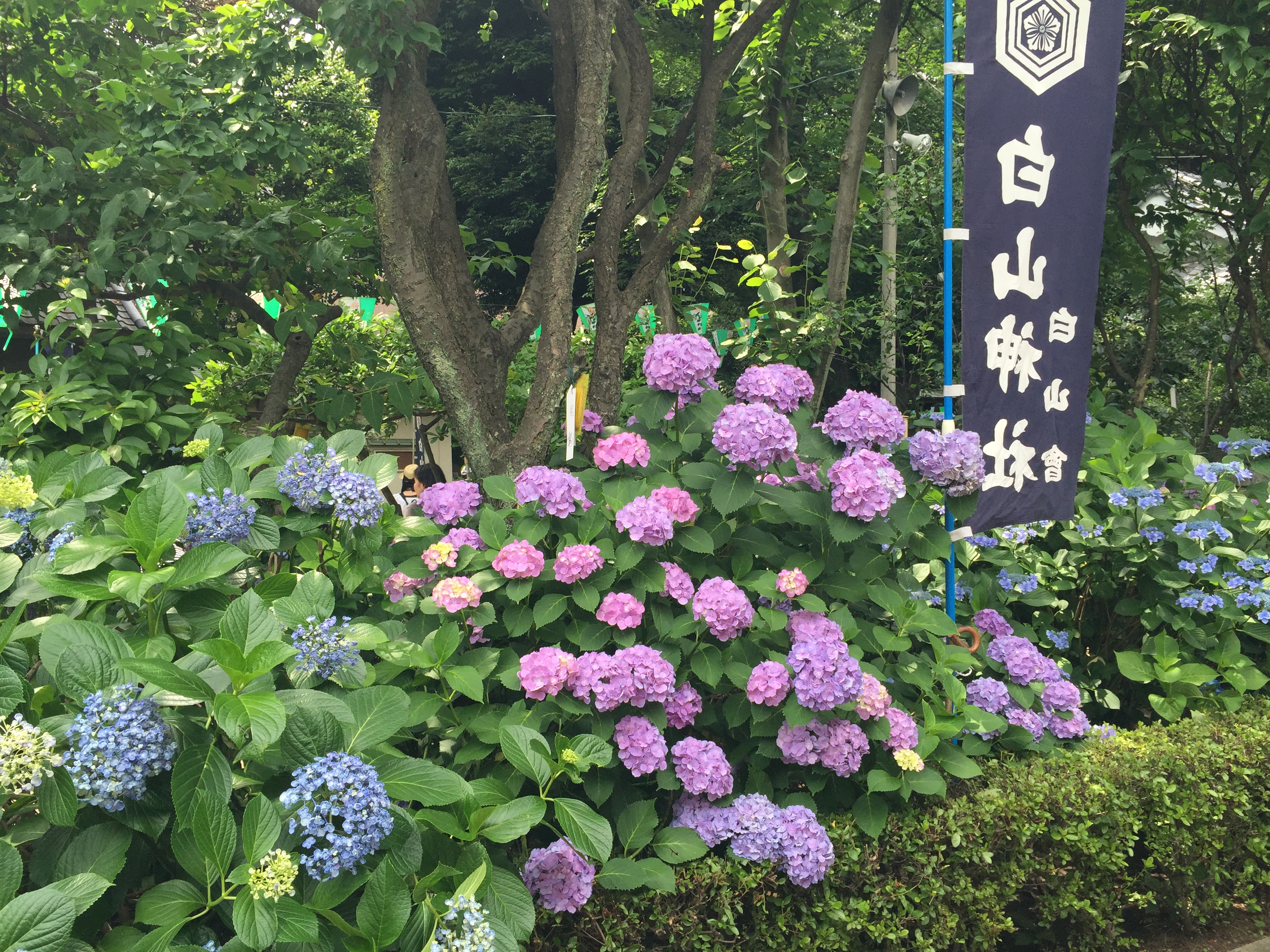
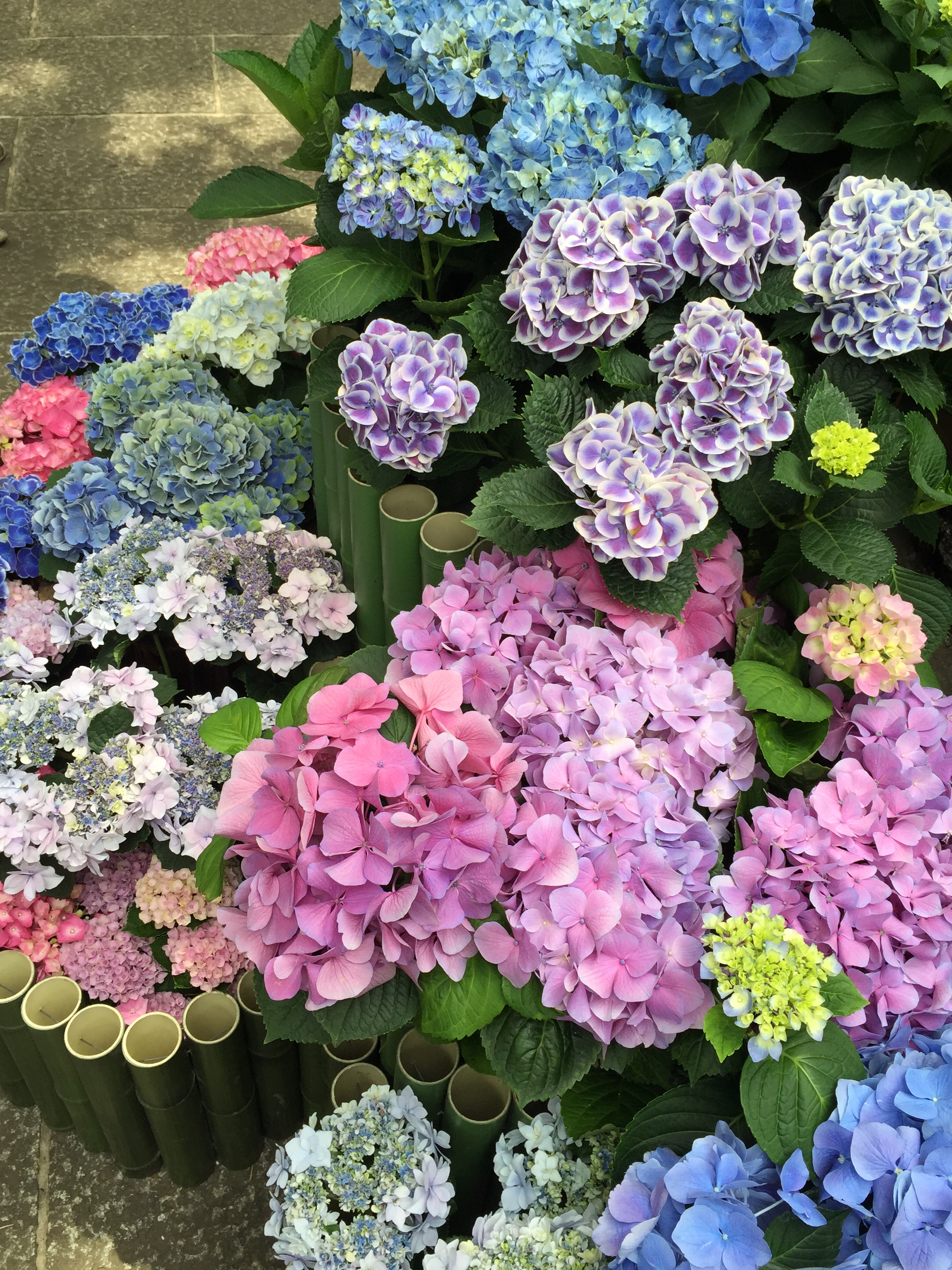
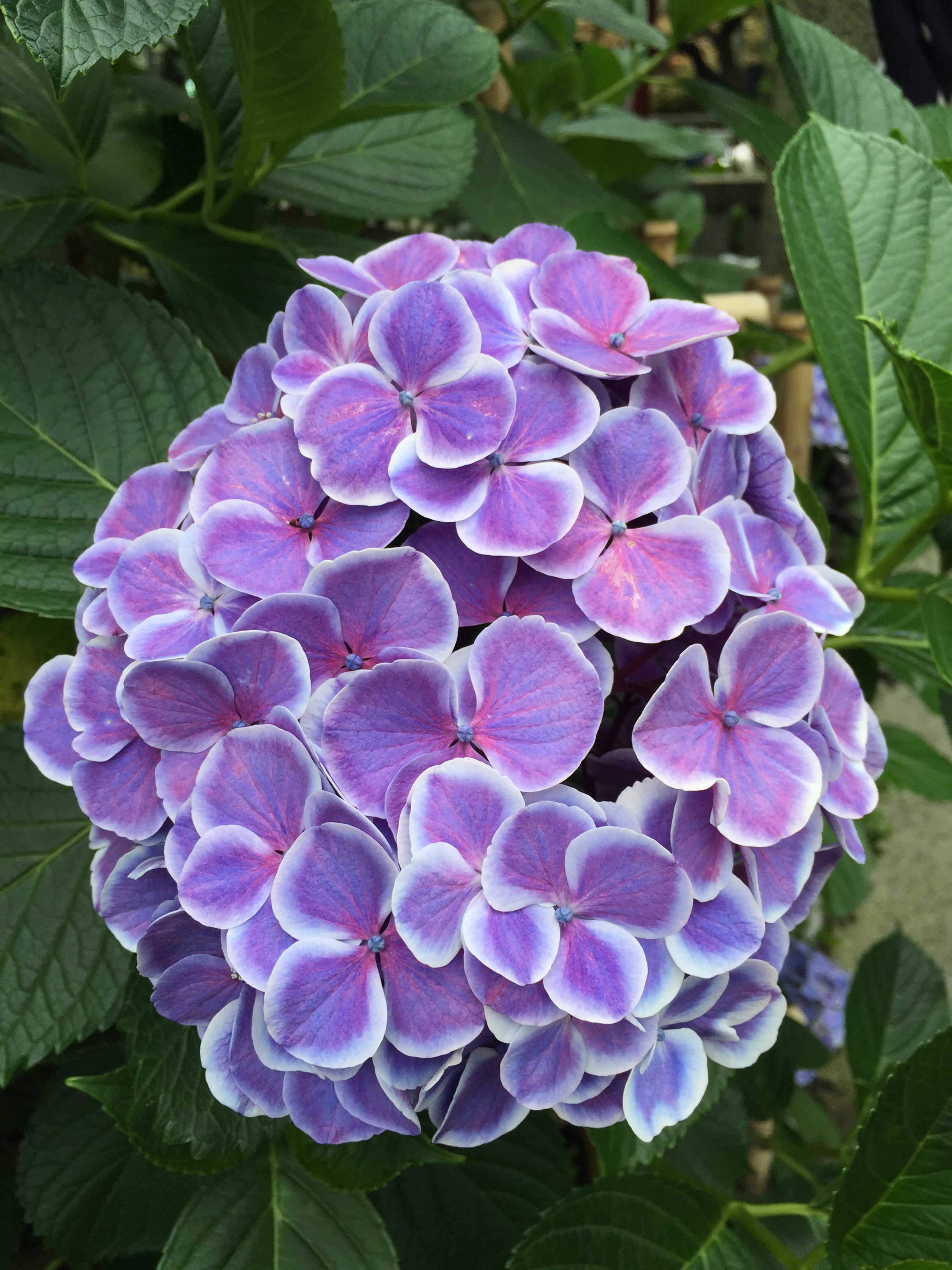
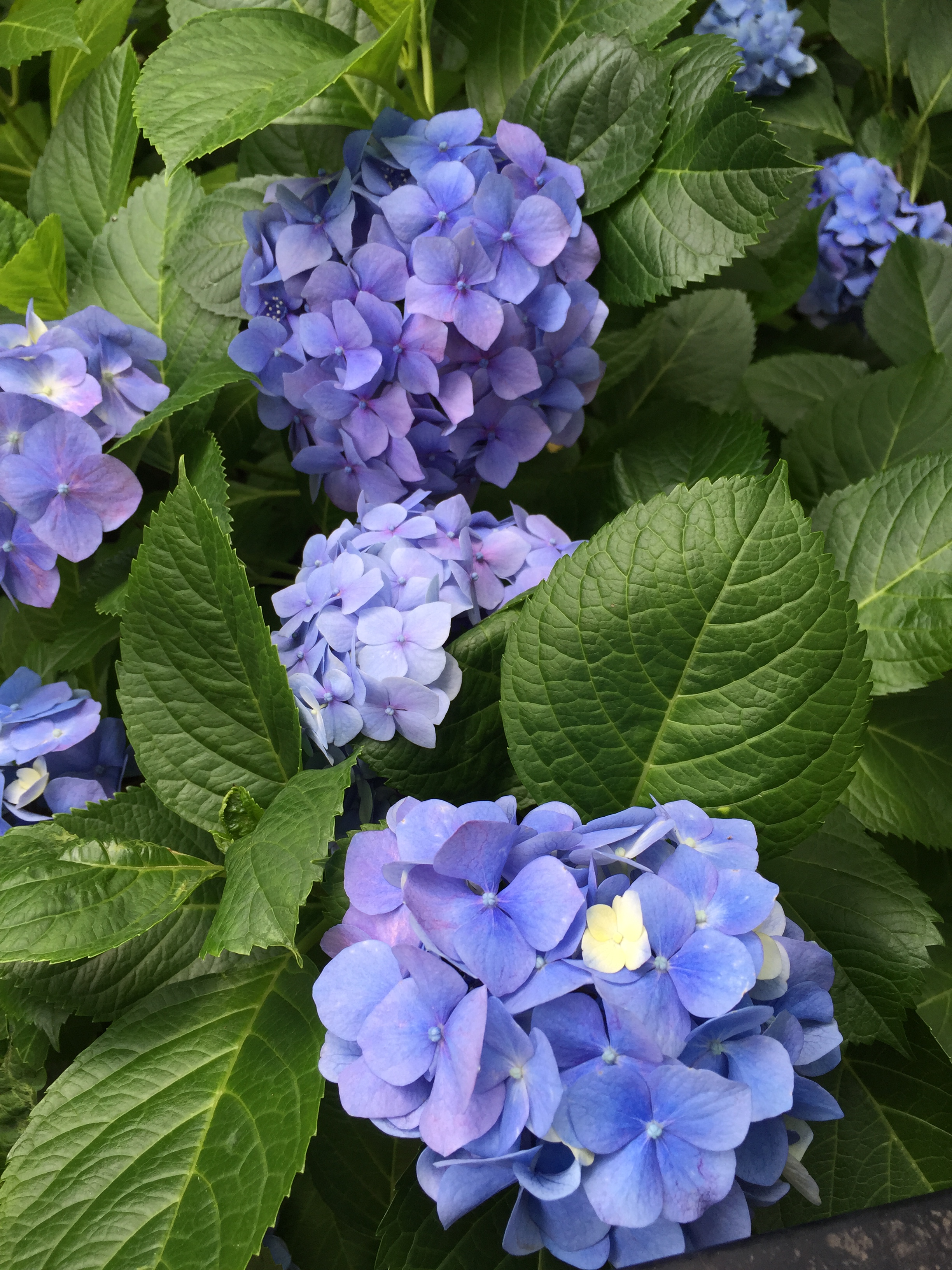
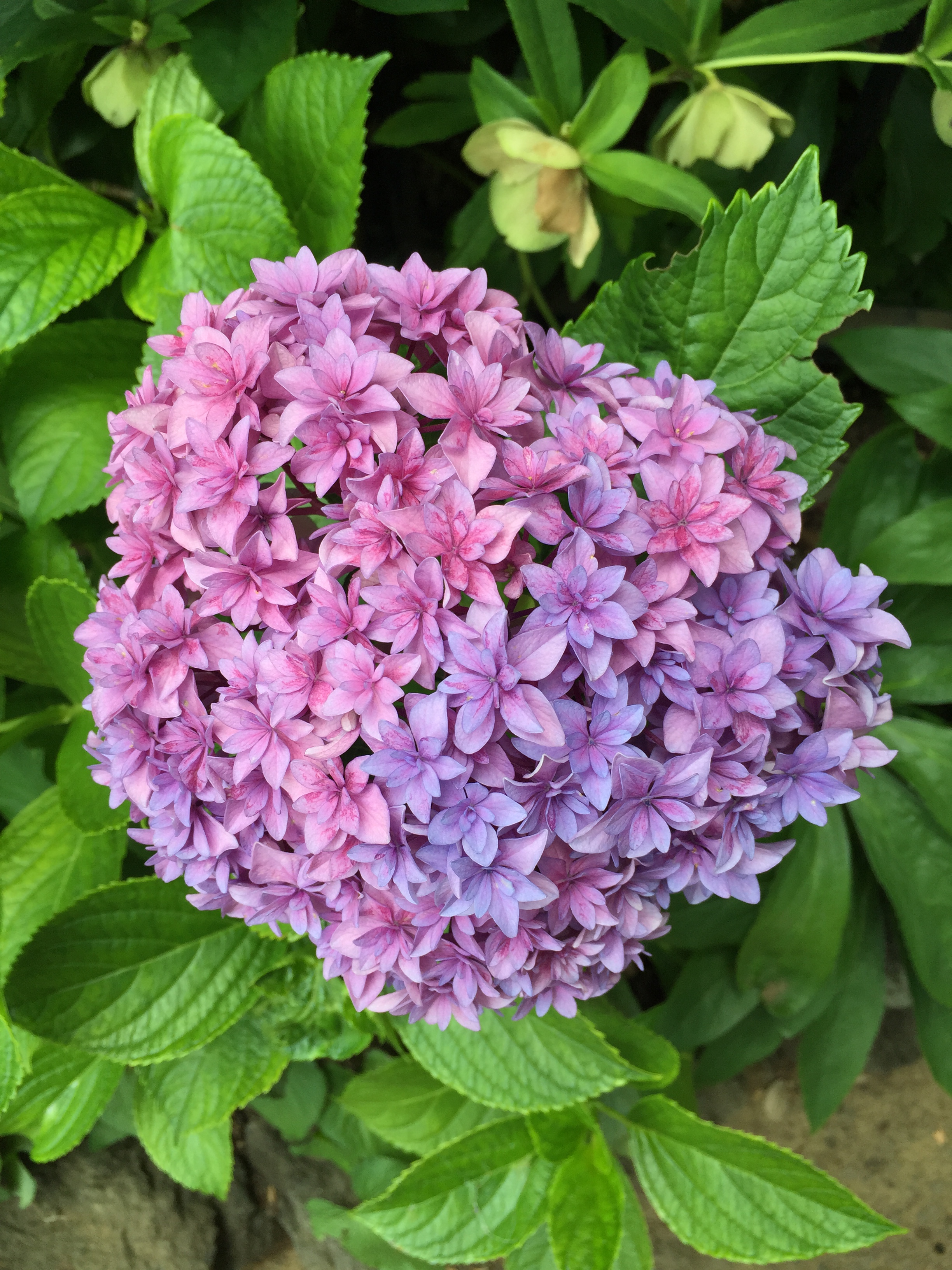
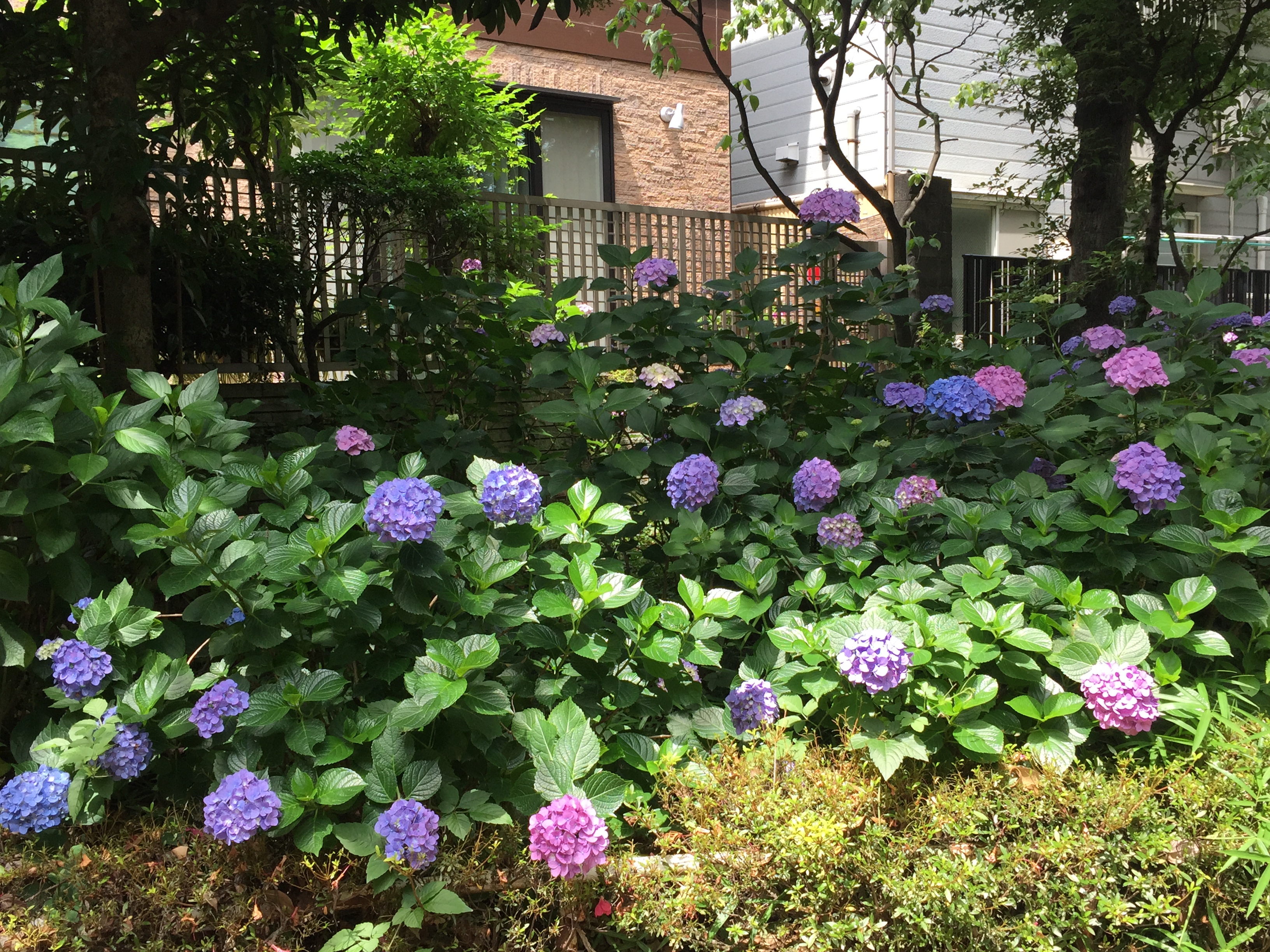
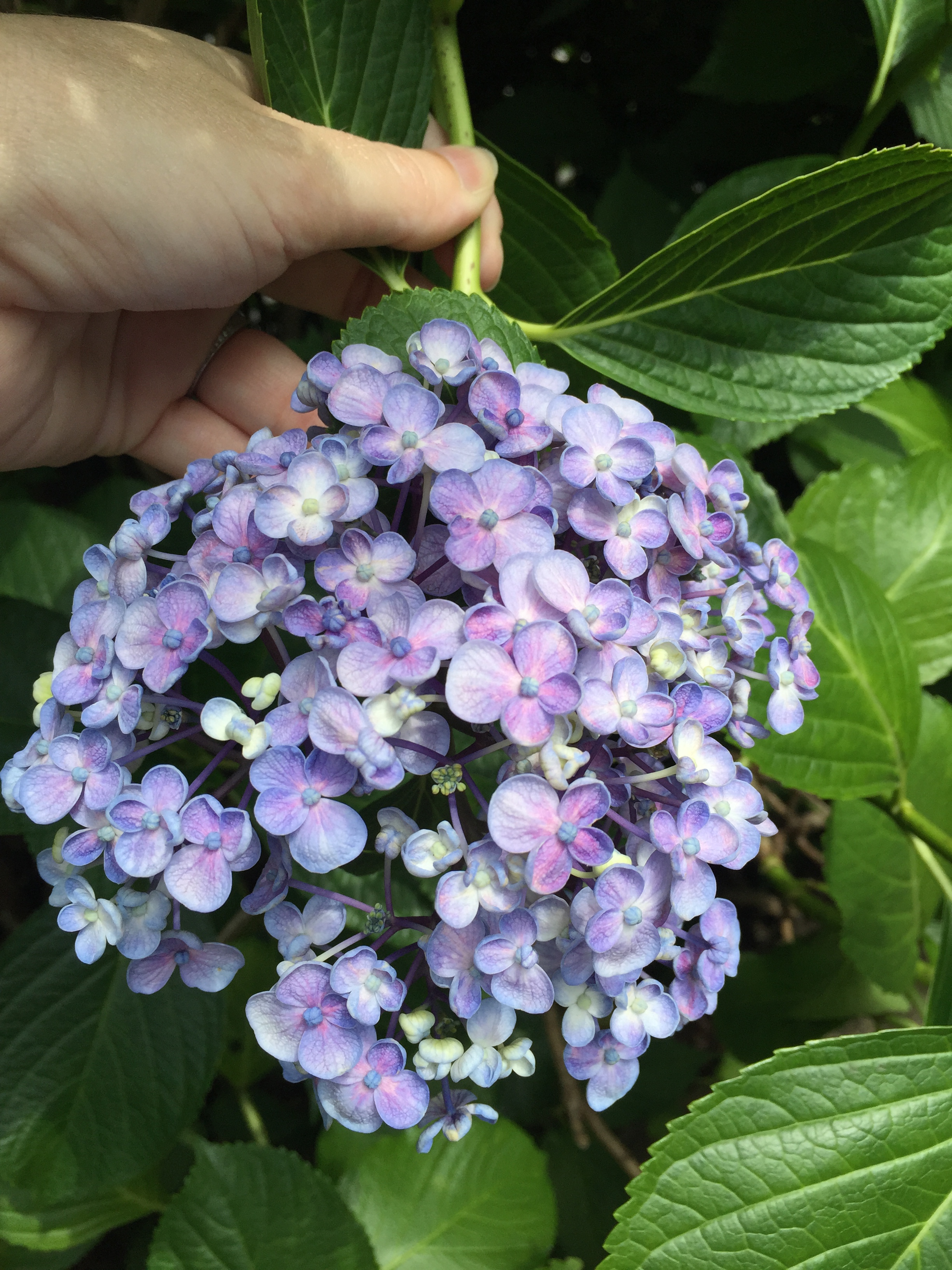
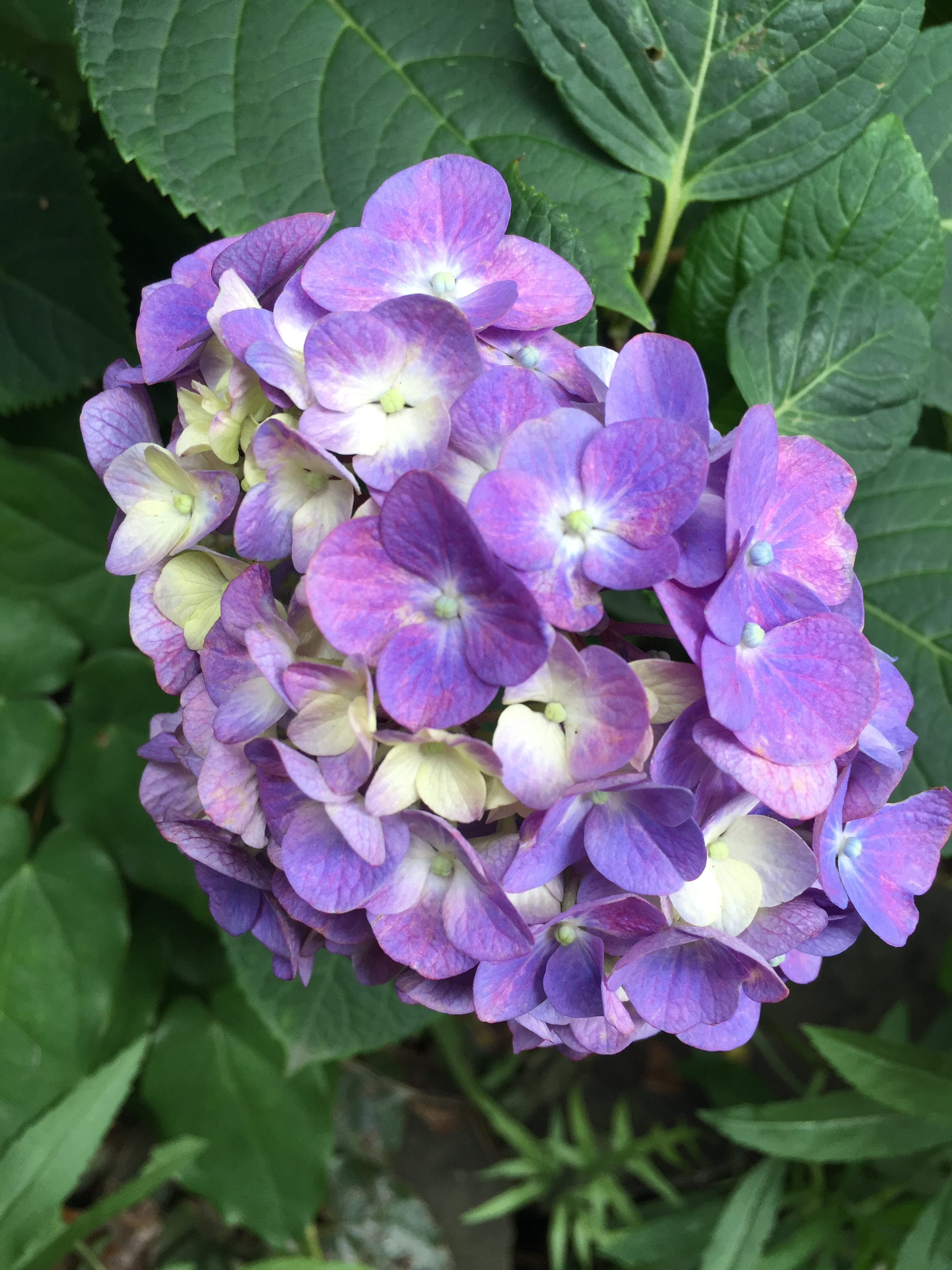
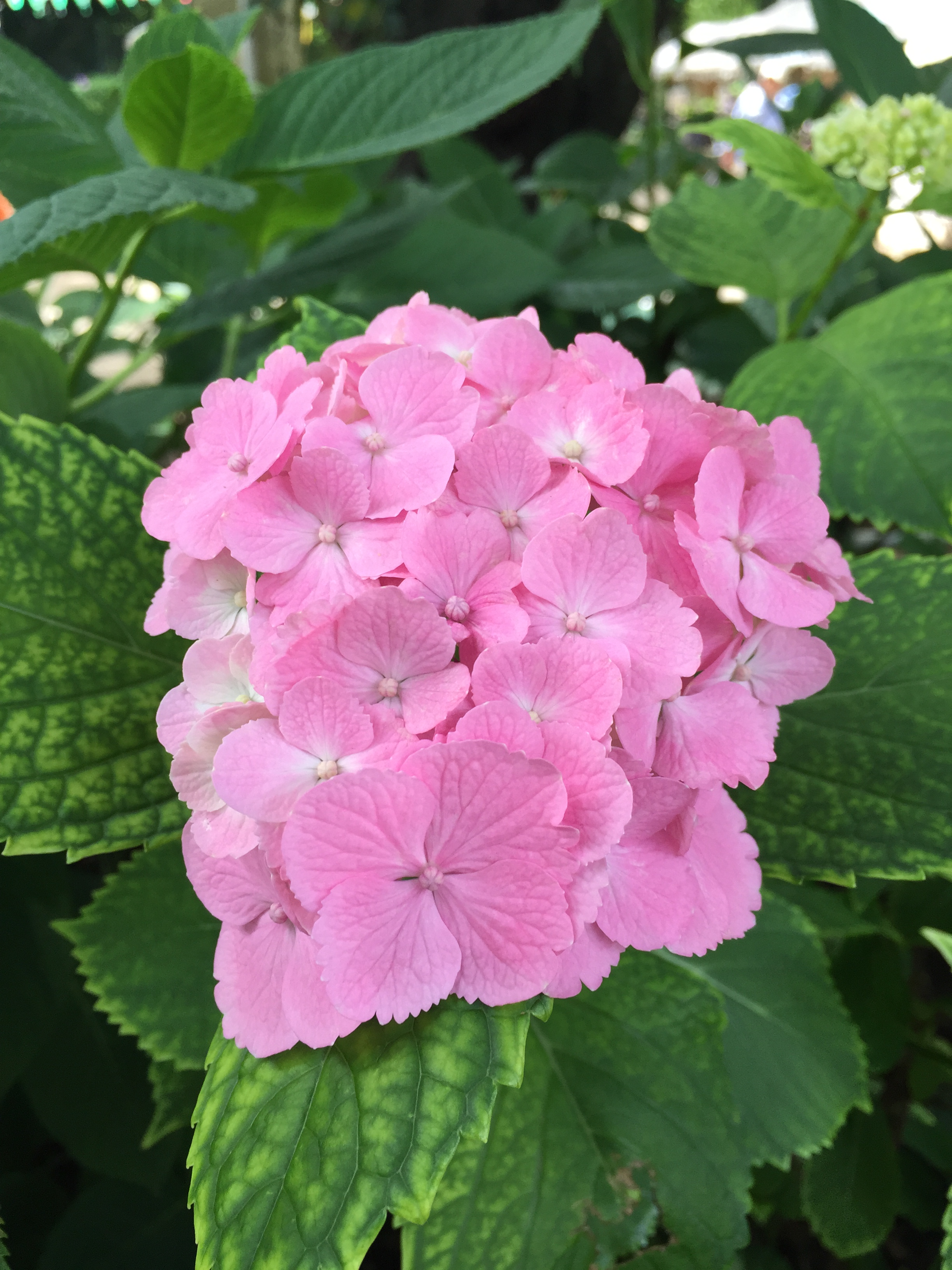
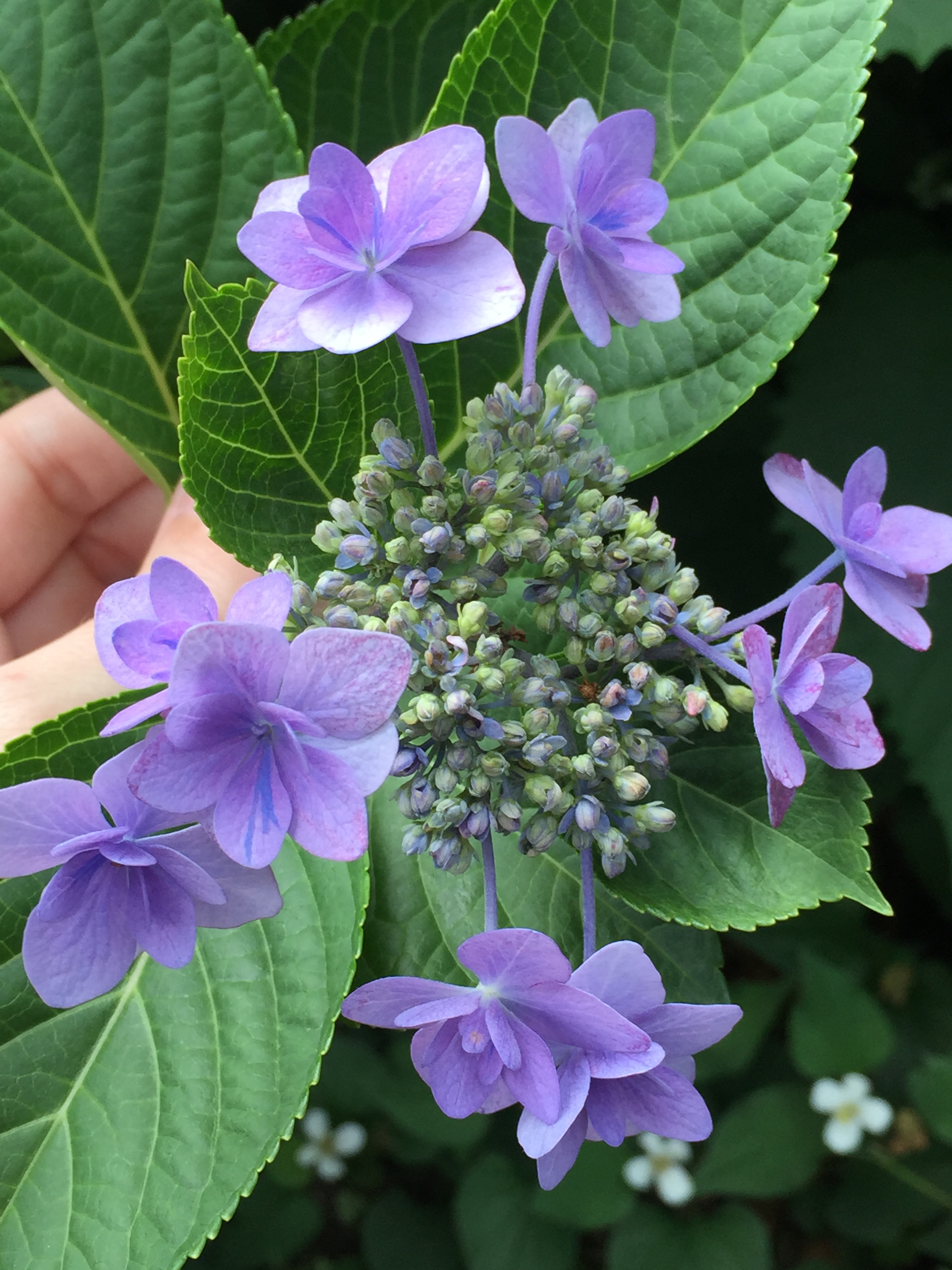
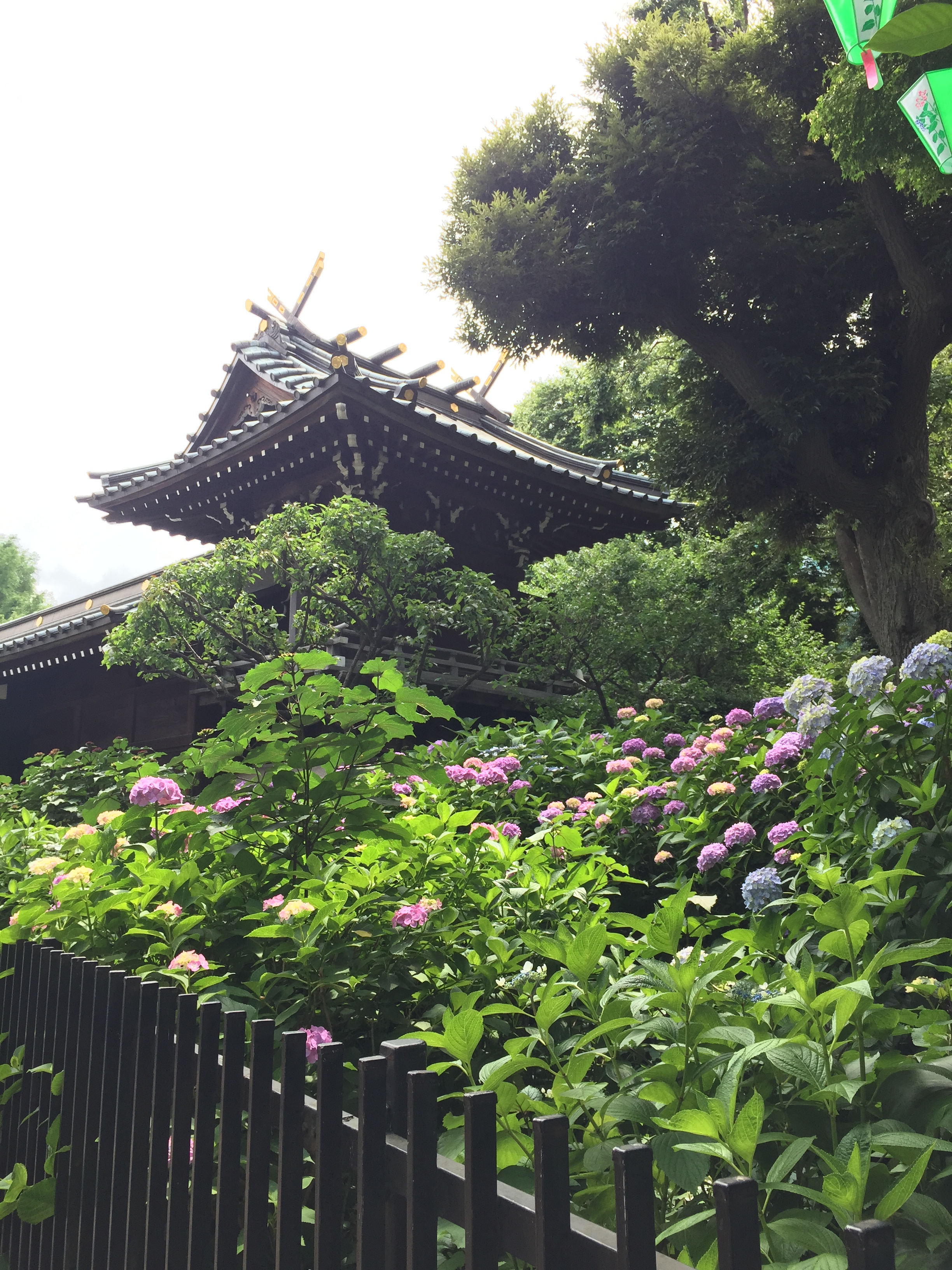
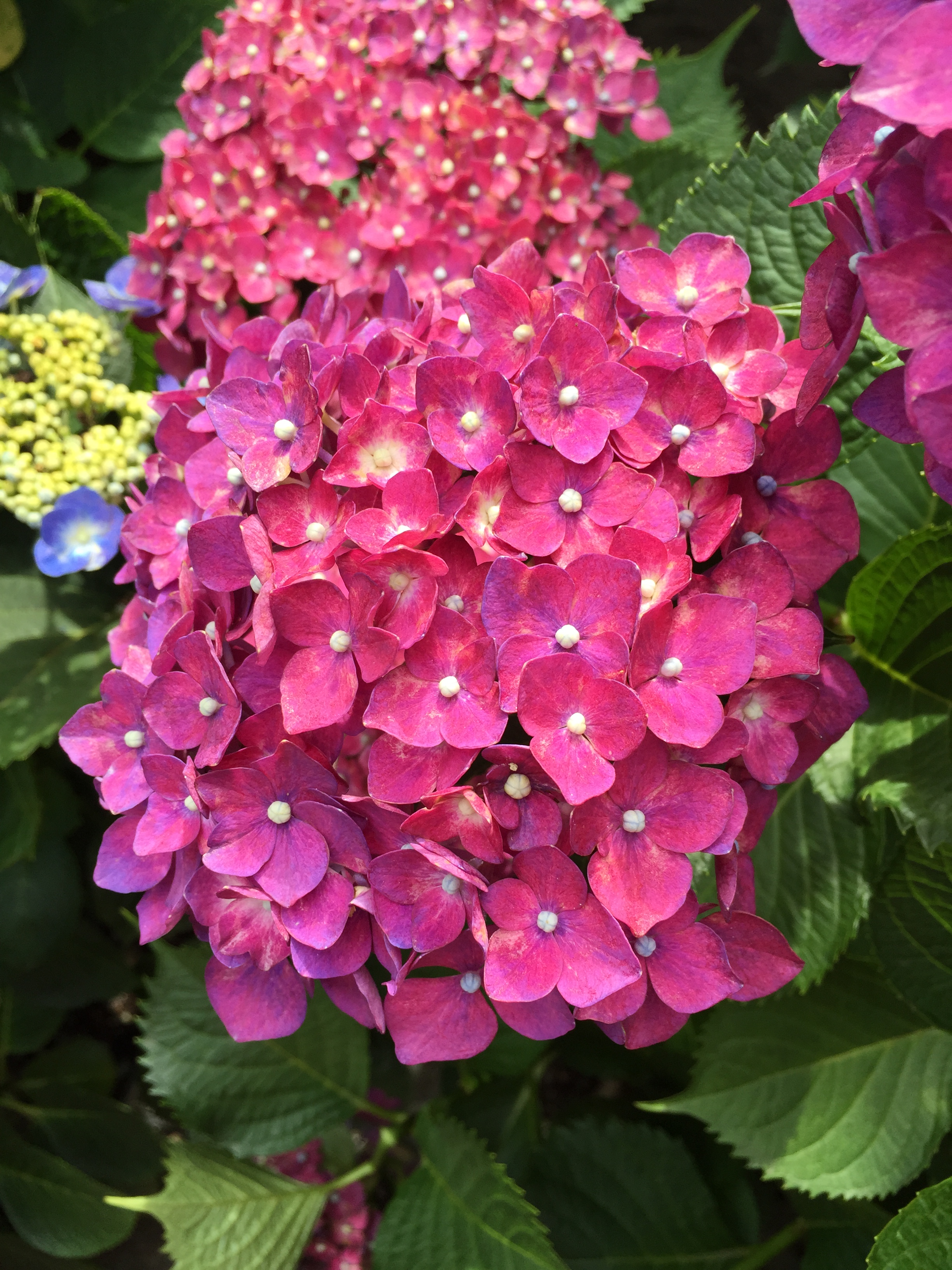
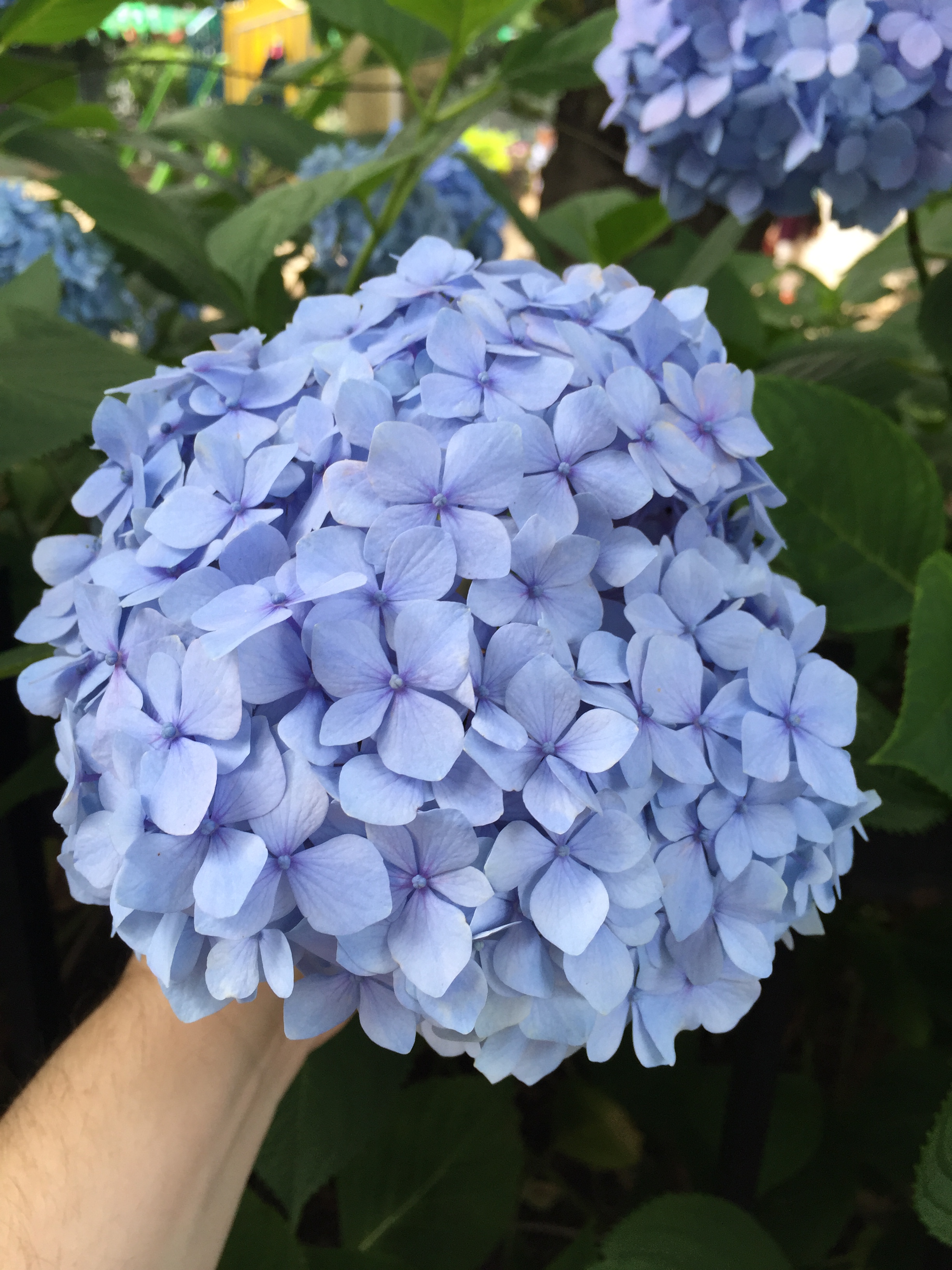 Have you ever seen so many varieties all in one place? I’ve been dreaming of a hydrangea garden of my own ever since…maybe someday!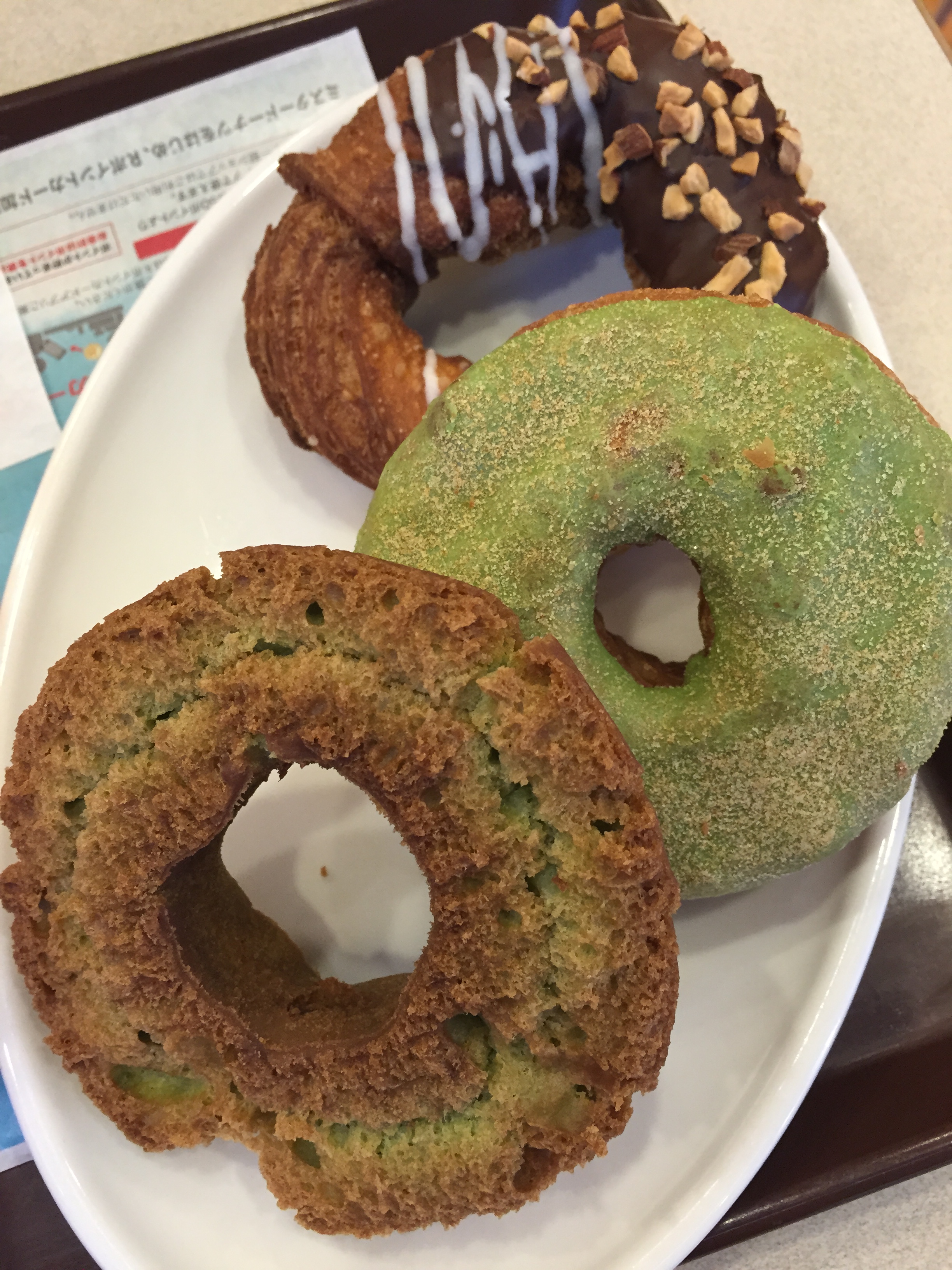
 kimberly ah