Author Archives: kimberly ah

The Four Treasures: Ink Stone

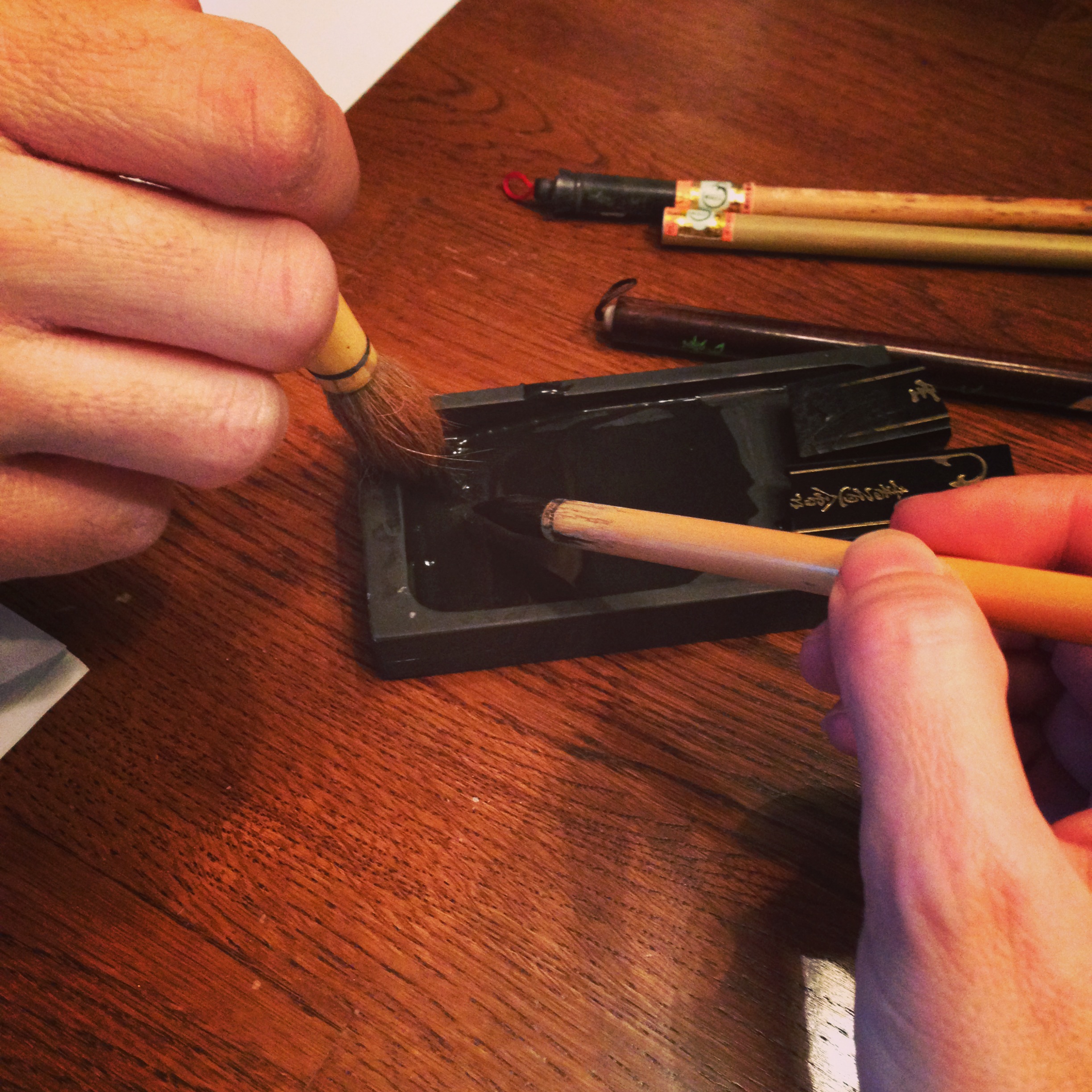
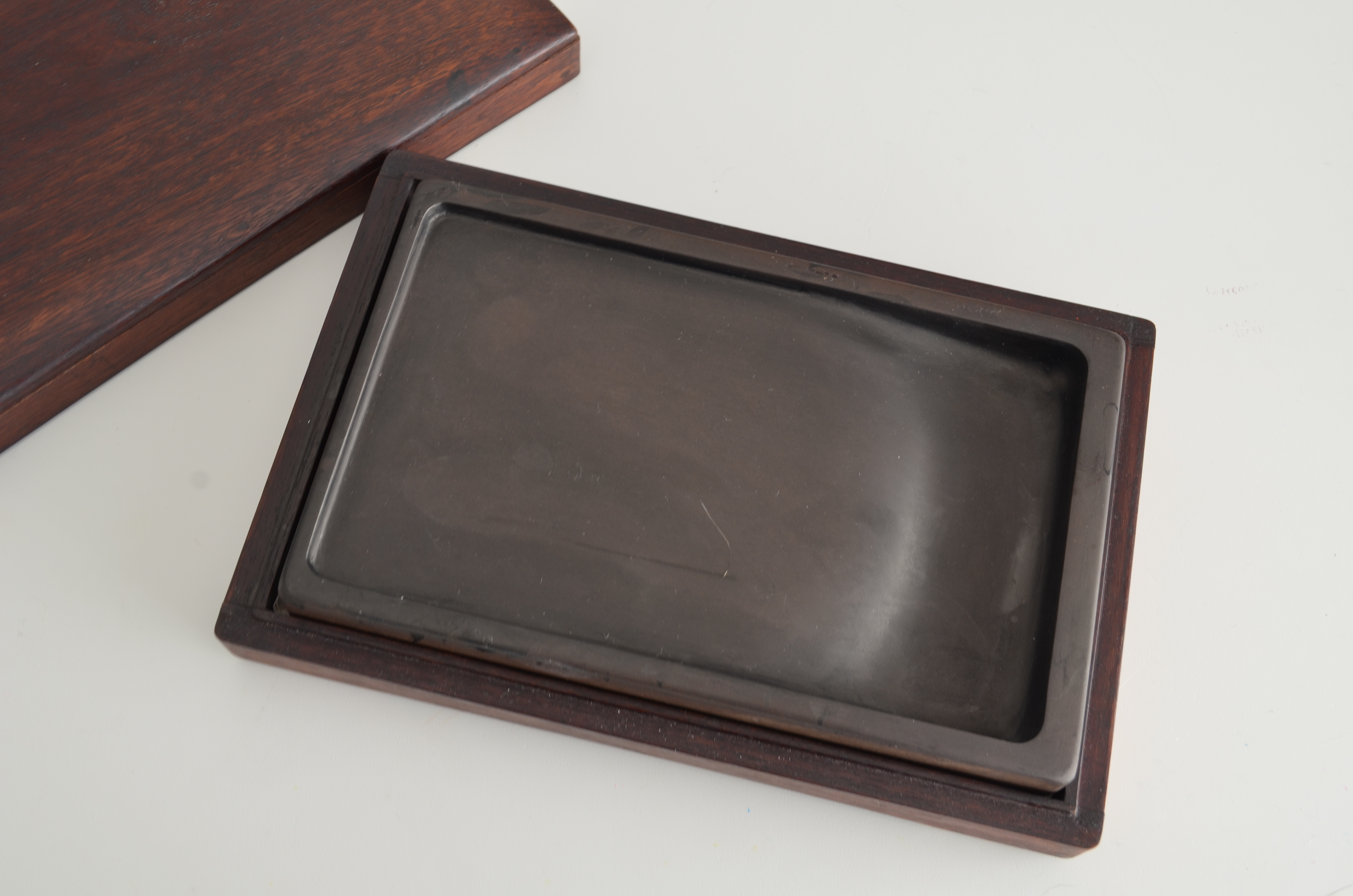
japanese calligraphyThe last of the four treasures is the ink stone. Handmade from slate, ink stones are smooth, very heavy and made to last forever. The ink stone is designed for ink making in batches. There is a raised part that slopes downward into a well. Ink is mixed at the top and pushed down into the well.japanese calligraphy inkstone To make the ink, you start with a bit of water at the top of the stone. japanese calligraphy, inkstone, grinding inkThen, place the ink stick in the water and “grind” the ink. Grinding the ink is a slow, meditative act. Passing the smooth ink stick across the smooth ink stone is soothing and repetitive. The earthy scent of the ink permeates the air. It’s extremely relaxing and calming. This slow preparation allows the mind and the body to become centered and ready to write. calligraphy inkIt takes a lot of time and experience to know when the ink is ready. (Our ink was not the right consistency when we had our practice session. You can tell it wasn’t mixed long enough because it was gray and a bit watery. We need more practice!)
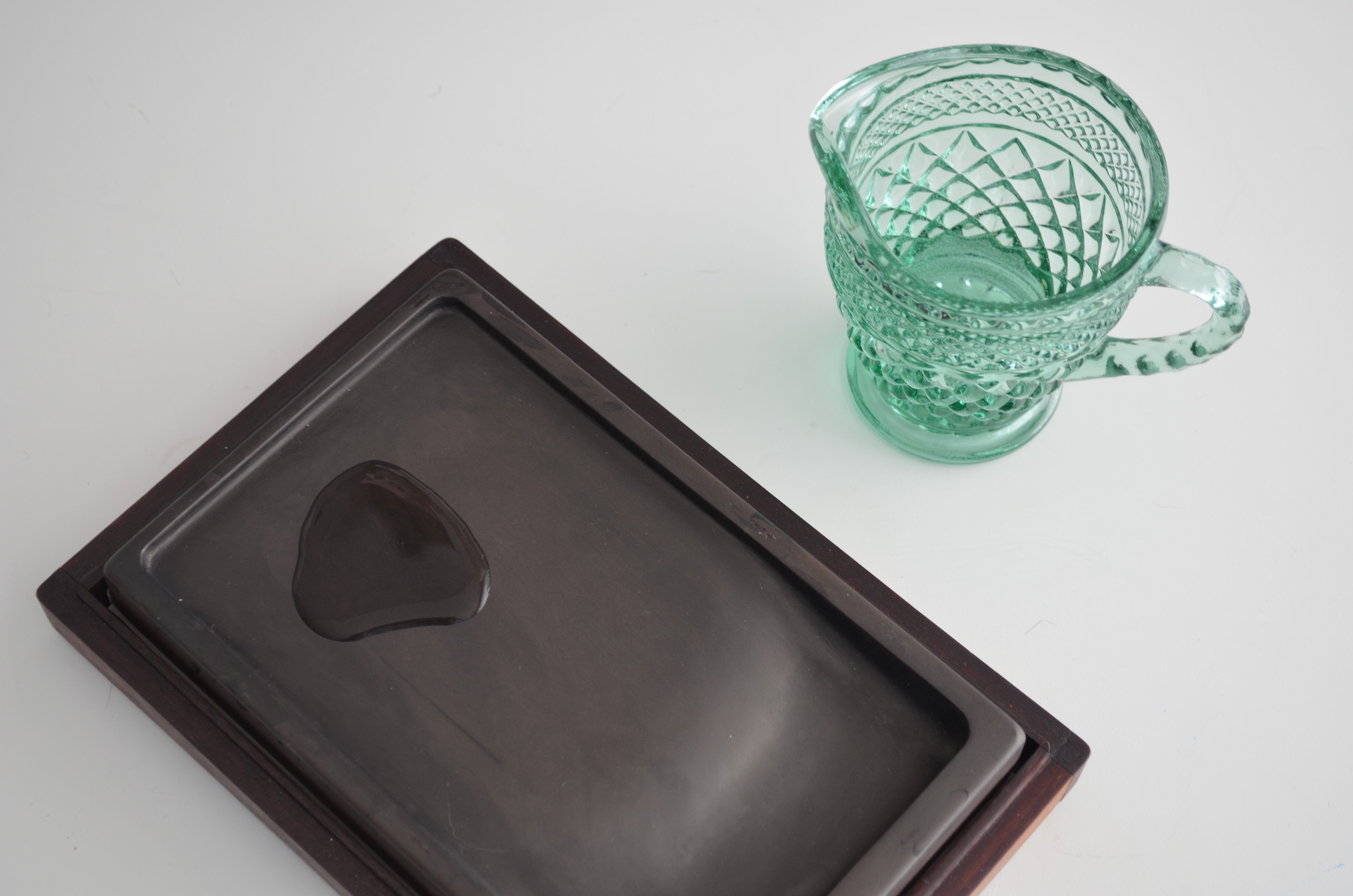
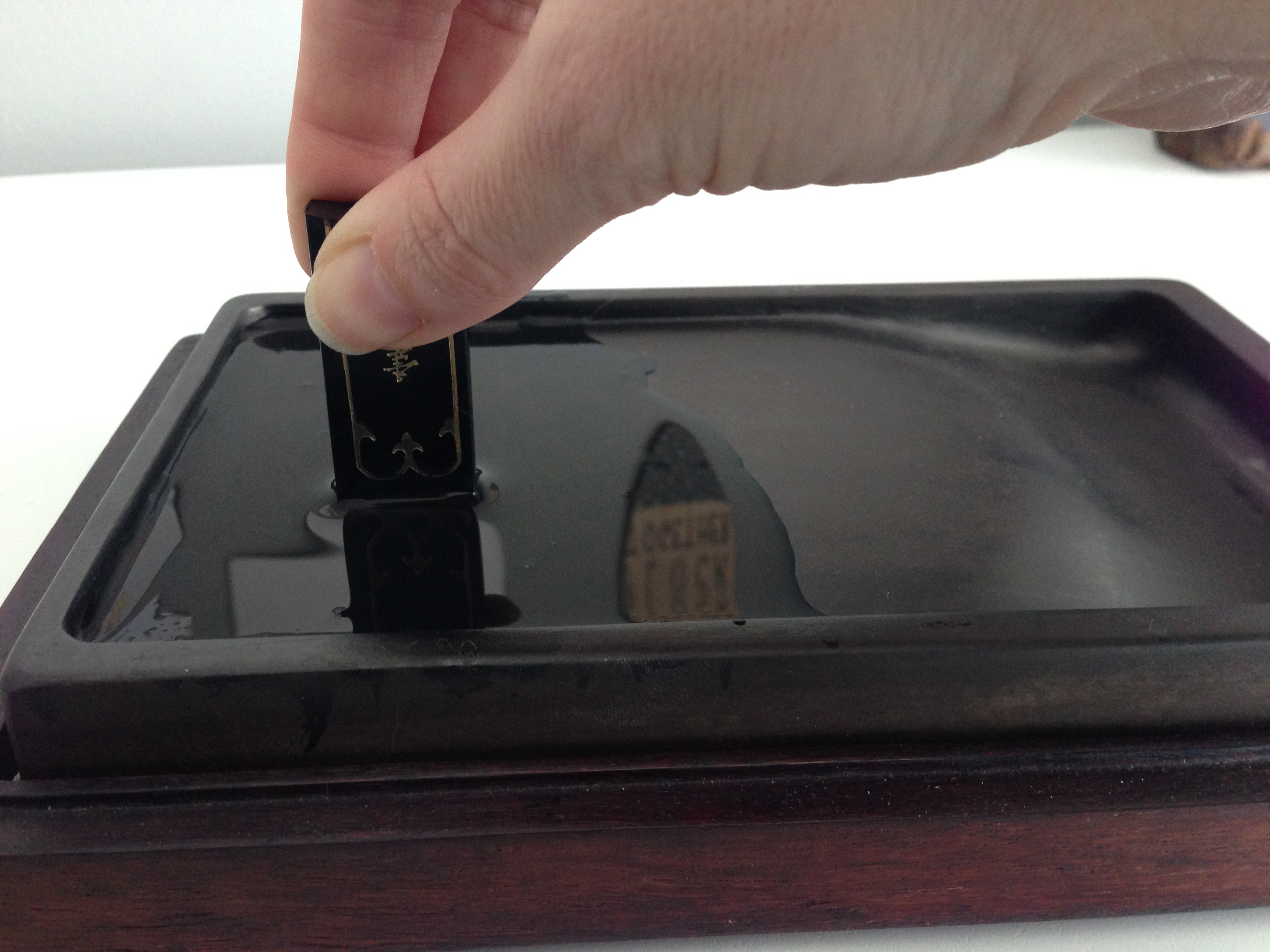
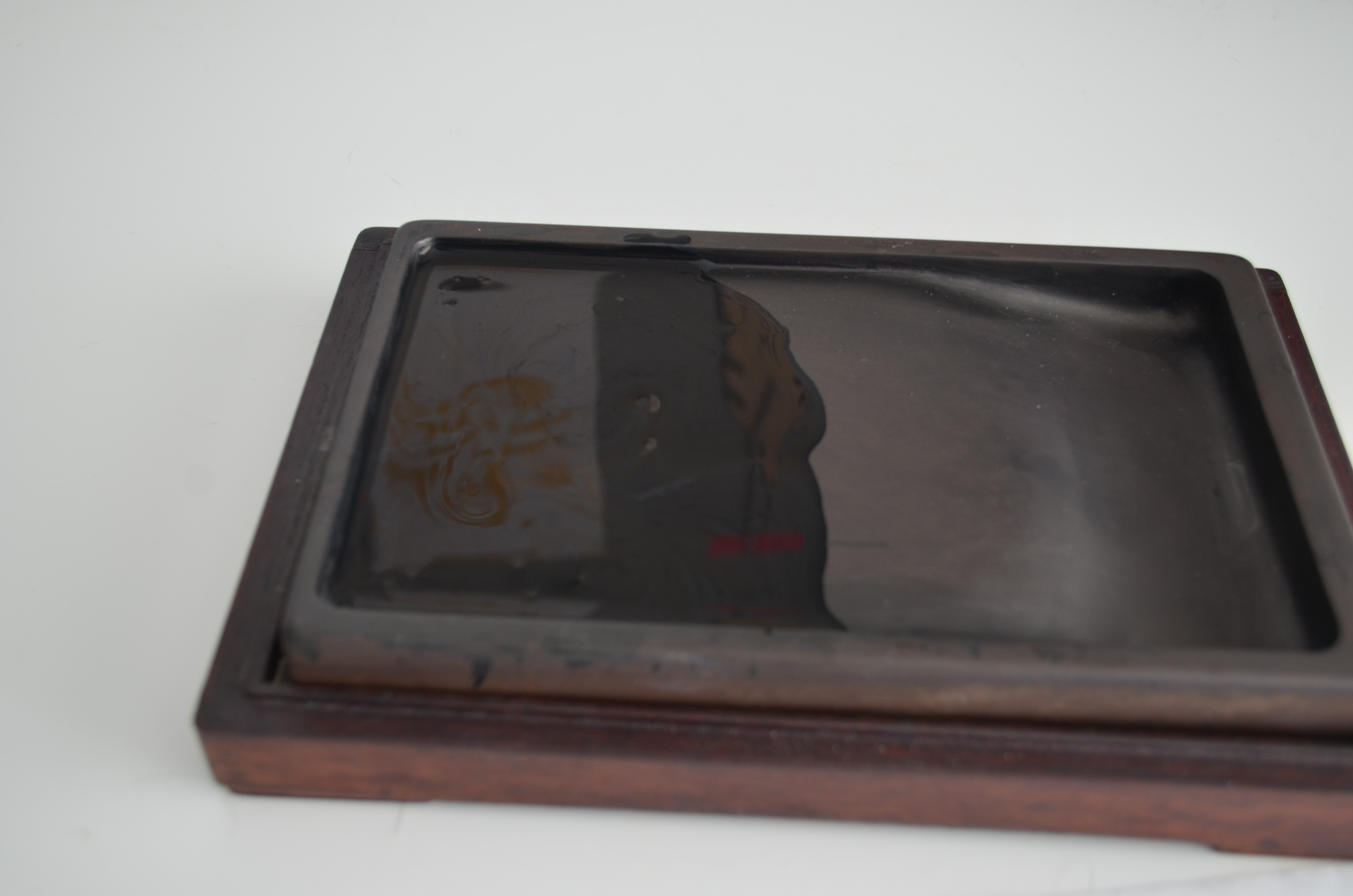
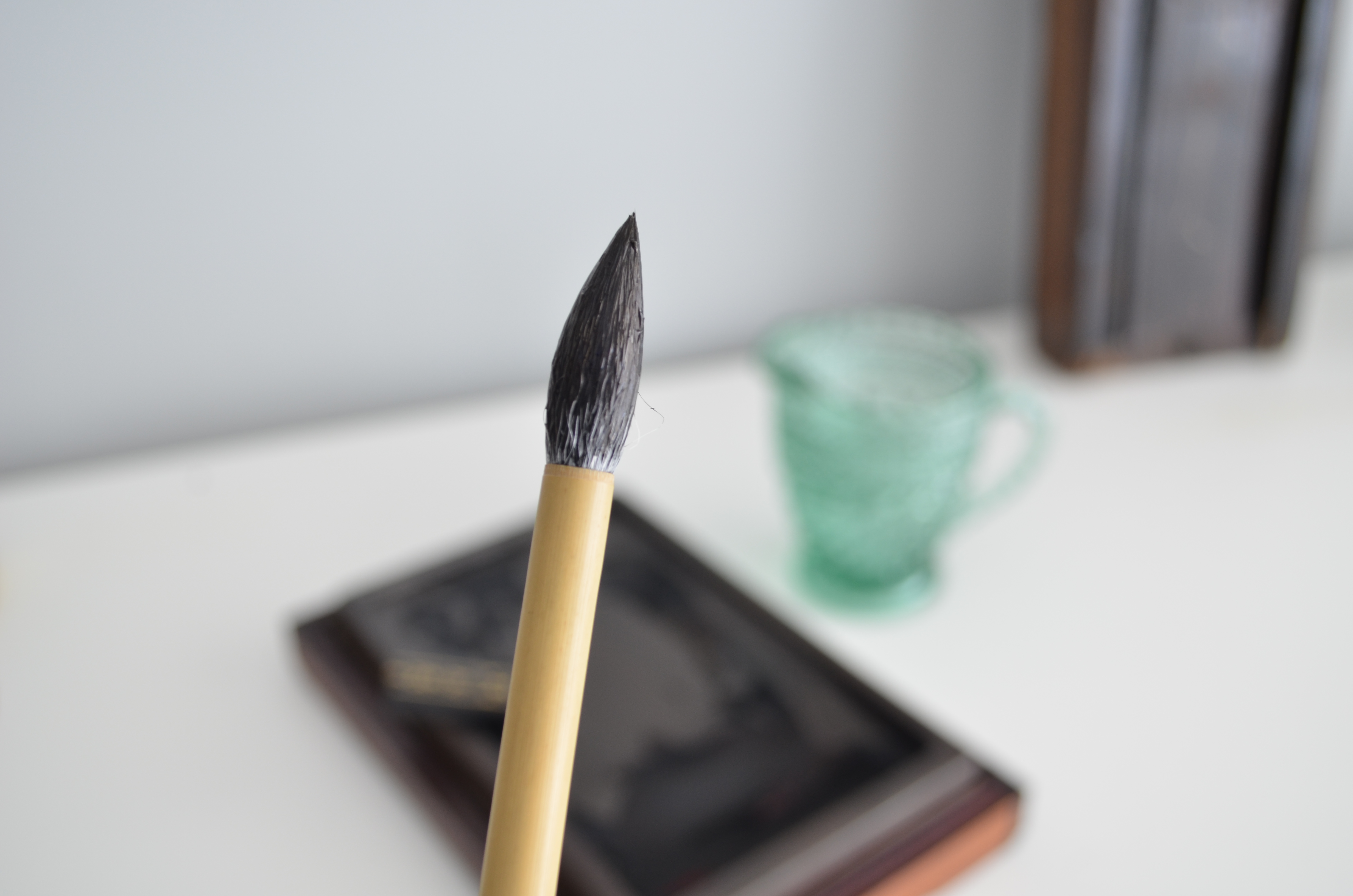
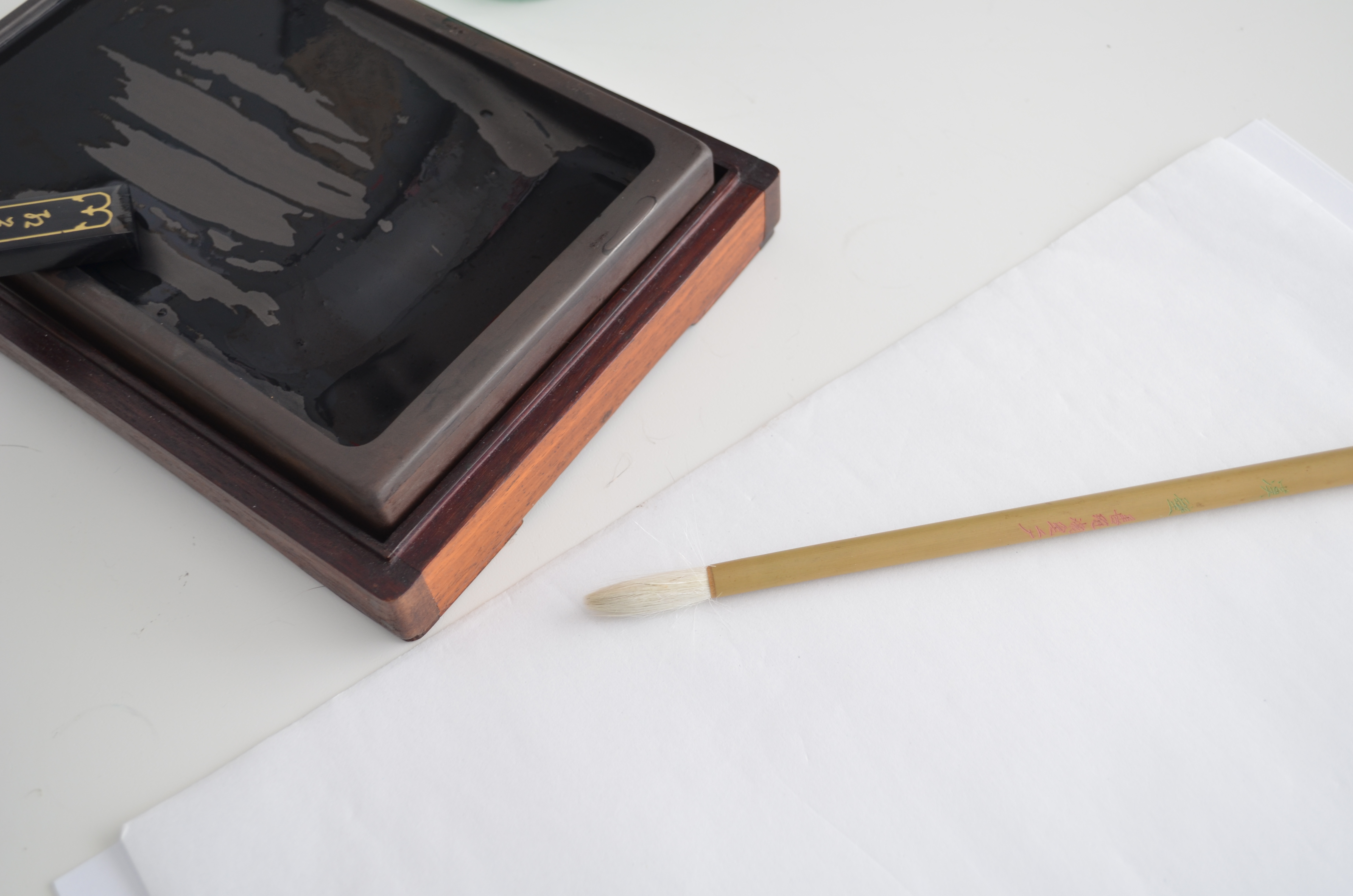
When the first small batch of ink is ready, you push it down (using the end of the ink stick) into the well of the ink stone. Then, add a bit more water to the top of the ink stone and continue mixing more with your ink stick. Repeat this process until you have enough for your project. japanese calligraphy brushIf the ink is prepared correctly, it will be a deep black with a light, almost oily sheen and it will be slightly thicker than water. I’m no expert, but I could feel the difference between our hastily mixed ink last week and this ink, which I ground ten times longer. You really can’t take shortcuts.  calligraphy inkI have a small ink stone that I bought for my class, but the ink stone pictured today is from Naoto’s aunt’s collection. It is six by nine inches large and it is heavy. (We carried it all over Japan on the train after his mom gave it to us. Actually, I should say Naoto carried at all over Japan.) Because it is in such a lovely wooden box, I keep it on the table in the living room. But I have to admit it is much more fun to actually use the ink stone. Hopefully when I get back from Japan I will be a little bit more skilled at using these family treasures.
Tagged , , , ,

The Four Treasures: Ink

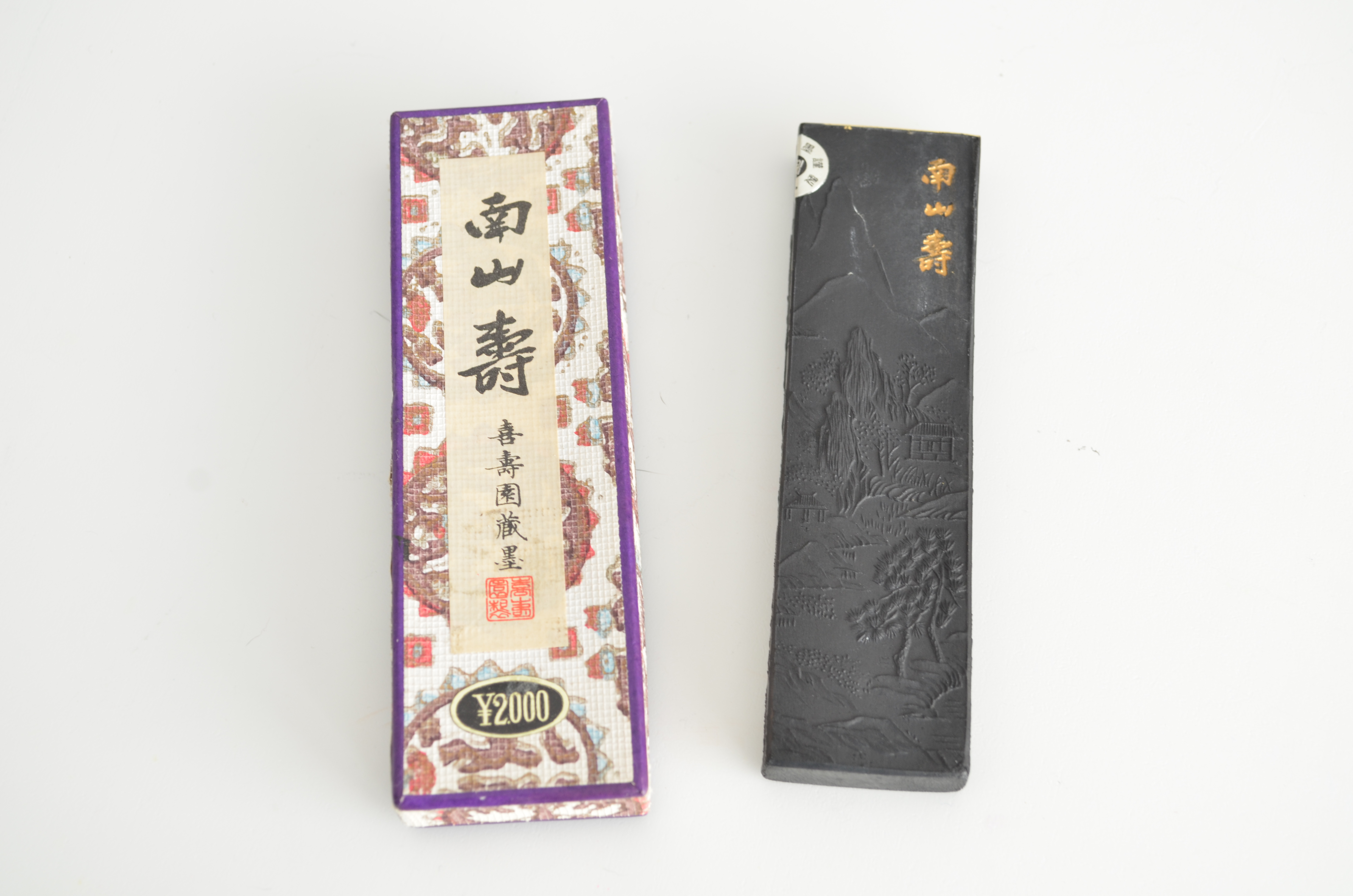
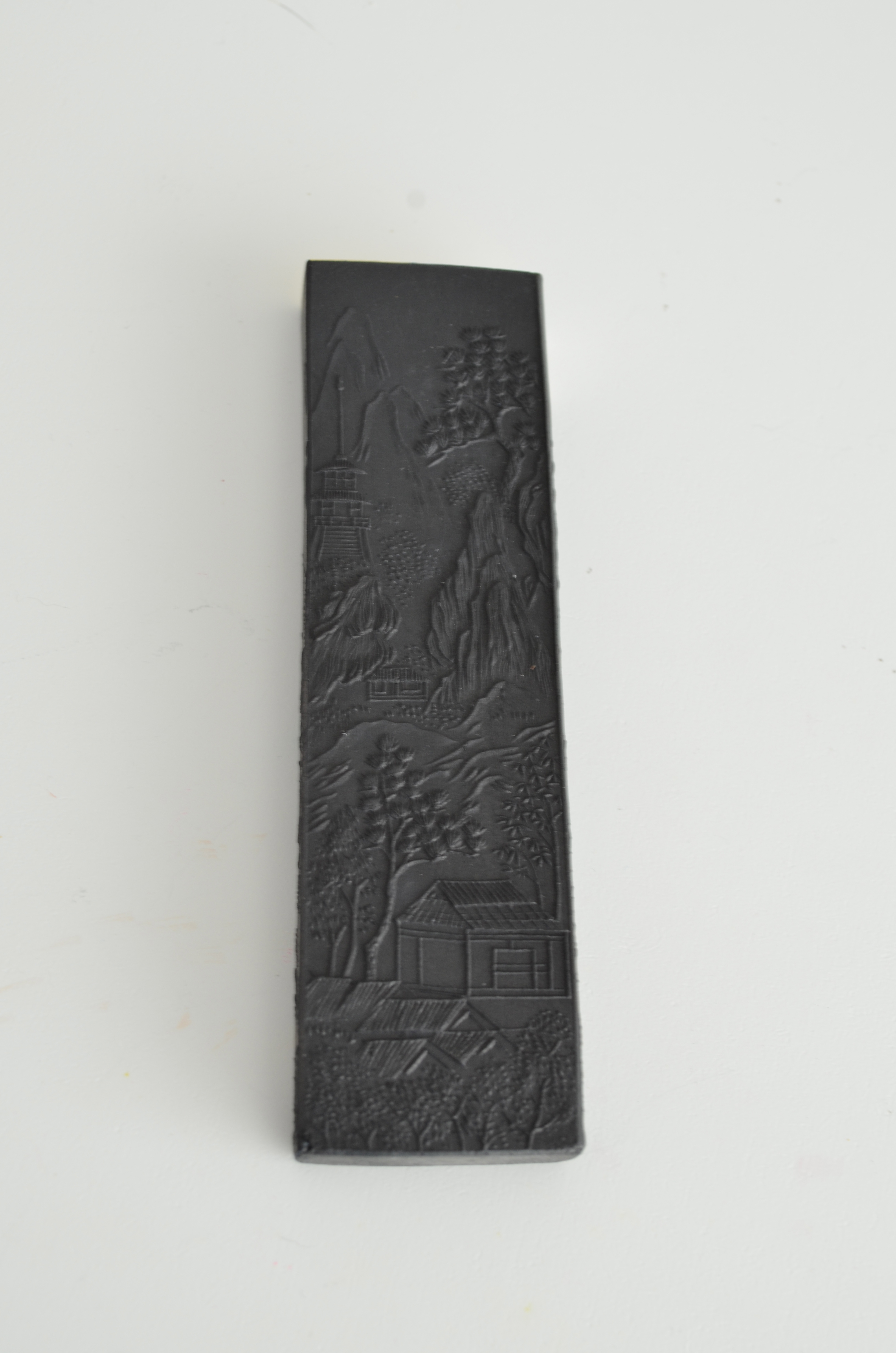
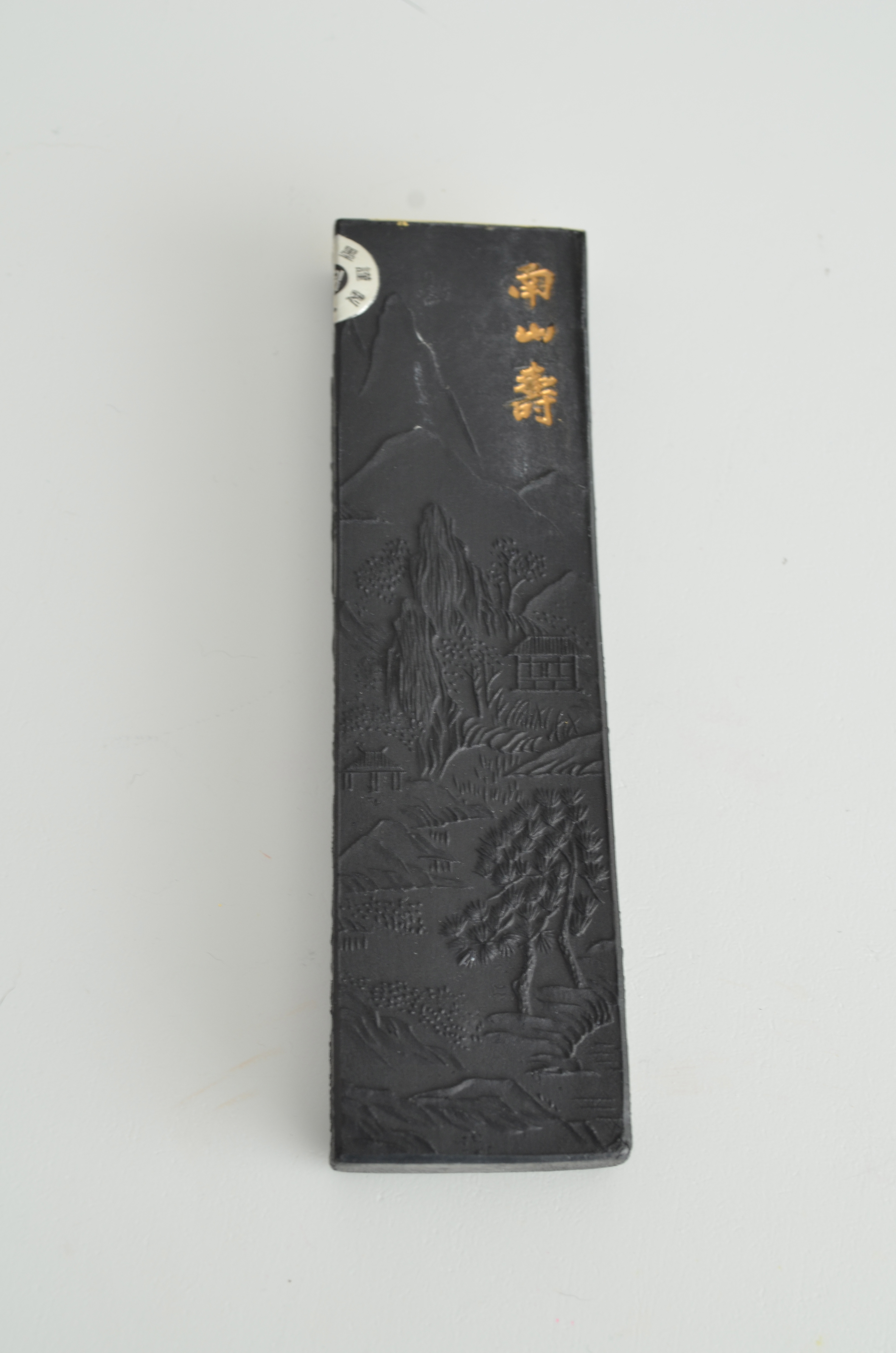
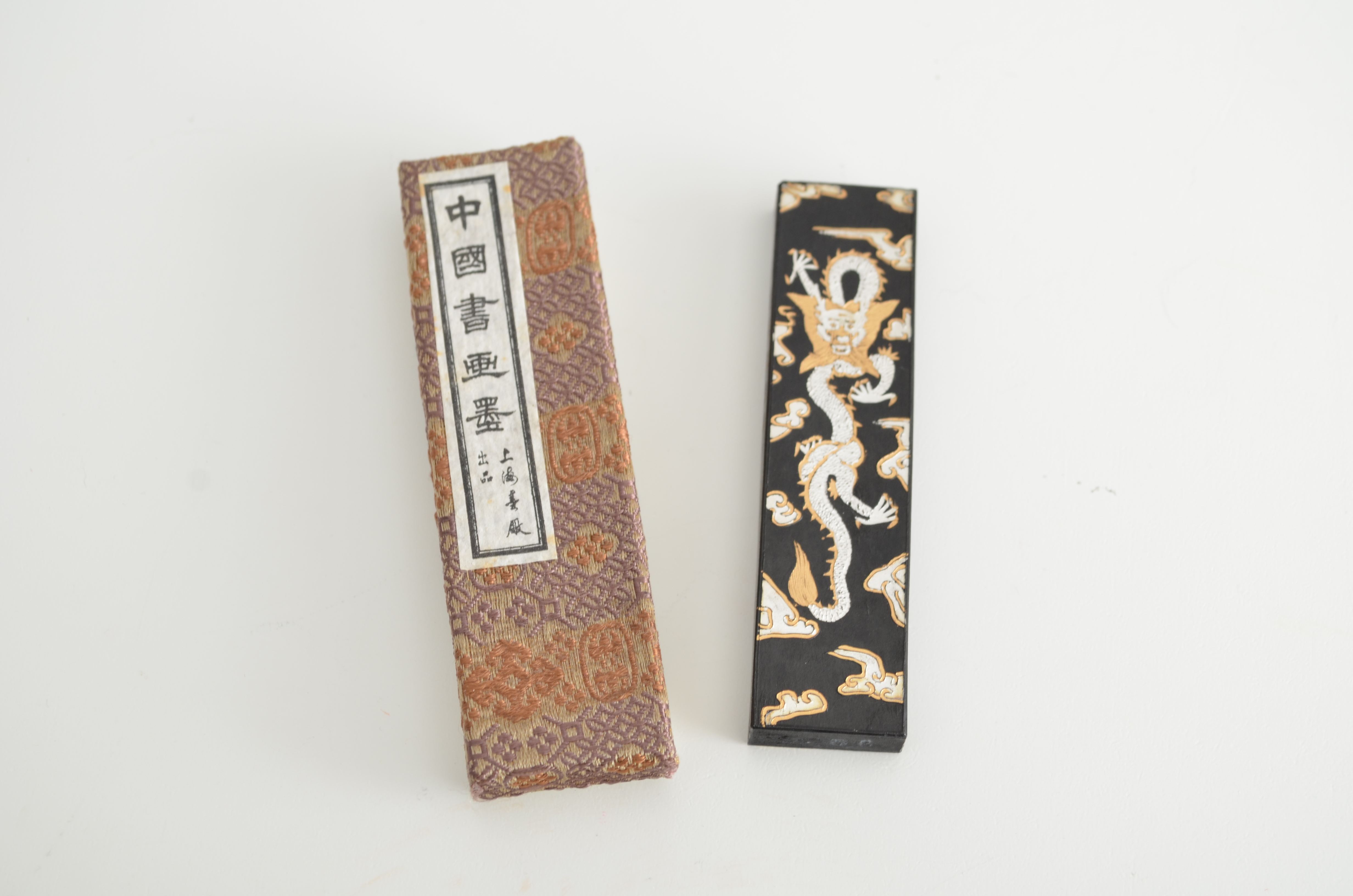
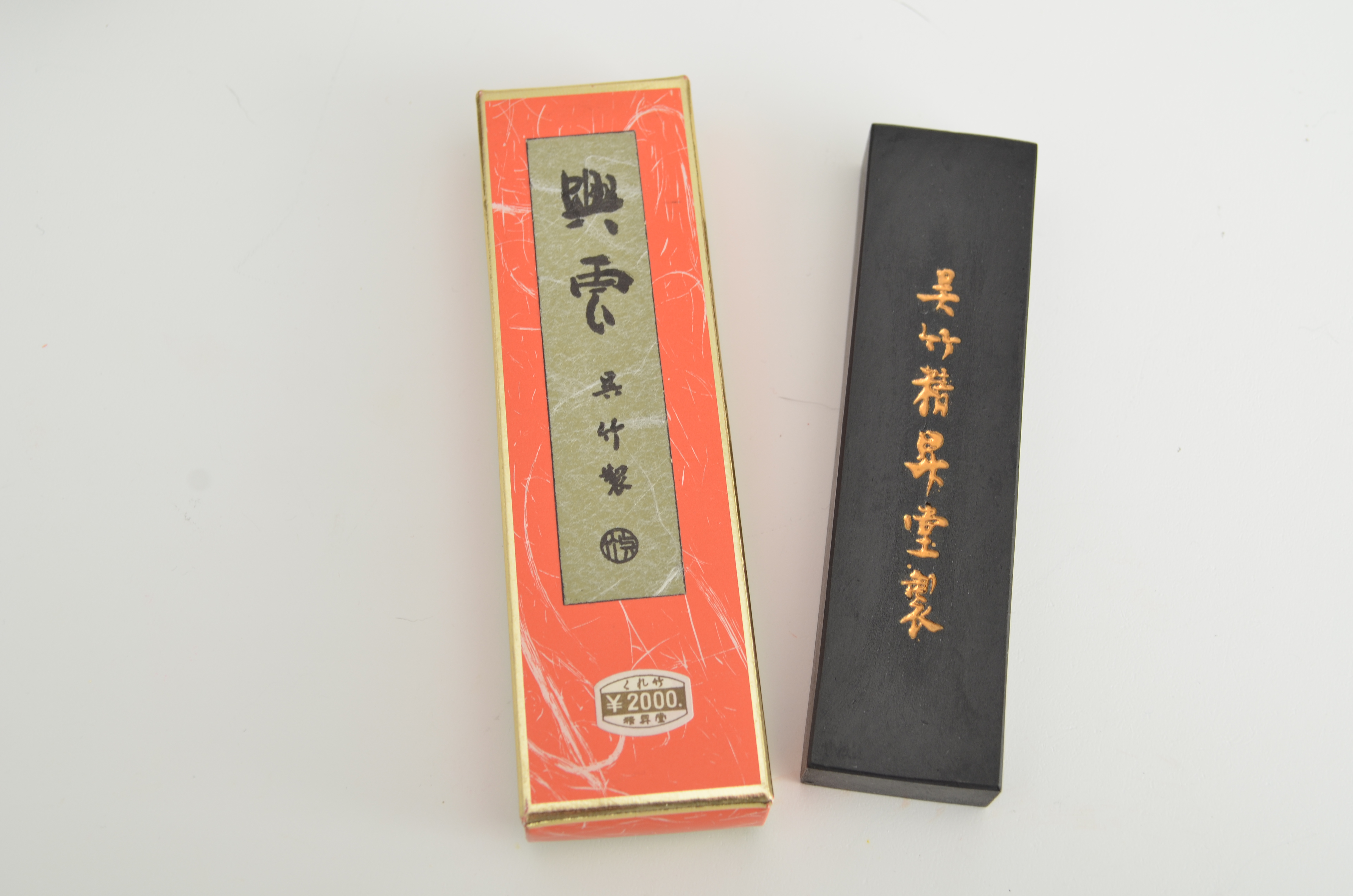
japanese calligraphyThe third treasure is ink. Traditionally, ink is ground from an ink stick before each calligraphy session. The stick (shown above on the right) is mixed with water and ground on an ink stone (spoiler alert: that’s the fourth treasure and I’ll be talking about it on Monday). Just like paper, the ink stick is made from natural materials. Pine branches are burned with natural oils and the soot is blended by hand with animal bone glue and made into the ink sticks. The kneading of the soot and glue requires great strength and the process has been handed down through generations. The sticks are dried and aged, then polished and decorated, like the one you see above. It is a slow process and, just like with paper, the seasons play a role in the creation of the ink. The humidity and temperature are critical to the drying and aging processes. japanese calligraphyThe ink sticks have a very earthy scent. They remind me of spring when the earth thaws and you can smell the soil again. I’ll talk more on Monday about grinding the ink stick and making the ink. japanese calligraphyAll of the ink sticks I’m sharing on today’s post are from Naoto’s aunt’s collection. I do not believe any of them have been used. (I’ve been using an ink stick I picked up at Blick’s when I took the art class.) The one above is my absolute favorite. There is a gorgeous scene on both sides. japanese calligraphyjapanese calligraphy, sumi-eI really want to display that one in our home somehow. It seems like a shame to leave it in the closet it its box… I would like to use the ink stick in the middle to see how it compares with my current ink stick.

You can also buy bottled ink for sumi-e painting and calligraphy. The bottled ink is convenient because you don’t have to make your own ink every time you want to write. It is also more consistent since the bottlers are using a “recipe” that you could never perfect by grinding your own ink at home. However, by buying bottled ink, you lose some of the sheen and nuance that come from the ink stick. And, as I’ll talk more about on Monday, there is a mental preparation that comes only from grinding the ink. Sometimes it pays to take the long road.

Tagged , , , ,

The Four Treasures: Paper

Mulberry paperMost calligraphy paper is made from mulberry, though some are made with gampi or mitsumata (both Japanese bushes). Paper makers use the seasons to guide their making because temperature and humidity affect the fibers of the paper, which in turn affects the way the ink absorbs into the paper. I love that the process is so reliant upon nature…

Since paper is natural and doesn’t last forever, it adds a bit of wabi-sabi, beauty in impermanence and imperfection, to the practice of calligraphy.

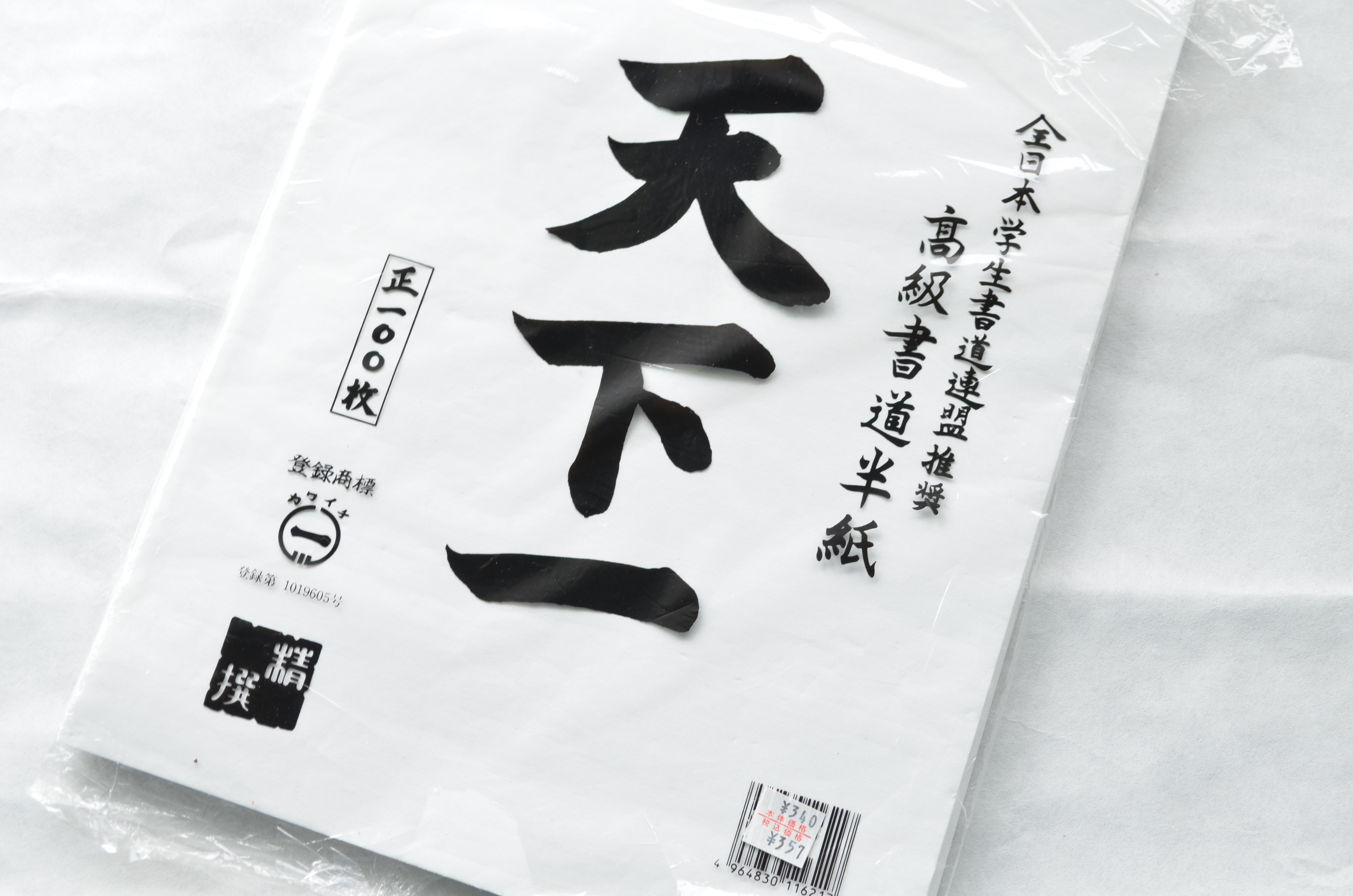
This paper is from Naoto’s aunt’s collection. It is washi paper, but it is not so precious that it needs to be saved for special occasions. When we did our calligraphy practice last week, we used plain printer paper (just because we have an endless supply of that and no printer). Once I got a little bit better, I tried writing on the washi…the brush moves more beautifully and the ink absorbs much differently than on printer paper.

Update: Naoto found a calligraphy class in Tokyo for me! I am so excited! Hopefully I will have a follow-up to the Four Treasures series soon!  

Tagged , , , ,

The Four Treasures: Brushes

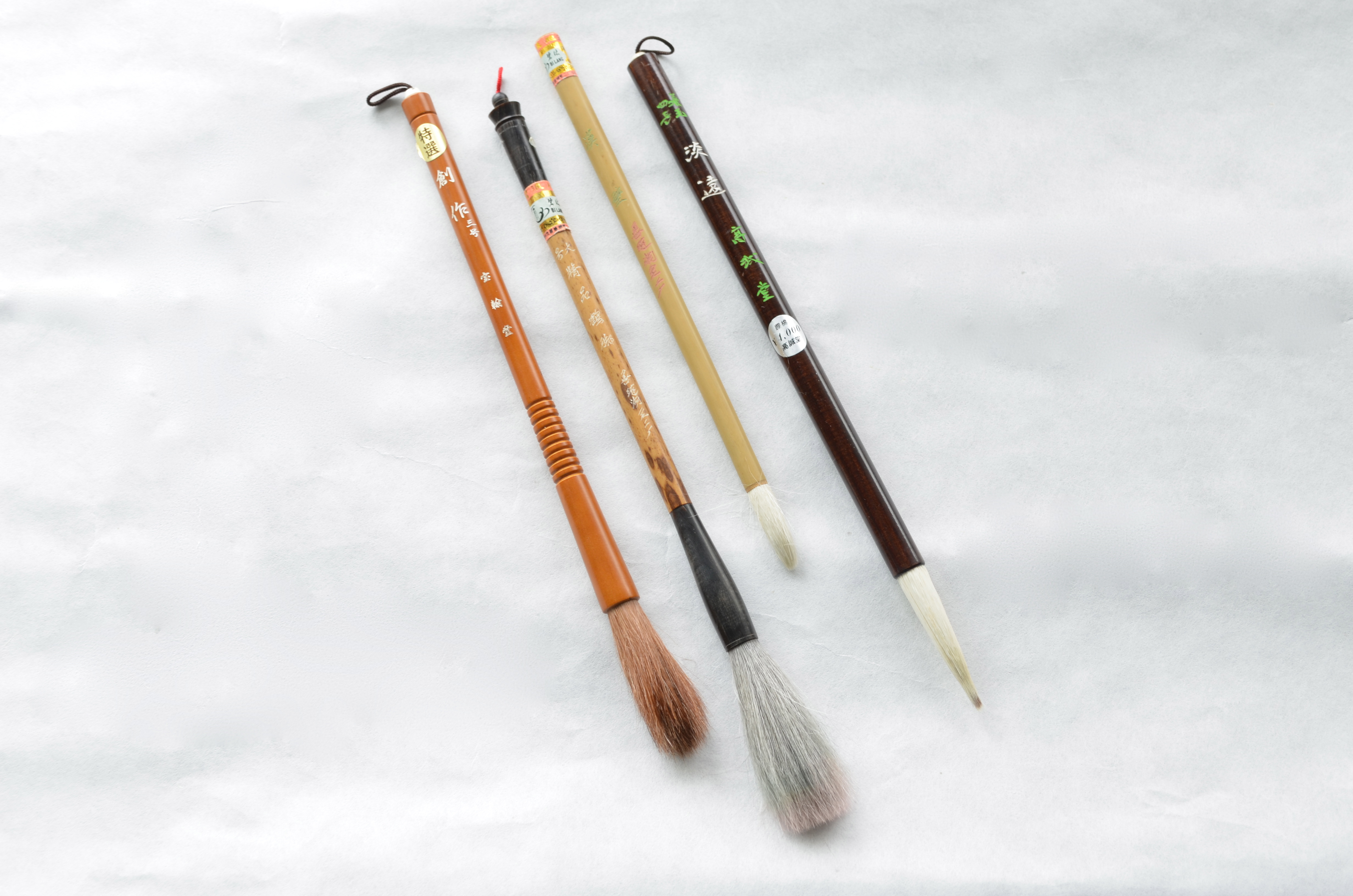
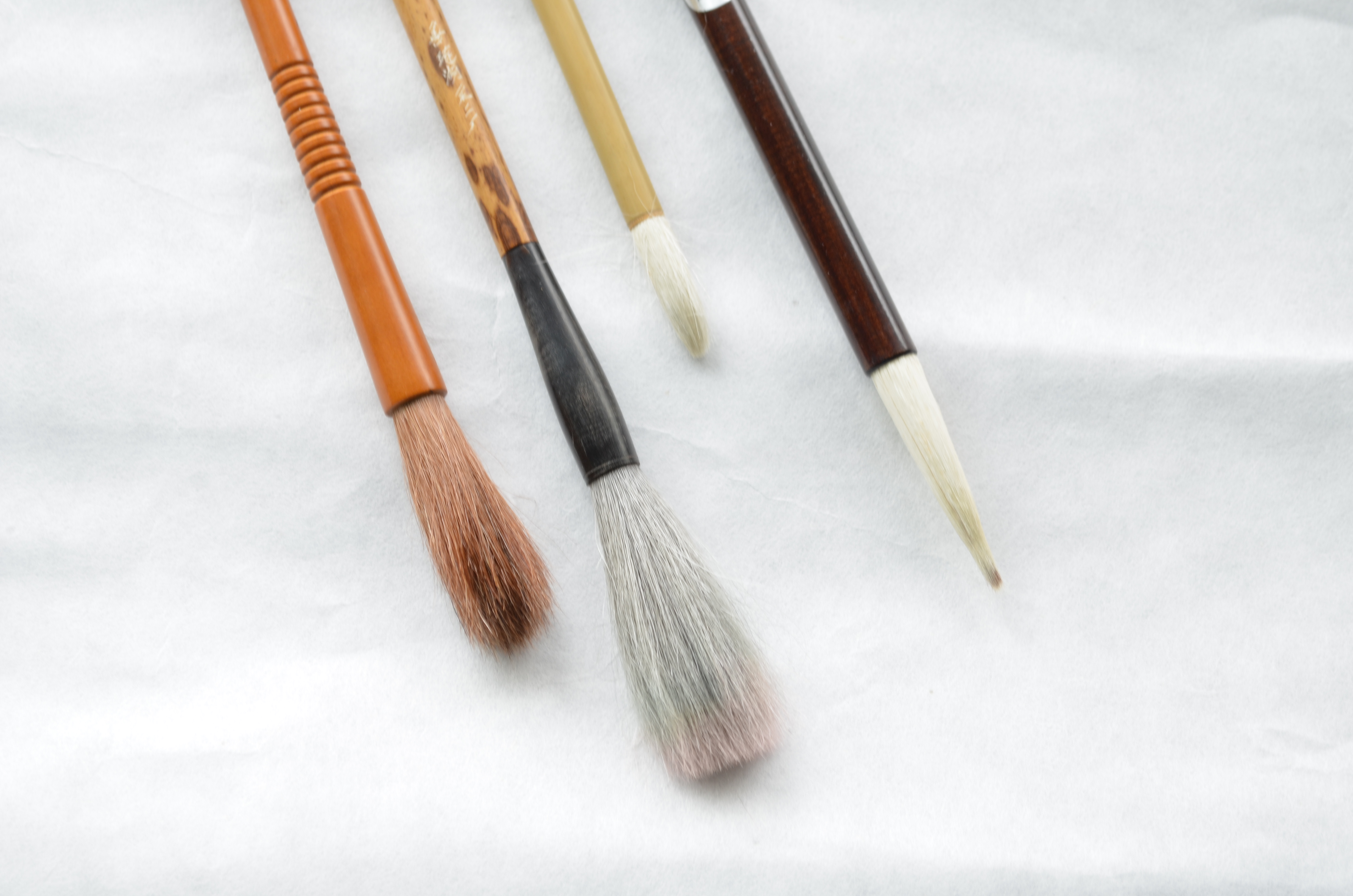
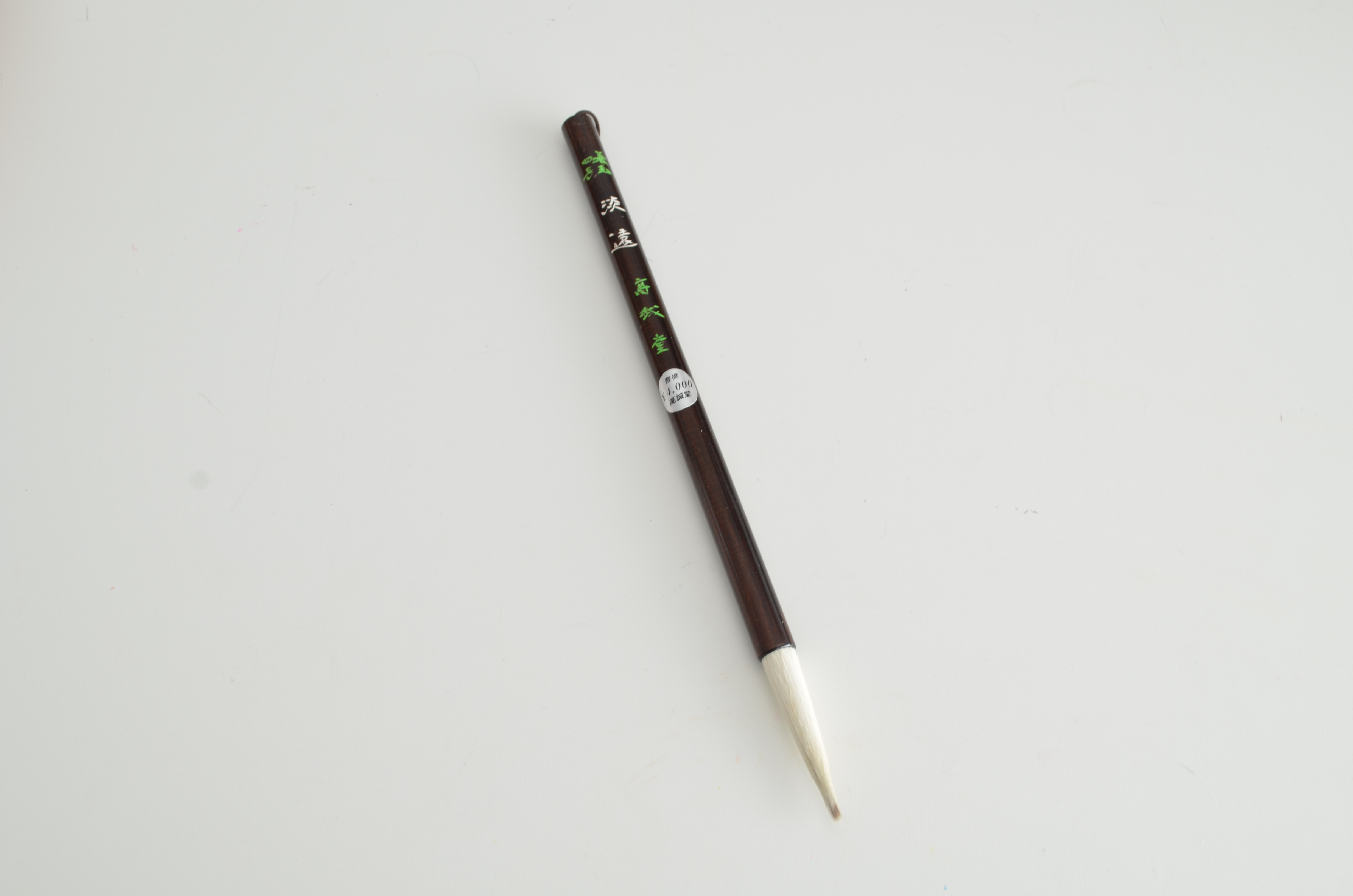
Japanese Calligraphy BrushesThe first and most important of the “four treasures” of calligraphy is the brush. The brush is an extension of the calligrapher. It is said that the writing comes from the calligrapher’s soul, rather than from the stroke of the brush. I think this is a crazy beautiful sentiment, even though, from looking at my brushstrokes, you can tell my soul is intensely nervous and unsure about calligraphy. A calligraphy brush is held much higher on the handle than a “normal” paintbrush. The thinking behind this is that the calligrapher isn’t controlling the brush, but kind of letting the image or the strokes come from within. So much about Japanese calligraphy and sumi-e is about centering the inner self and being at peace and not having control. I think this is why I find it so beautiful yet so frustrating. (I like control.)Japanese calligraphy brushesNaoto’s mom gave us several brushes from his aunt’s collection. Some of them are very worn…the ones with bushy bristles aren’t really useful anymore because to do calligraphy well, the brush ends need to come to a nice point. I still use the bushy brushes to do color washes when I’m playing around with watercolors. (Although, I’ve recently learned a calligraphy brush should never be used with anything but calligraphy ink because the bristles are chosen and made to work with those specific inks. Other inks can spoil the bristles. But, since these particular brushes are no longer useful in the calligraphy world, I think it’s nice to use them for something else.) japanese calligraphy brushThis particular brush is my favorite. I love its dark wooden handle. It’s a lovely brush that has never been used. Naoto discouraged me from using it (he and I both suffer from a fear of using lovely things) until now. I’ve been doing some research on how to prepare a new brush and how to care for a brush properly so I can make sure this one can be used for a long time. Once I feel properly informed and responsible, I’ll start using it.

Tagged , , , , ,

Family Calligraphy Tools

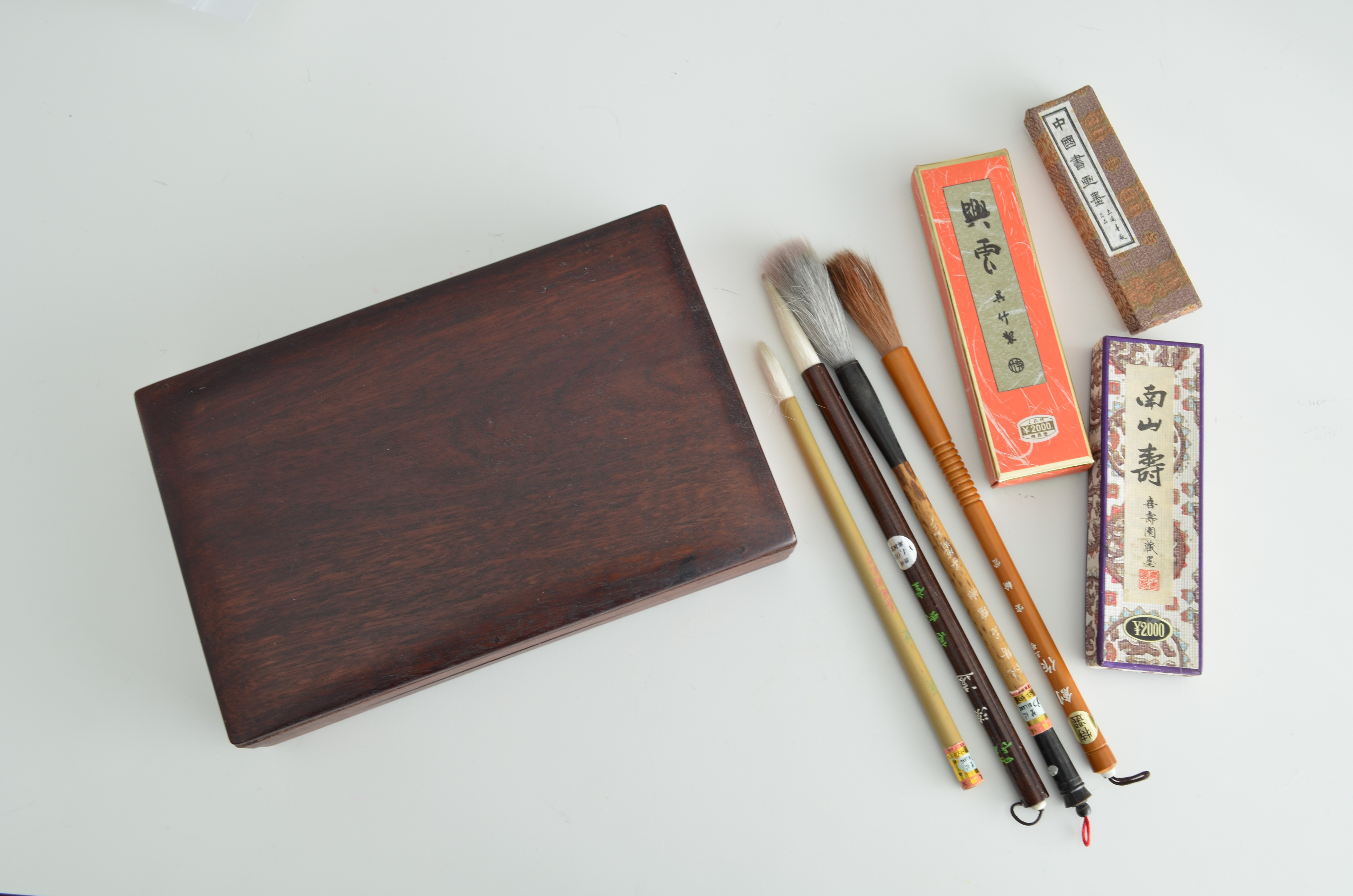
japanese calligraphy toolsThe first time we went to Japan together, Naoto told his mom that I’d taken an art class and was introduced to sumi-e painting. Sumi-e is “ink wash painting” using only black ink and simple brush strokes. The goal is to interpret an object with the fewest strokes possible. For example, you wouldn’t draw a cat and include all of its fur and whiskers and stripes and claws. You would convey the feeling of the cat, maybe its shape and its curiosity (perked ears for example). When I first learned about sumi-e, I was really excited. I am terrible at drawing, so I thought it would be easy to do these simple line paintings of things… Oh no…not easy at all. “Capturing the essence” is majorly difficult and controlling the brush to get variations in the depth color in the black ink is frustratingly challenging. But it’s fun to try…

Back to my mother-in-law…when Naoto told her about my sumi-e painting, she went into her closet and brought out the supplies pictured above. Her sister had been a calligraphy teacher and she left all of her calligraphy tools in her care. Sumi-e and calligraphy use similar tools and so Naoto’s mom gave them to me. I feel honored and humbled to have these tools in my possession…I know I will never be able to use them to their potential, but again, I can try…

The basic calligraphy tools are known as the “four treasures” (paper, inkstone, ink and brush). For the rest of the week, I will be sharing more about these tools and what makes them so special.

Tagged , , , ,

Japanese Calligraphy Lessons

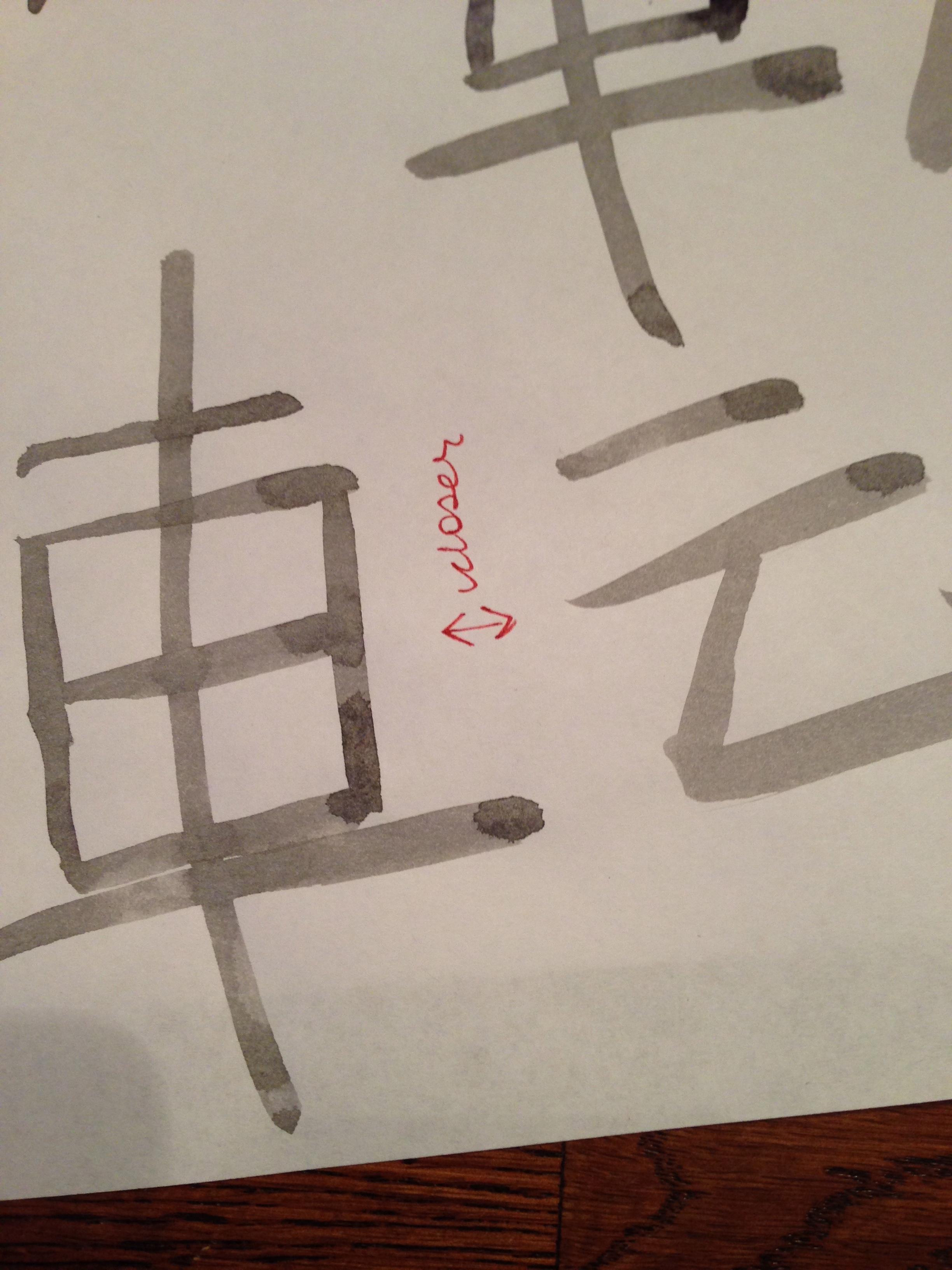
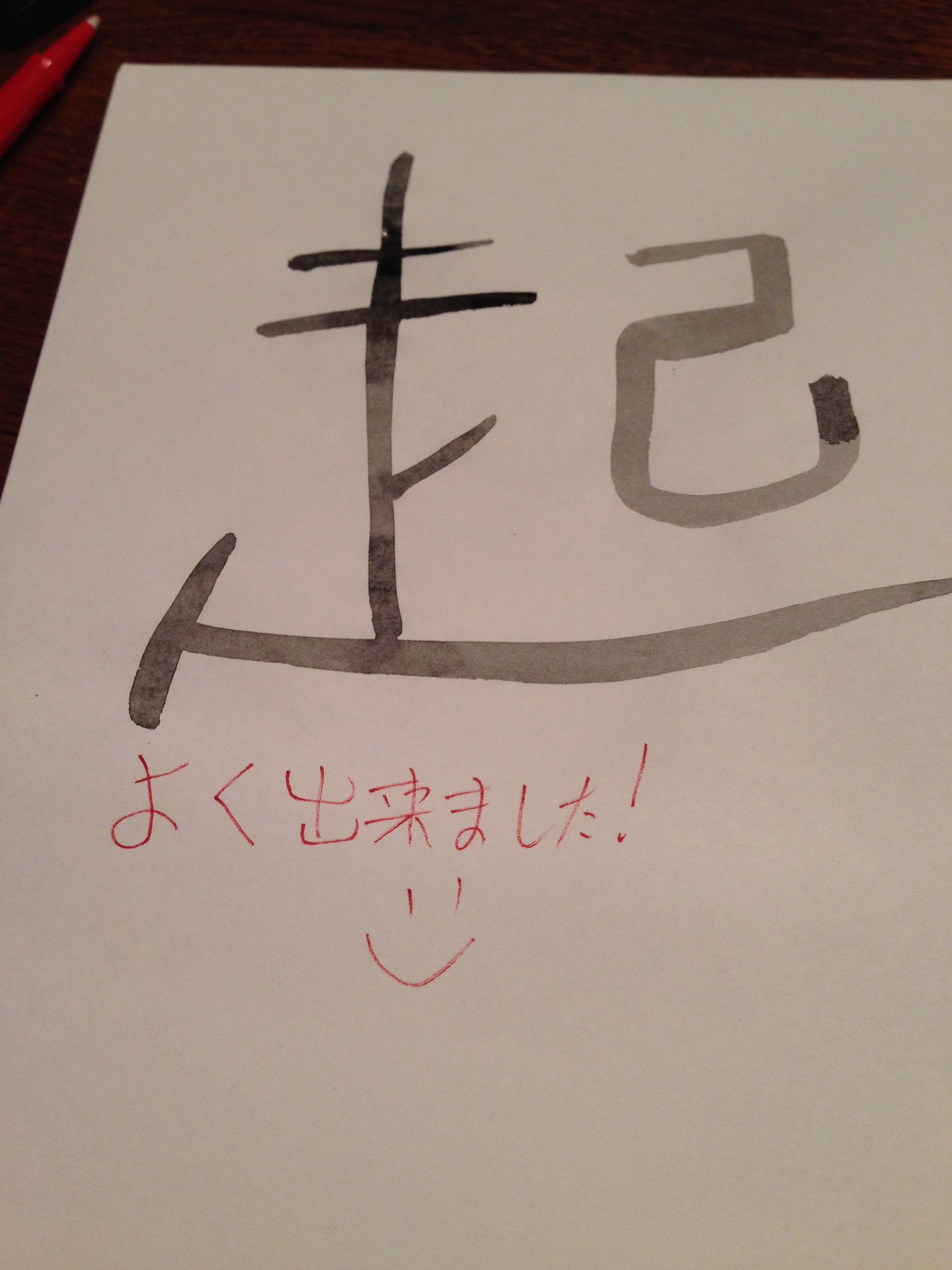
Japanese calligraphyI’ve had a phrase stuck in my head for awhile now that I’ve been wanting to write in Japanese calligraphy. The trouble is, I don’t know how to write Japanese characters and Naoto–my live-in teacher–works all the time. So when he came home from work unexpectedly early last Thursday afternoon, I jumped at the chance to break out my calligraphy supplies. Naoto was really excited. (Not really, but he was a good sport…and in the end, I think he had a good time, too.) japanese calligraphy practiceNaoto gave me tips on making my characters look better and left me with a good reference to work from. Over the weekend, I put away the brushes and inks and instead practiced with markers. I need to focus on confidently forming the characters so that eventually I will be able to focus on controlling the brush strokes. It’s a lot harder than it looks! Naoto makes it look so easy–it’s not!! japanese calligraphy lessonsEven though my characters were far from perfect, Naoto wrote encouraging messages on my work and we have another lesson planned soon.

Tomorrow, I’ll share a little bit about our calligraphy supplies. Most of them are handed down from Naoto’s mom whose sister was a calligraphy teacher.

Tagged , , ,

Cocktail Perfected: The Colony

colony cocktailAfter I tried the Colony at Tradition in San Francisco, I was eager to make one at home. I am a sucker for a gin cocktail. One that includes maraschino liqueur? Even better.

In a moment of desperation, I tried this with bottled grapefruit juice. We had it in the fridge and no real grapefruits and I was excited to try the cocktail…bottled juice (no matter the quality) is never a replacement for the real stuff, freshly squeezed straight from the fruit. One big grapefruit yielded enough juice for five cocktails…perfect for a little party.

Colony Cocktail

1 1/2 oz gin (I used Aviation.)

3/4 oz freshly squeezed grapefruit juice

2 teaspoons maraschino liqueur (I used Luxardo.)

Add everything to a cocktail shaker filled with ice. Shake well and strain into a cocktail glass or a coupe. Garnish with a grapefruit twist (or not…Naoto cleaned up the fruit mess too quickly!)

Enjoy with friends while watching the Oscars on a cold and snowy night. Think of the Colony as a little shot of Vitamin C for the long, long winter.

Japan Does It Better 9: Hygiene Masks

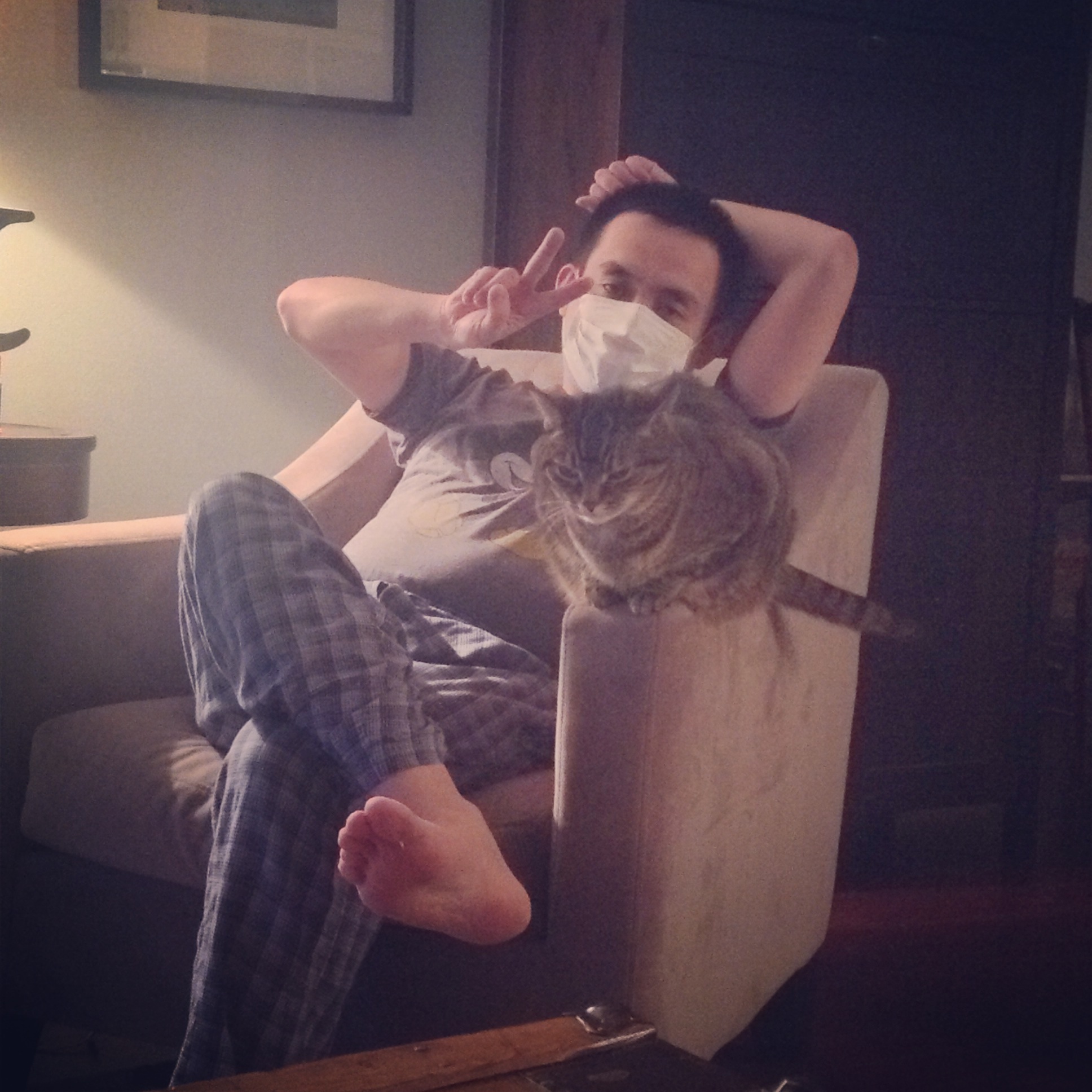
Japanese hygiene maskWhen you are out and about in Japan, it is not uncommon to see people wearing surgical or hygiene masks in public. The first time I saw this, I thought that the people wearing the masks were recovering from serious illnesses and protecting themselves from germs. And while some people do wear the masks for this reason, most are wearing them out of courtesy for others. In Japan, if you have a cold, you sport a hygiene mask so that you don’t spread the germs to your fellow commuters, coworkers and family members. As a frequent rider of the subway in Tokyo, it gave me great comfort to see the hygiene masks on the train, especially during rush hour when I was commuting face-to-face with my fellow passengers!

Do they really work? As far as keeping cold germs in, it seems they do. (Maybe they actually work, or maybe it’s human nature to back away from the ill mask-wearer…) But wearing one for protection isn’t very effective. Naoto is a good example of this. On our flight home from Japan in 2011, he wore a hygiene mask and I didn’t. He was sick for a week.

Naoto has a box of masks in the closet. He wears them around the house when he has a cold so that I don’t get sick. Thankfully, he rarely gets sick and when he does, the mask keeps me safe from his germs. (Knocking on wood…)

So, courtesy with colds…another reason Japan Does It Better!

P.S. When I write these posts, I base them off of my experience with Japan and I do a bit of Googling to see if there is anything interesting to add. My “research” led me down a surgical mask information vortex. (Feel free to click on the links for the full stories.) It turns out that some people wear the masks to avoid social interaction, to disguise the fact that they are not wearing make-up, to disguise the fact that they haven’t shaved and (the best!) to feign a cold so they don’t have to go out drinking with their bosses after work!

And, an NPR story, just for good measure.

For the rest of the JDIB posts, click here.

Tagged , ,

Scenes From Hasegawa Happy Hours-February Edition

north shore citrus vodkaI feel like I slacked off a little bit on Hasegawa Happy Hours in February and I need to raise the bar back up to January standards. The big excuse: Naoto was dry for the month of February, so I didn’t feel a lot of motivation. But Hasegawa Happy Hours are supposed to be more about companionship and trying new homemade snacks and appetizers (along with the cocktails!), soI guess there is no excuse. 

The first week, Naoto was starting to get sick, so I made him lemon tea and I made myself a Winter Solstice. (I’m sharing the recipe below because the North Shore Distillery changes up their cocktails with the seasons and I’m afraid it won’t be around if you are interested in making it. All credit goes to North Shore for this one!)

Winter Solstice 

1 1/2 oz Sol Chamomile Citrus Vodka

1/2 oz Spiced Honey Syrup*

6 oz lemon tea (I used a bit more tea…for a lightweight cocktail)

Add Sol and honey syrup to a mug, top with hot tea. Stir, and garnish with a slice of fresh lemon. (I used an orange because that’s all we had.)

*Spiced Honey Syrup (also from North Shore Distillery)

1 cup honey

1/2 cup water

1 teaspoon cinnamon

1/2 teaspoon cardamom

1/4 teaspoon ginger

dash of allspice

Heat all of the ingredients in a saucepan, stirring often. Once honey is dissolved, remove from heat. Allow to cool completely before using. Store remaining syrup in a jar in the refrigerator.

The Winter Solstice was warm and cozy…the spices in the honey syrup were the the perfect complement to the citrus vodka. In a winter that seems to be never-ending, it’s nice to have a hot cocktail to comfort the snow away.cocktail from annabellesThe next week, I was in San Francisco eating with friends at Annabelle’s. I had a Brooklyn Cocktail. colony cocktail and oolong teaThe next week, I was experimenting with the Colony (recipe coming this week!) and Naoto was happily drinking oolong tea. amelia's bloody double rye manhattanAnd, for the final February HHH, I made Naoto take me to Amelia’s (one of our favorite restaurants in Forest Park) for dinner and drinks because I knew it was the last time I could count on him to be the designated driver. Amelia’s makes a really tasty Bloody Double Rye Manhattan that uses Leopold’s Michigan Tart Cherry Liqueurit’s my favorite. They also make amazing roast chickenit’s a win win. 

So, I have two Hasegawa Happy Hours to plan before we leave for Japan. And while we are in Japan, I think every night will be Hasegawa Happy Hour…hopefully I will have some good cocktails and snacks to share next month!

Have you been drinking anything interesting lately?

Tagged ,

Presley Meets April

presley meets aprilApril and I “met” on Twitter when she began commenting on Presley’s pictures. We starting writing each other letters and postcards shortly after that and we finally got to meet in person last month at Ex Postal Facto. April lives in New Zealand and she’s doing a bit of travel in the U.S., including Chicago this past weekend. Since she flew all the way from New Zealand, and because she is the Founder and President of the Presley Adami Hasegawa International Fan Club, we arranged a meeting between April and Presley on Saturday morning.

Of course, Presley was her aloof, suspicious, feisty self but she allowed April to give her a treat, throw her fetch ball and take her picture. We thought everything was going well until I threw a toy for Presley and in her excitement to chase it, she attacked April’s arm instead…(I’m so ashamed!) Sigh…

Thankfully April was a good sport and accepts Presley as she is…

marion street cheese market grilled cheeseAfter the meeting, we left Presley alone and went to the Marion Street Cheese Market for lunch and then headed into Chicago to visit Greerapril and kimberly at greerIn spite of the cold and snow, we had a really great time warming up and perusing all of Greer’s splendid offerings. I had to restrain myself a bit because of our upcoming trip to Japan, but I did manage to buy some really cute cat notecards.

Thanks to April for being such an easygoing visitor for Presley and happy travels throughout the rest of your travels!