Tag Archives: Japan

Maisen

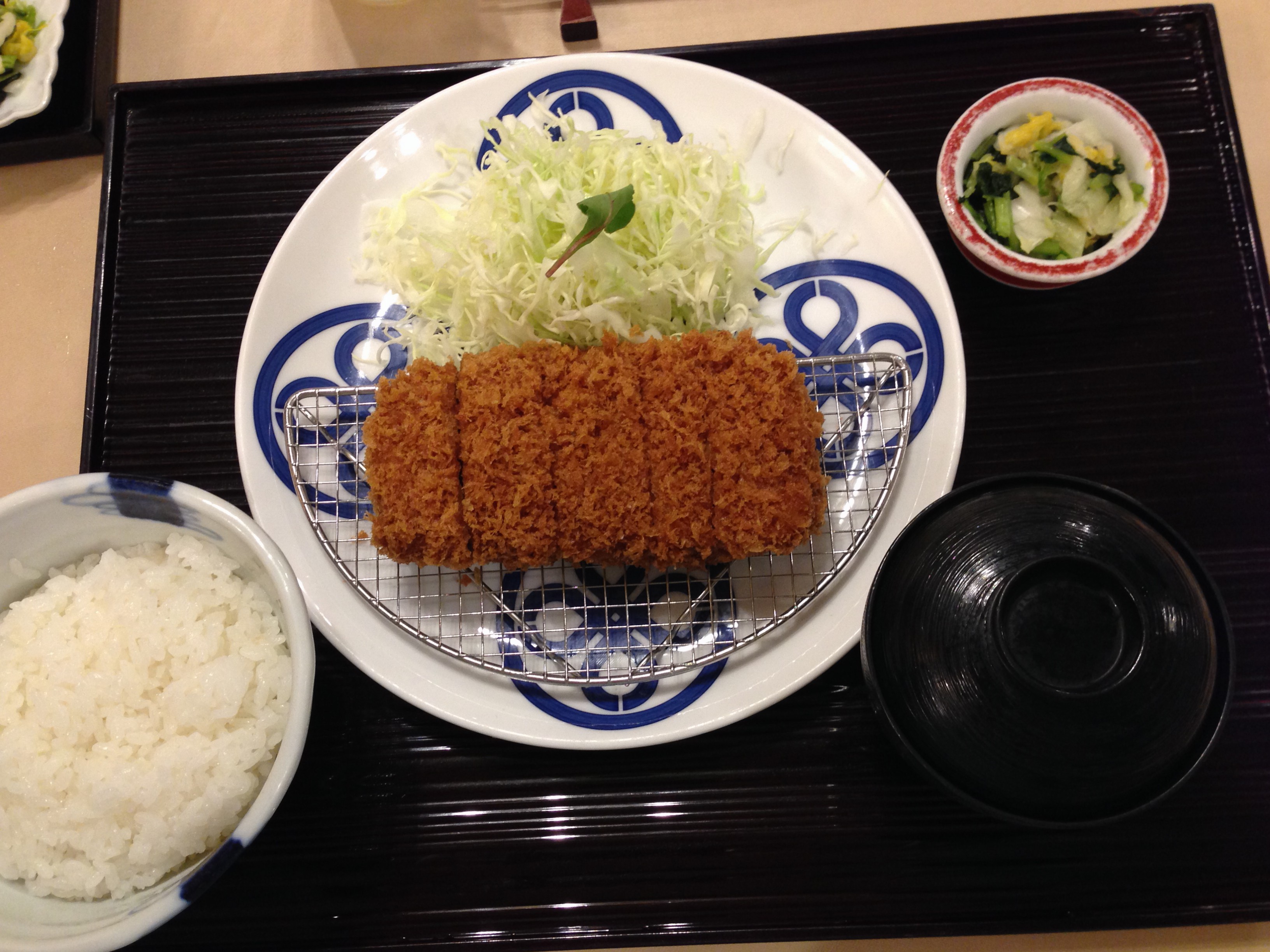
Maisen Tonkatsu MealOne of my favorite meals of our trip was the tonkatsu at Maisen. Maisen is an old and famous restaurant in Omotesando, the same part of Tokyo as the Bunbougu Cafe is in. Naoto’s sister, Hisae, took us there a few years ago and I’ve been dreaming of going back ever since. This time we made it happen.

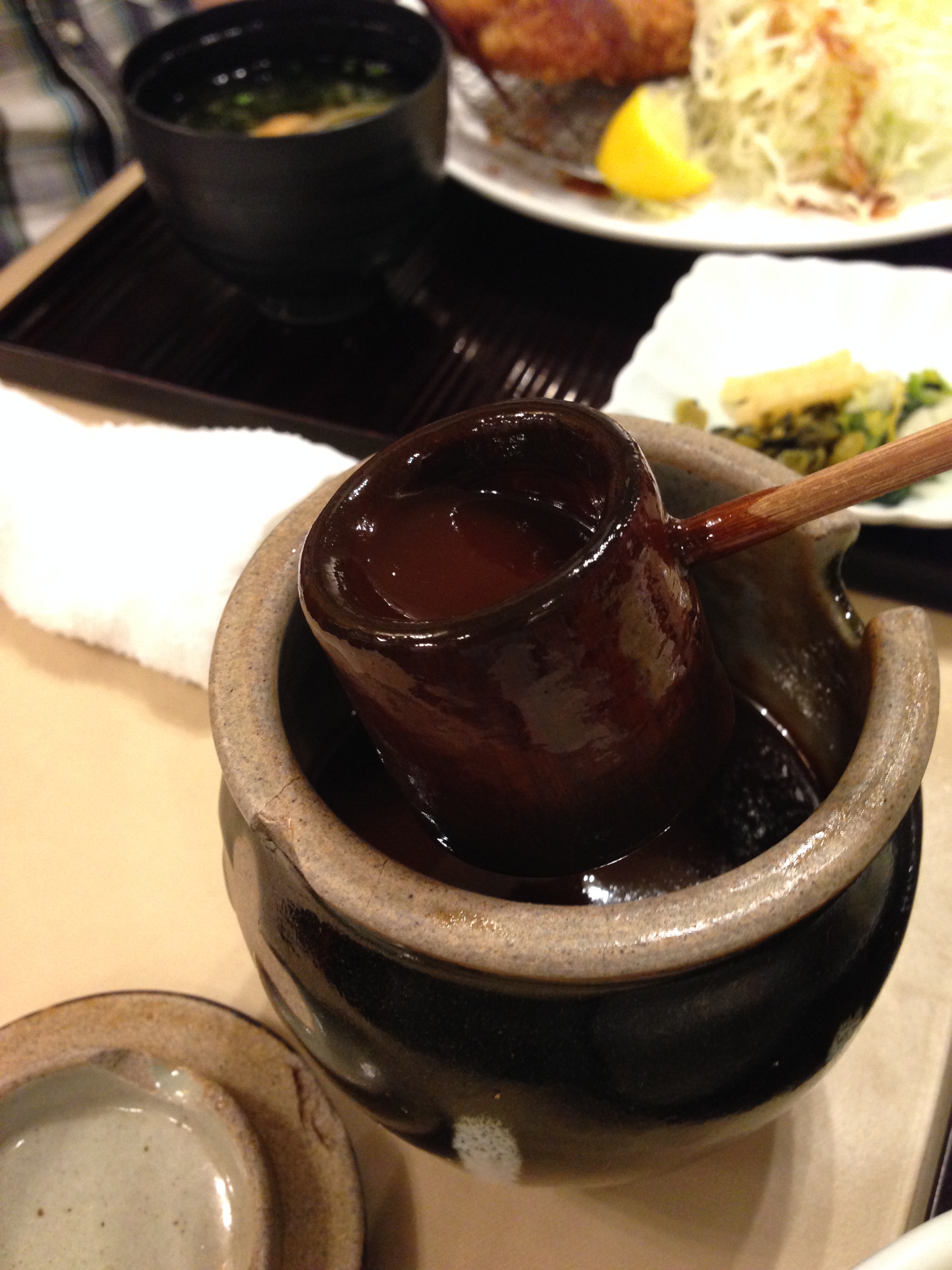
Tonkatsu is a fried pork cutlet (we had it at home for Christmas dinner once) with a delicious crust of panko breadcrumbs. At Maisen, it is served with miso soup, rice, pickled vegetables, and as much shredded cabbage as you can eat. (There are servers who walk around with giant baskets of cabbage, offering up refills throughout your meal.) I love that the tonkatsu is served on a little metal rack so the cutlet stays crisp until the very last bite. Maisen Tonkatsu SauceAnd the sauce!! The Maisen tonkatsu sauce is like a tangy barbecue sauce and it’s delicious on the pork AND on the cabbage. It’s similar to Bulldog Sauce (which is what we use on tonkatsu at home) but it’s richer and thicker.
The main part of the restaurant is a former bath house dressing room (you can see pictures here) but there are also several other rooms and counters for dining. The first time we ate here, we ate in the main room, which feels very spacious and light with its high ceilings and sky lights. This time, the hostess said something about English speakers and stuck us in what I assume is the part of the restaurant where the servers speak English. (There were other families in the room with English speakers, so I can only assume that’s why we were all sitting together?) The big room had better atmosphere but the food was just as delicious!

Oh, and my favorite silly part of Maisen is…they have a parking lot. It holds two cars. And there is a parking lot attendant. He’s not guarding the cars…Omotesando is a very nice neighborhood.  He just stands there and bows to you as you walk by. Oh, Japan.
Tagged , , ,

Naoberly’s Noodle Tour: Cup Noodles Museum

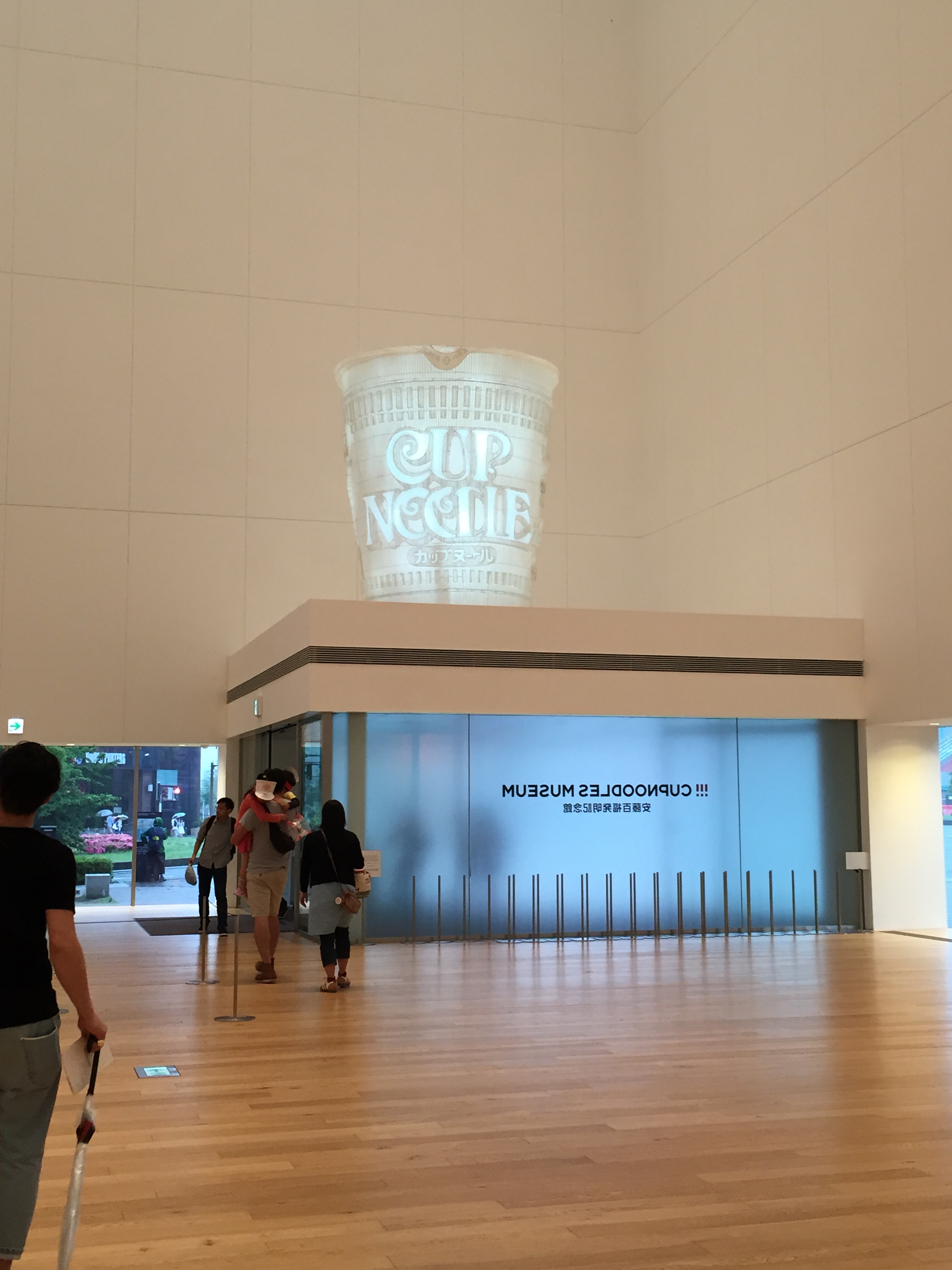
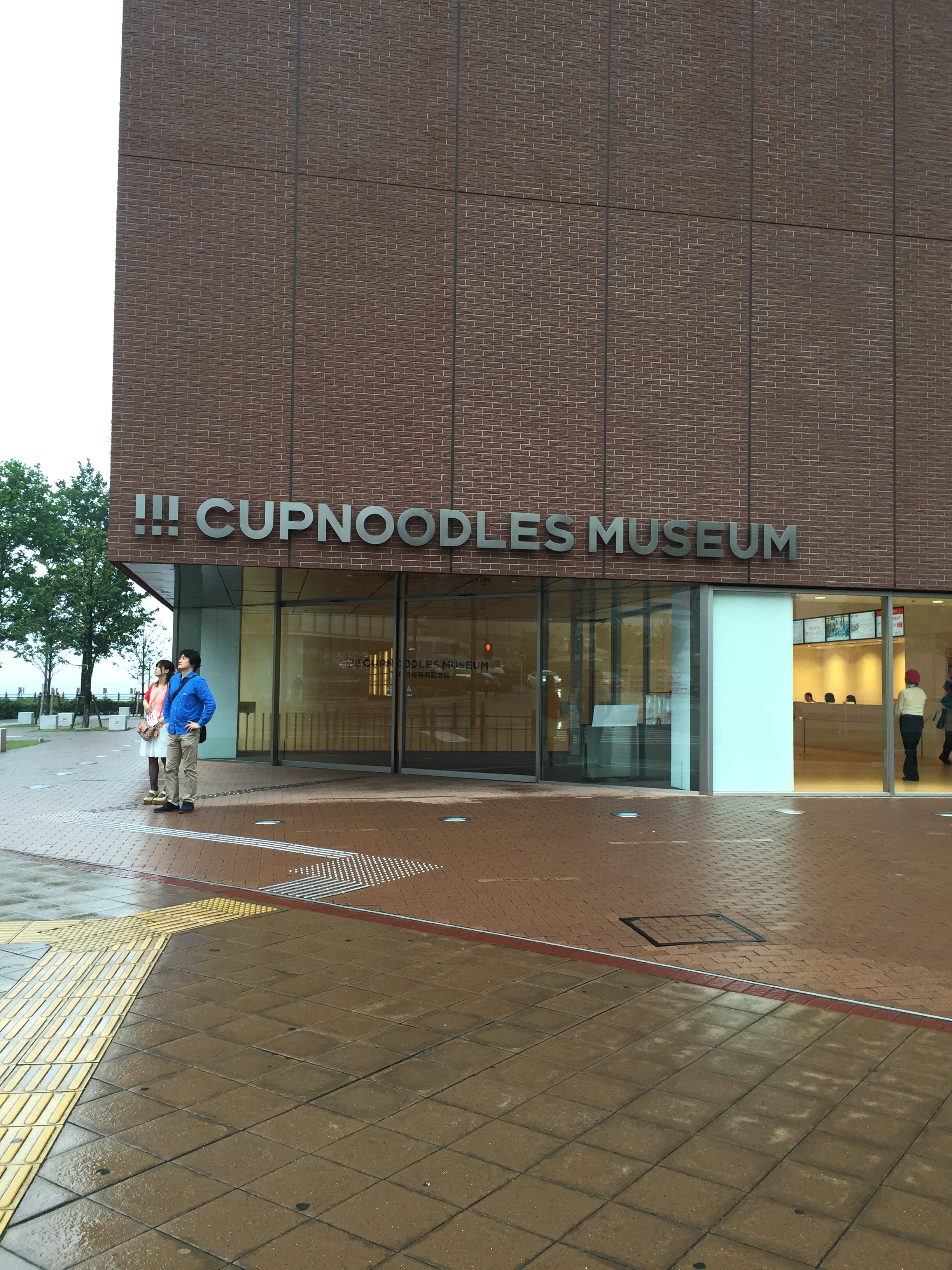
Cup Noodle Museum entranceBack to Japan

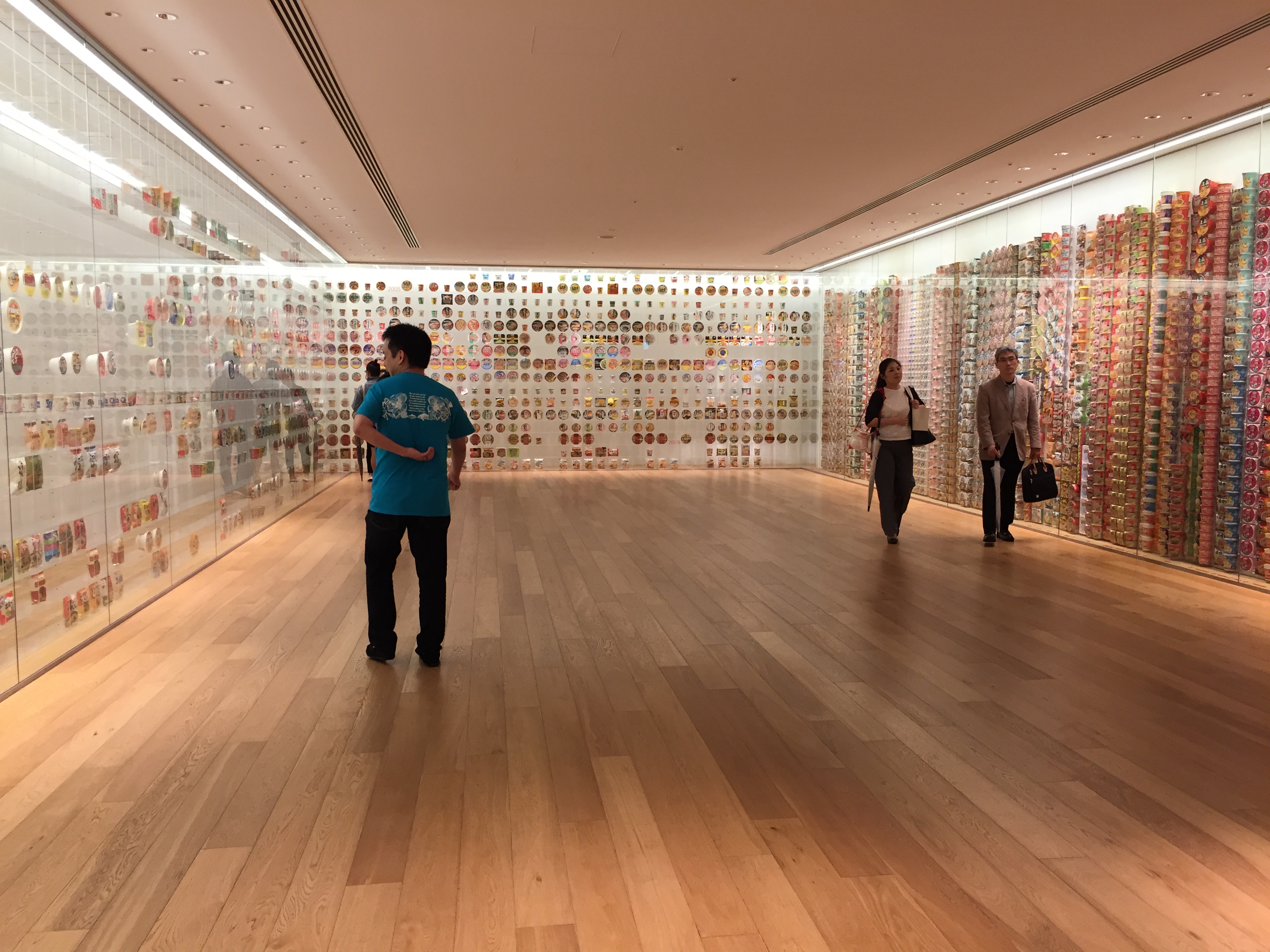
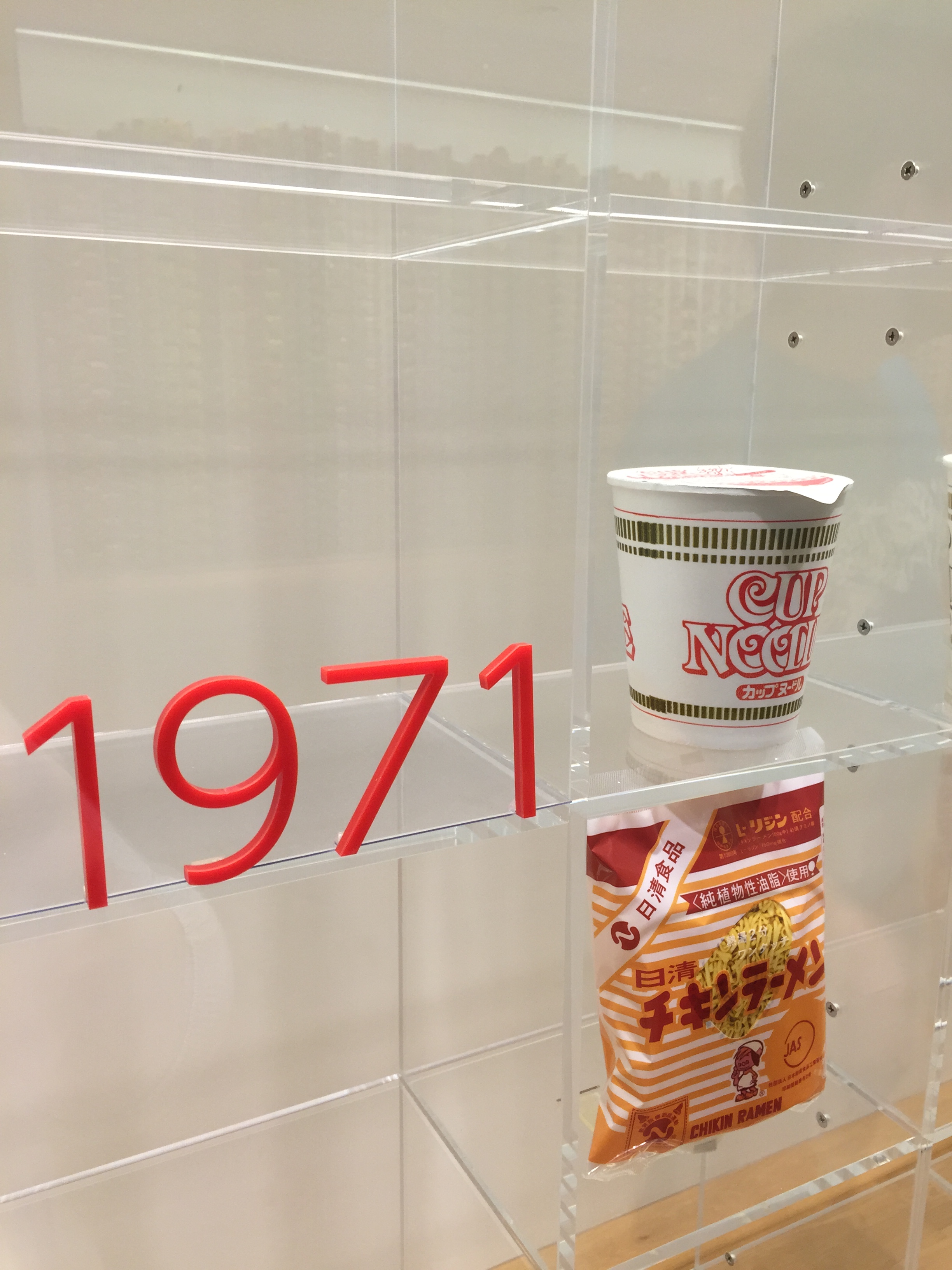
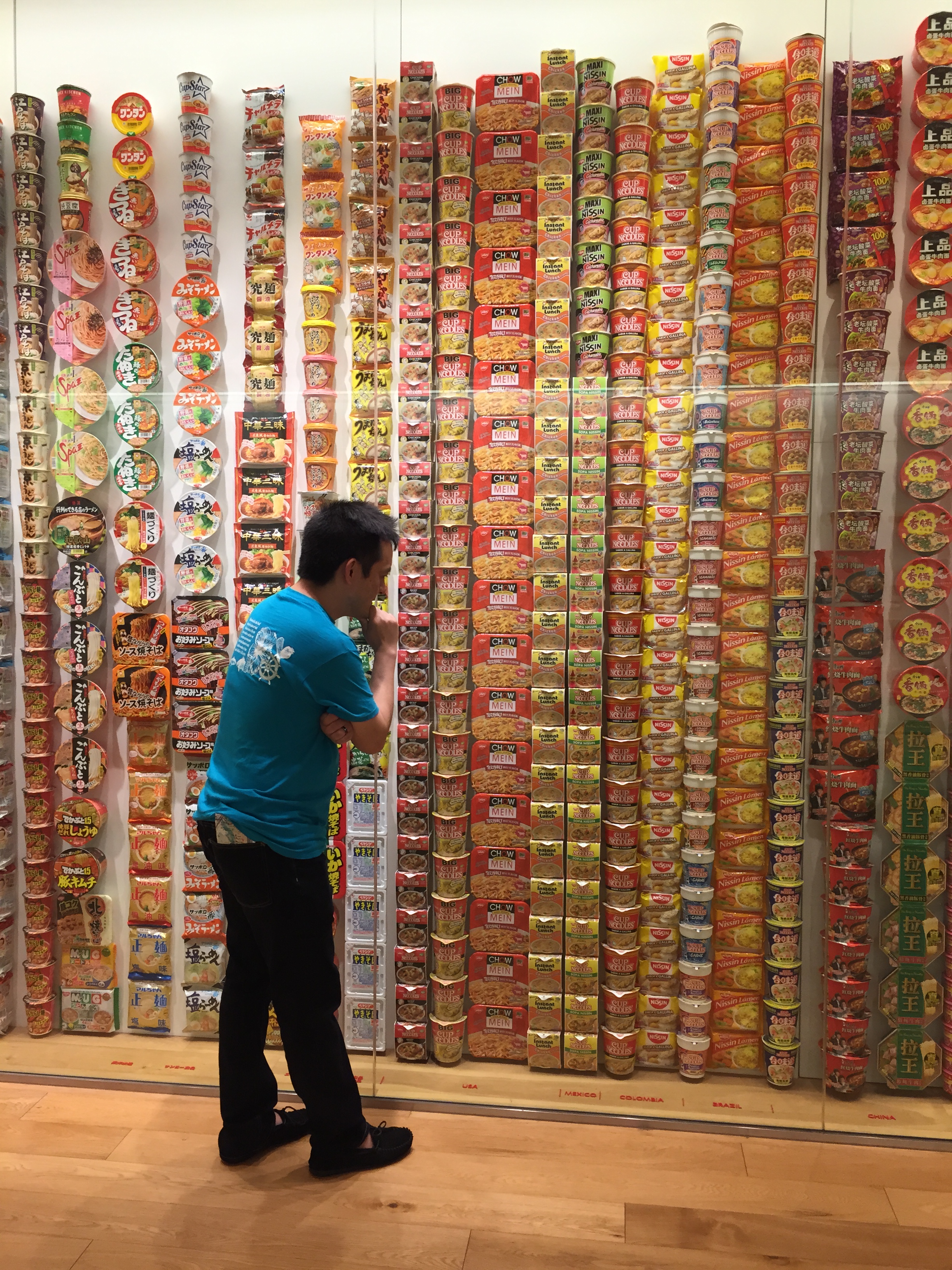
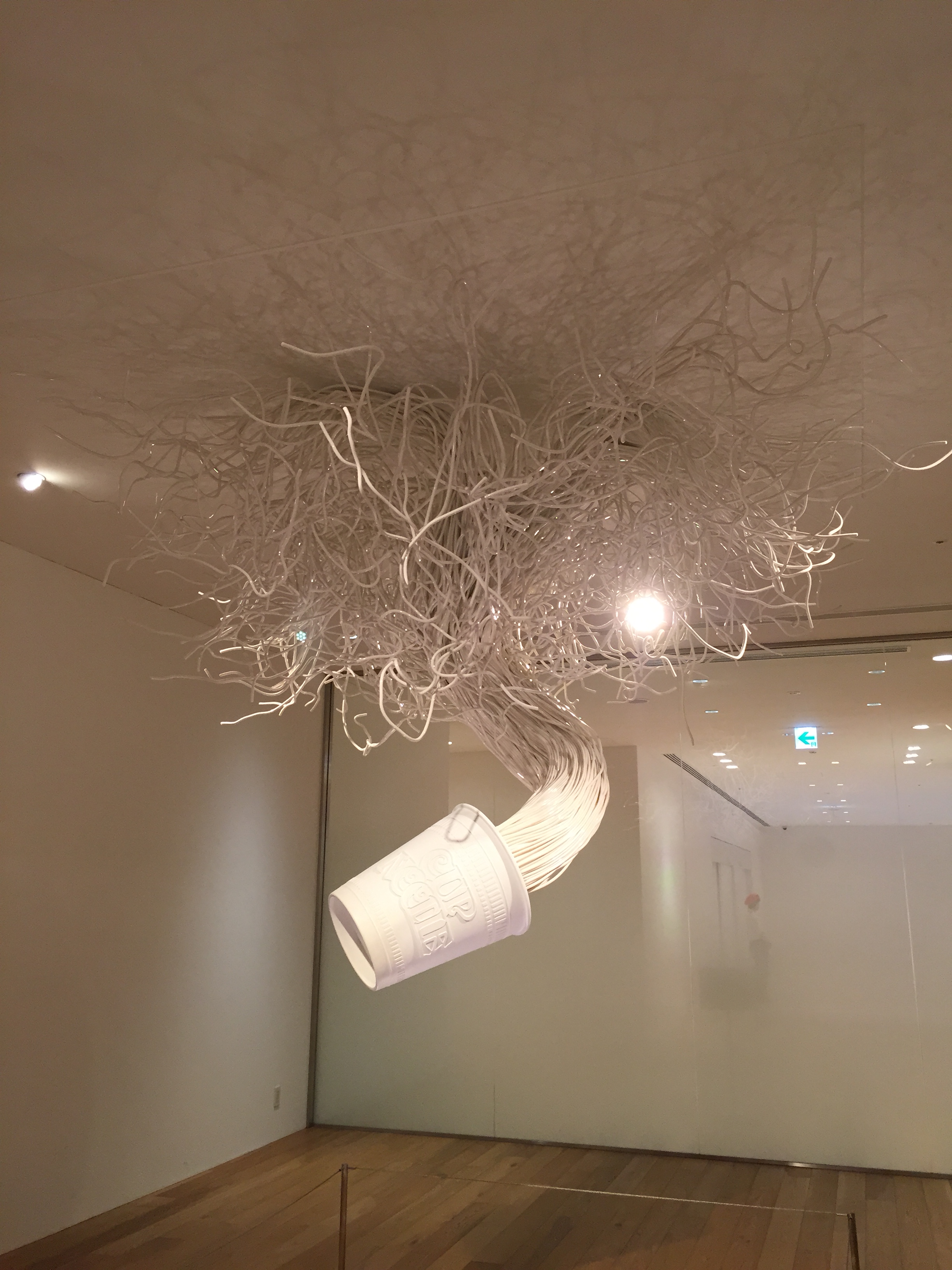
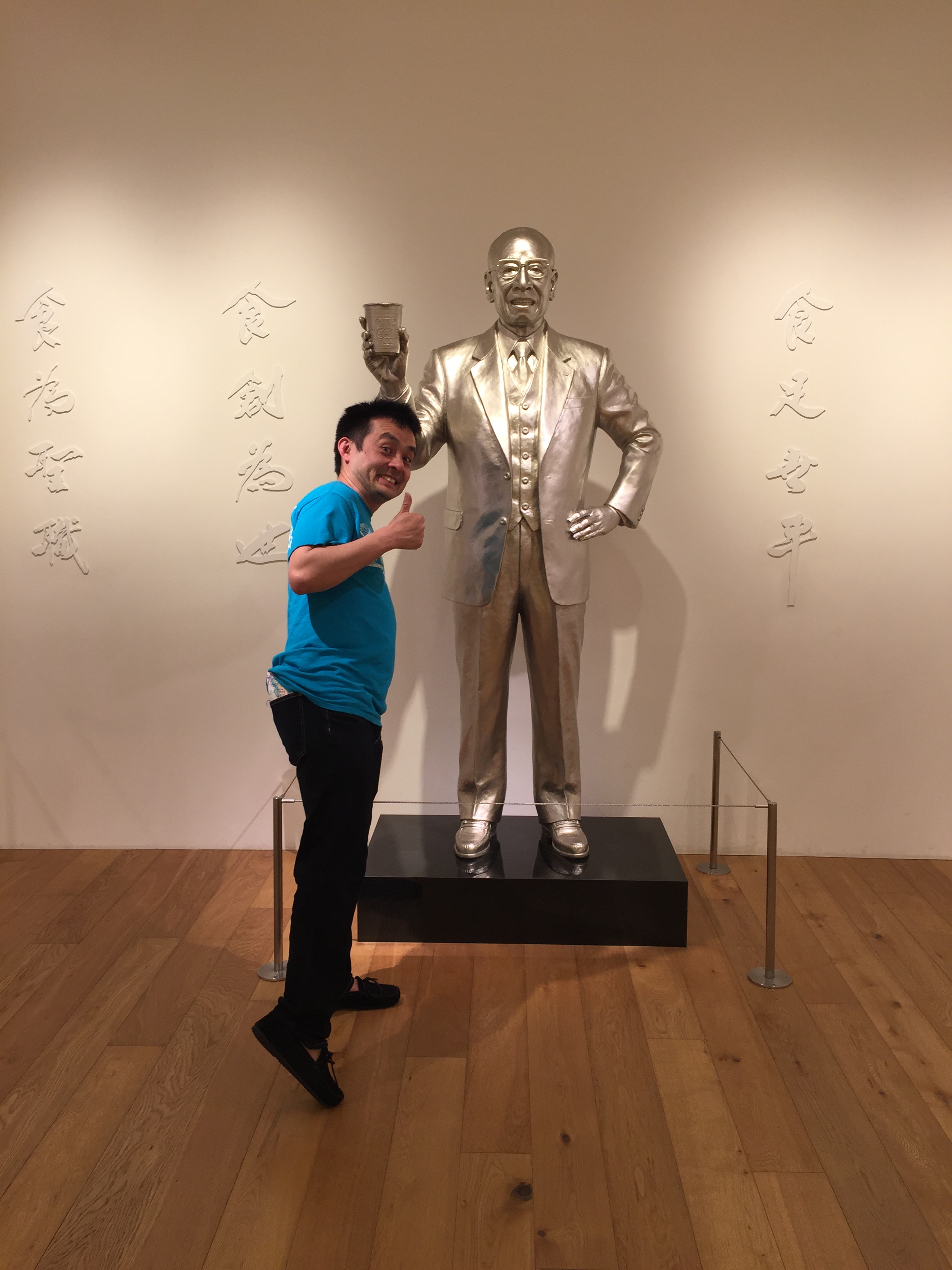
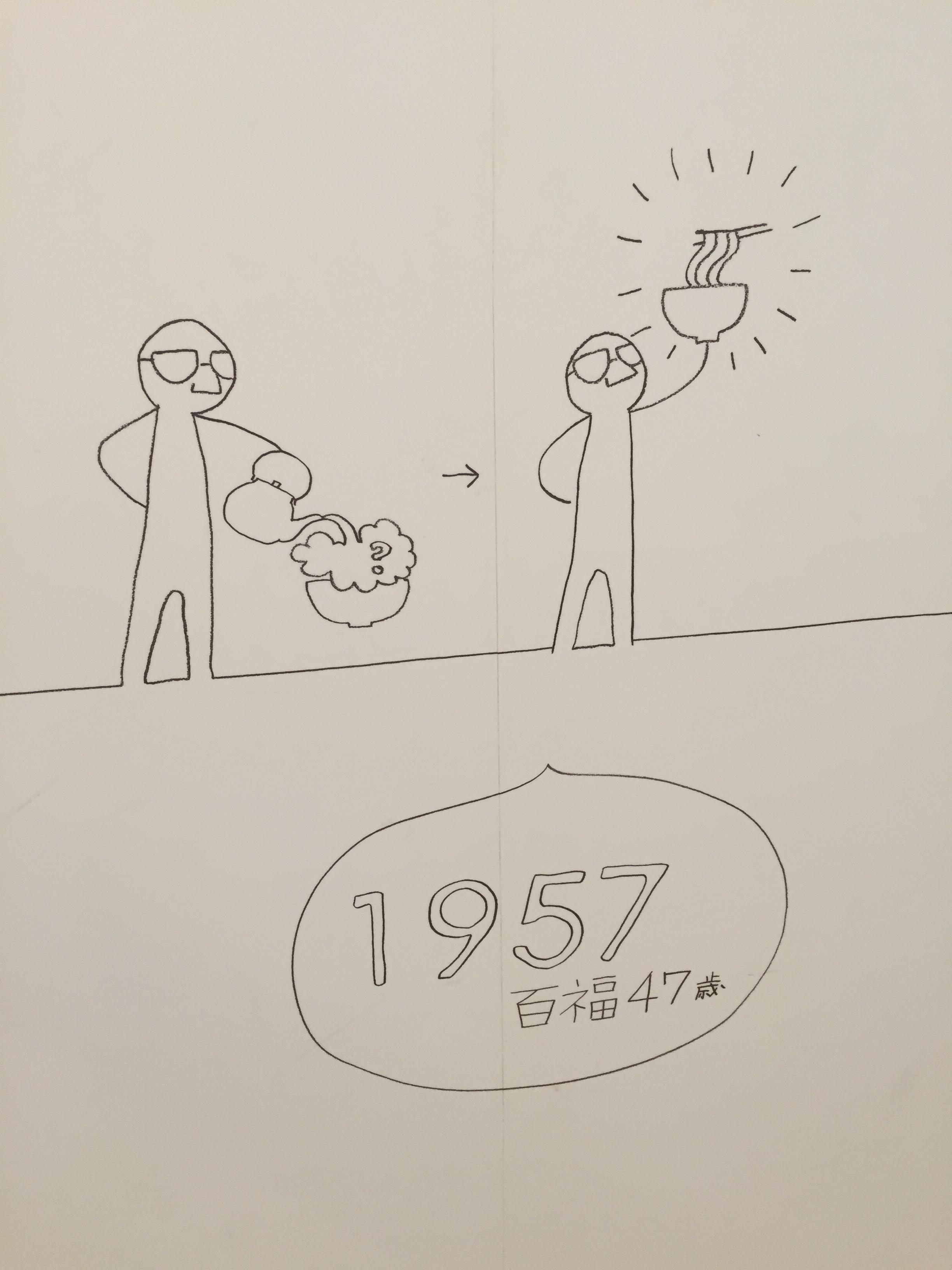
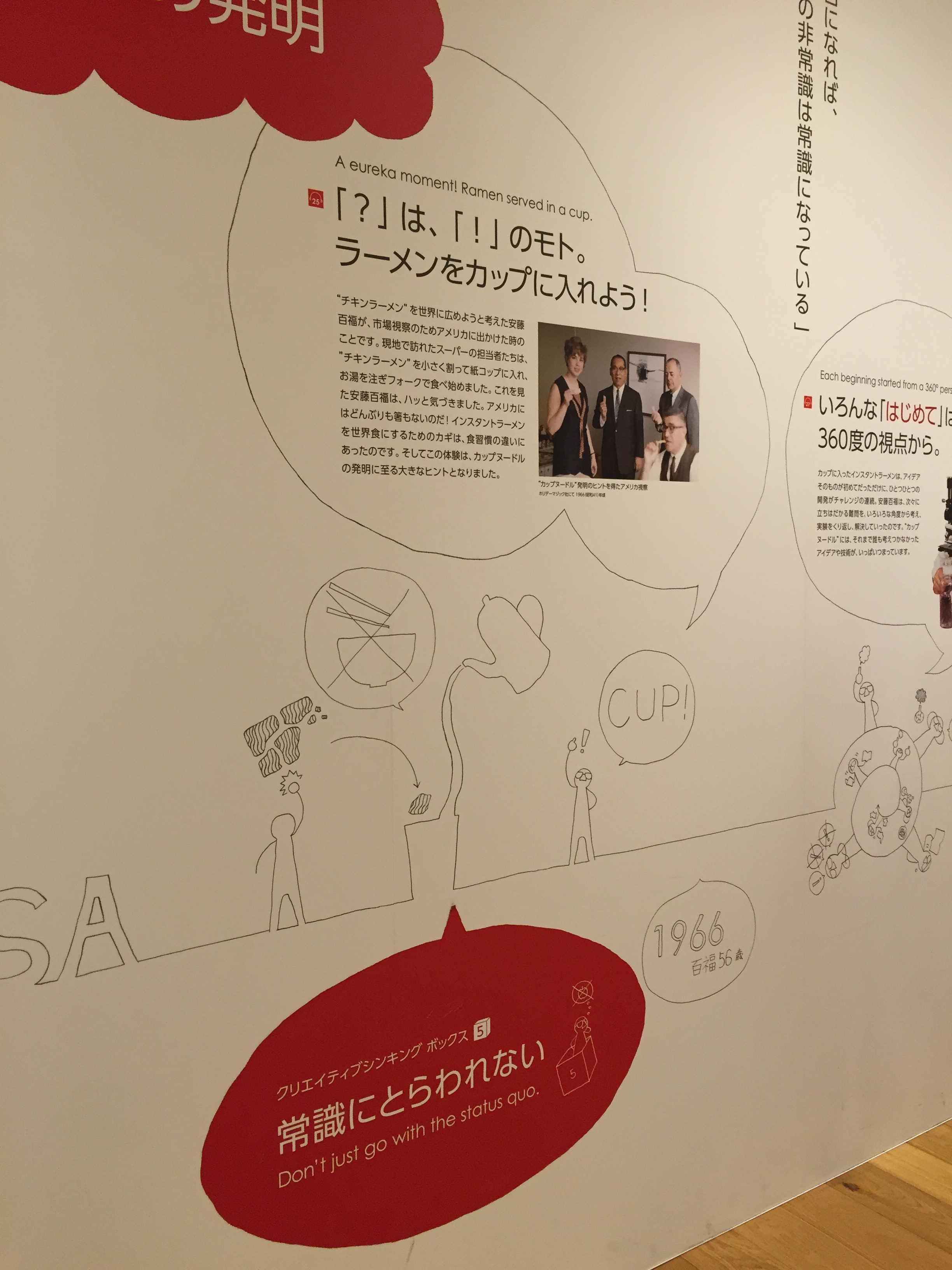
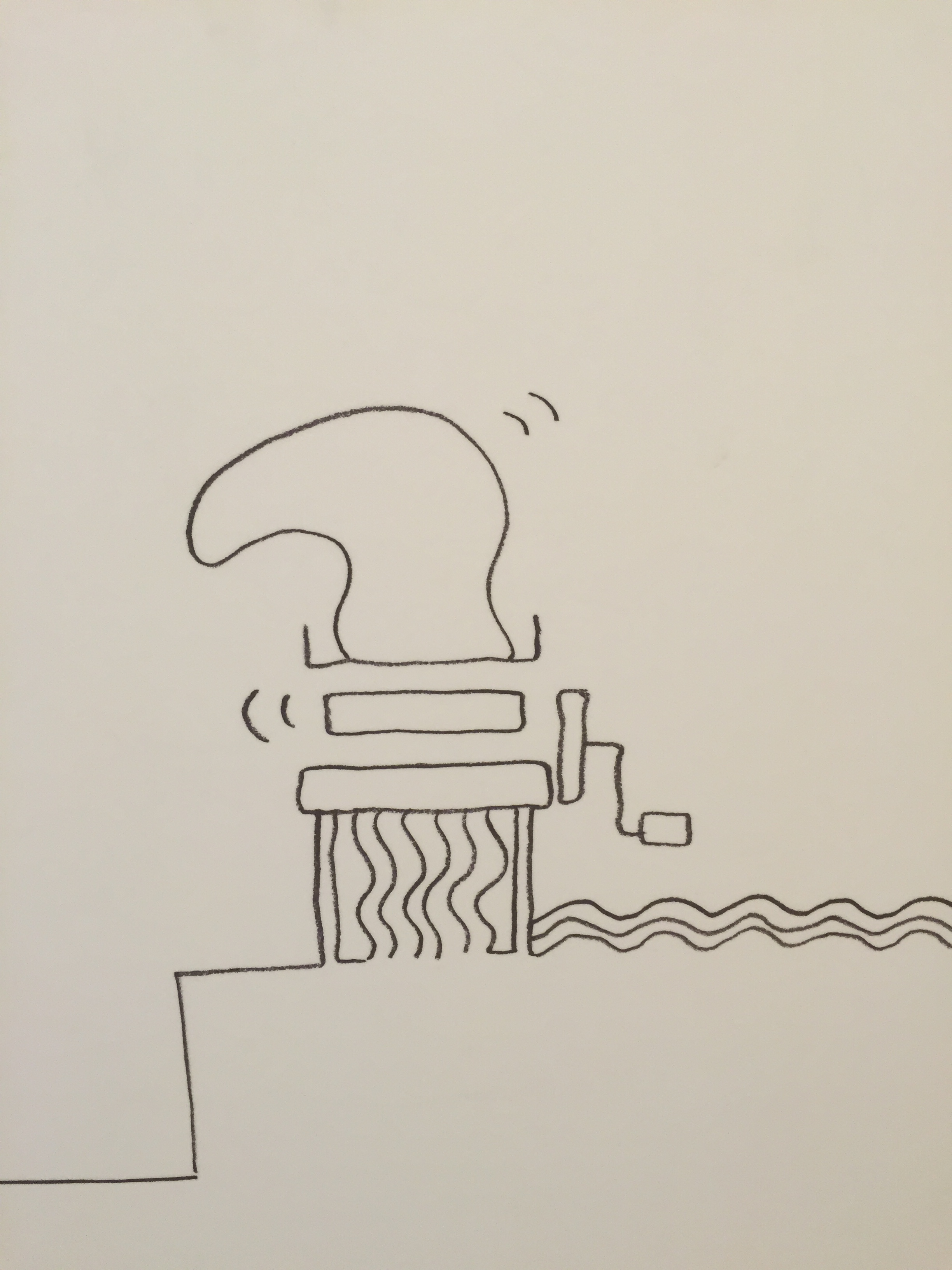
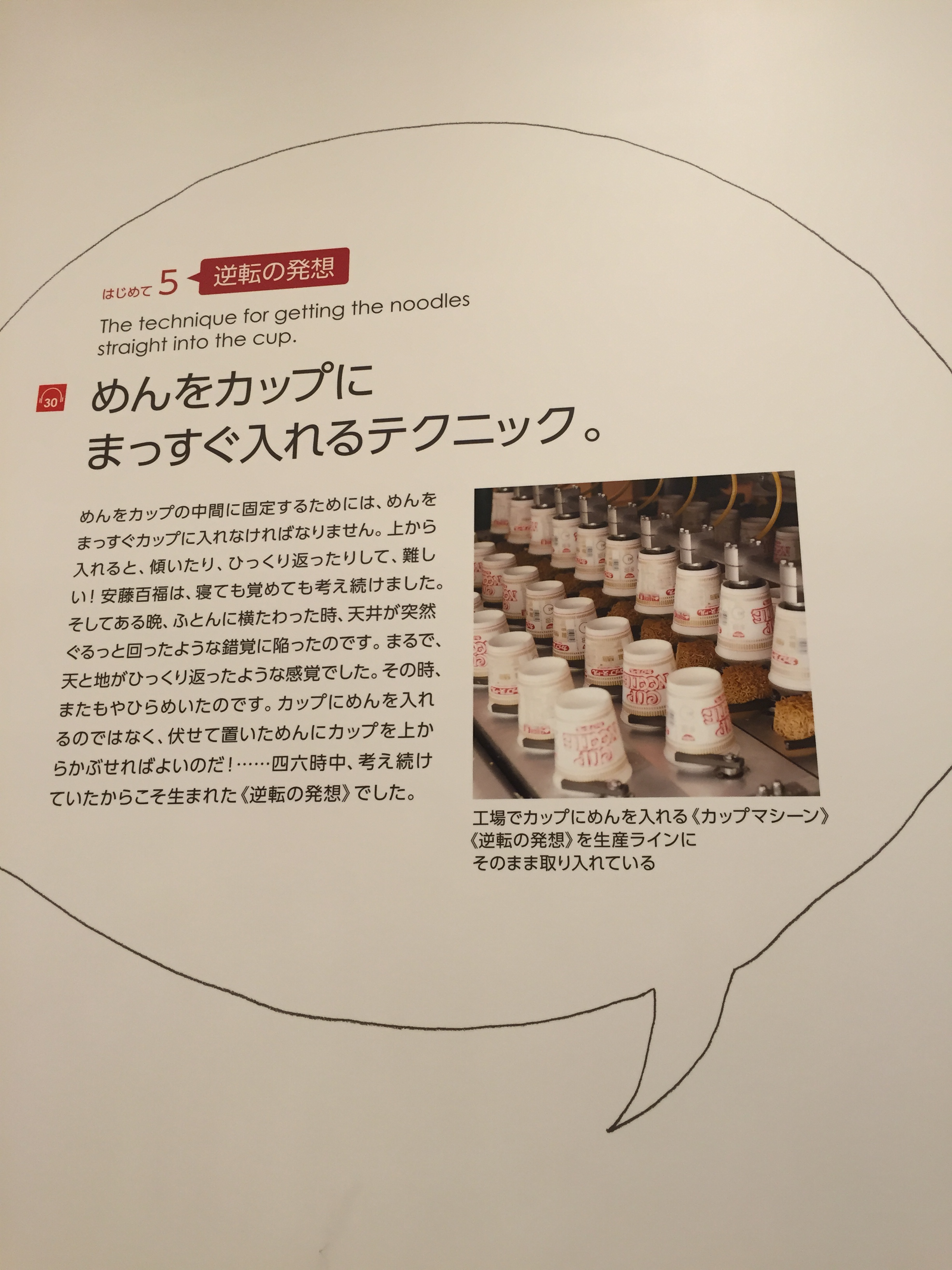
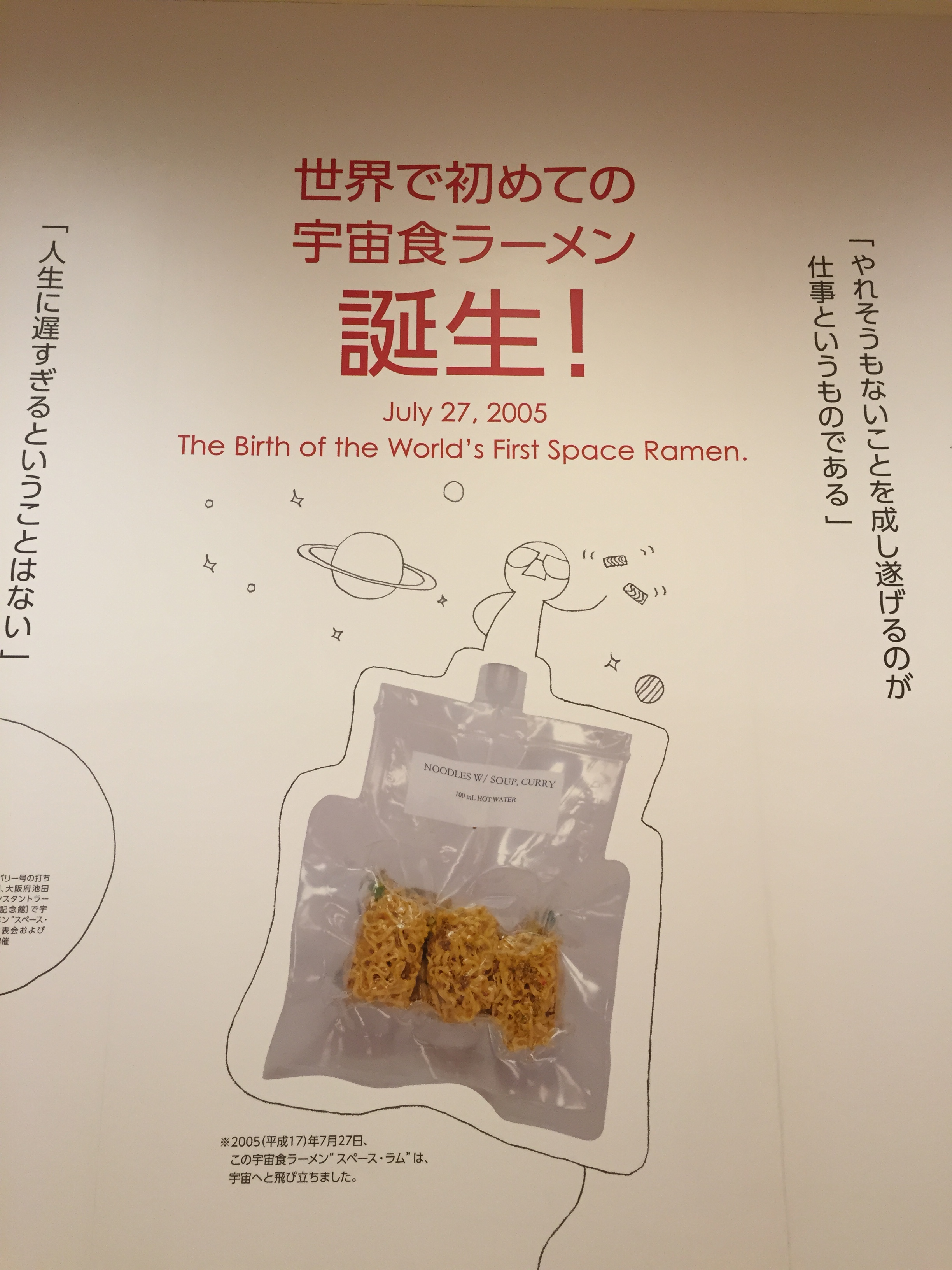
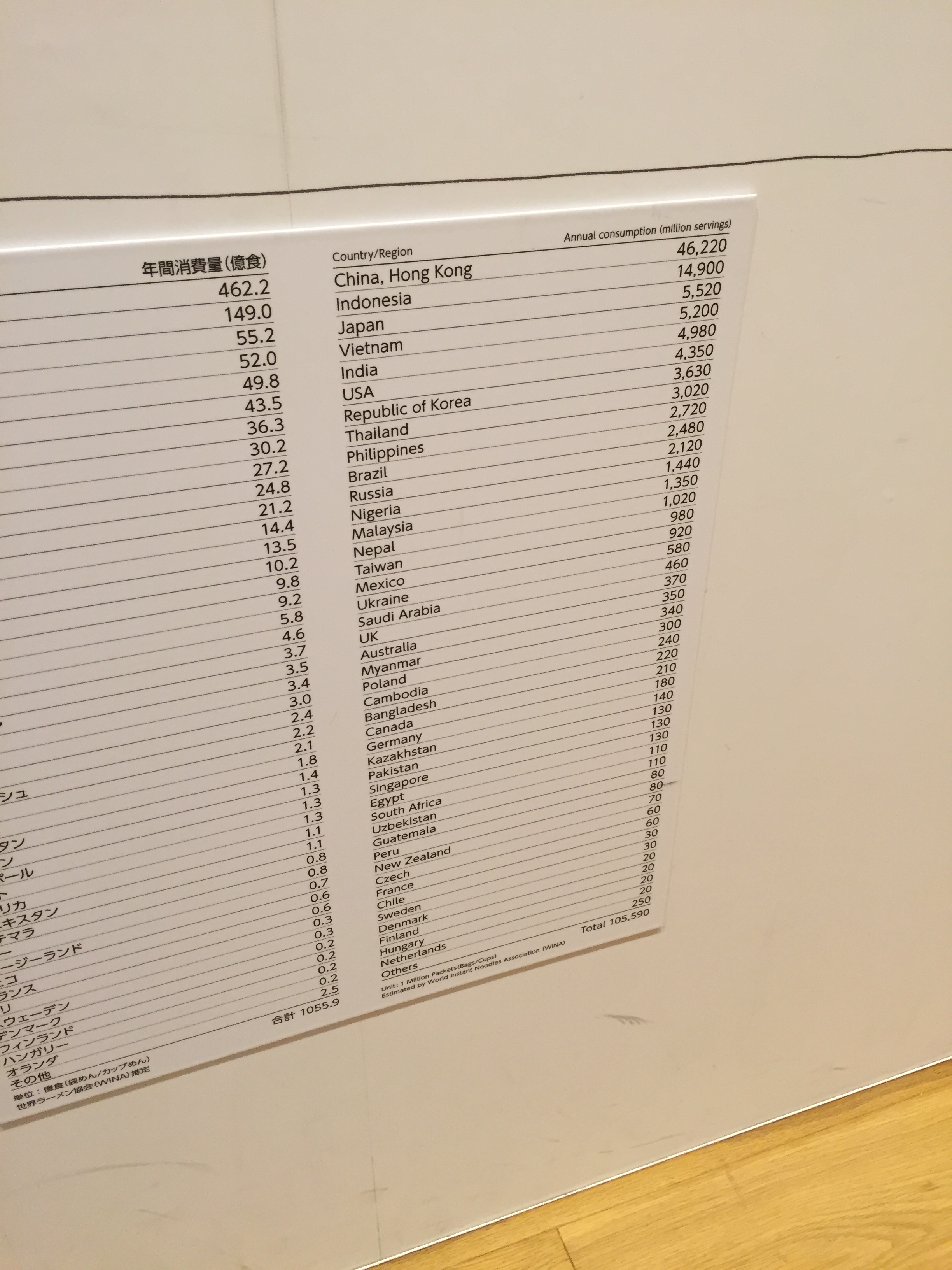
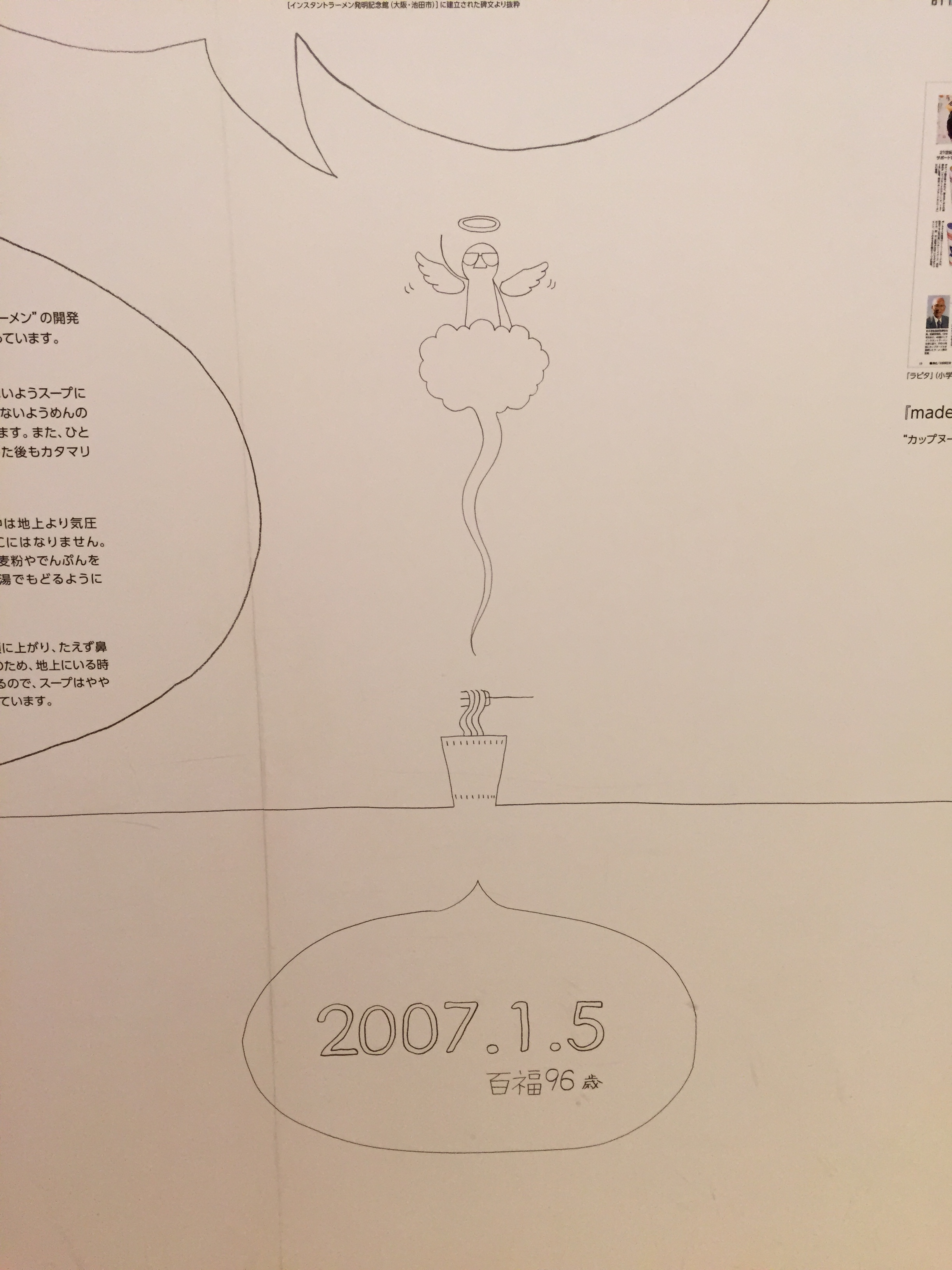
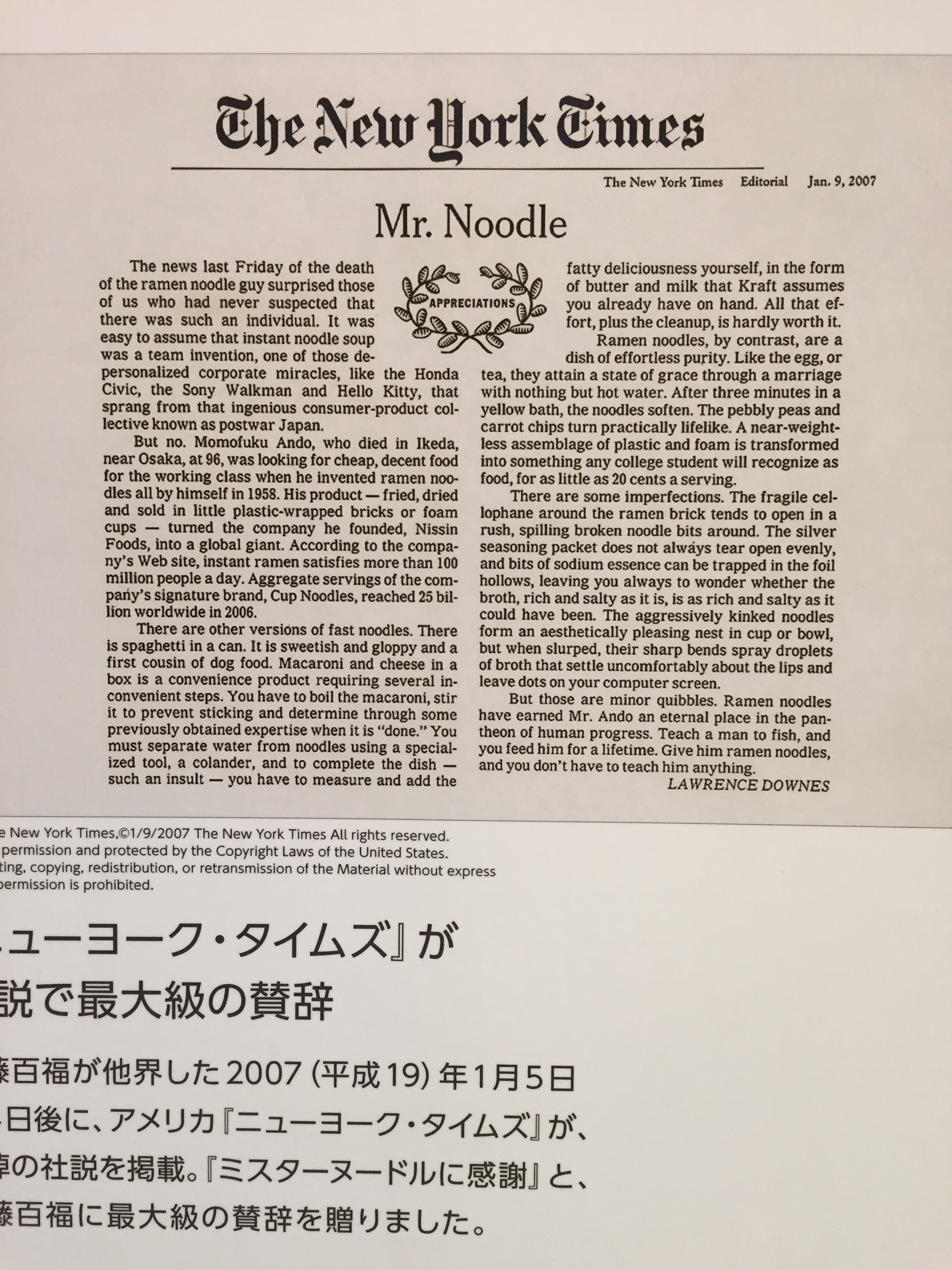
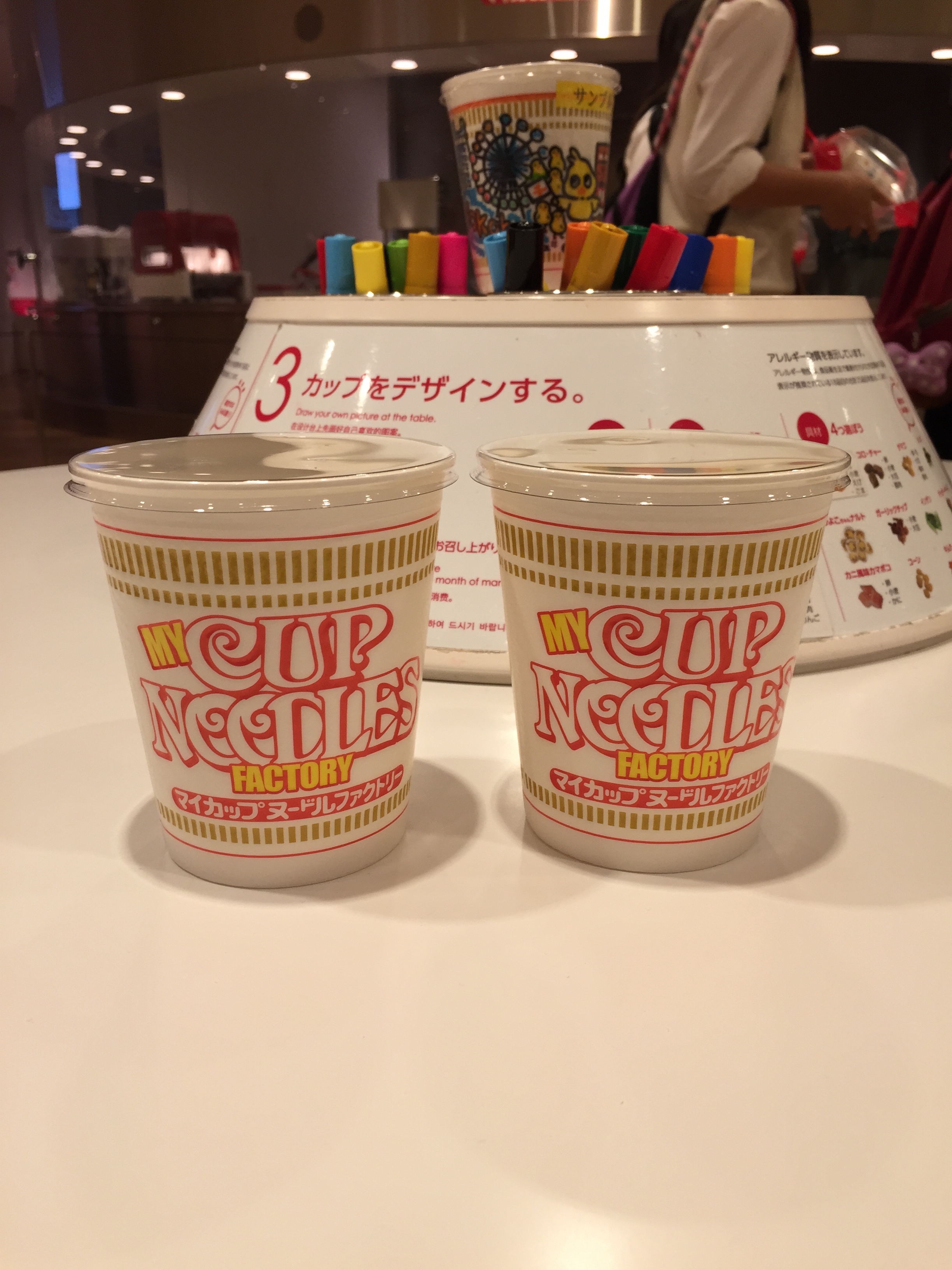
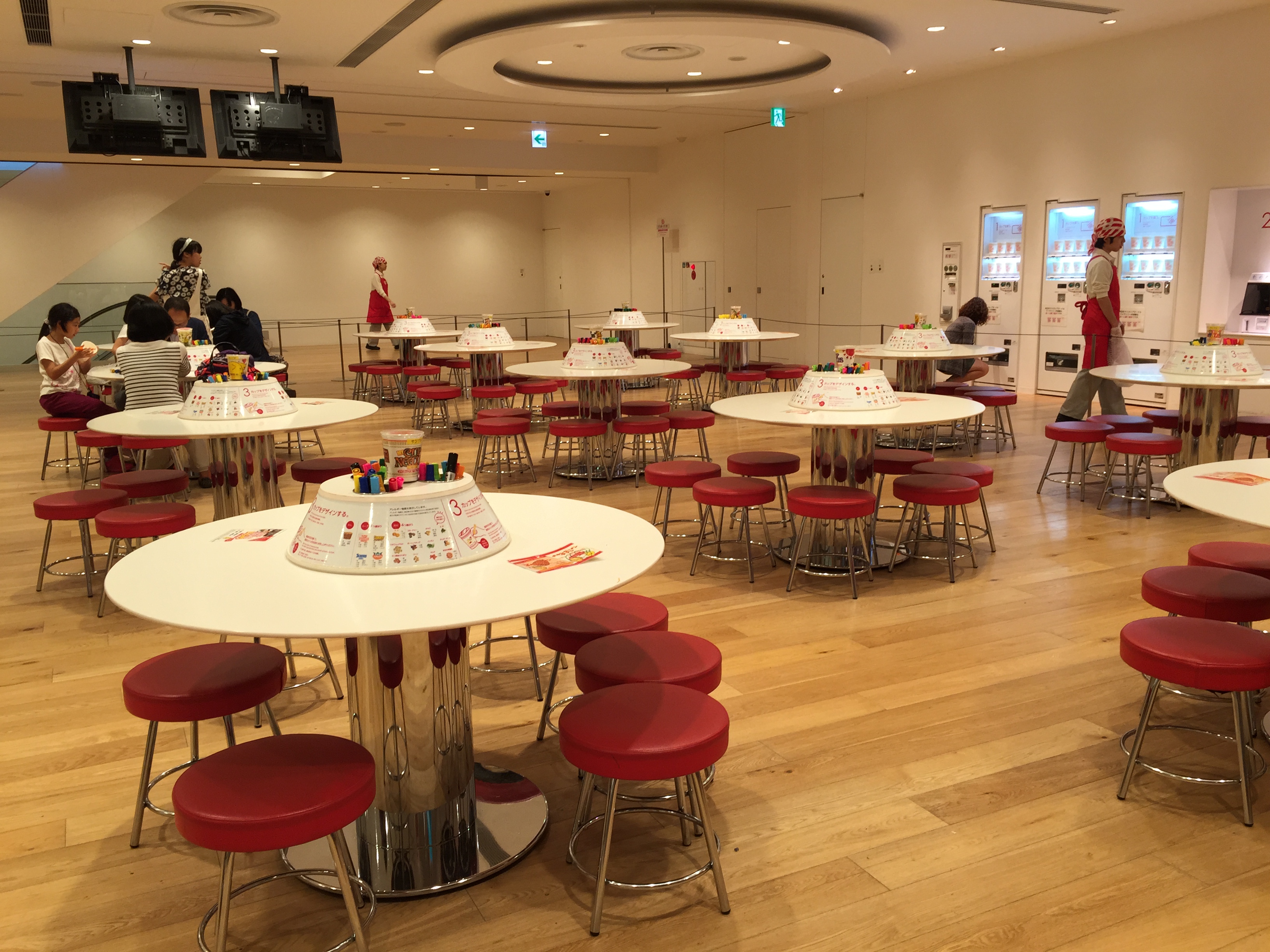
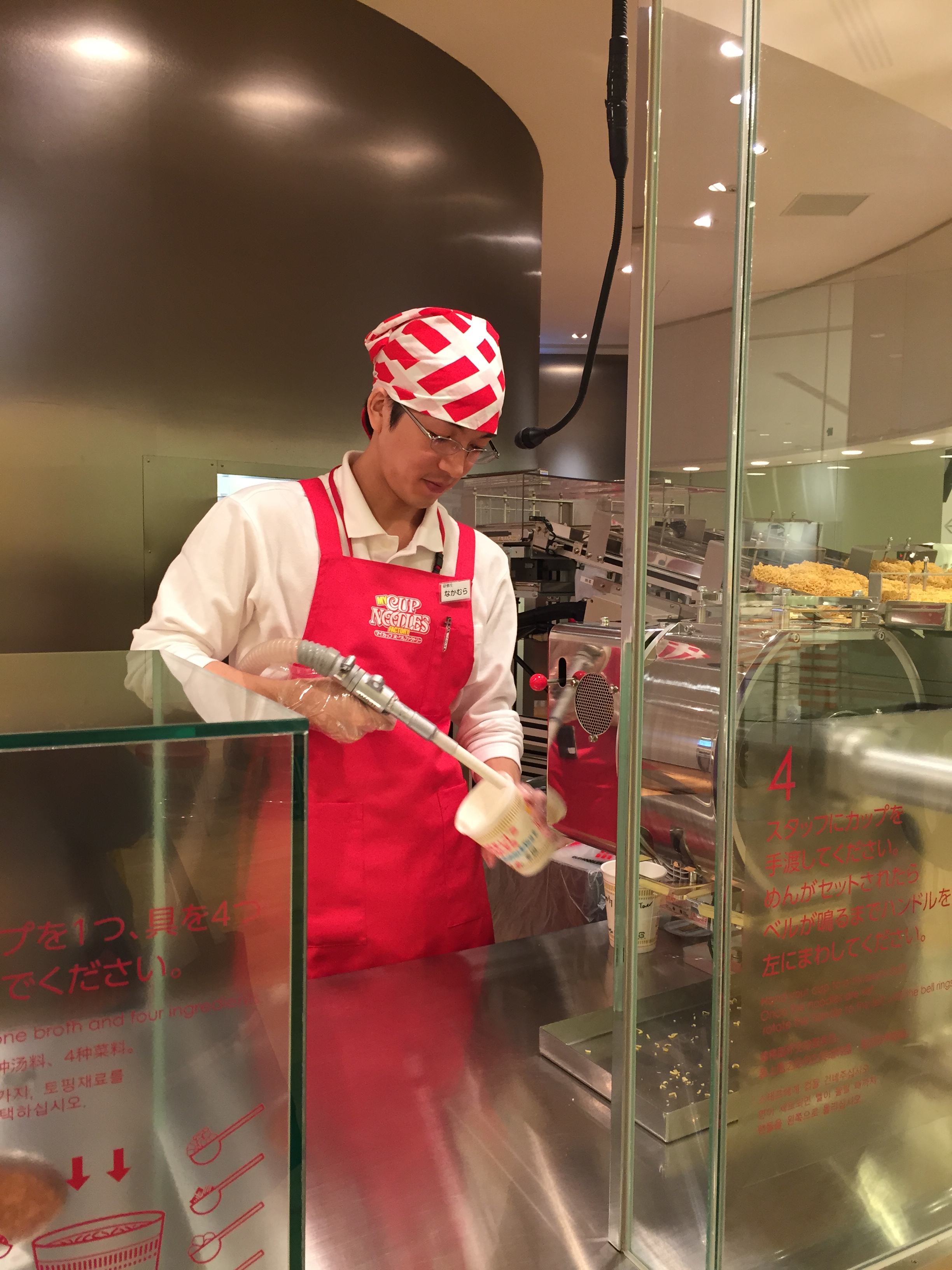
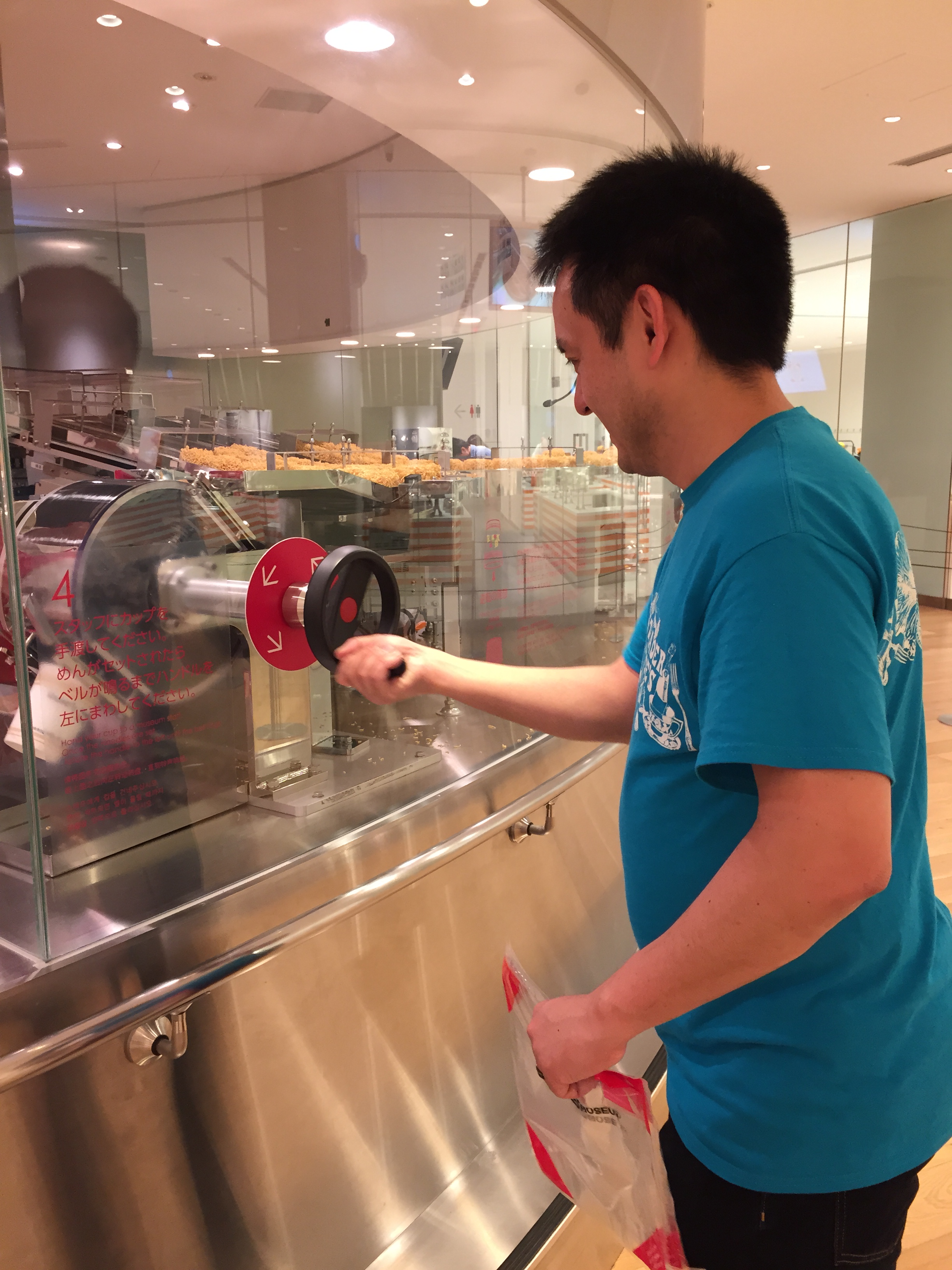
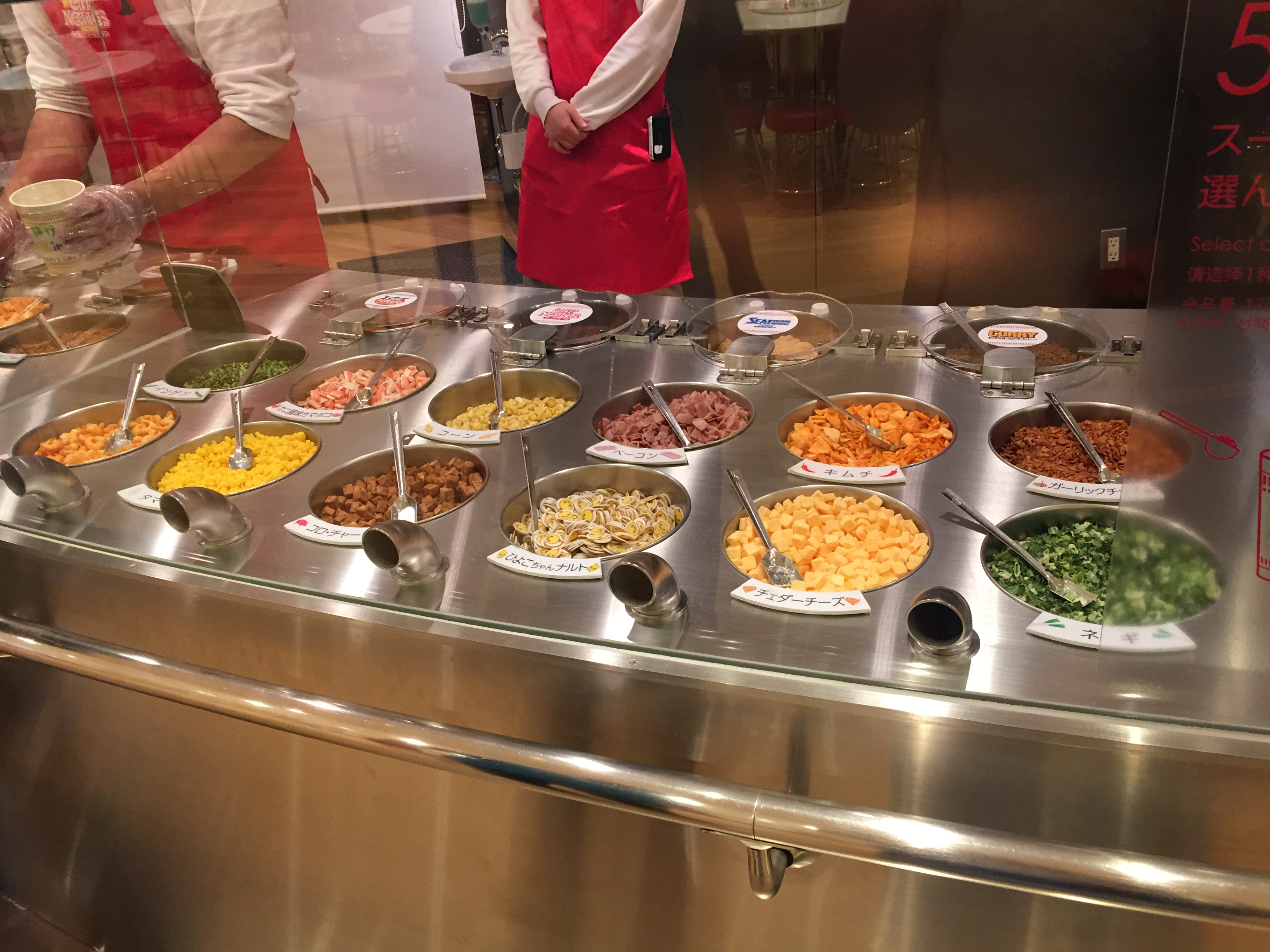
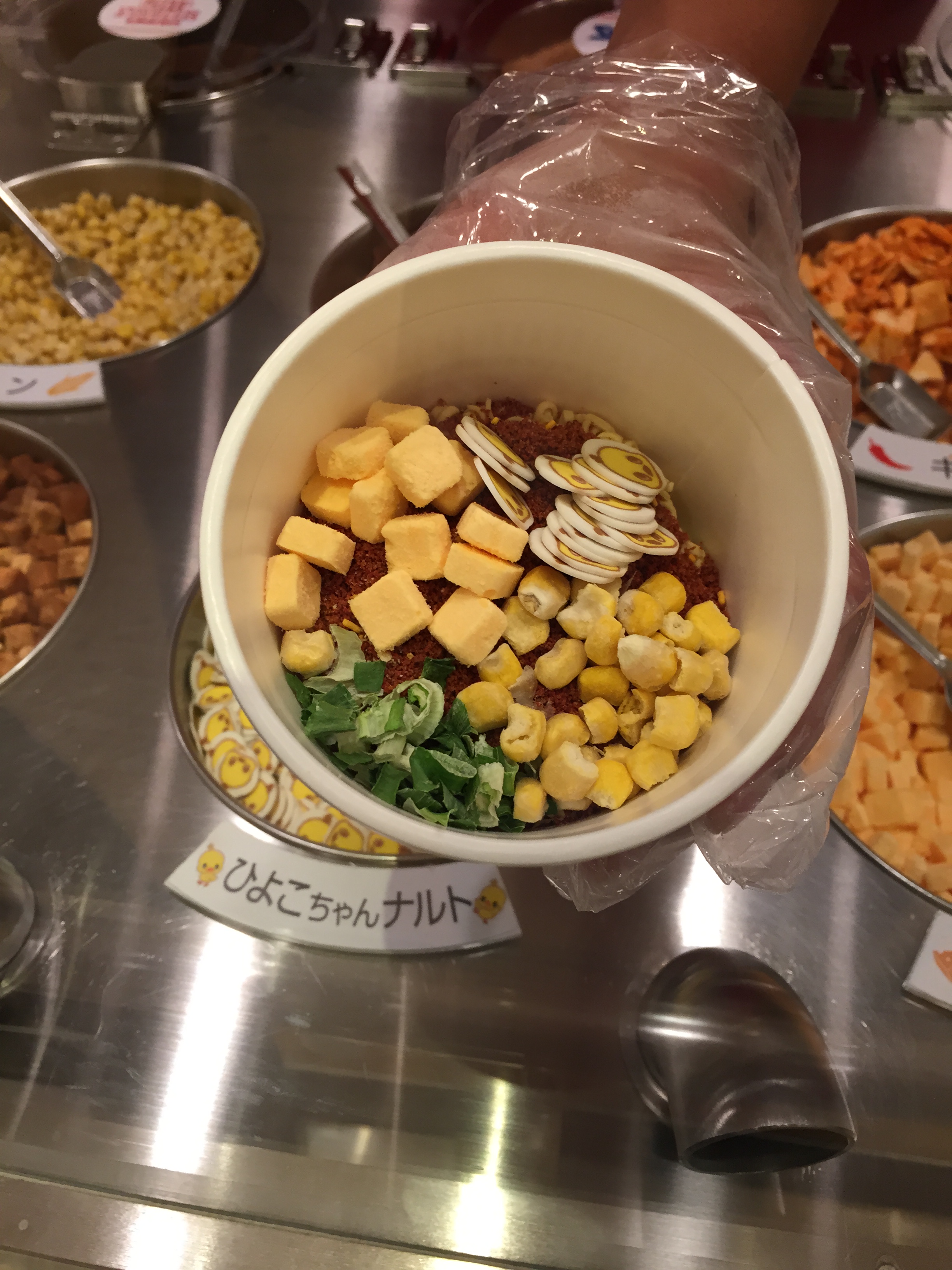
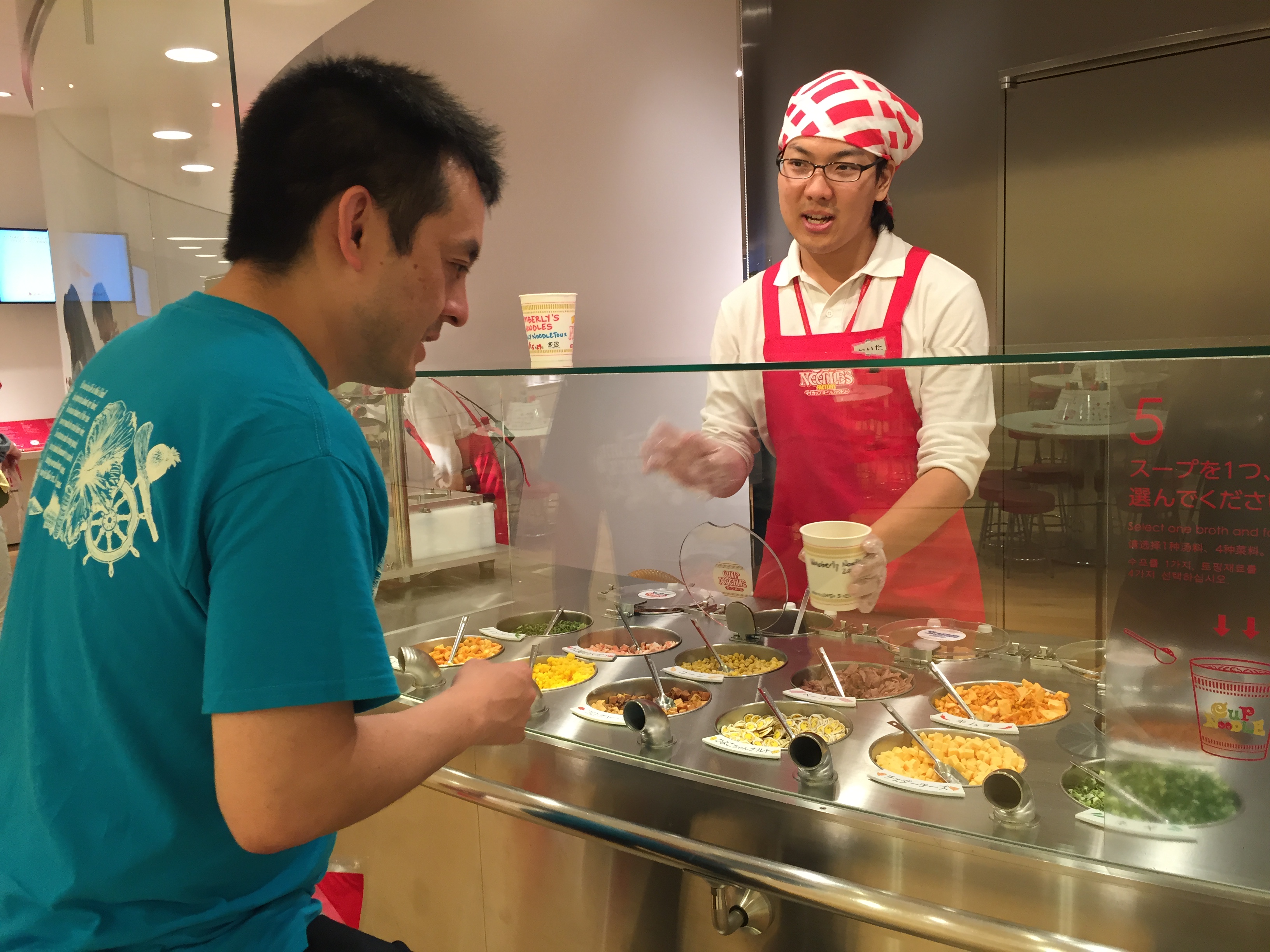
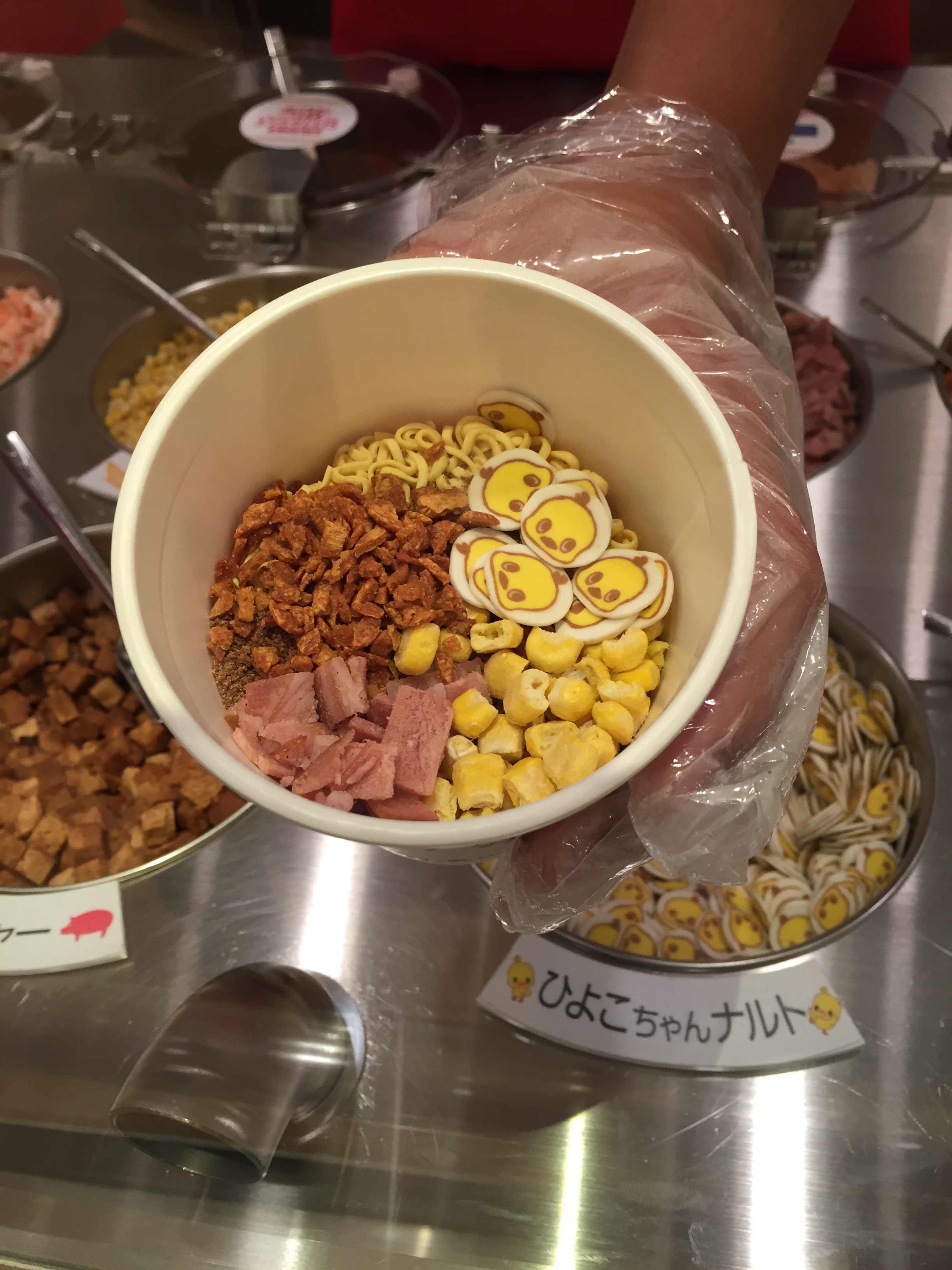
After we stuffed ourselves at the Ramen Museum, we decided to make a noodle day of it and visit the Cup Noodle Museum. We just made it with an hour to spare, so we didn’t have time to read every word in the museum, but we had a good time learning the history of our favorite late-night snack*. Cup Noodle Museum lobbyThe museum is really spare and modern. The lobby is huge, open and only decorated with an illumination of a Cup Noodle. You take a giant staircase upstairs to the museum. Cup Noodle Museum hall of noodle packagingThe first part is the Instant Noodles History Cube where you can see the history and the packaging of 3000 instant noodle products. Cup Noodle Museum hall of noodle packagingCup Noodle Museum hall of noodle packagingIt was crazy to see the subtle changes in packaging over time and all of the regional flavors that were introduced as Cup Noodle took over the world. Cup Noodle Museum noodle artCup Noodle Museum Momofuku AndoMuch of the Museum is devoted to Momofuku Ando, the inventor of the instant noodle. (You may be familiar with Ando because he recently was honored with his own Google Doodle!) Because he invented the instant noodles later in life (he was 48) after two failed careers (he was even jailed for tax evasion!), Ando is the perfect example of how success can come at any age. Cup Noodle Museum Momofuko AndoCharming illustrations take you through the history of instant noodles. It took over a year of trying and failing every single day (and only sleeping four hours a night), but in 1958 Ando invented Chicken Ramen (which is like the packaged block of noodles we have today.) Cup Noodle Museum Momofuku AndoLater, in the 1960s, Ando came to the U.S. and saw people breaking up the blocks of ramen into styrofoam cups and adding hot water and eating them that way. Ando figured, why waste time with a separate bowl when the ramen could come in its own bowl! Cup Noodles were introduced in 1971. Cup Noodle Museum Momofuku Ando Cup Noodle Museum historyCup Noodle Museum historyAndo’s last invention and lifelong dream invention was Space Ramen–instant noodles that could be eaten in space. (They are thinner so they cook quickly and have a thicker broth that won’t float around as easily.) Cup Noodle Museum historyIt was fun to see the annual consumption of Cup Noodle around the world. Cup Noodle Museum historyCup Noodle Museum history, Momofuku Ando's obituaryAndo passed away in 2007. (Isn’t the drawing sweet?) I loved reading the New York Times obituary. Cup Noodle Museum, making our own cup noodleCup Noodle Museum, making our own cup noodleIn the next part of the museum, we got to make our own Cup Noodles. (It was an extra ¥300, so less than $3US.) There were stations set up in another huge room where you could decorate your cups. (I’ll share ours tomorrow, but we didn’t go too crazy with the decorating!) Cup Noodle Museum, making our own cup noodle Cup Noodle Museum, making our own cup noodleNext, the Cup Noodle guy sanitized our cups and we each turned a crank that and added a block of noodles to our cups. Cup Noodle Museum, making our own cup noodleThen we got to choose from four different soup flavors and twelve different toppings to personalize our cups of ramen.Cup Noodle Museum, making our own cup noodleThe guy seemed excited about my choices, but now I’m not so sure: spicy tomato soup flavor, scallions, corn, cheese, and little bird wafers (I can’t remember what they are). Cup Noodle Museum, making our own cup noodleCup Noodle Museum, making our own cup noodleNaoto played it safe: chicken soup flavor, ham, bacon, corn, and little bird wafers.

Then our cup noodles went through a machine that sealed the tops on and shrink wrapped the cup. (Please enjoy my mediocre video.)

“Noodle Day” was definitely one of my favorites on our trip. I really left the Cup Noodle Museum feeling thoughtful about failure and age and invention. Ando’s determination to turn his life around and his success at midlife was really inspiring. Momofuku Ando said, “It is never too late to do anything in life.” and I couldn’t agree more.

Do you eat Cup Noodle? Have you ever tried the spicy tomato flavor?

*We’ve slowed down our instant noodle eating because it’s not the healthiest diet (though Ando supposedly ate it every day for his whole life and he lived to be 96), but we still enjoy a cup now and again.

P.S. This bit about the Cup Noodle Mascot shoveling snow made me smile.

Tagged , , ,

Sakura Ballsign Knock Pens

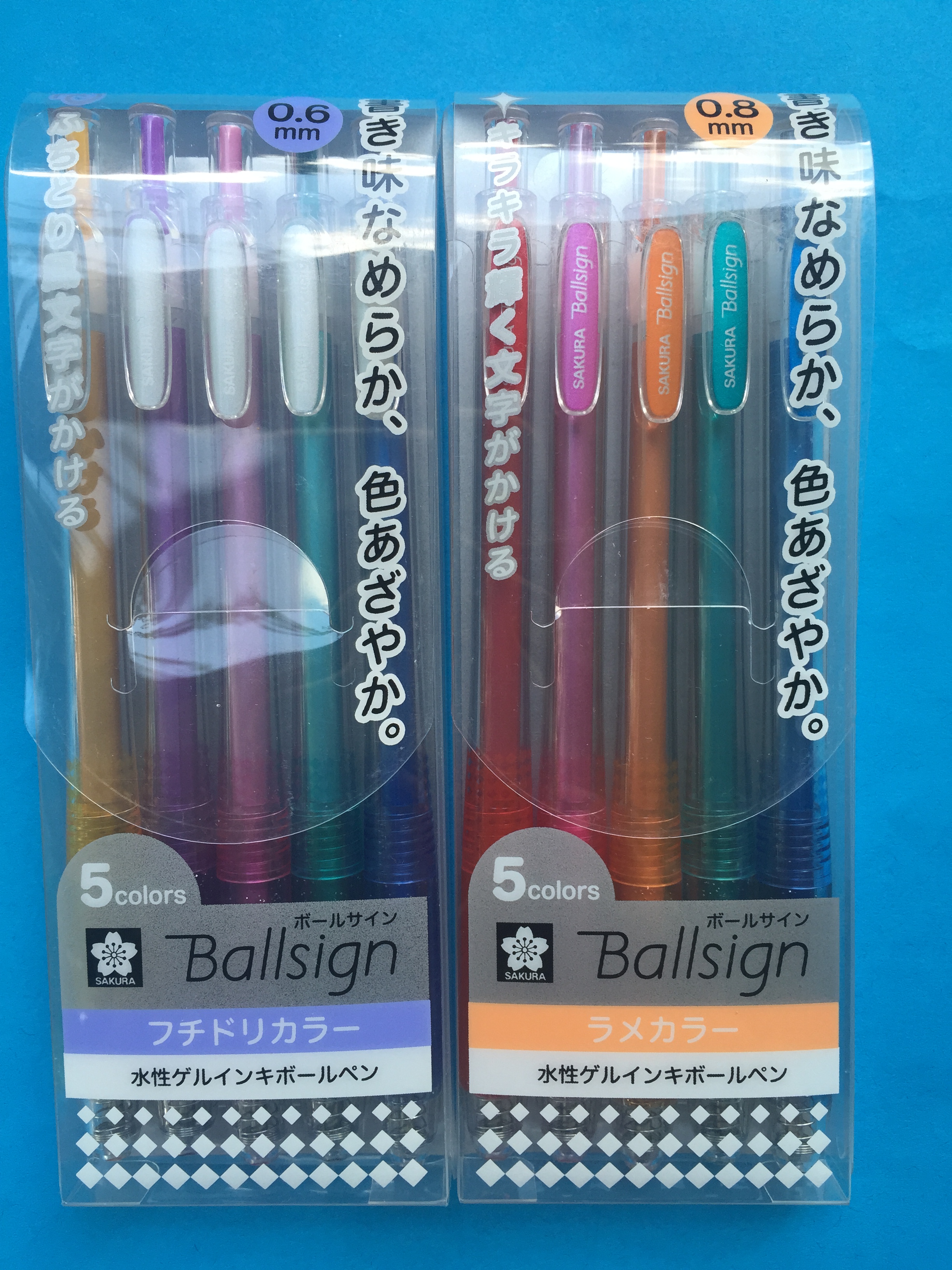
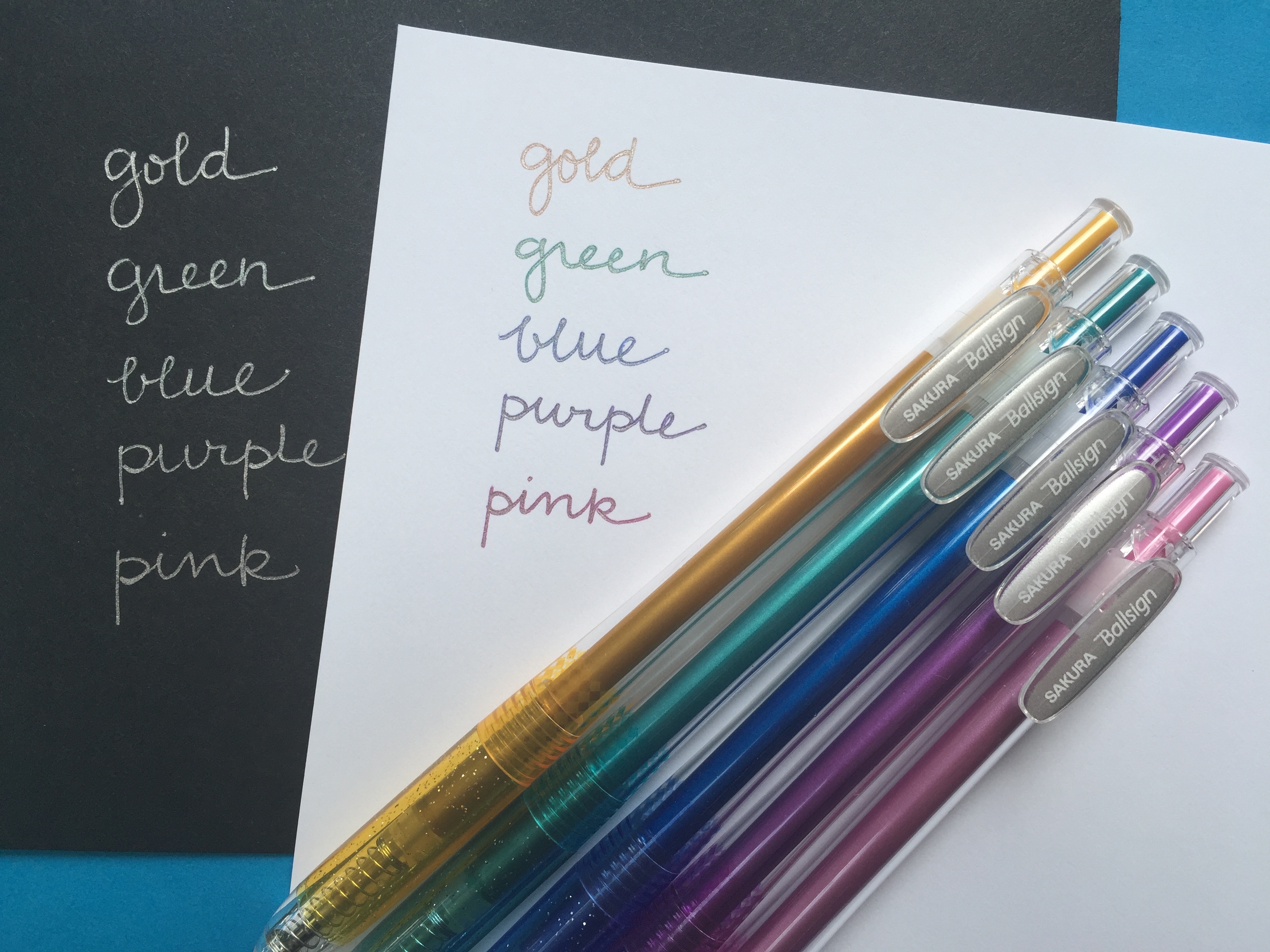
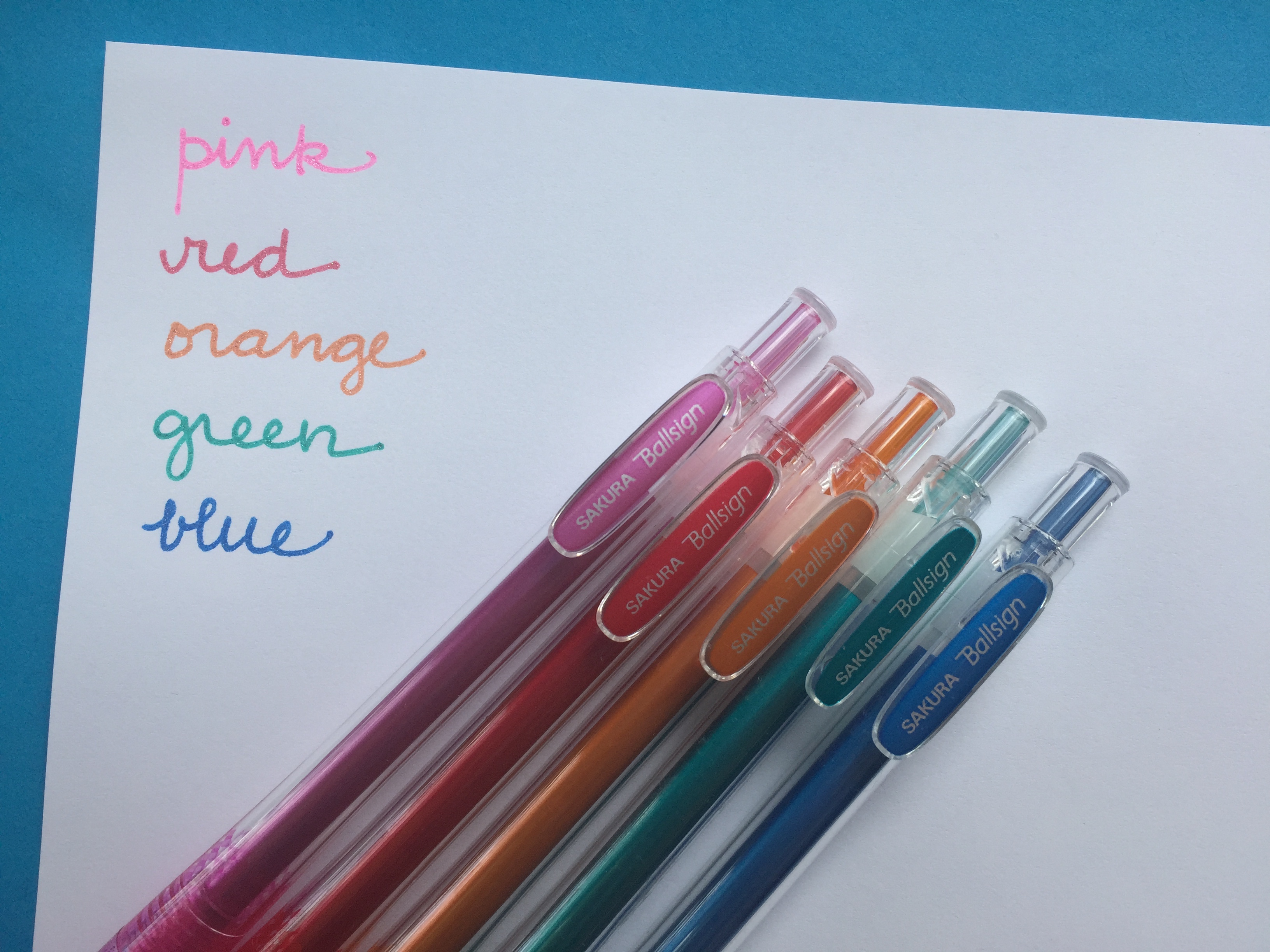
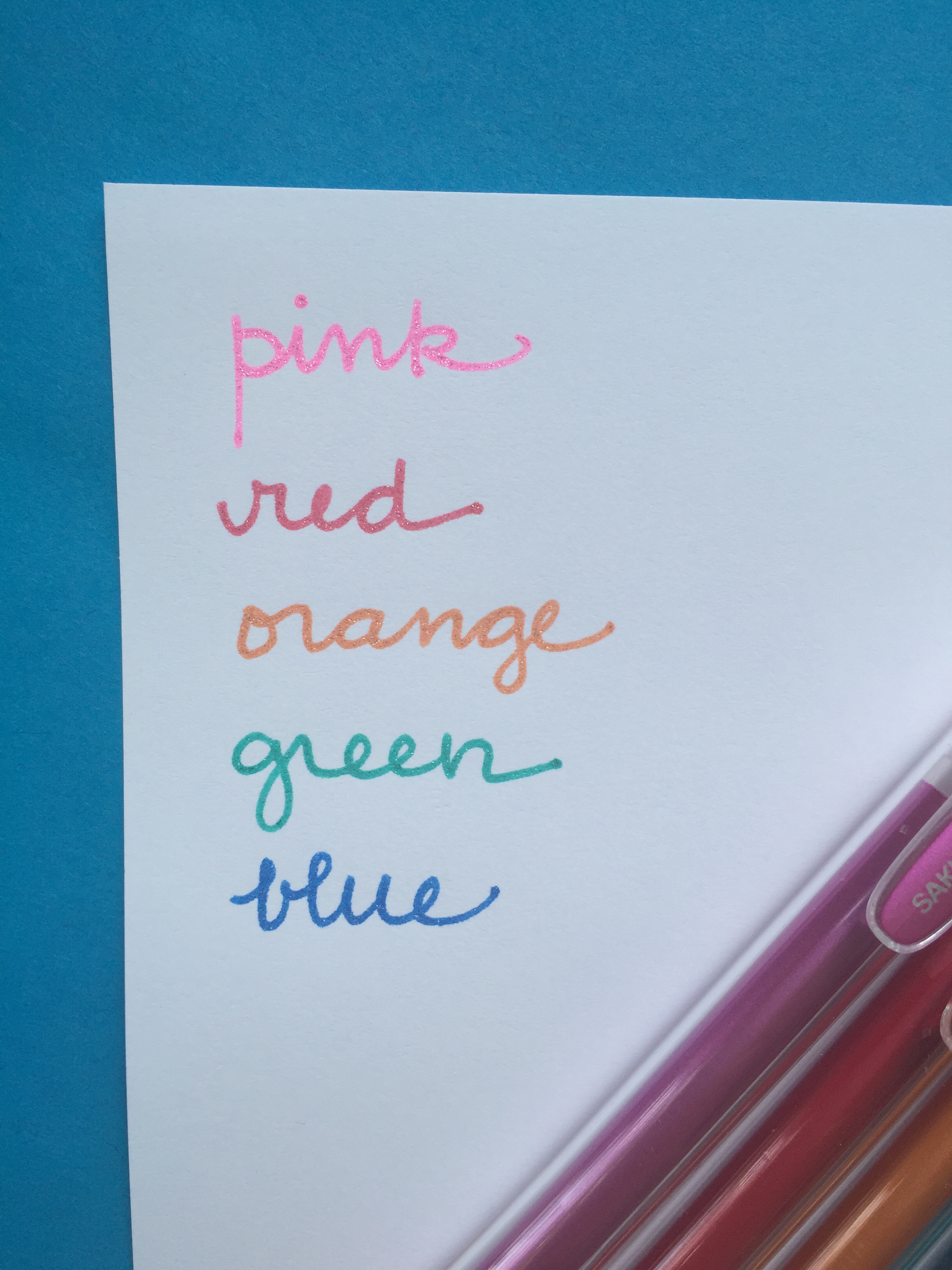
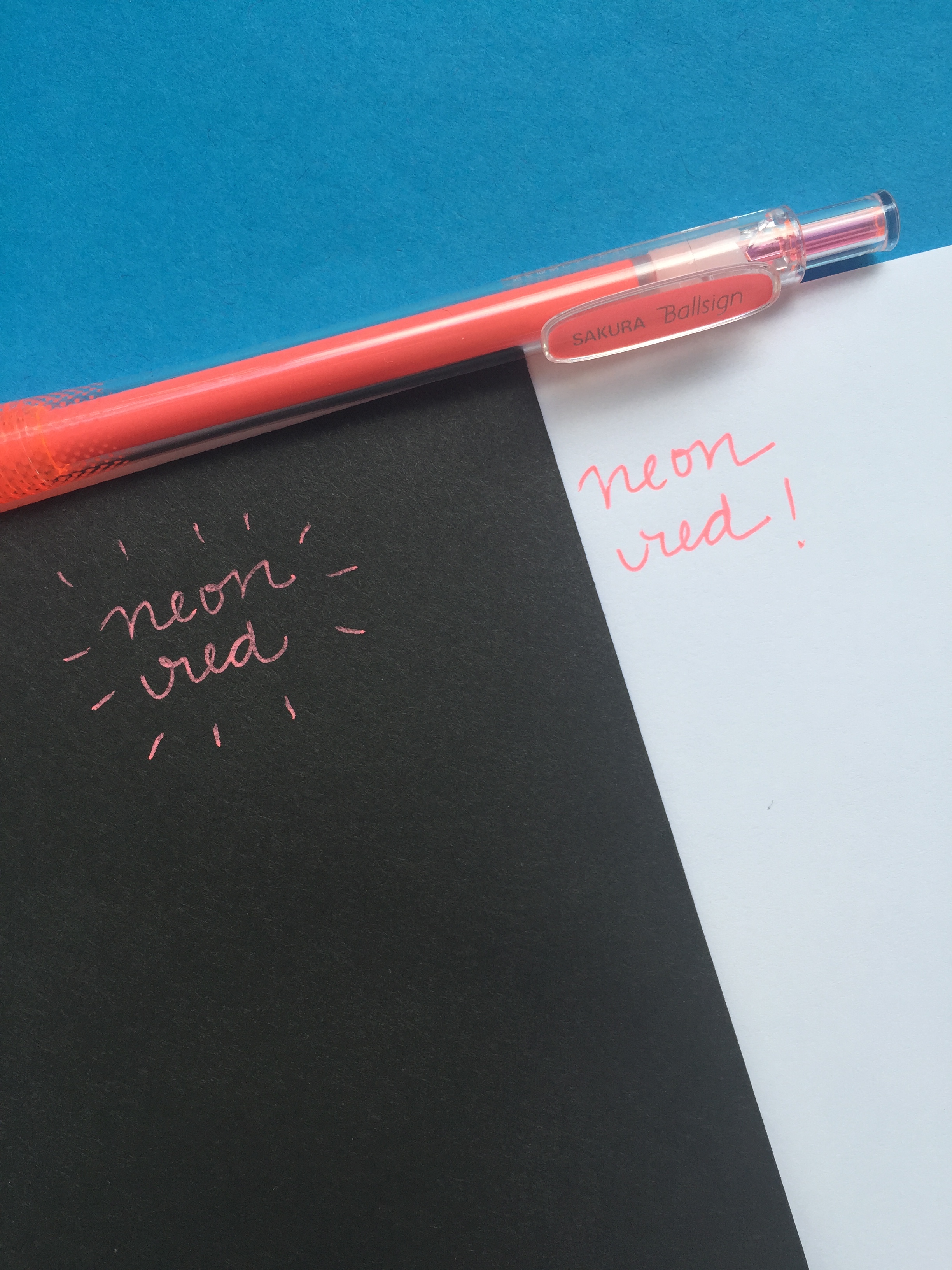
Sakura Ballsign Knock Gel Pens, metallic and glitterEvery time I step into Loft, my second favorite stationery & more store in Japan, I head directly for the pen displays. I stand there, section by section, trying out all of the different pens, different colors, different styles. This time, I was shopping for a new pen that I could use for letter writing. (My reliance on the Frixion pens has gotten risky for letter writing since some of the ink disappeared on the way to Tacoma, Washington recently.) So I was shopping for something a little bit more permanent. I found and fell in love with these Ballsign Knock gel pens. They come in a few different varieties, but I ended up getting a pack of the metallic ones that can write on dark and light paper, a pack of the shimmery ones that glitter in the light, and a single neon one. sakura ballsign knock gel pens, metallicMy favorites are the metallic ones. I love pens that write on dark papers, and I was excited to have some that went beyond the normal white, gold, and silver options in my arsenal. I love the metallic gold (it’s almost a white gold), green, blue, purple, and pink colors, but sadly, they don’t show up as strong colors on black paper. (It’s hard to tell from the picture, but they read more silver metallic on the black paper.) I think part of the reason is the colors aren’t very dark to begin with and that they have a 0.6mm point. (I like a thinner point on my pens, but I’m also not sure that this style comes in other sizes.) I still love the way that they write and the way that they look on dark paper so I’m pleased with my purchase. (Plus I have these other Ballsign gel pens in my pen stash and their true colors show up perfectly on dark papers. I’ll be sharing more about them in a future blog post.) sakura ballsign knock gel pens, glittersakura ballsign knock gel pens, glitterThe glittery ones are a lot of fun, but only show on lighter papers. I purchased the 0.8mm points in these (again, I think that was all Loft offered) and the thickness is perfect for showing off the shimmer of the ink (the box calls them lamé). The colors are very opaque and the ink flows really well. These will be fun for addressing envelopes and making mail art. sakura ballsign knock gel pens, neon redI almost bought a box of the neon pens, but I decided that I should leave some pens for the other people. So I just bought the red one. (Neon is out of style now anyway, right?) But I like the width of the neon red pen and there was a tiny bit of skipping at first, but it got better as I used it a bit. It’s hard to tell from my picture, but the ink really pops off the page.

Sakura also offers a pastel version that can be used on dark papers and a regular ol’ gel ink version (in a 0.4mm point). All in all, I’m really happy with these pens. They are nice and slim and comfortable to hold. Time will tell if they are good workhorses for letter writing and list-making. I’ll have to put my precious Frixion pens away to find out.

Tagged , , , , ,

Pilot Frixion Stamps

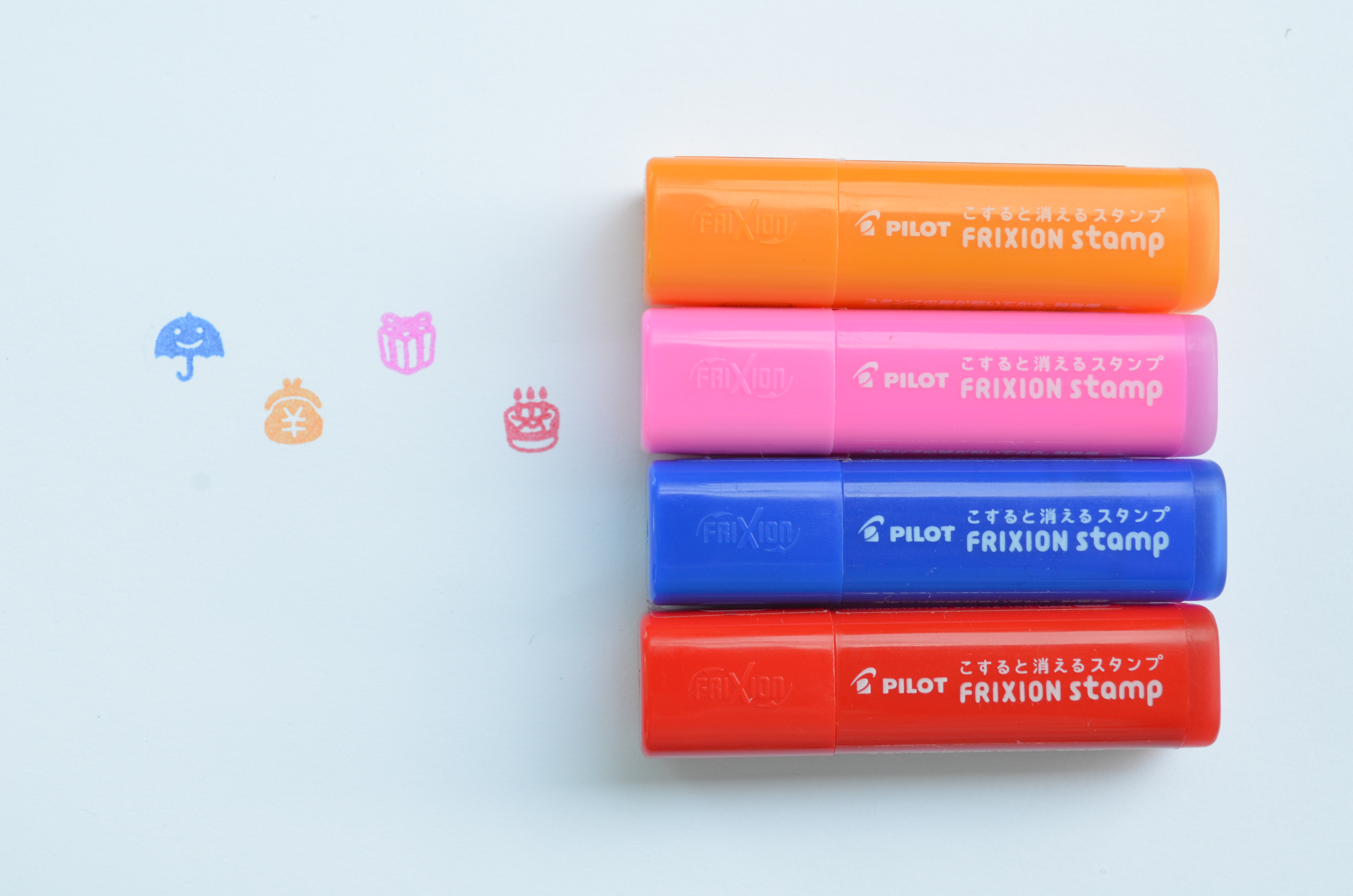
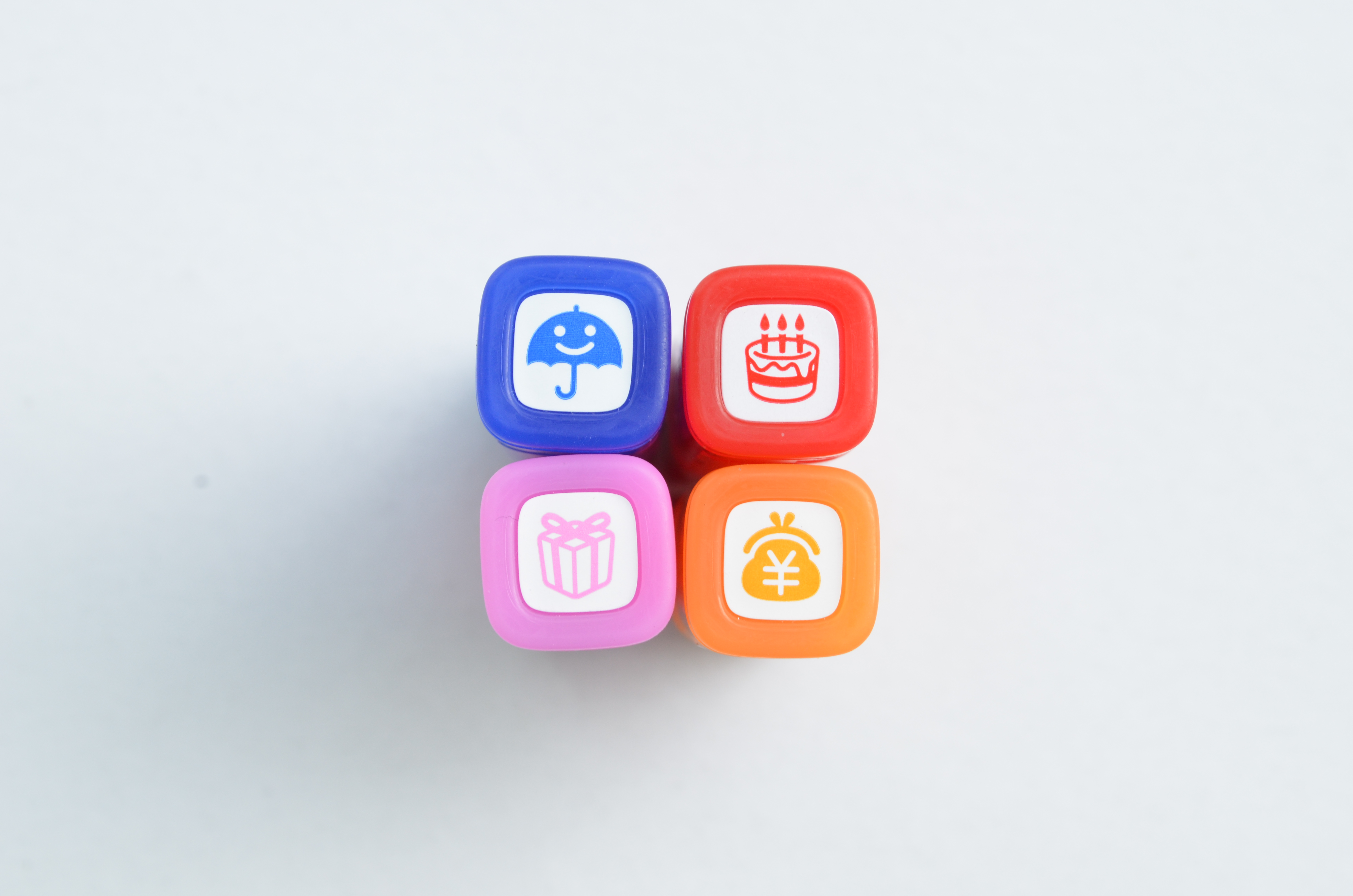
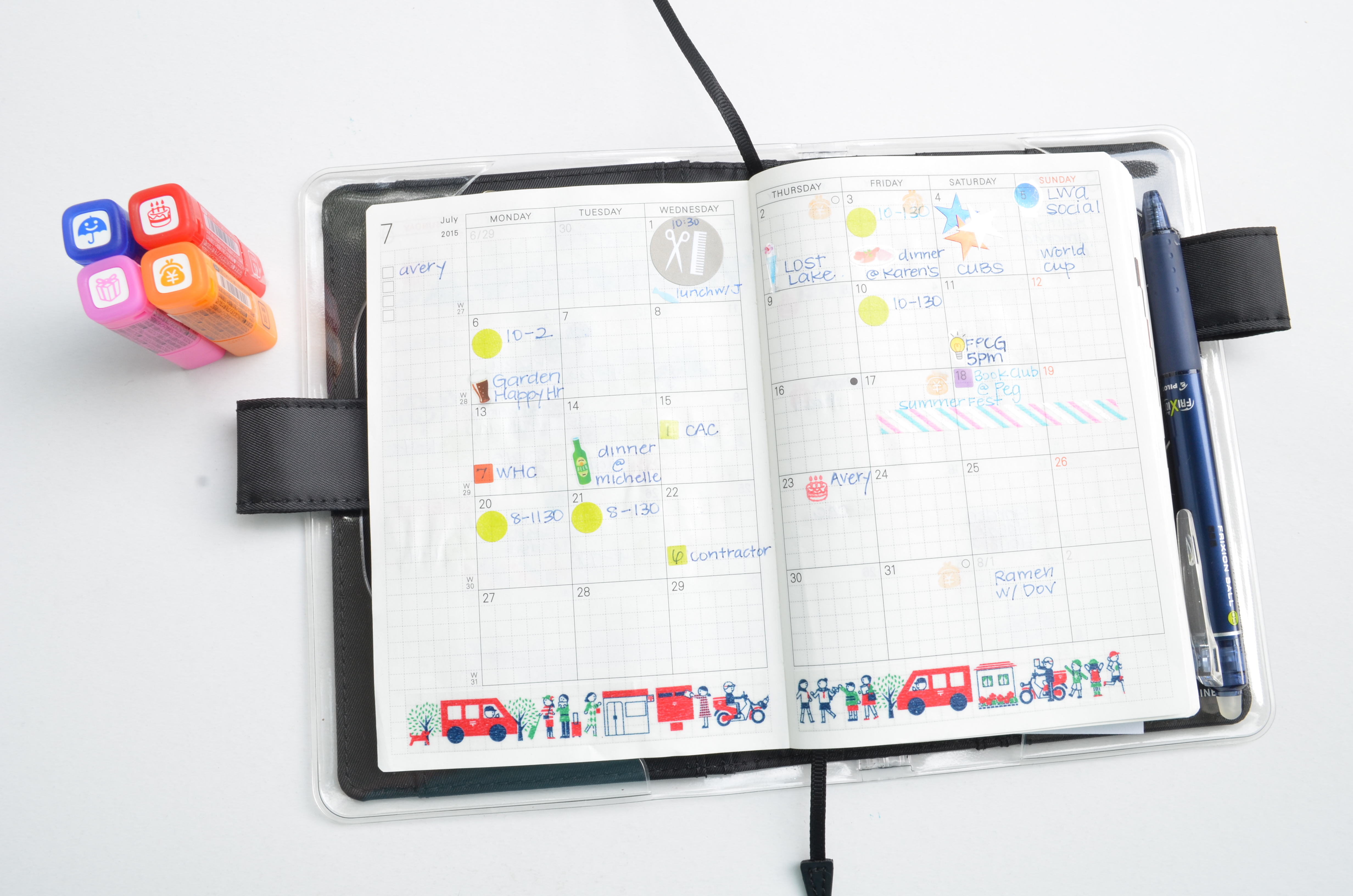
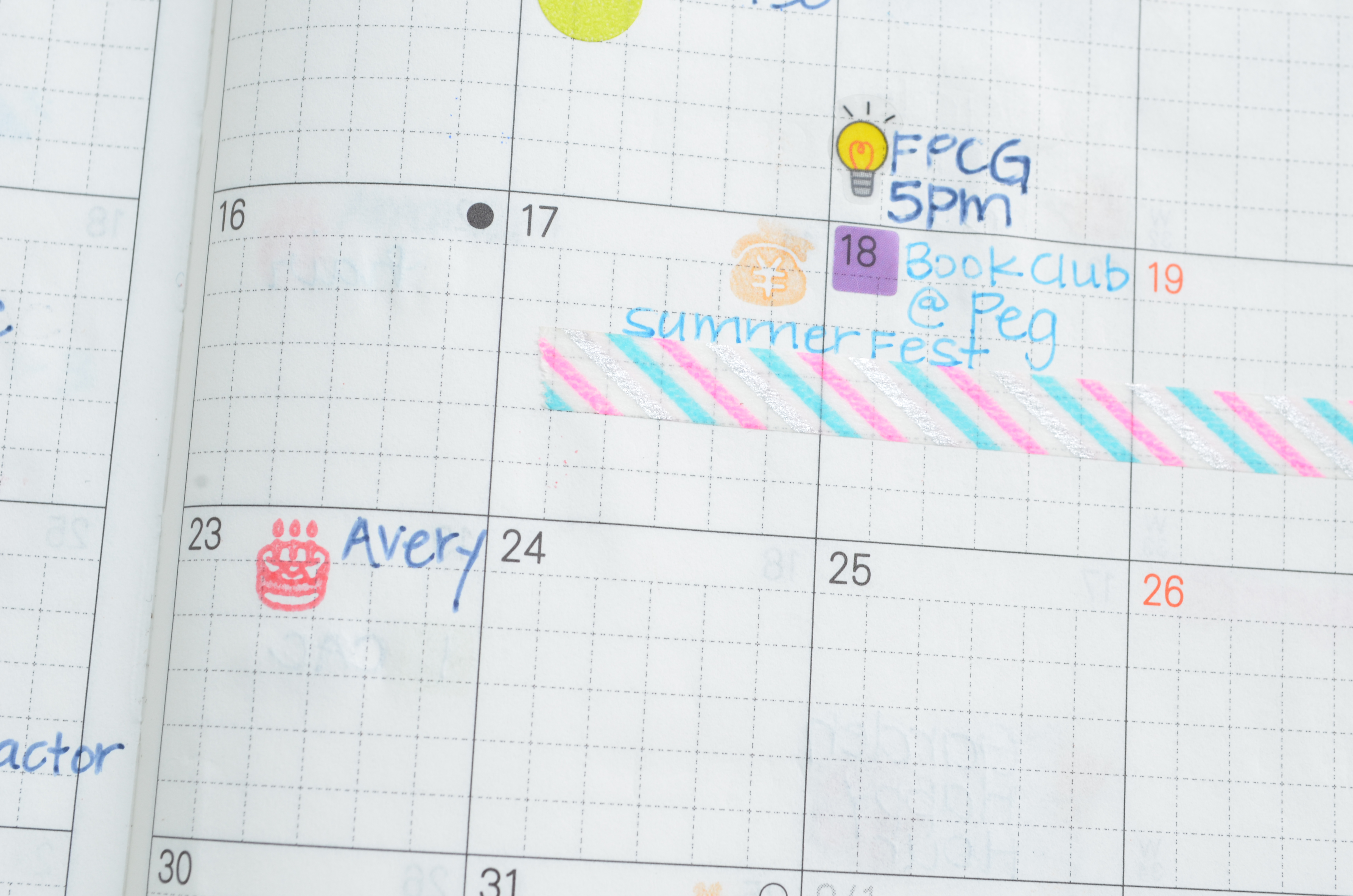
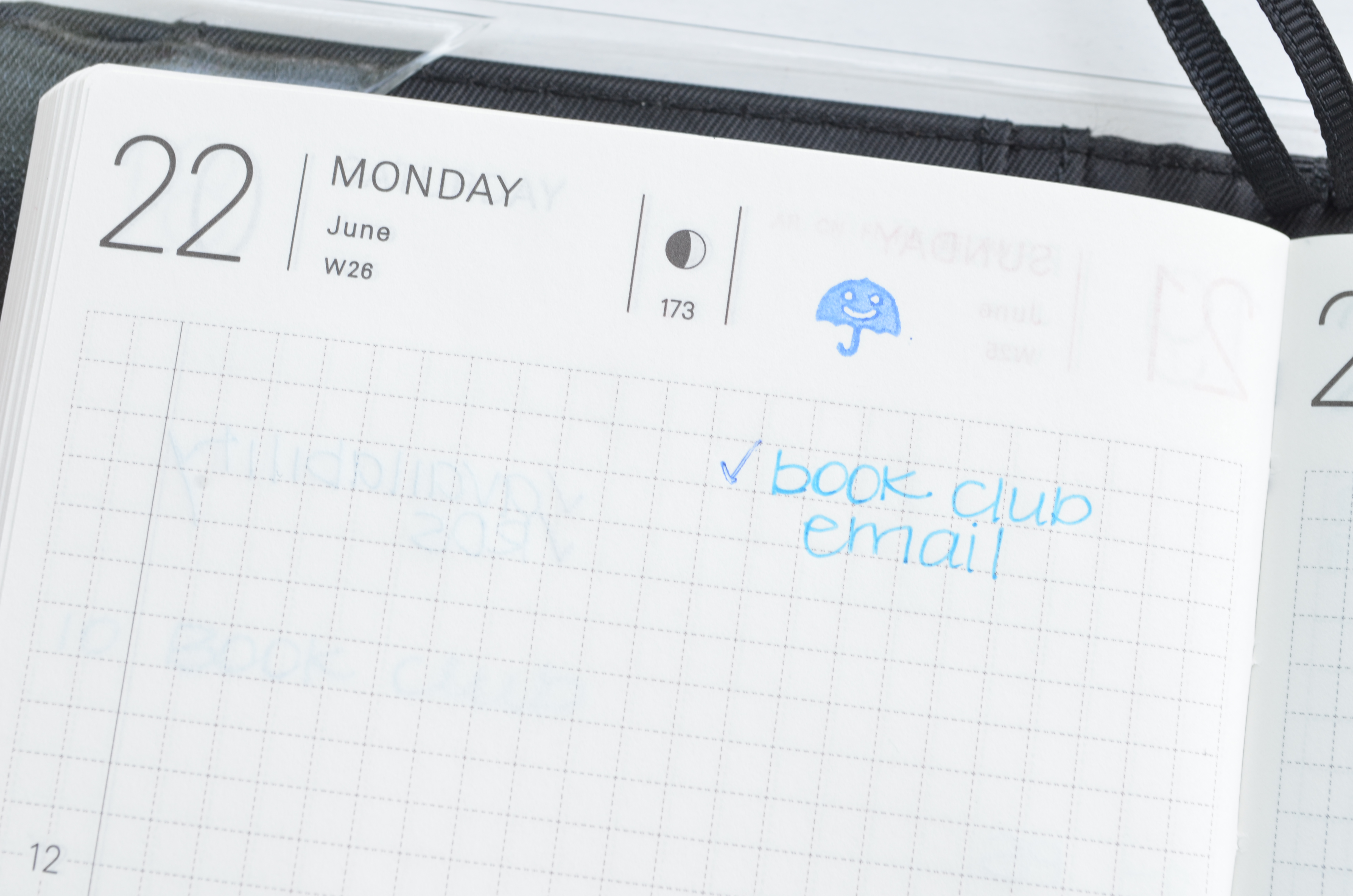
pilot frixion stampsI’ve never done a post about Pilot Frixion Pens, but they are my favorites. (I’ve mentioned them in these posts.) I love that they are erasable, because I’m a perfectionist at times, and I love the way my handwriting looks when I use them. I use the pens mostly in my calendar so I can easily erase appointments when plans change. When I read about the Frixion Stamps, I immediately put them on my shopping list for Japan. (This should tell you so much about my Tokyo shopping addiction!)pilot frixion stampsI sometimes regret not buying all of them (they are sold individually, but you can see all of the options here on Amazon), but since I also have a planner sticker addiction, I chose the four that I thought would be most useful for me: the umbrella for tracking rain in the garden, the coin purse to mark pay days, the birthday gift to remind me to buy or send a present, and the birthday cake for noting birthdays. Just like the Frixion Pens, the ink is erasable, so if plans change, you can erase the stamp with the rubbery edge of the cap. The stamps themselves are about 1/2 inch square and a little over 2 inches long, so they can easily fit into a pencil pouch for on-the-go planning. The stamped images are about 1/4 inch and fit perfectly in smaller calendar squares. Hobonichi planner with pilot frixion stampsHobonichi planner with pilot frixion stampsSo far, I am using the coin purse and the cake on my monthly calendar spreads. Hobonichi planner with pilot frixion stamps Hobonichi planner with pilot frixion stampsAnd I’m using the gift and the umbrella on the daily pages. (I guess mainly because buying and sending gifts is more of a to-do list item which I put on daily pages and because this summer has been rainy so I don’t have room for a hundred umbrellas littering my monthly calendar spread.)
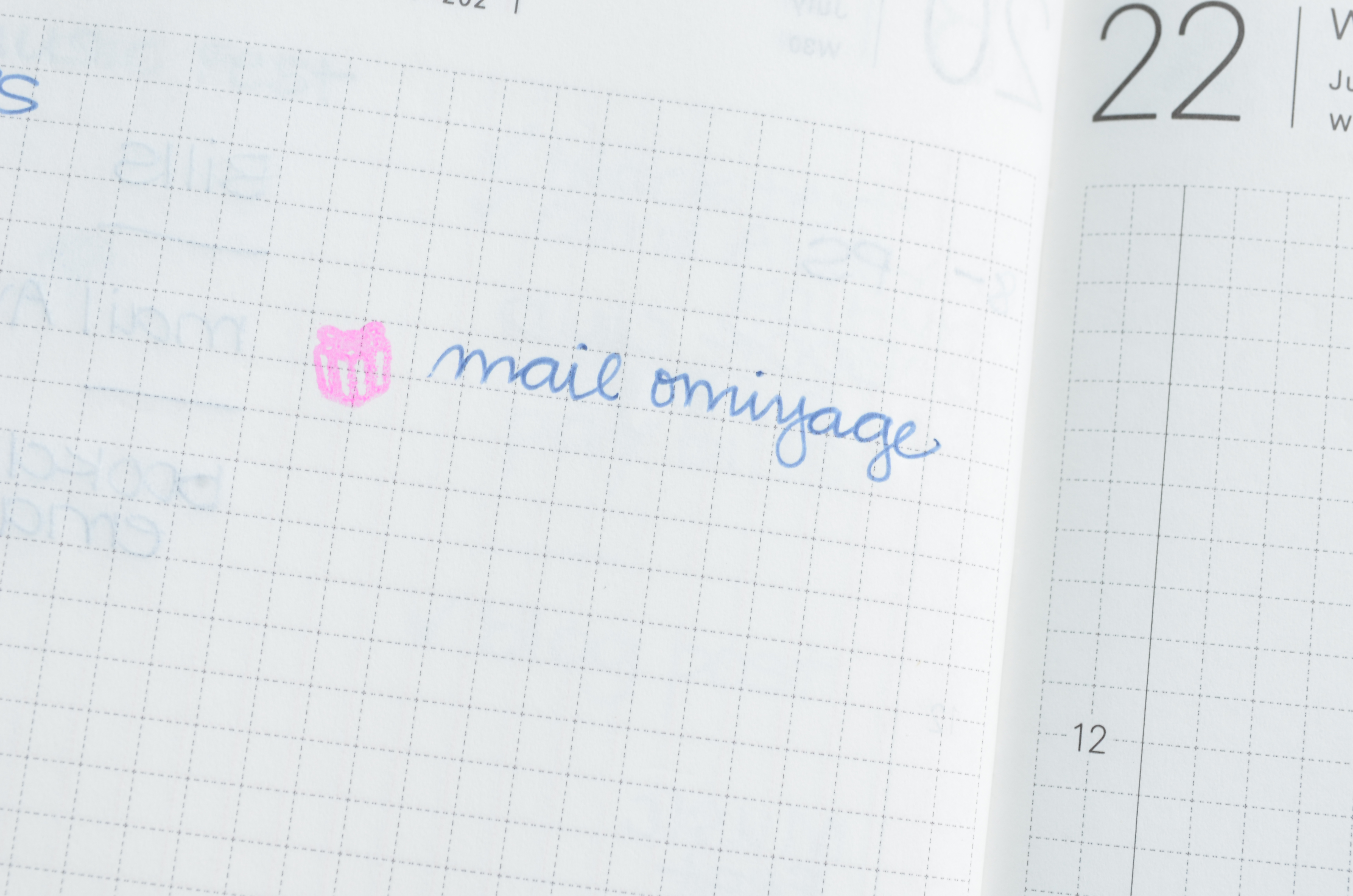
Like any new stamp, using the Frixion Stamps takes some getting used to. At first, I was pressing too hard and the images were getting all muddled together. They really take a gentle touch. And, though the stamps dry pretty quickly on normal paper, they dry really slowly on the smooth Tomoe River Paper in my Hobonichi Planner. (But, if the ink smears or transfers to another page, you can just erase any mess.) Now that I’m used to them, I’m really enjoying using these little guys.

(Rumor has it that Jet Pens will be carrying the Pilot Frixion Stamps soon!)

Tagged , , , , ,

Hasegawa Happy Hour at the Suzukis

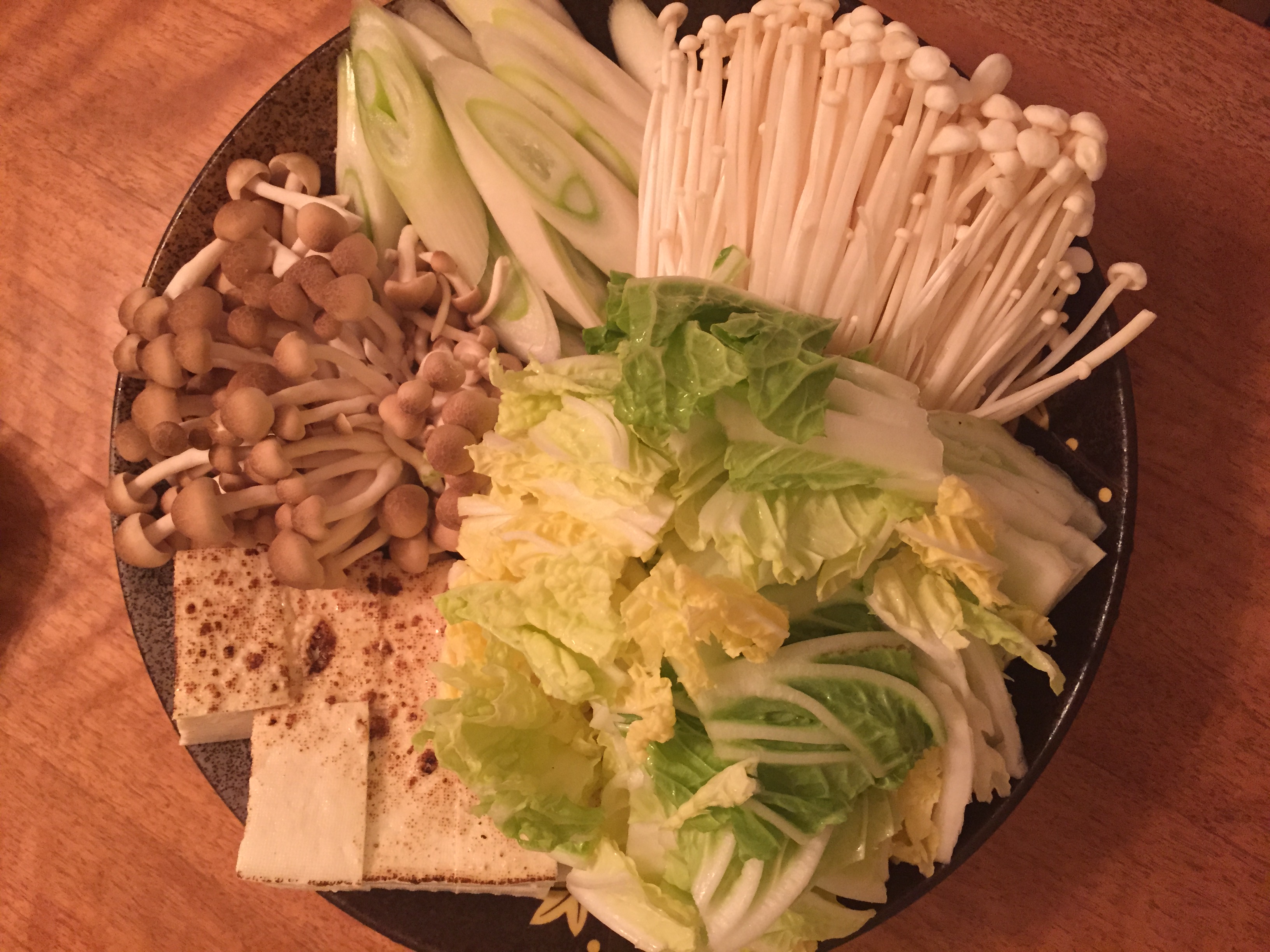
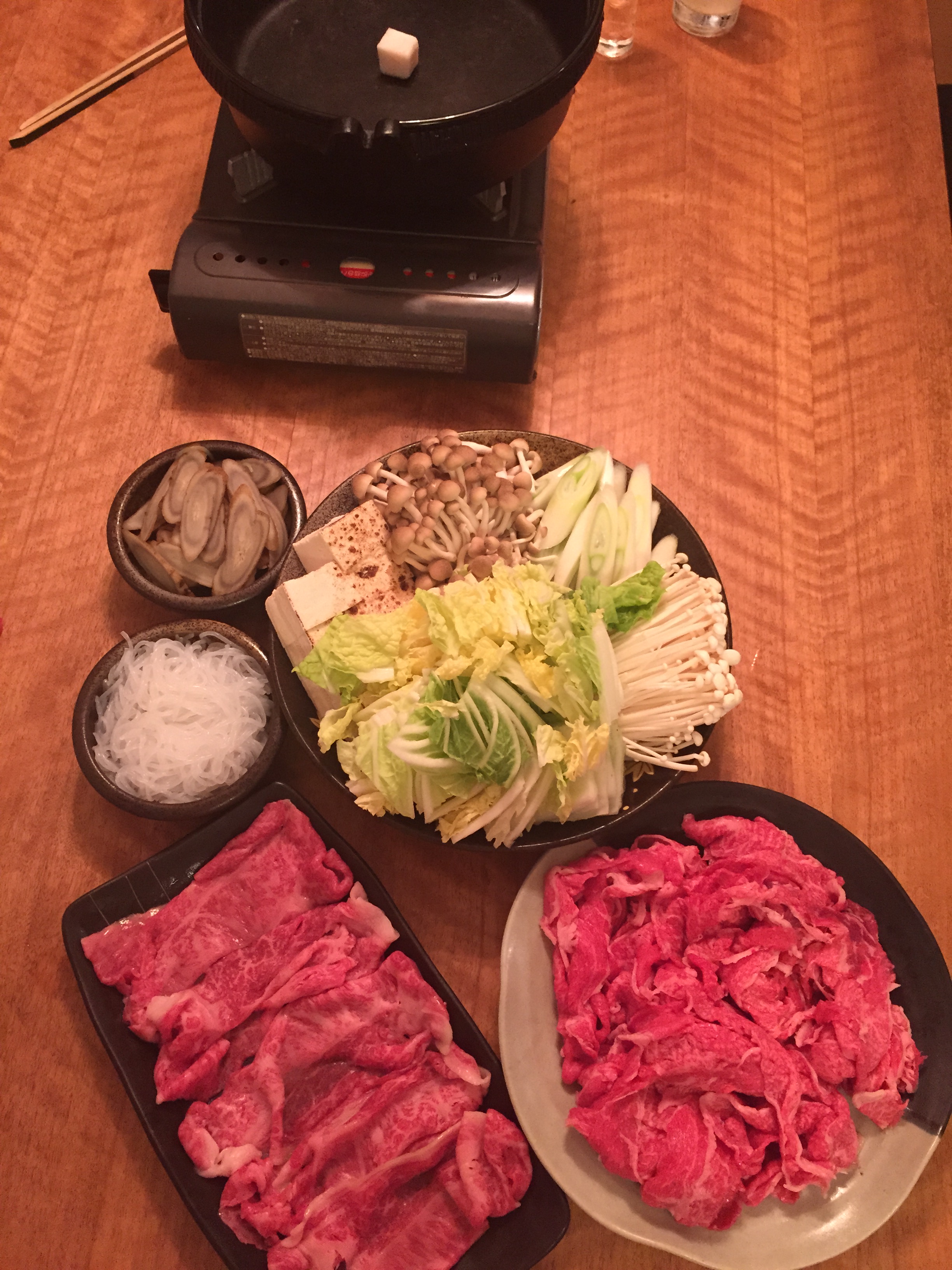
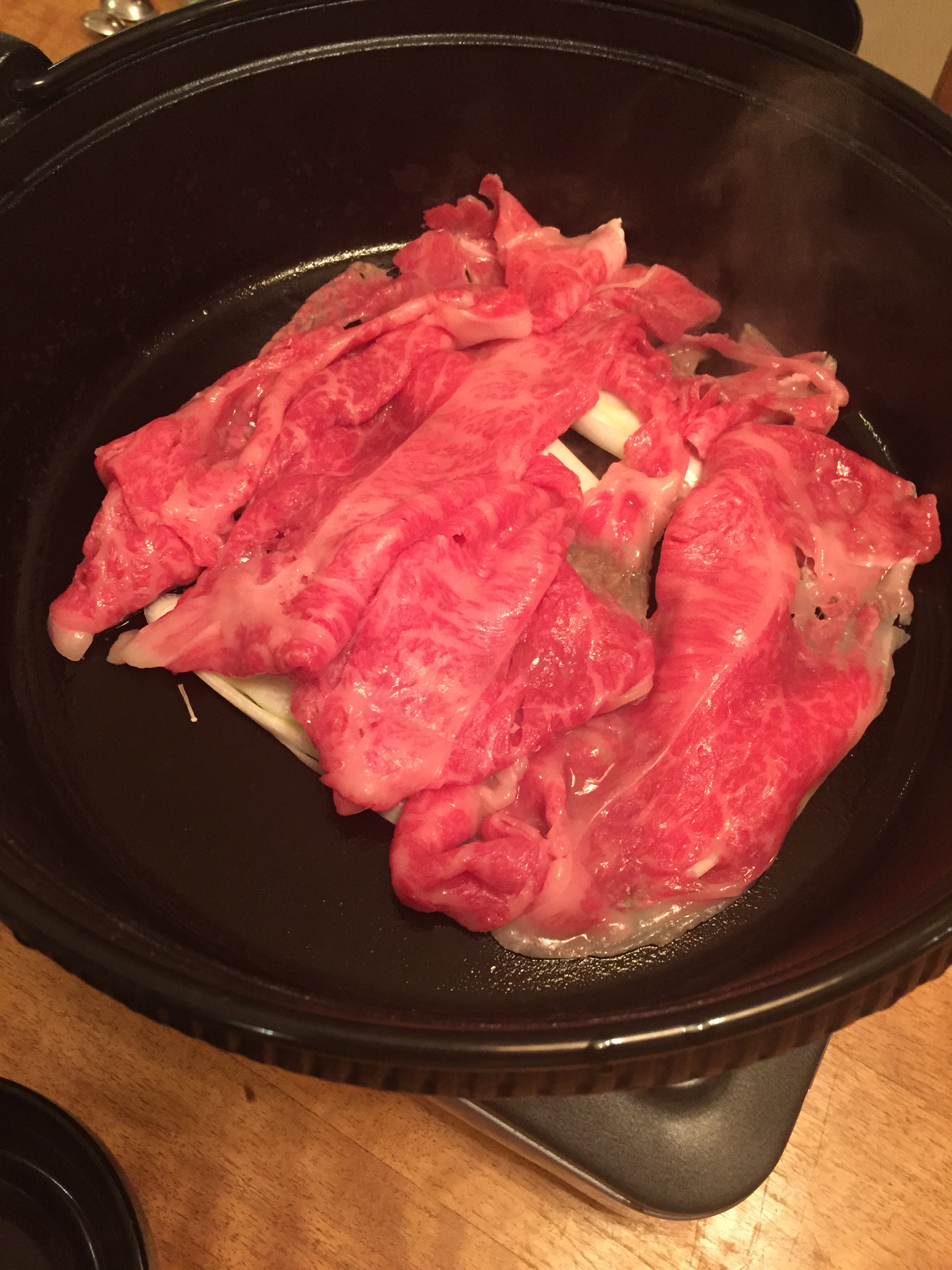
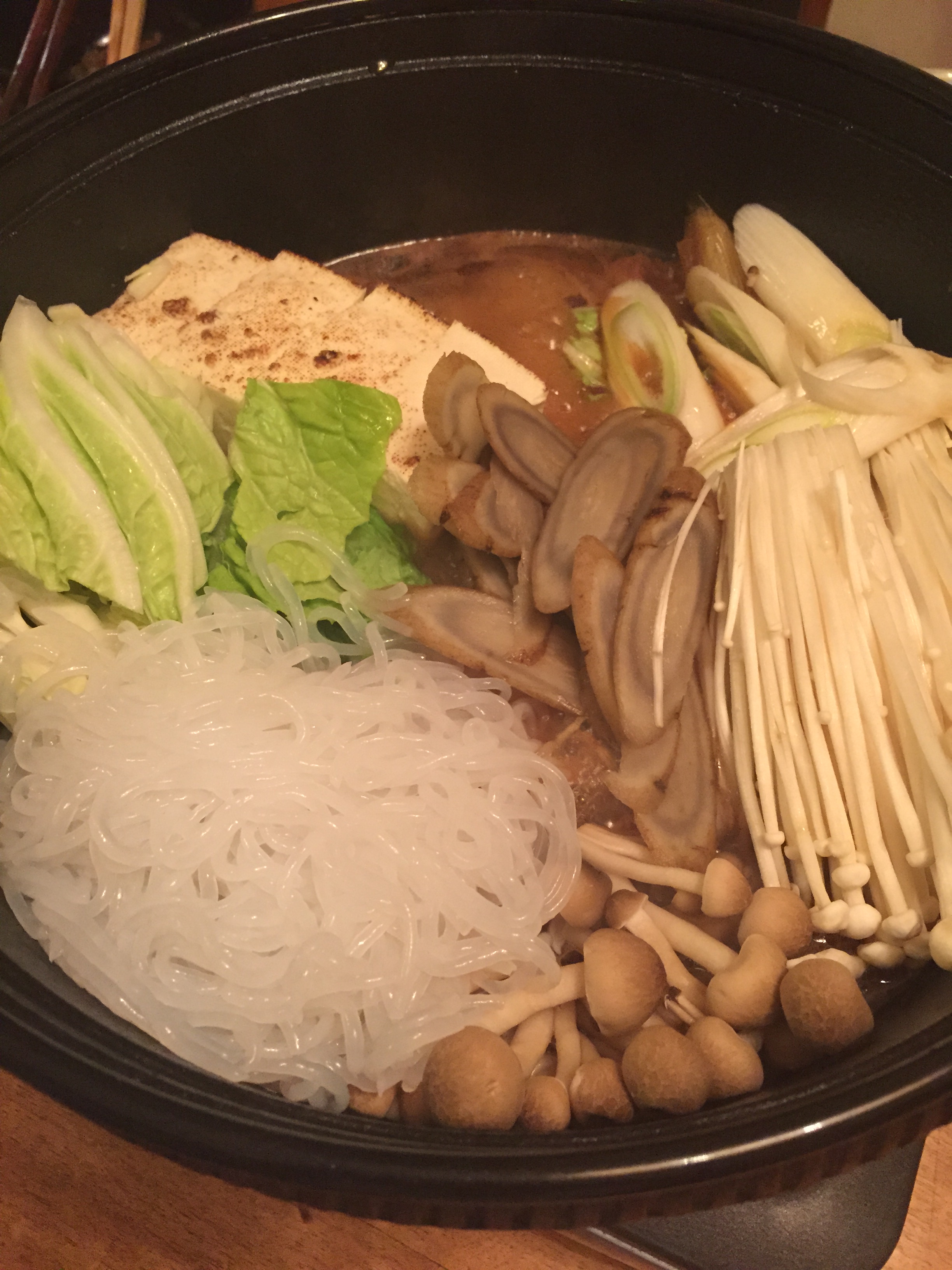
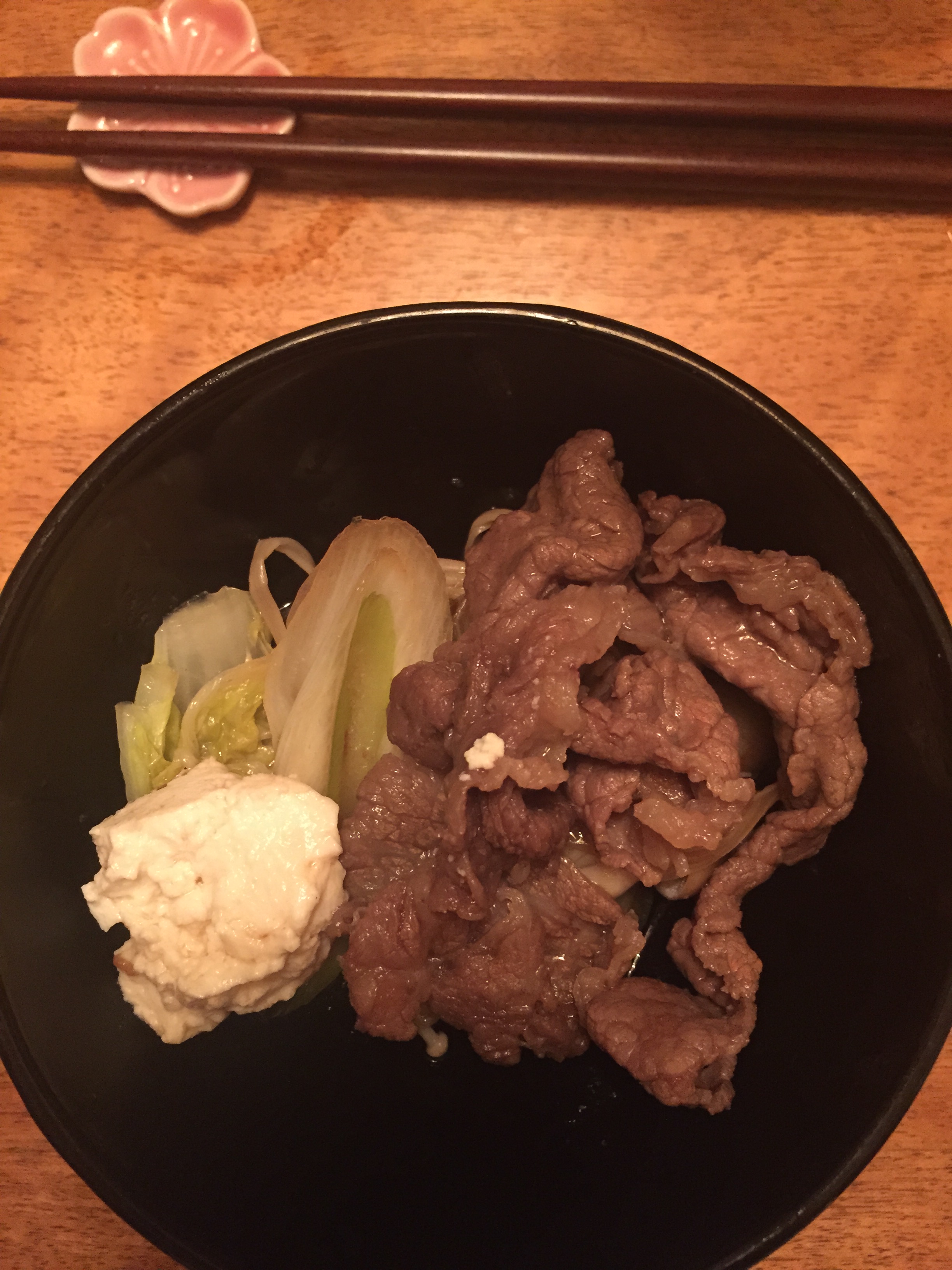
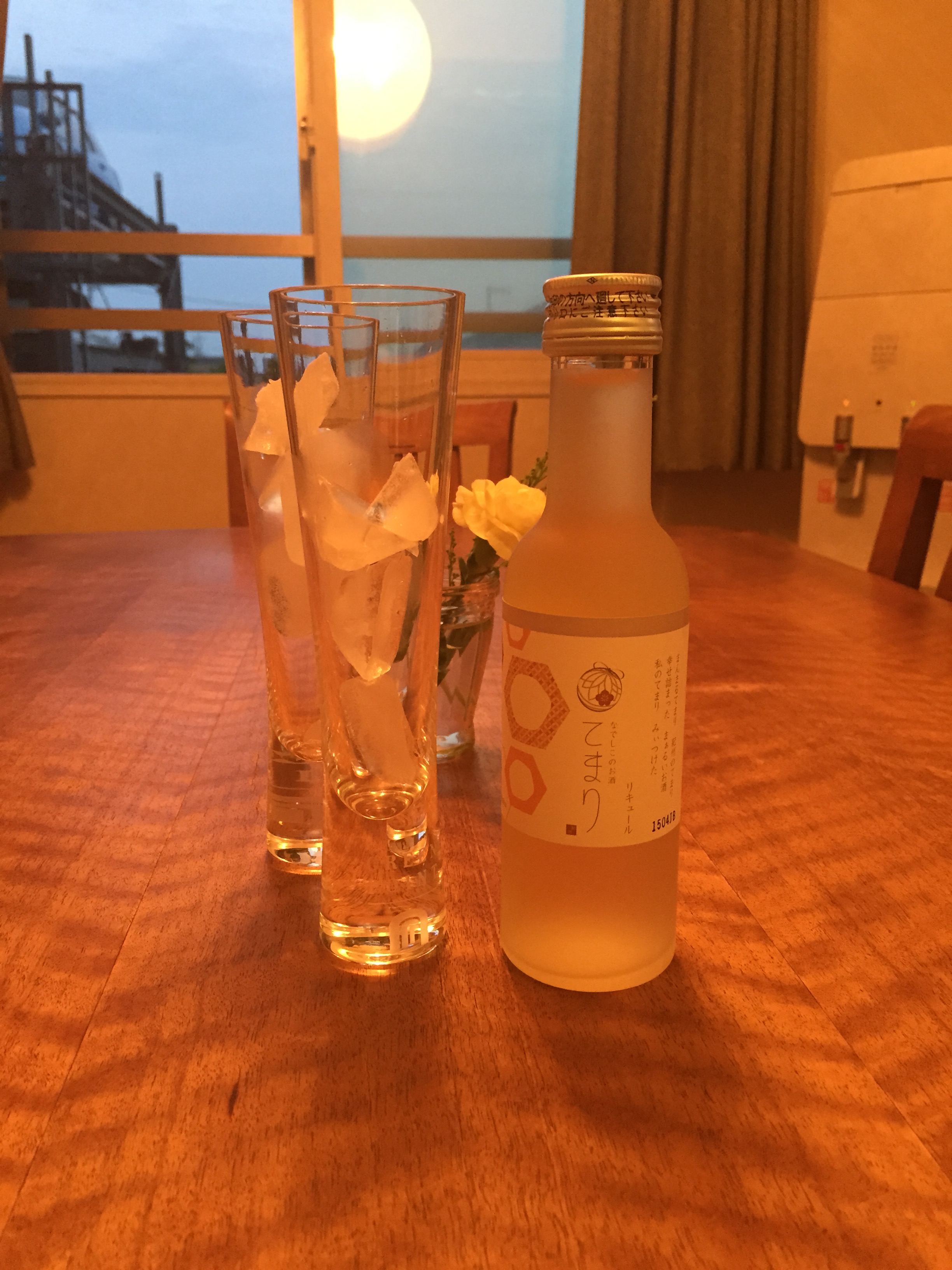
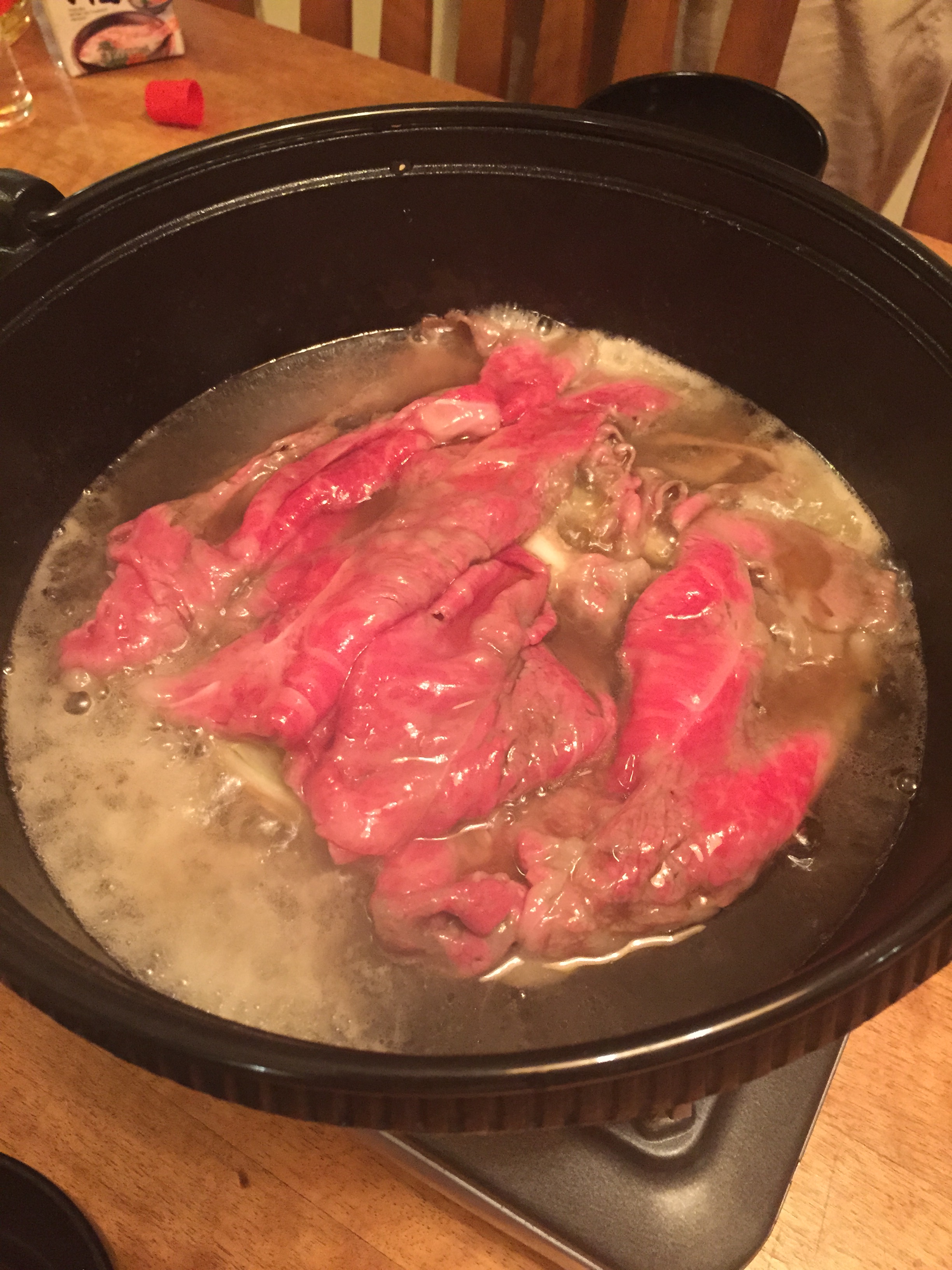
Hasegawa Happy Hour at the Suzukis, yuzu umeshuDuring our stay in Tokyo we were lucky enough to have happy hour with Jess and her family. We drank yuzu umeshu (plum wine) cocktails and Jess made sukiyaki. Sukiyaki, made at the table in a Japanese hot pot, usually consists of meat and vegetables cooked in a broth of soy sauce, mirin, and sugar. Hasegawa Happy Hour at the Suzukis, sukiyakiHasegawa Happy Hour at the Suzukis, sukiyakiJess sliced up the vegetables and presented them beautifully, in true Japanese fashion. We had two types of beef, tofu, cabbage, leeks, burdock, two kinds of mushrooms, and noodles in our sukiyaki. Hasegawa Happy Hour at the Suzukis, sukiyakiJess browned the meat a bit first (on a pile of leeks!) Hasegawa Happy Hour at the Suzukis, sukiyakiAnd then she added the broth to finish cooking the meat. Hasegawa Happy Hour at the Suzukis, sukiyakiAnd then Jess removed the meat to make room for the pile of vegetables and noodles. Hasegawa Happy Hour at the Suzukis, sukiyakiMmmm…it was delicious. The beef was perfectly seasoned by the slightly sweet broth and the vegetables’s textures were the perfect complement. Naoto and I think a nabe pot and a table-top burner is in our future. I definitely think it would be a fun cold-weather activity with friends!

And, to add a little excitement to the evening, there was a sizable earthquake (7.8) that night off the coast of Japan! It was a little bit scary because it was so much more powerful and lasted a lot longer than the other tiny earthquake I’d experienced in Japan before. I just kept looking at Jess to see if she had any panic in her eyes. (She didn’t and she calmly turned off the burner in case things did get any scarier!) We turned on the TV to see that the subways had been briefly halted, but by the time Naoto and I left, everything was up and running like nothing had happened.

Whew!

Thanks for being such great hosts, Jess, Keiichi and Ethan!

Tagged , , , ,

Spending the Yen 7: Kyukyodo

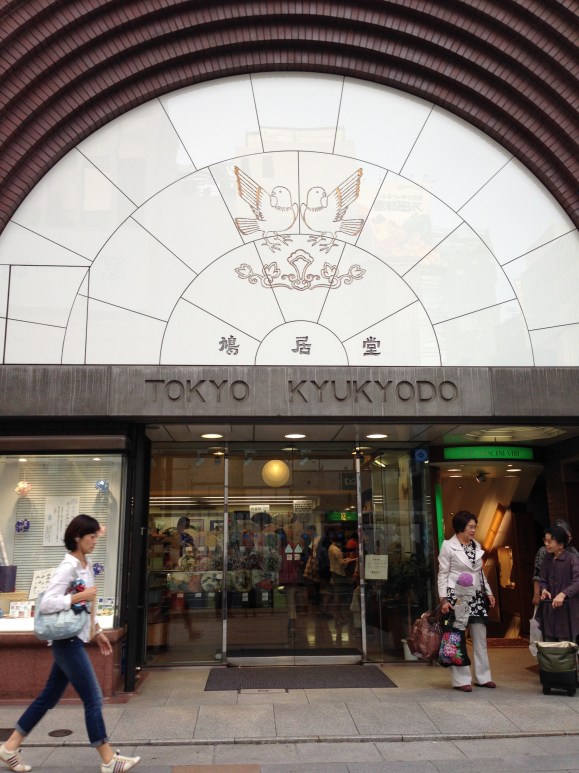
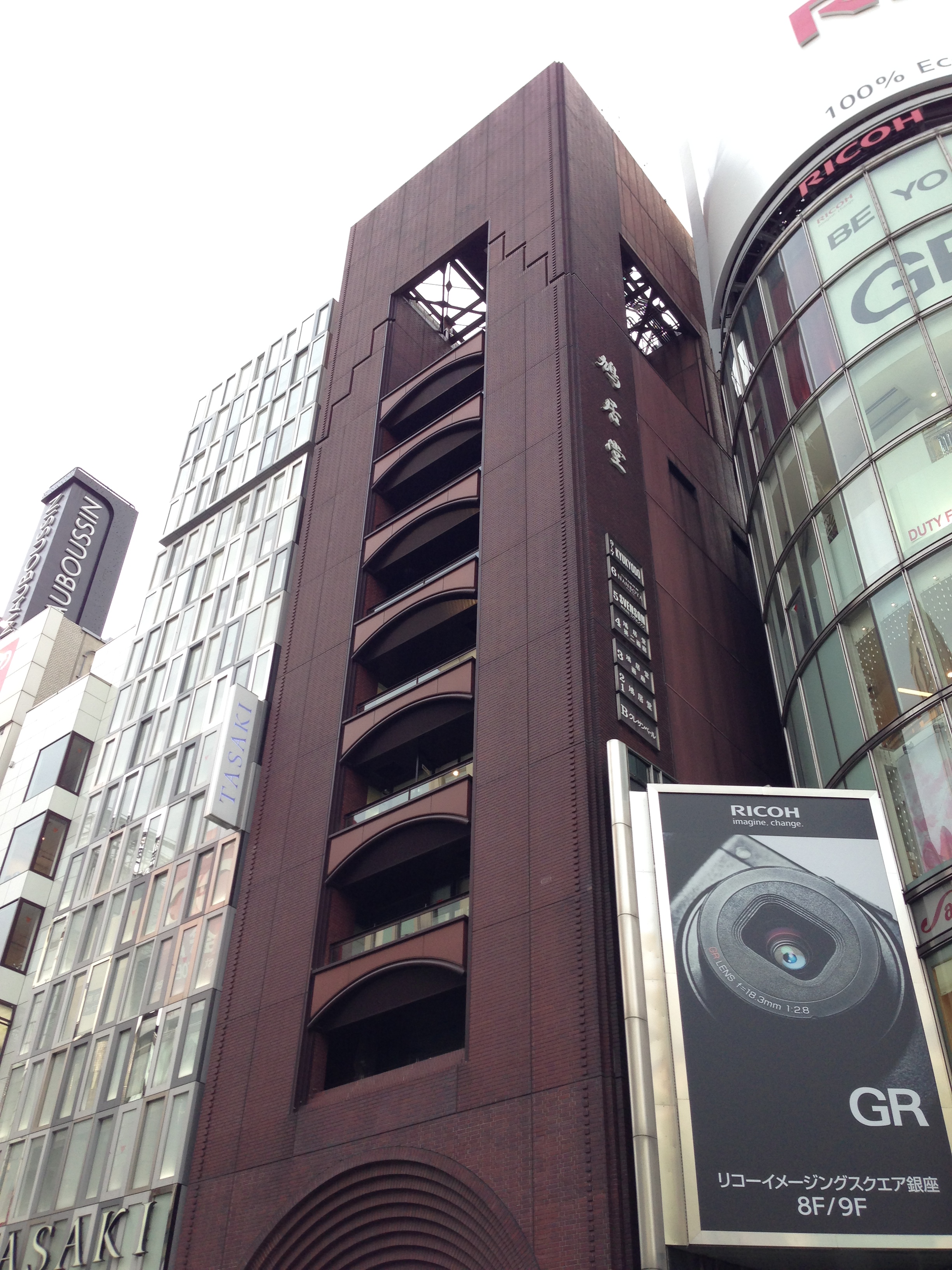
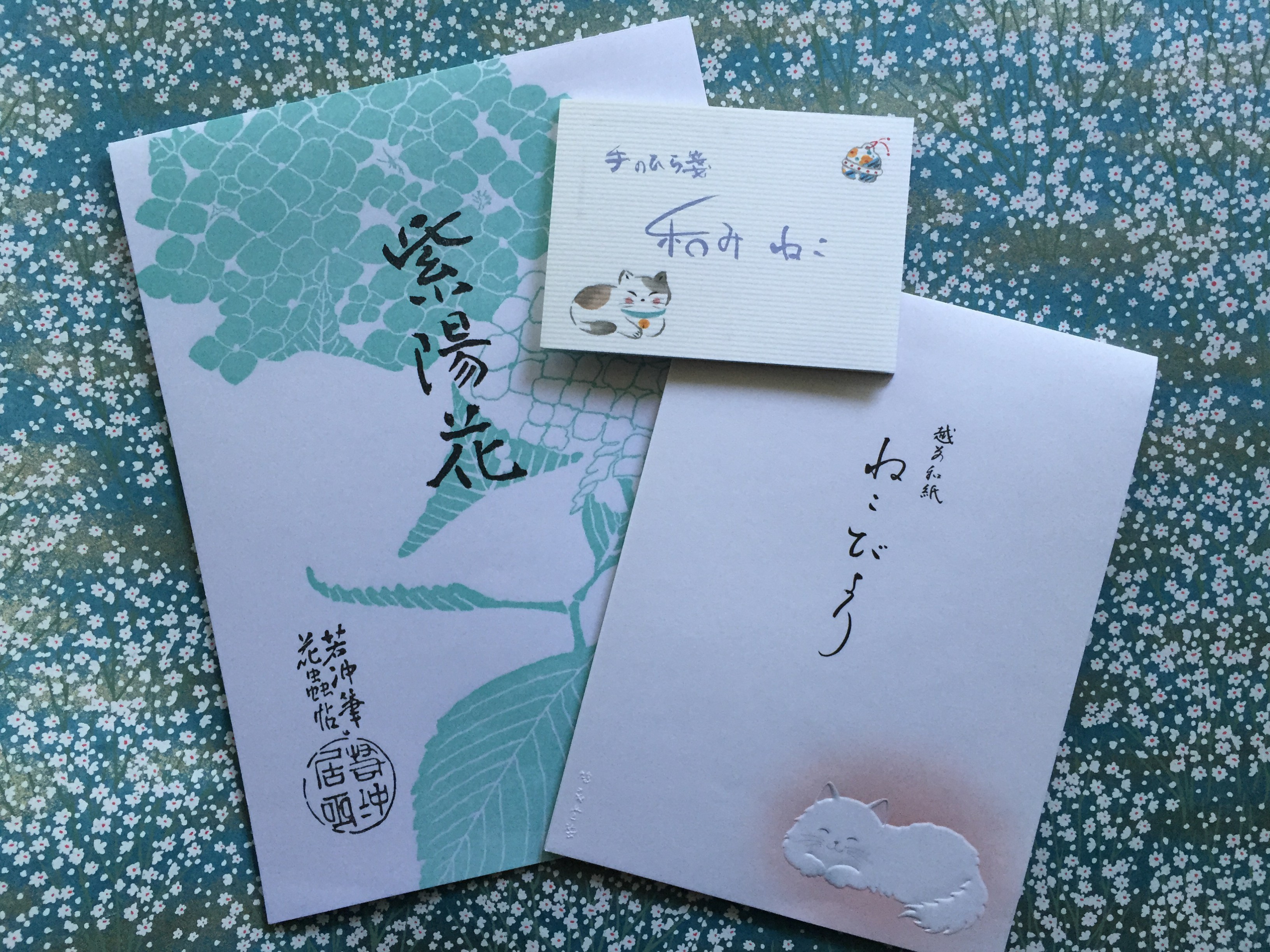
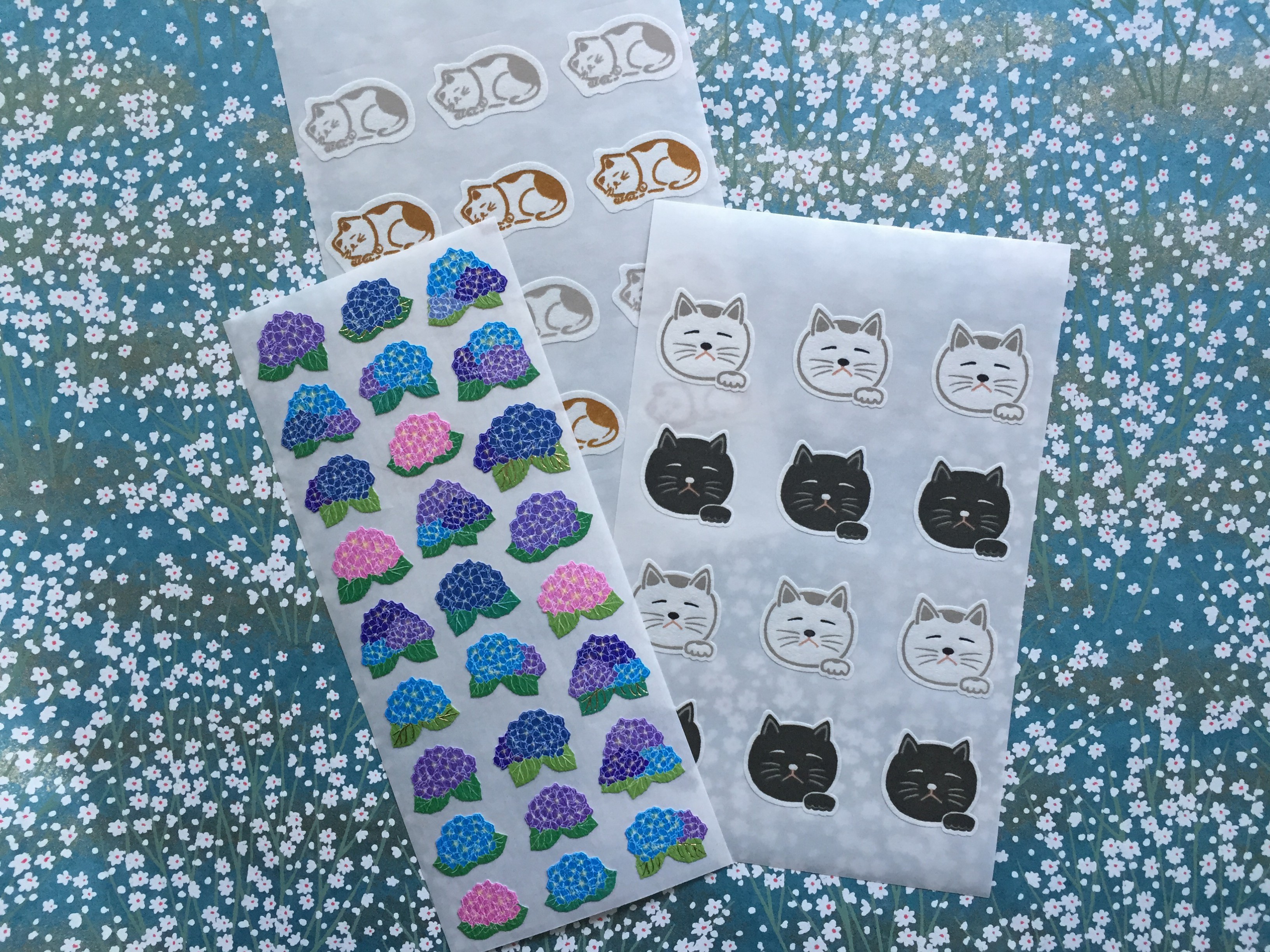
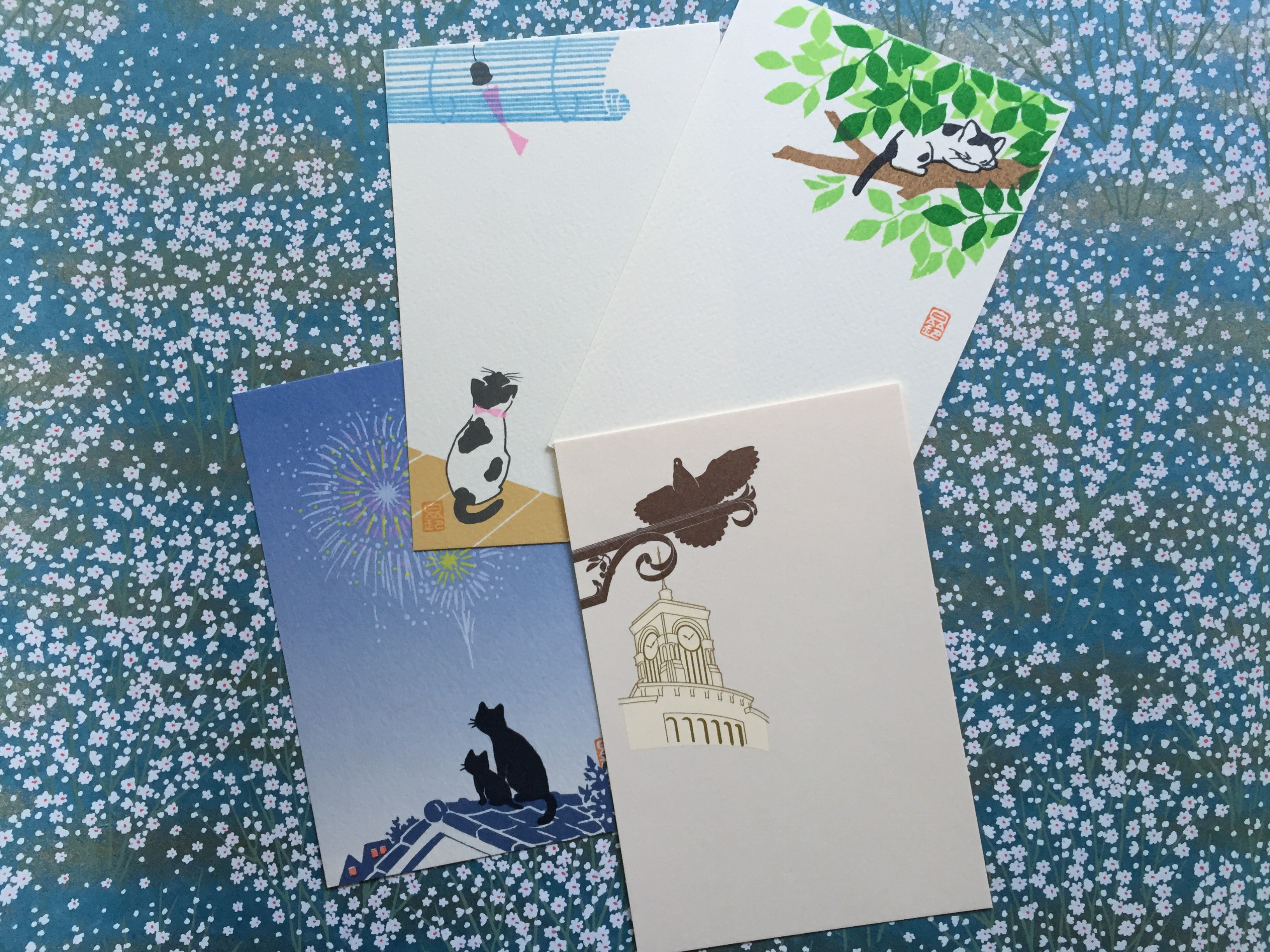
Kyukyodo, Tokyo, Ginza, stationery storeLast year, Jess introduced me to Kyukyodo and I fell in love. Located in Ginza and just down the street from Itoya, Kyukyodo is filled with traditional Japanese stationery and paper gifts. The store opened in Kyoto in 1663 and moved to Tokyo in 1880 and it’s still run by the same family! Kyukyodo, Tokyo, Ginza, stationery storeThe building is dark brick and very traditional looking, sandwiched between modern steel and glass towers in Ginza. Kyukyodo has only two floors dedicated to the shop: the main floor with all of the stationery and handmade washi gifts and the second floor with amazing (and expensive) calligraphy supplies and wall art.* We spent most of our time on the first floor, but I think the best part of shopping for stationery in Japan is that you can get some really fantastic stuff without spending a fortune. Kyukyodo, Tokyo, Ginza, stationery, washi stickersKyukyodo, Tokyo, Ginza, stationeryI bought some really lovely letter paper. On this trip, if it had a hydrangea or a cat on it, I almost always bought it… The letter papers are gorgeous. The hydrangea paper is so thin its almost translucent and the kitty paper is lovely washi and the cat and Kyukyodo are embossed. I bought a greeting card with the same cat image to send to a friend for her birthday. Kyukyodo, Tokyo, Ginza, stationery, washi stickersI also bought a few sheets of washi paper stickers. The sleepy kitty and “fist-bump” cats were obvious must-haves and the hydrangea stickers have a really pretty texture and delicate gold accents. Kyukyodo, Tokyo, Ginza, stationery, washi stickersKyukyodo, Tokyo, Ginza, stationery, postcardsAnd I bought plenty of these postcards to send to pen pals and to save in my paper collection. Wind chimes (top left) are a very big thing in Japan this time of year so I bought the cat postcard to remind me of the season. And I love that bottom right card with the pigeon and the Ginza Wako Clock Tower, which is right by Kyukyodo. I found this little video on YouTube where you can see the real clock tower:

Kyukyodo, Tokyo, Ginza, stationery, washi stickersKyukyodo, Tokyo, Ginza, stationery, omiyage wrappingAnd, of course Kyukyodo has beautiful flat paper bags and will separate your purchases into the proper omiyage packages, one of my favorite things about shopping in Japan!

*I apologize that I didn’t take any interior photos, but it was very busy that day and I wasn’t sure of the rules. Itoya doesn’t allow photography in its store, so I wanted to make sure I extended the same respect to Kyukyodo.

Tagged , , , , ,

Spending the Yen 6: Fish Stamp

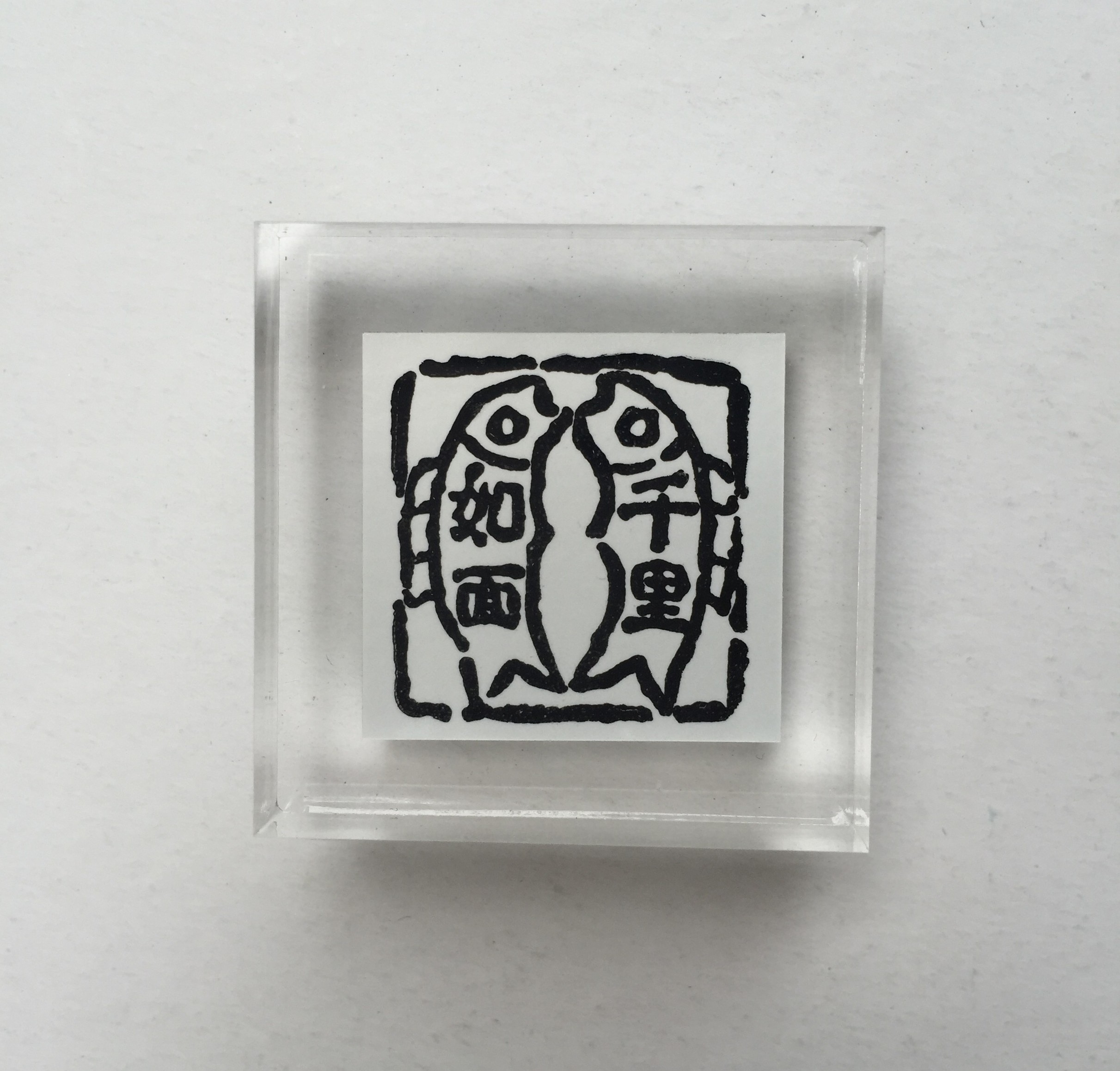
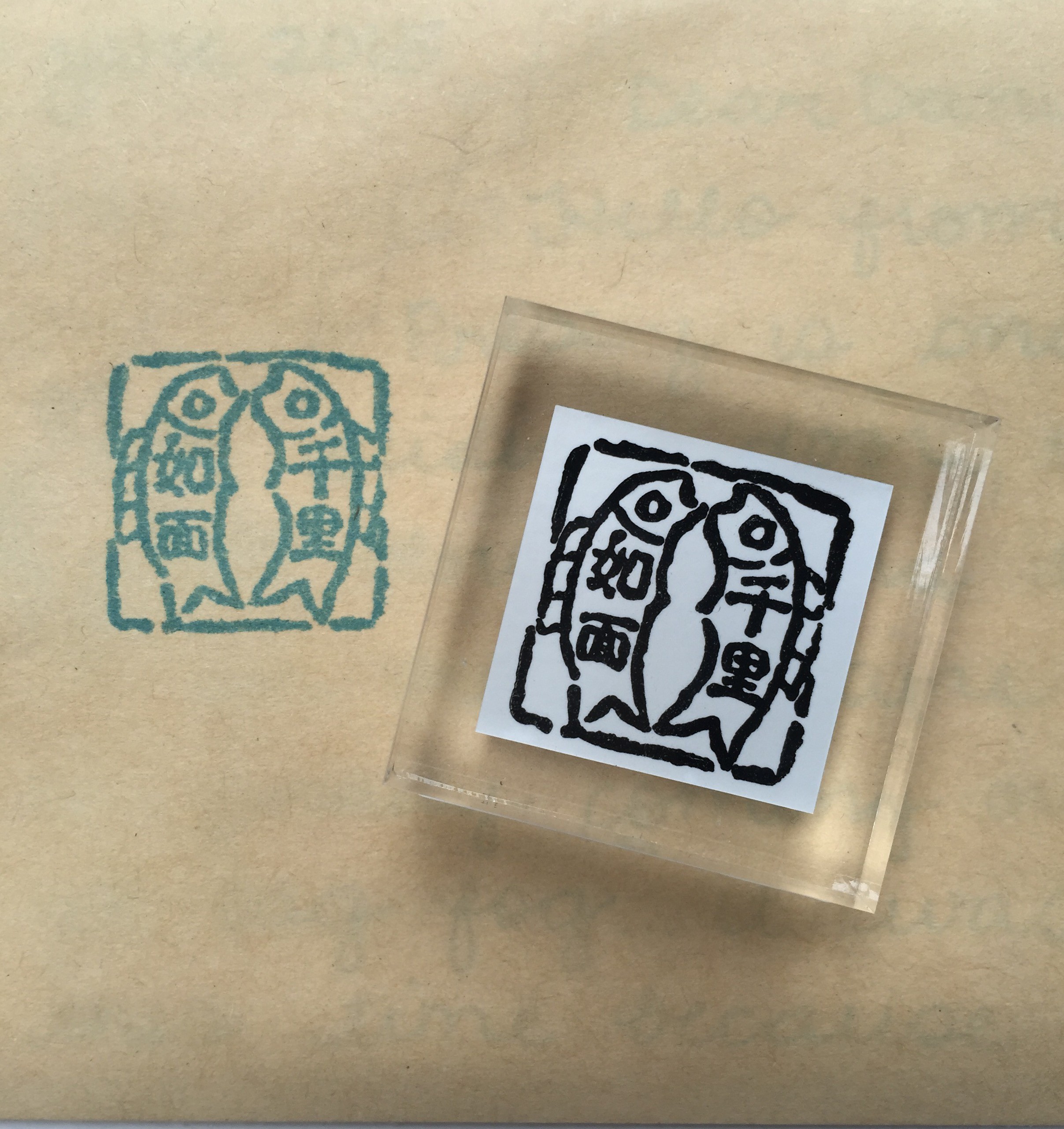
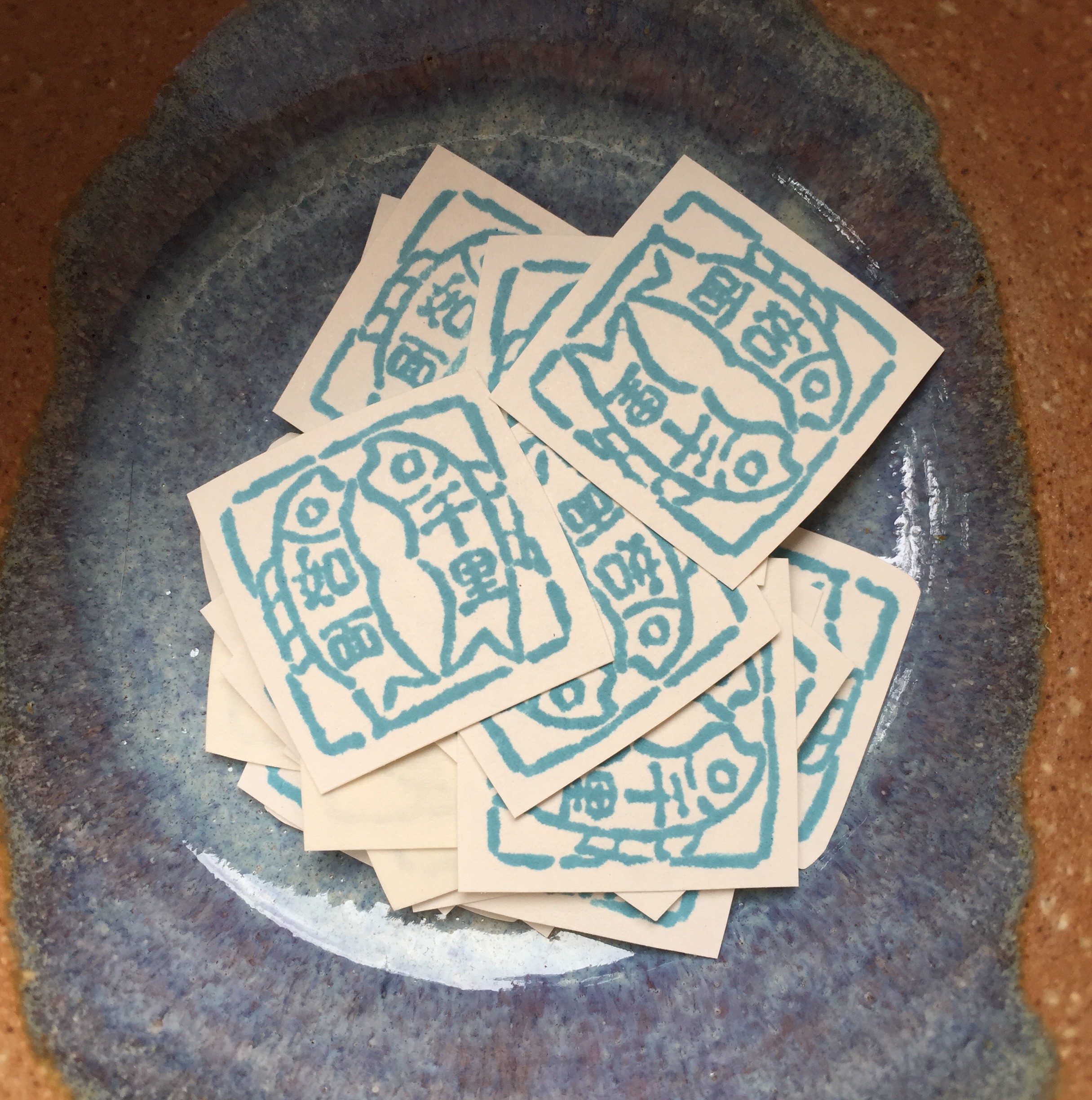
kanji fish stampI picked up this kanji fish stamp in Itoya during our trip and I’m so excited about it. I’ve seen these stamps in previous trips and I’ve always loved the artistry and meanings. I wish I’d written down the artist’s name. He has a whole collection of these stamps, with simple drawings mixed with kanji. kanji fish stamp on mailThis one in particular means (roughly translated) “a feeling that you are face to face even though you are far apart”. Isn’t that a perfect description of letter writing? Naoto, who isn’t often impressed with rubber stamps, convinced me that I needed this stamp in my collection. I’m glad I let him talk me into buying it!kanji fish stamp stickersYesterday was a most beautiful day and I spent some time on the balcony writing letters and using my new stamp. I stamped it on some sticker paper and cut out a bunch of stickers to send to pen pals. I’m very happy to share these sentiments with my letter writing friends!

Tagged , , , , , , , , ,

Naoberly’s Noodle Tour: The Shinyokohama Ramen Museum

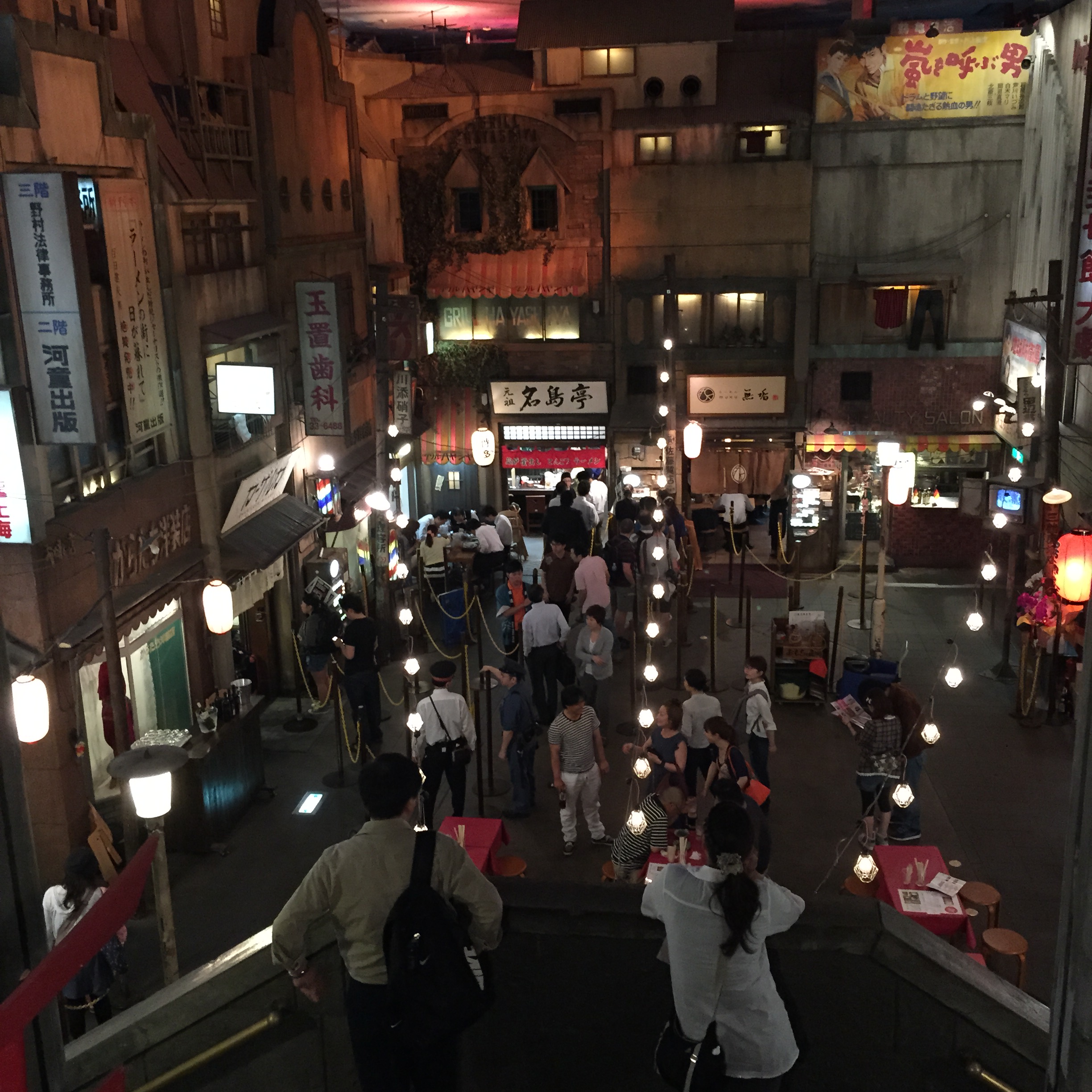
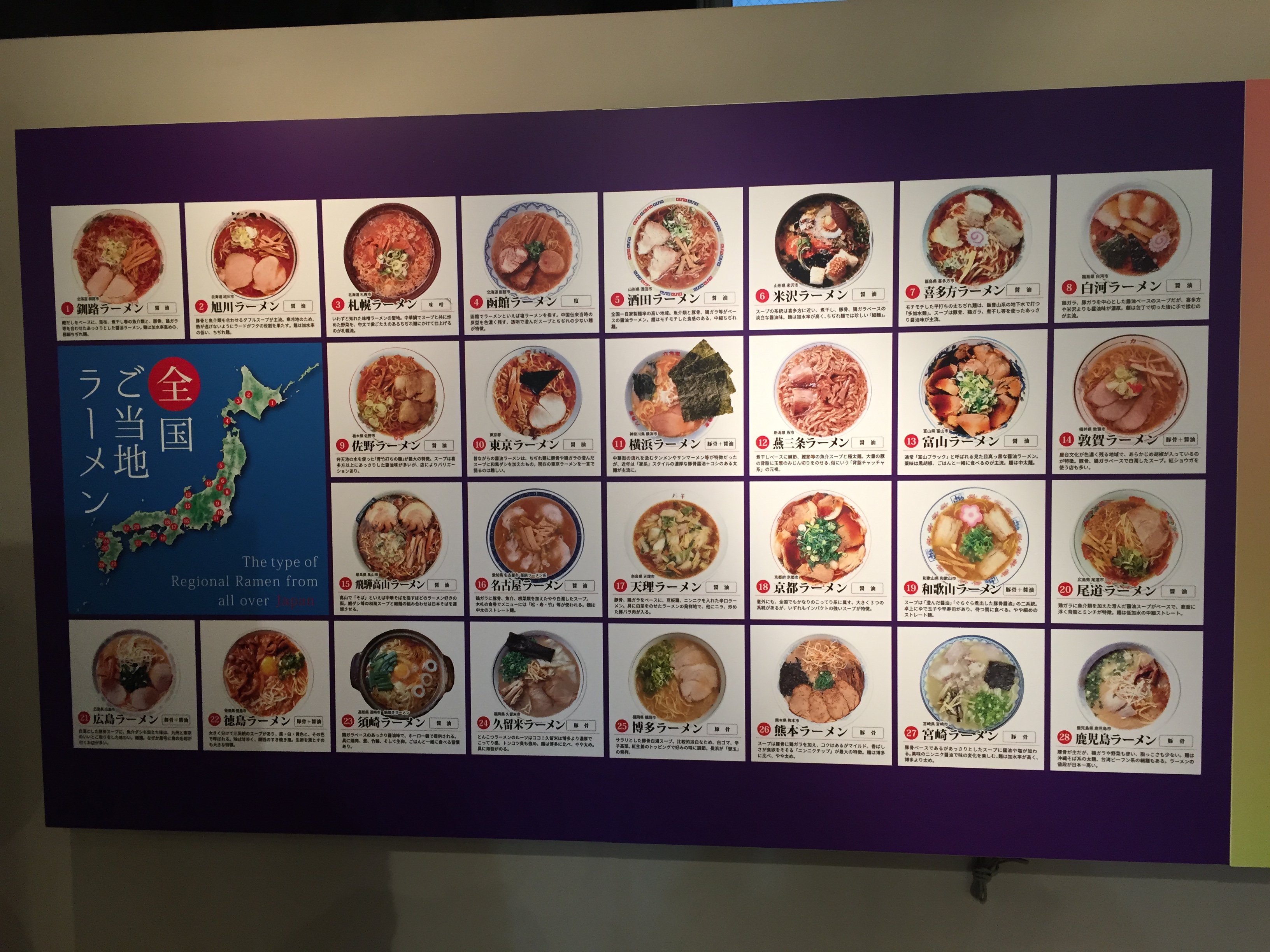
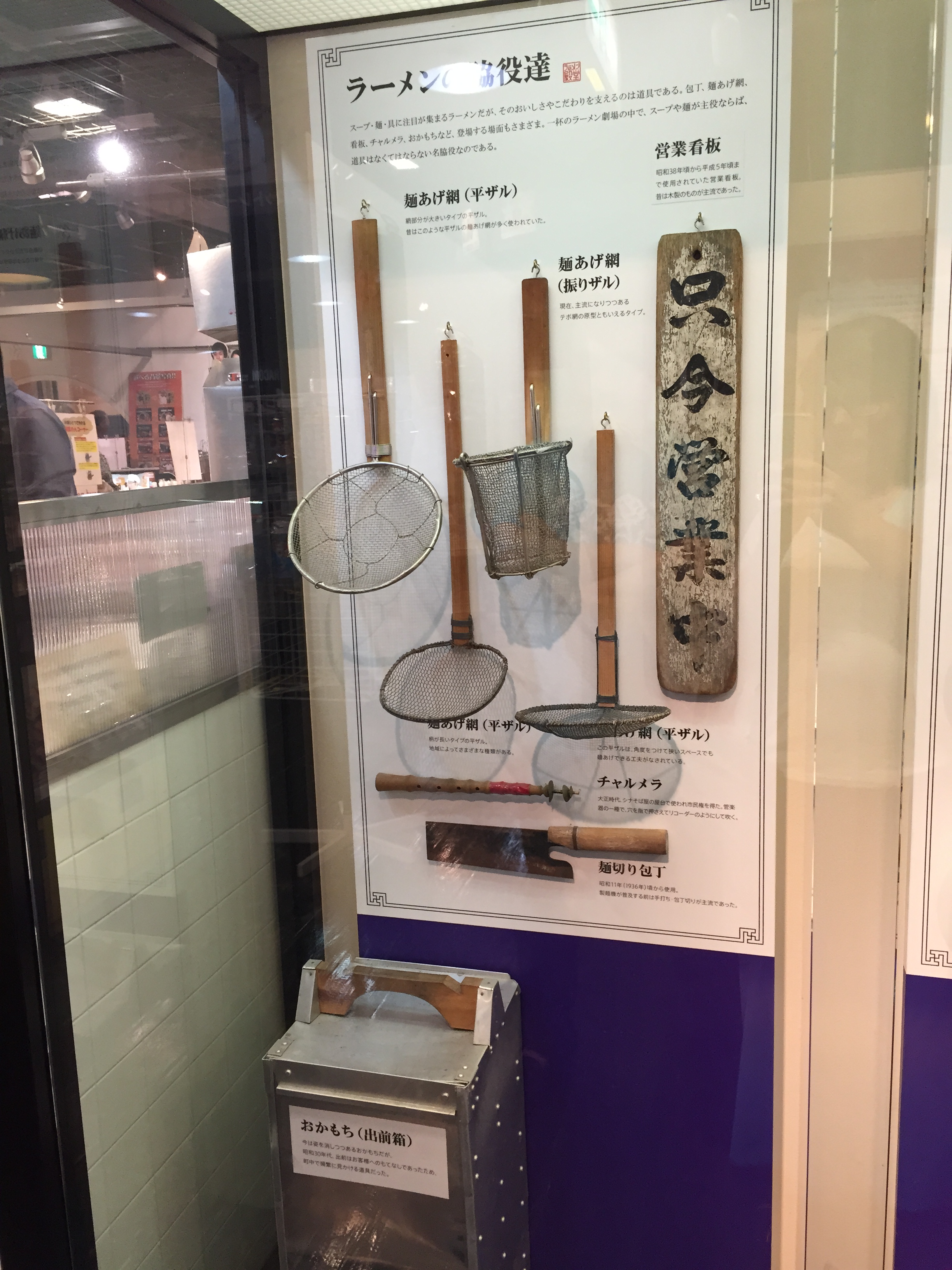
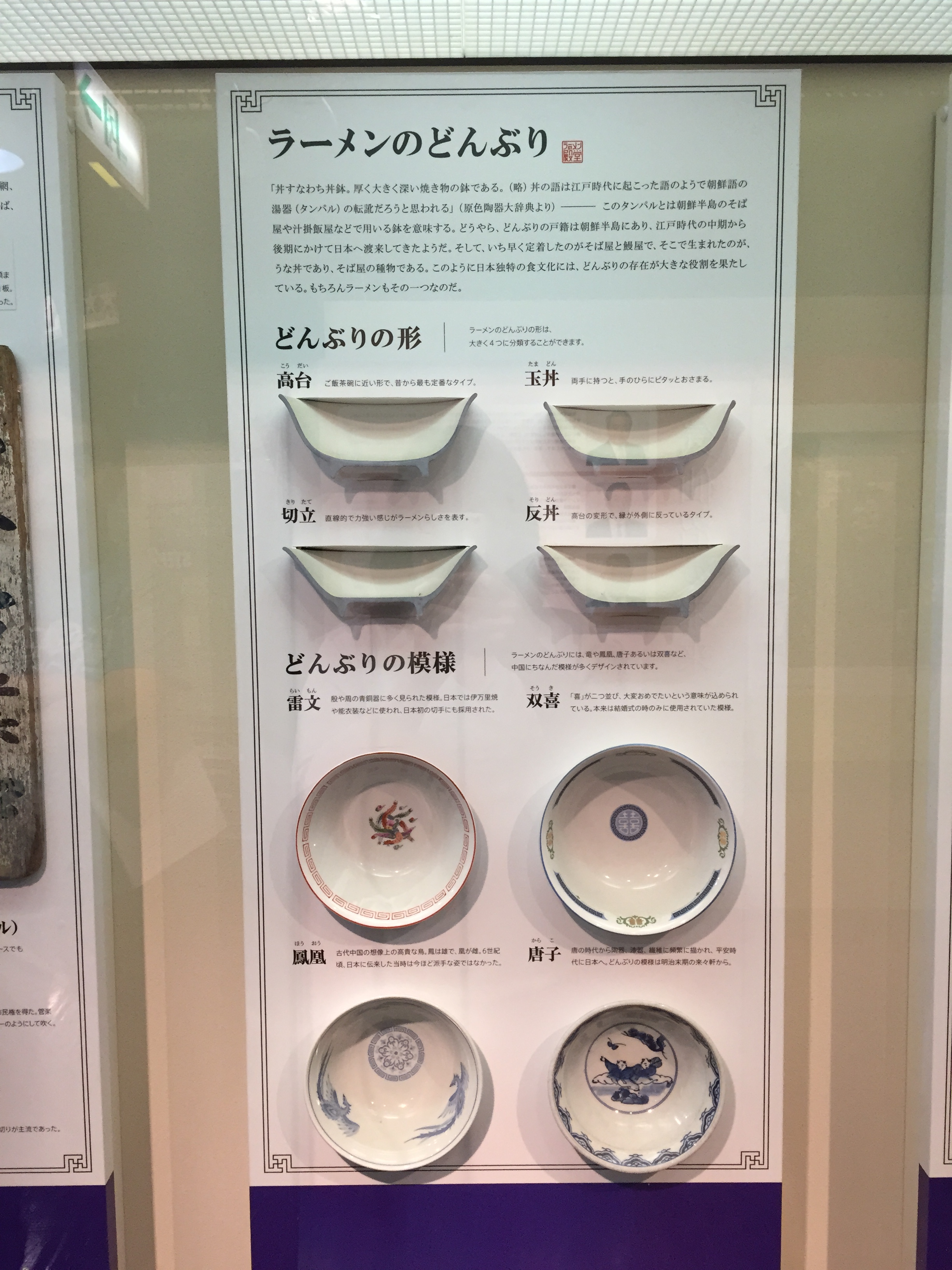
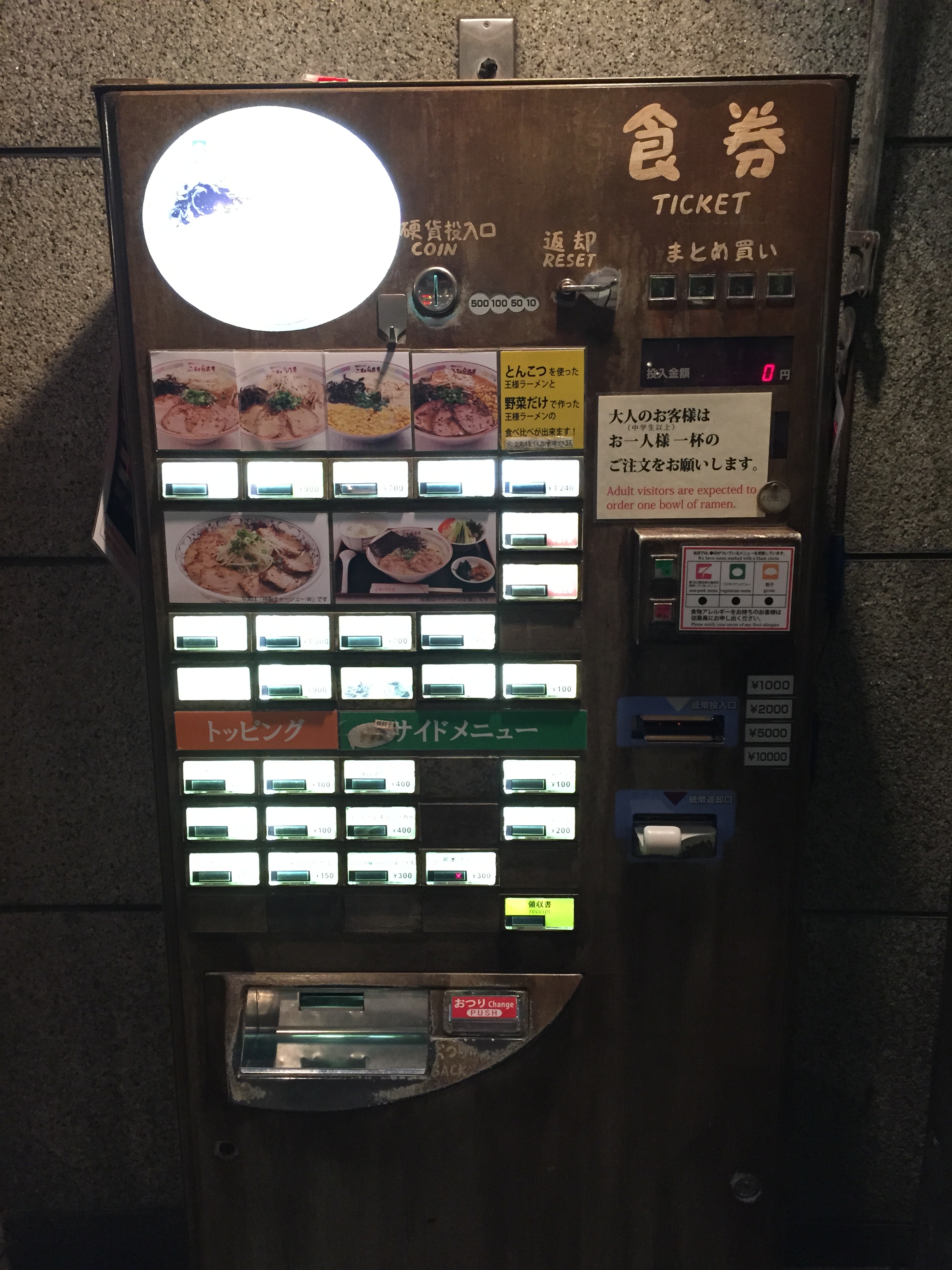
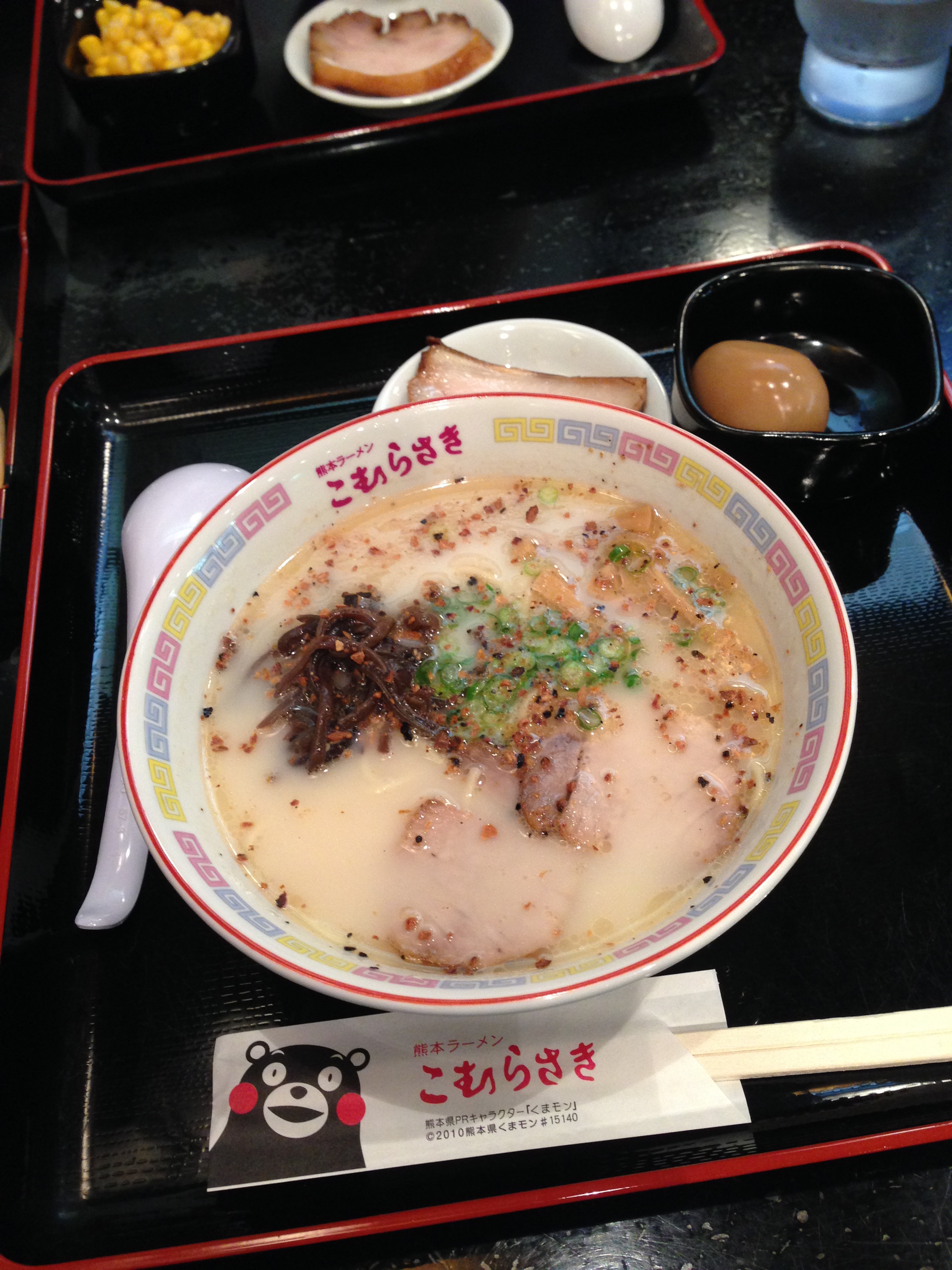
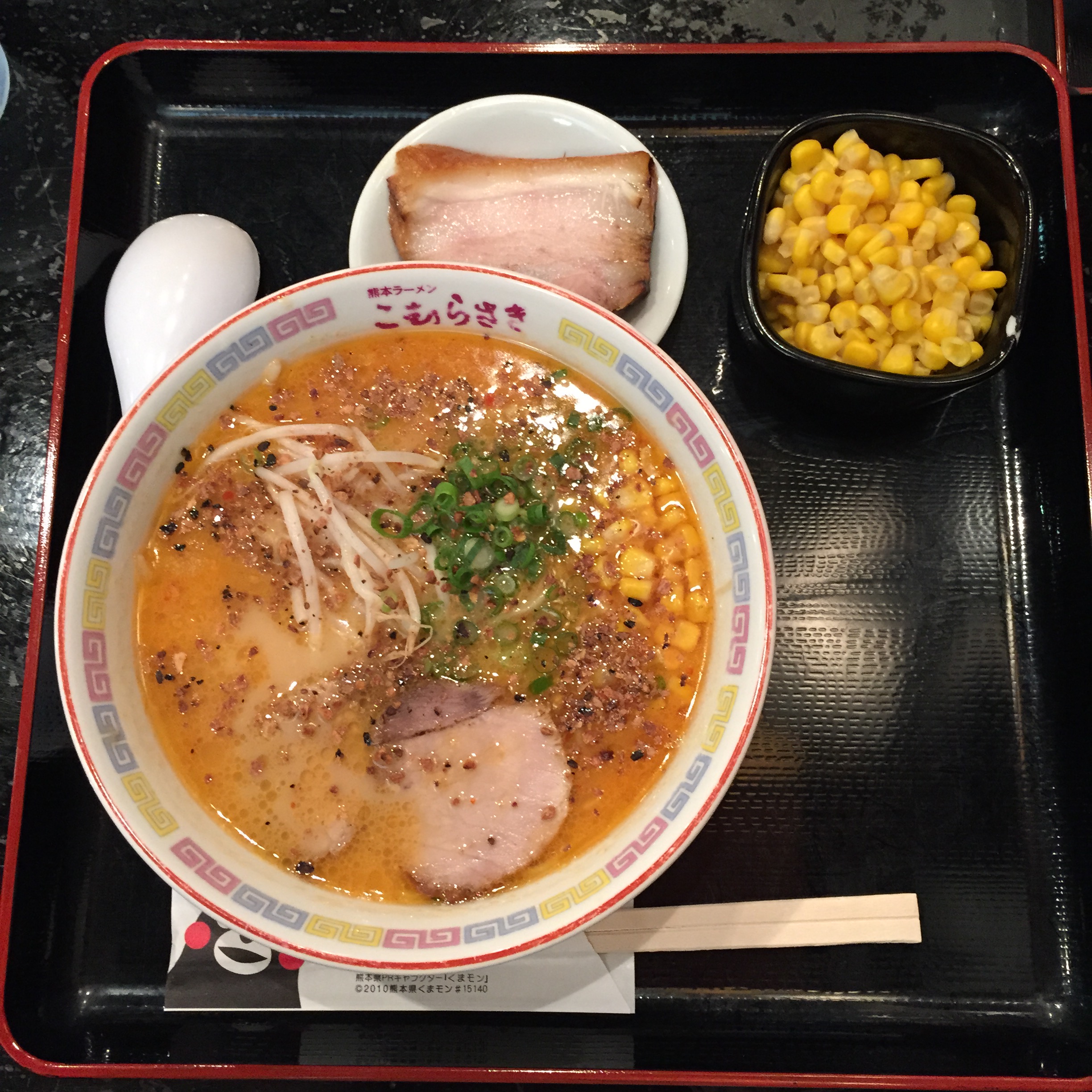
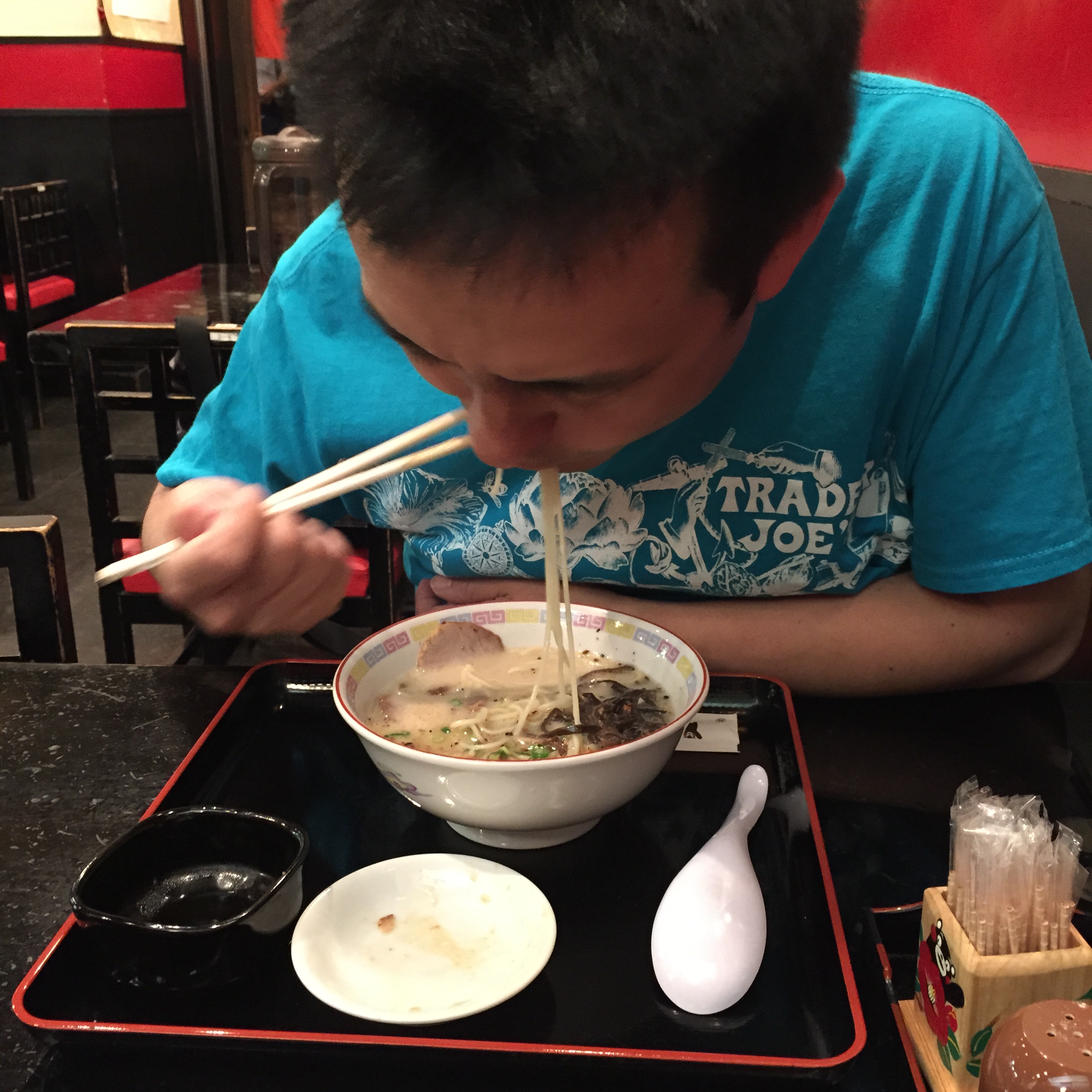
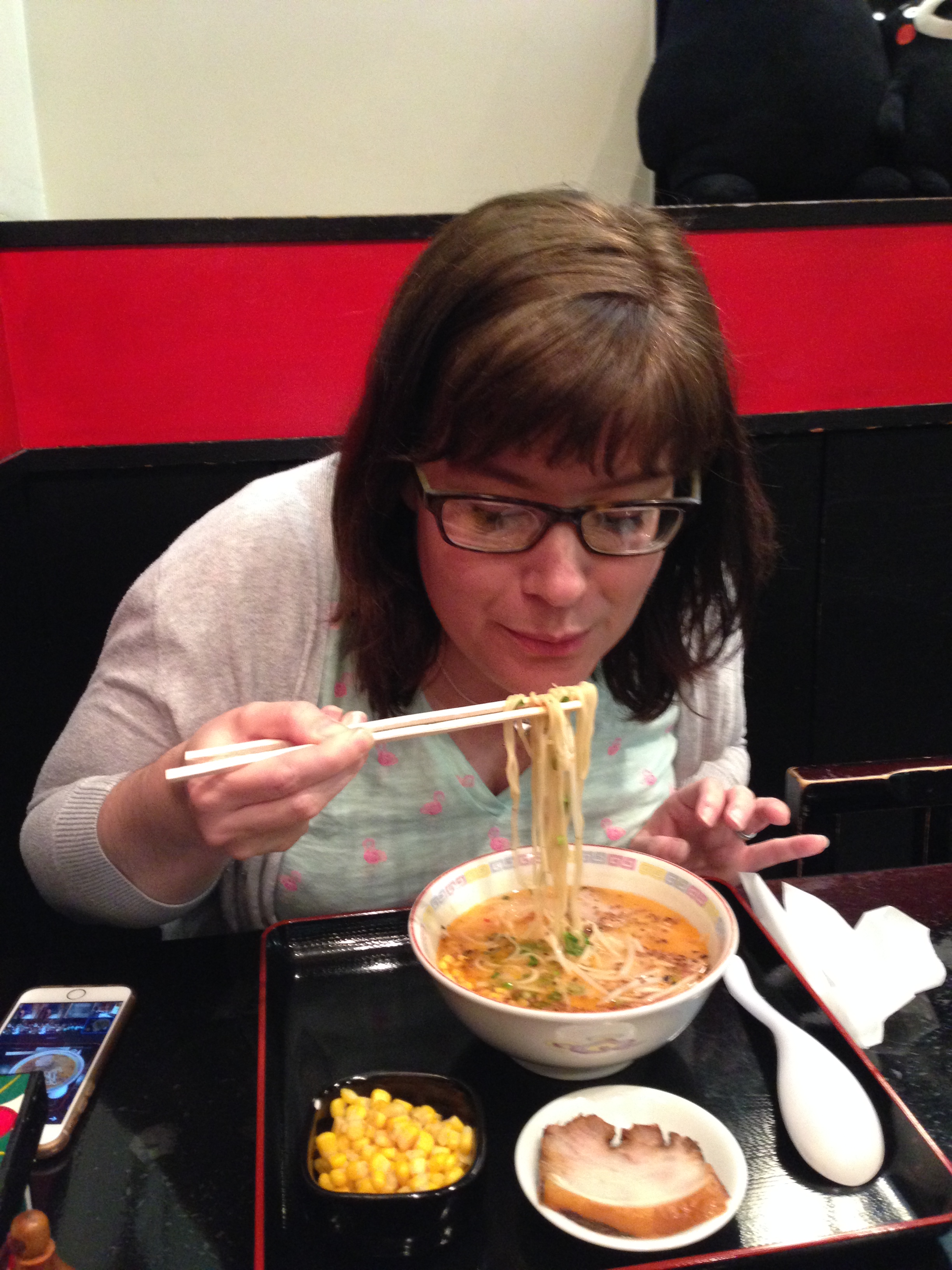
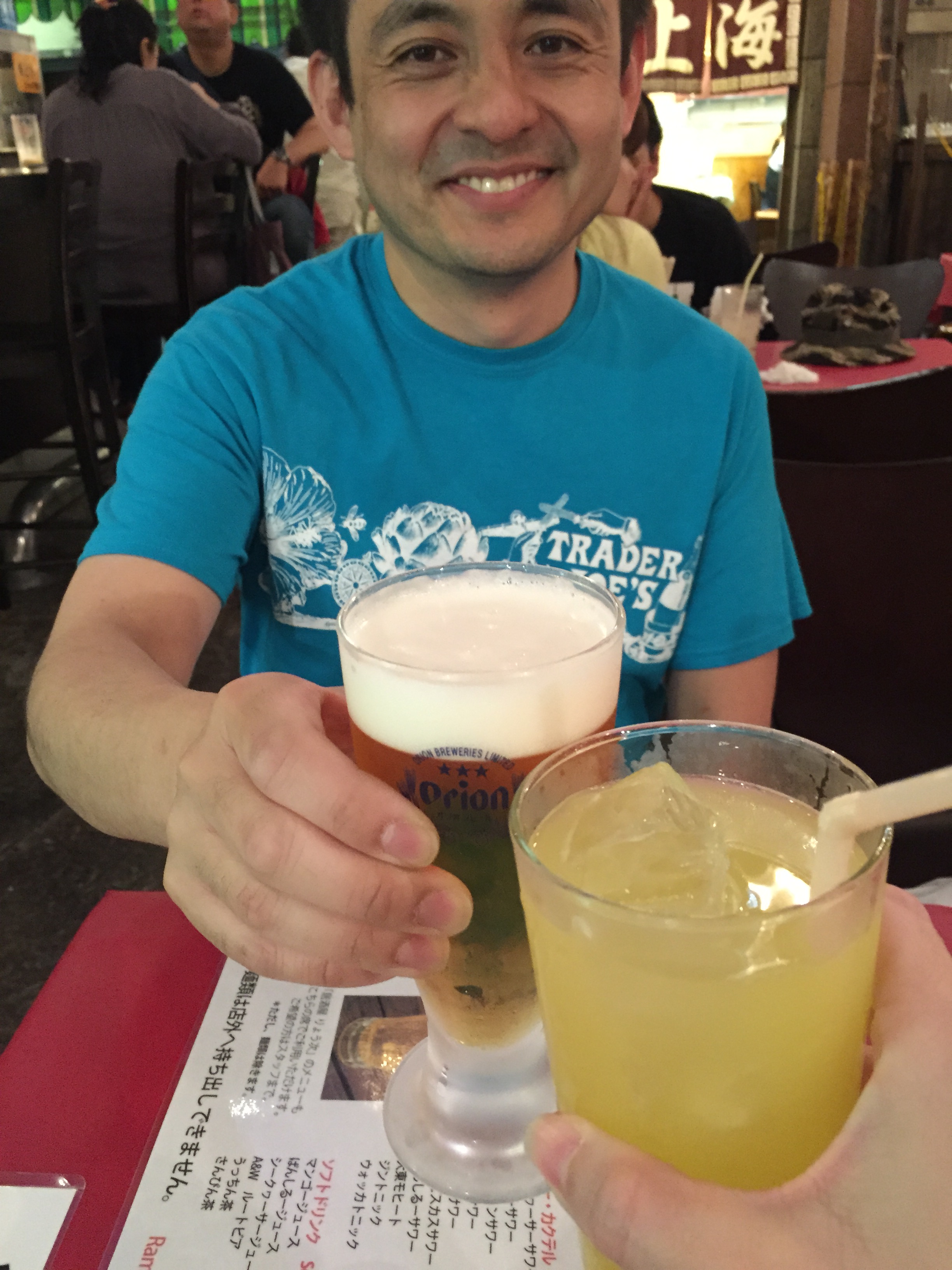
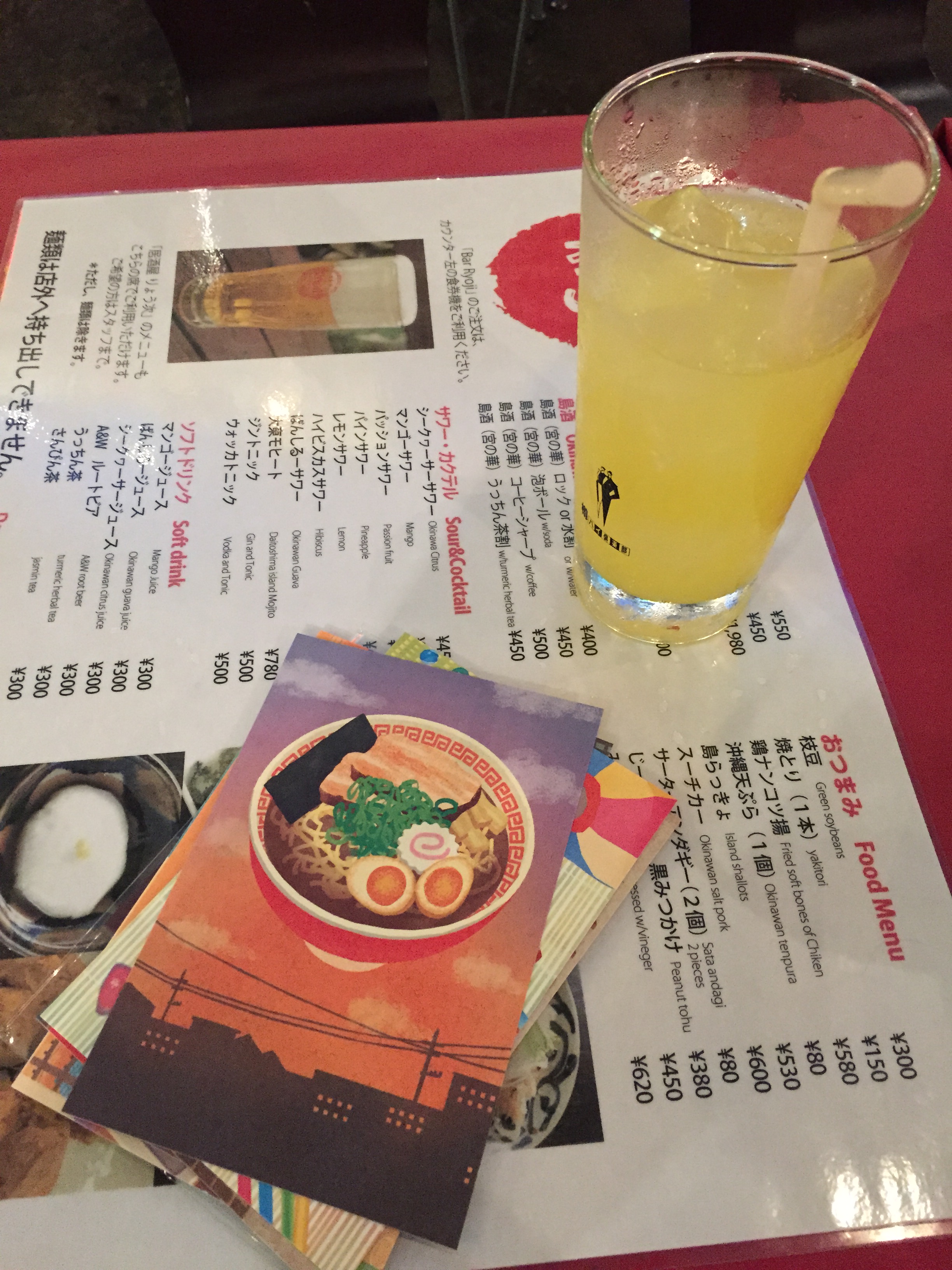
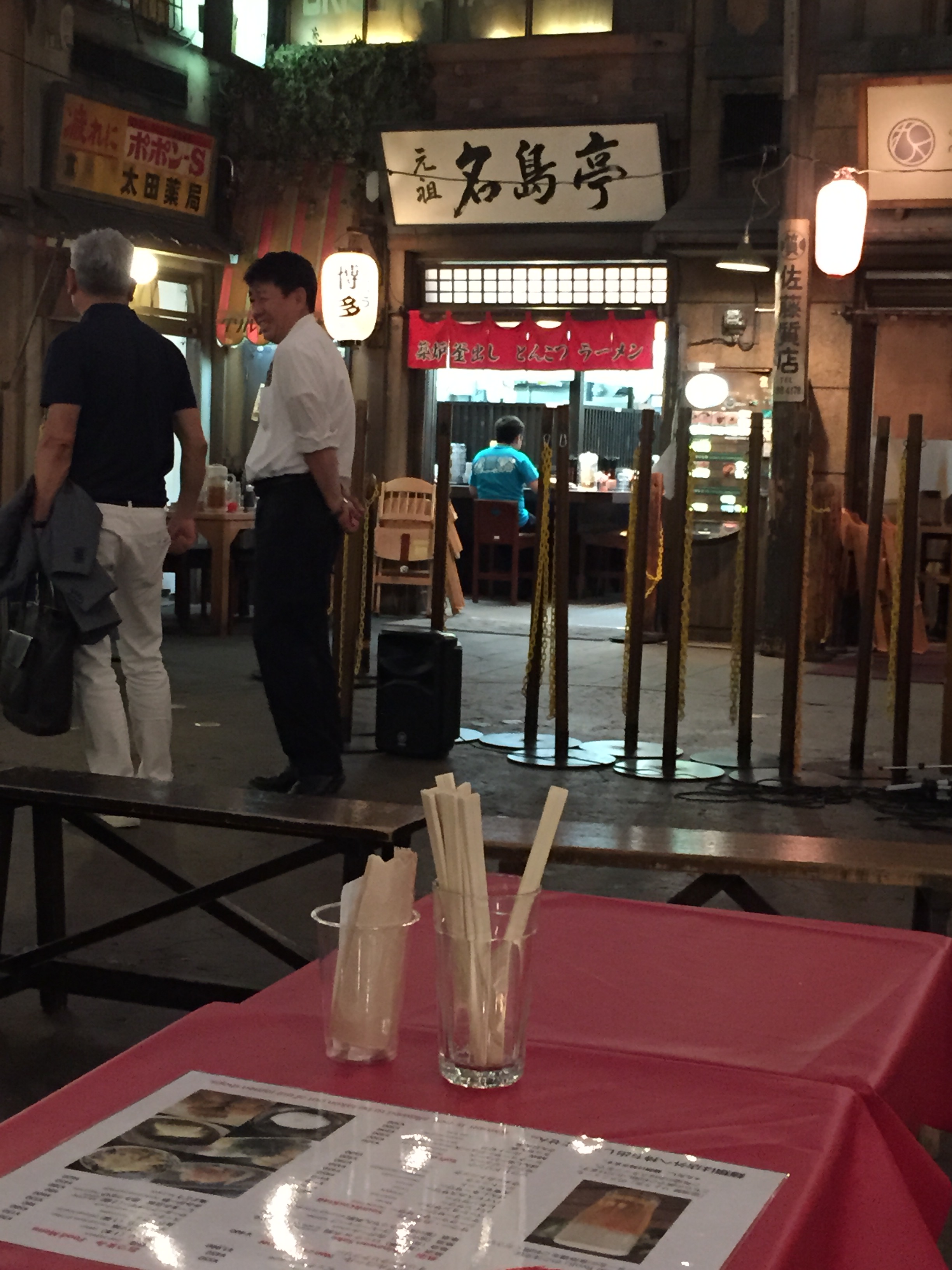
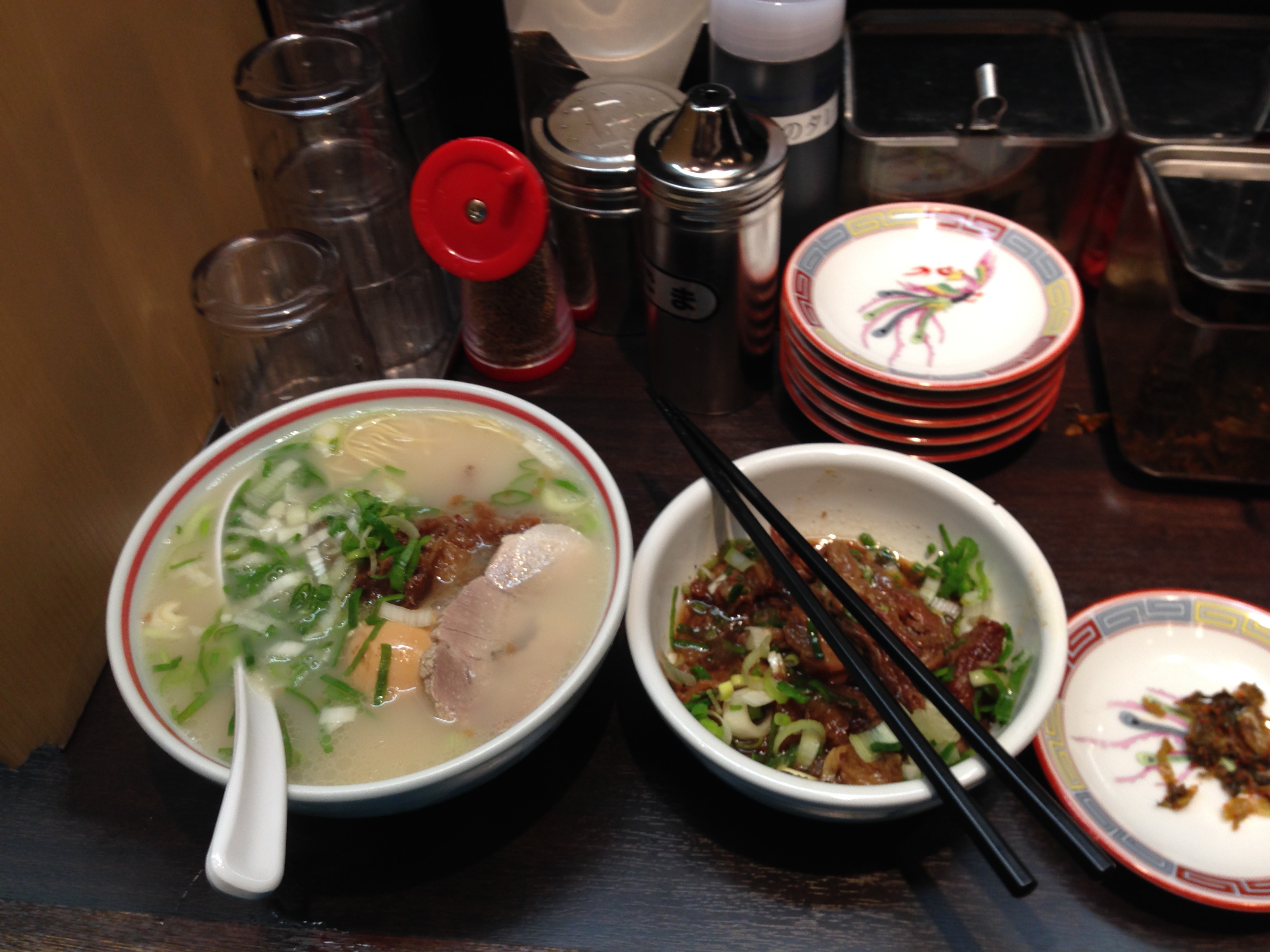
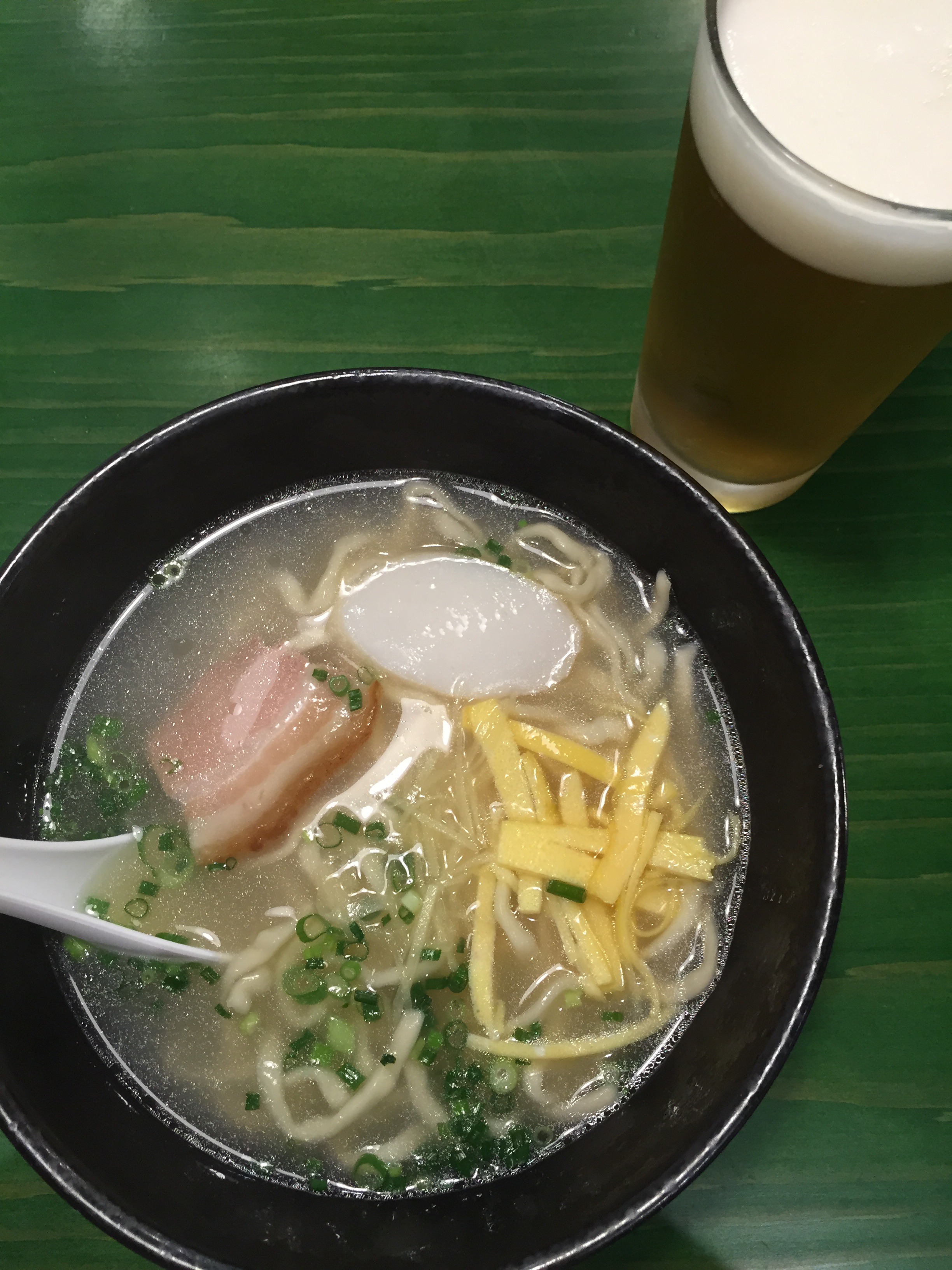
Shinyokohama Ramen Museum, insideNaoto had one wish for our trip–to go to the Shin-Yokohama Ramen Museum, a “food amusement park” in Yokohama. Since we’ve been on our Naoberly’s Noodle Tour, I was almost as excited as he was to try different varieties of ramen. ramen by region,  Shinyokahama ramen museum ramen strainers, Shinyokahama ramen museum ramen bowls, Shinyokahama ramen museumThese three pictures pretty much represent the “museum” part of the Ramen Museum. Actually, the museum part is smaller than the gift shop! But the real purpose of going to the museum is to treat yourself to different varieties of ramen. Two floors below street level, there is an old fashioned “neighborhood” featuring the best ramen shops from all across Japan. (Shown in the top picture.) ramen menu, Shinyokahama ramen museumOutside each shop, there’s a ticket machine where you choose your ramen, any extra toppings, and drinks. You pay at the ticket machine and when you sit down, the servers take the tickets and serve up your order. Museum rules dictate that each adult must order one bowl of ramen at each place he dines. Thankfully, the shops all offer a “smaller” bowl of ramen (in addition to a regular-sized bowl), so you can try a few different types. Sadly, though, even that small bowl of ramen was too much for me. Kumamoto style ramen, naoto's bowl, Shinyokahama ramen museum Kumamoto style ramen, kimberly's bowlWe started at Komurasaki, which serves Kumamoto-style ramen. Naoto had a traditional tonkotsu ramen with added pork and eggs (pictured first) and I had the King’s Ramen with fire roasted garlic with added pork and corn. Kumamoto style ramen, naoto Kumamoto style ramen, kimberlyIt really was delicious! Aaaaaand that was the only bowl I ate! IMG_2819After the first ramen shop, we sat at a table in the bar area and had drinks. Naoto had an Orion beer on tap (which is apparently a big deal since you can’t find Orion on tap around here) and I had a Okinawan citrus cocktail, which may have been the best thing I drank during this vacation.postcard writing, Shinyokahama ramen museum While Naoto moved onto another ramen shop, I stayed at the bar and wrote some postcards. Shina Soba-ya ramen, Shin Yokohama ramen museum Shina Soba-ya ramen, Shin Yokohama ramen museumNaoto went to Shina Soba-ya (where I could see him eating from my postcard-writing station!) and had not only another bowl of ramen, but spare ribs, too! Okinawan style ramen, Shin-Yokohama Ramen MuseumAfter walking back upstairs and spending some time (and money) in the gift shop, we went back down to try one last bowl of ramen. We went to an izakaya and had Okinawan-style ramen (and another Orion beer and another citrus cocktail!). It was really simple but tasty and it had the thickest noodles of any ramen I’d had before.
I highly recommend the Ramen Museum for an afternoon full of noodle fun! I have a few more Naoberly’s Noodle Adventures to share with you soon!

Tagged , , , ,

Baseball In Tokyo With The Yomiuri Giants

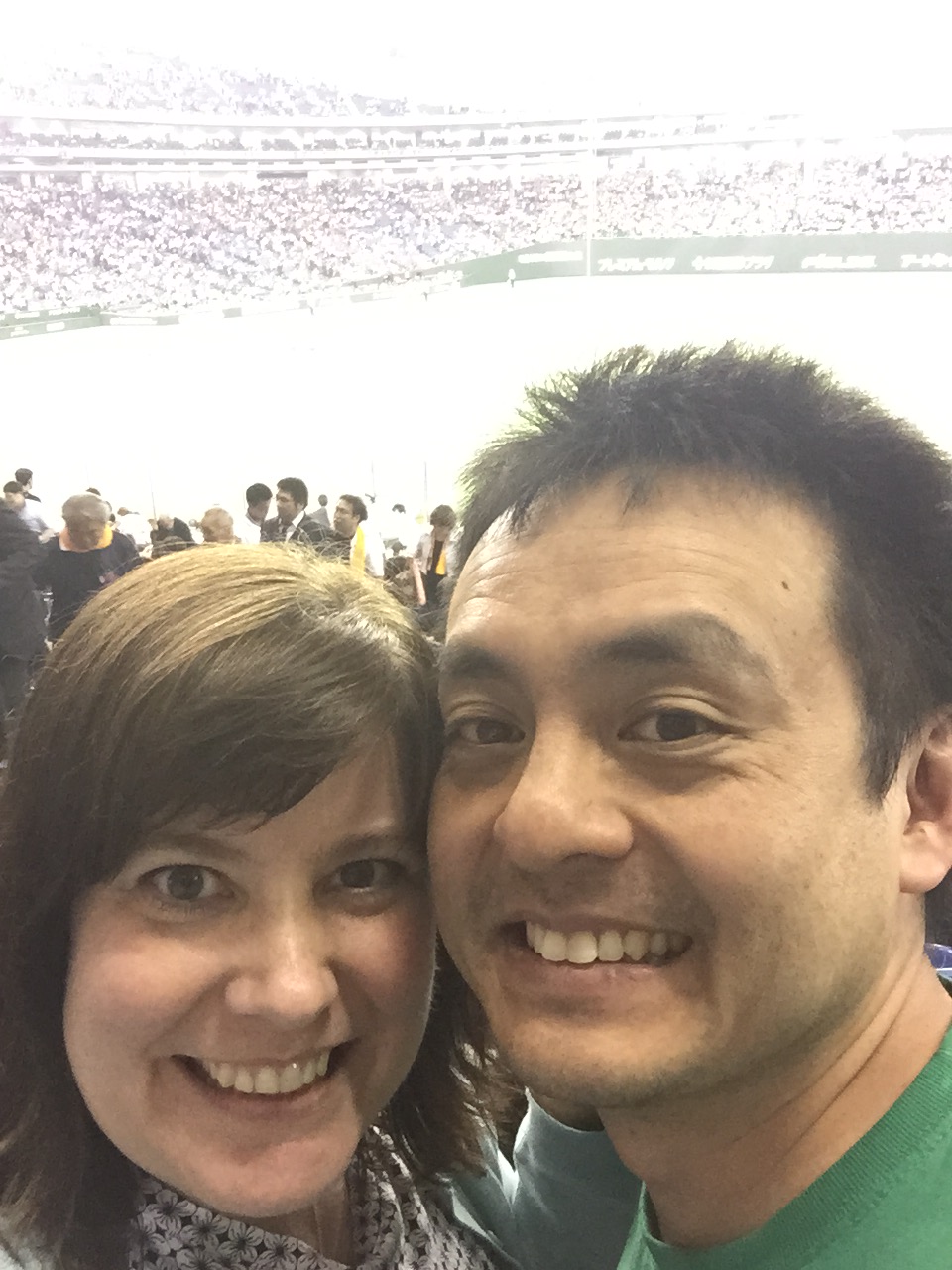
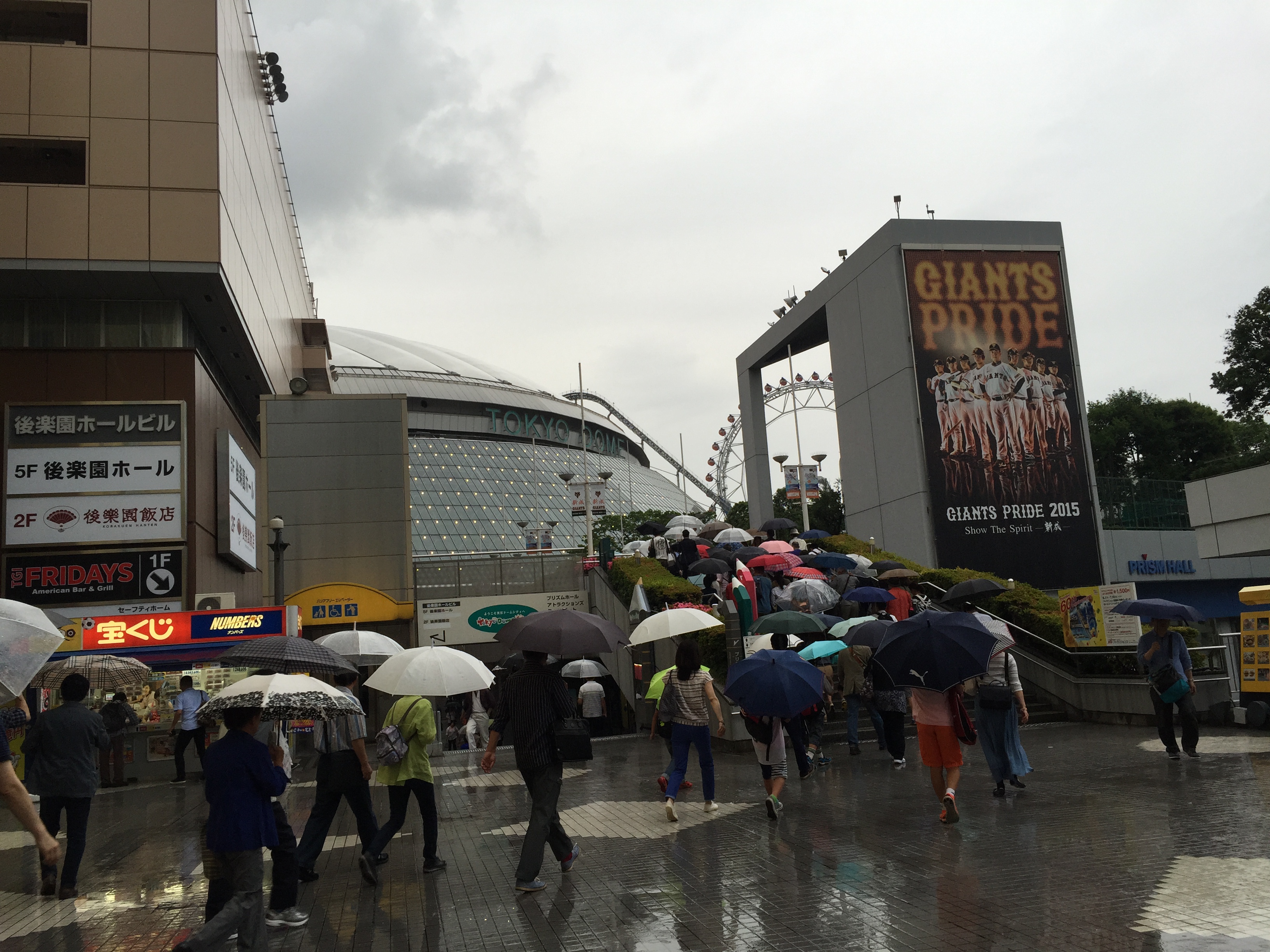
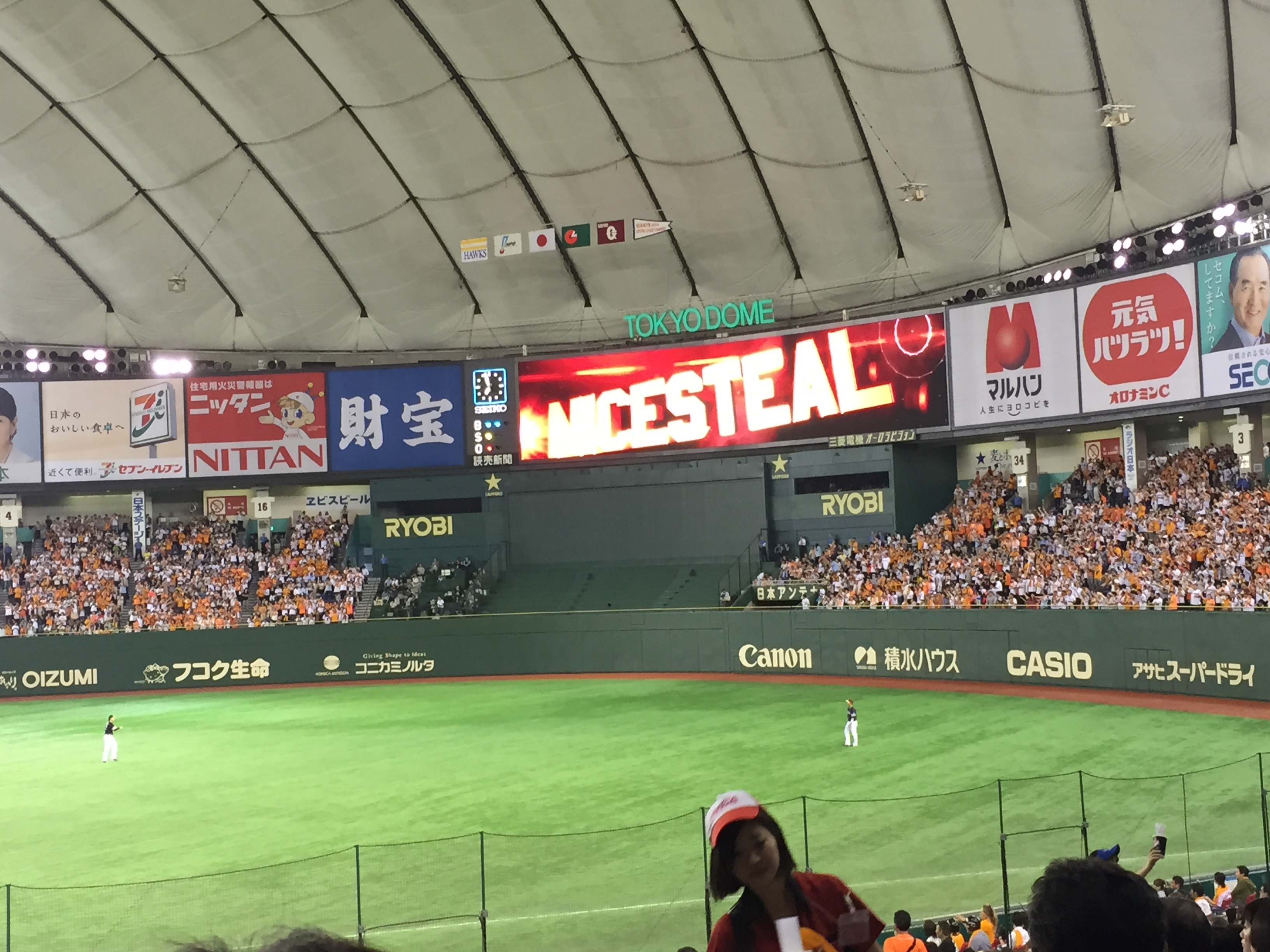
Yomiuri Giants GameOne of the main things on my wishlist for this trip to Japan was to see a Japanese baseball game. I’d been watching them on TV while we had TV Japan a couple months ago and it seemed like it would be a really fun and different experience compared to games here in the U.S. Thanks to some help from Naoto’s sister, Naoko, we were able to go to the Tokyo Dome to see the Yomiuri Giants play the SoftBank Hawks! The Japanese baseball teams are named by their corporate sponsors (lame, right?), so Yomiuri is not the name of the town the Giants play for, but it is the name of the corporation that owns them. (The Yomiuri Group owns a bunch of newspapers and a TV network in Japan.) Yomiuri Giants GameIt was pouring the day of the game, so we followed the umbrellas from the train station to the dome, which is referred to as “The Big Egg” by the locals. Yomiuri Giants GameThe pace of the game felt a lot slower than it is here in the States…which, if you’ve ever watched a baseball game, they’re pretty slow already. When I go to Cubs games, I always get a scorecard and keep score. (Fun fact: When I was in junior high, I watched a LOT of baseball and I kept score at home.) Keeping score helps me stay into the game and helps time pass steadily, especially during those middle innings, pitching changes, and long at-bats. With the Giants, I was more interested in the crowds. Japanese baseball fans really get into the game and there are “super-fan” stands in the outfield where everyone wears orange, sings songs, and there is a band! Here’s a little video of the super-fans singing a Giants rallying cry song. The video is a little grainy (sorry!) but the super-fans are sitting to the left of the right field foul post (that yellow post).

And here’s what happened during the 7th inning stretch:

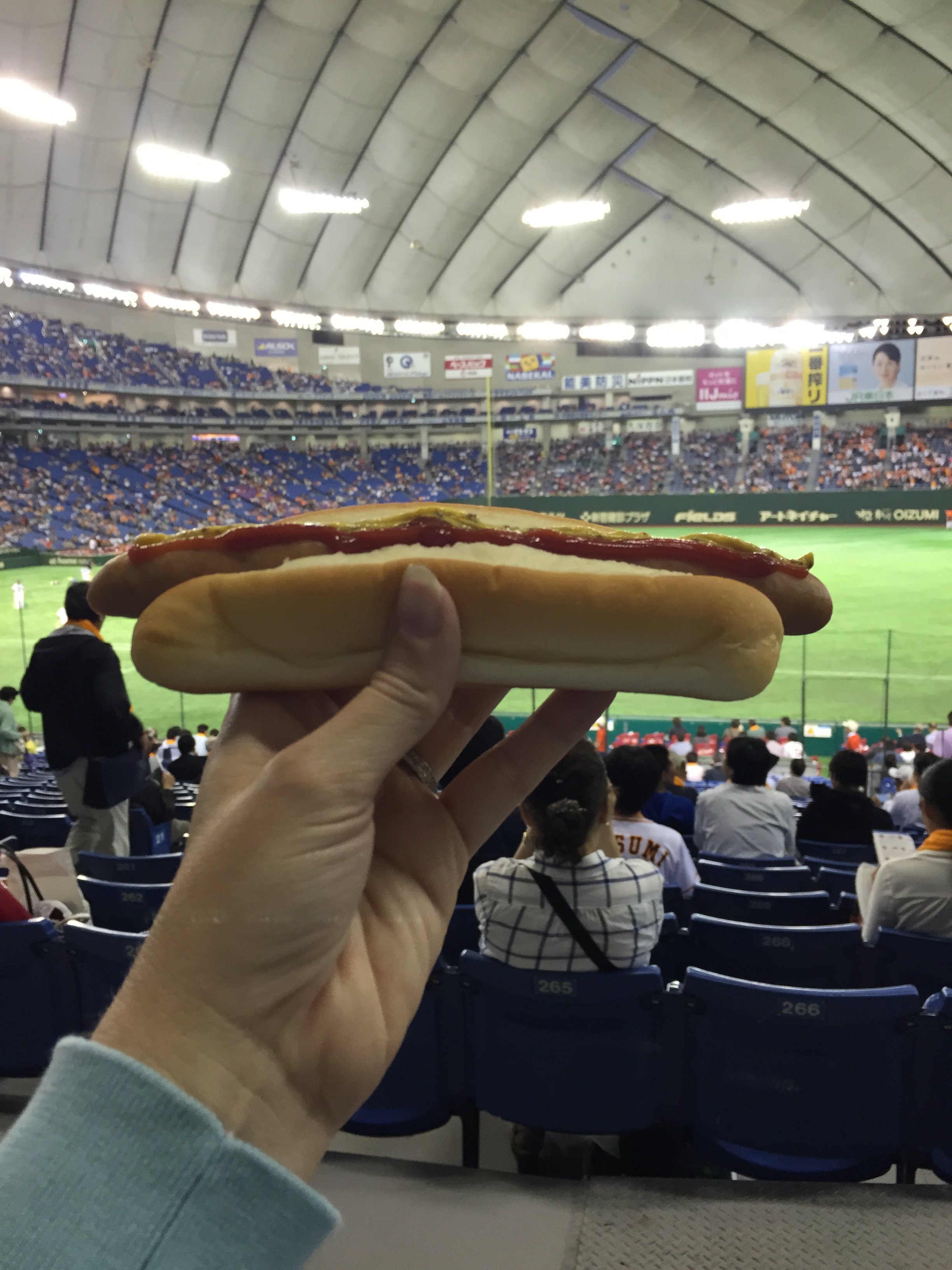
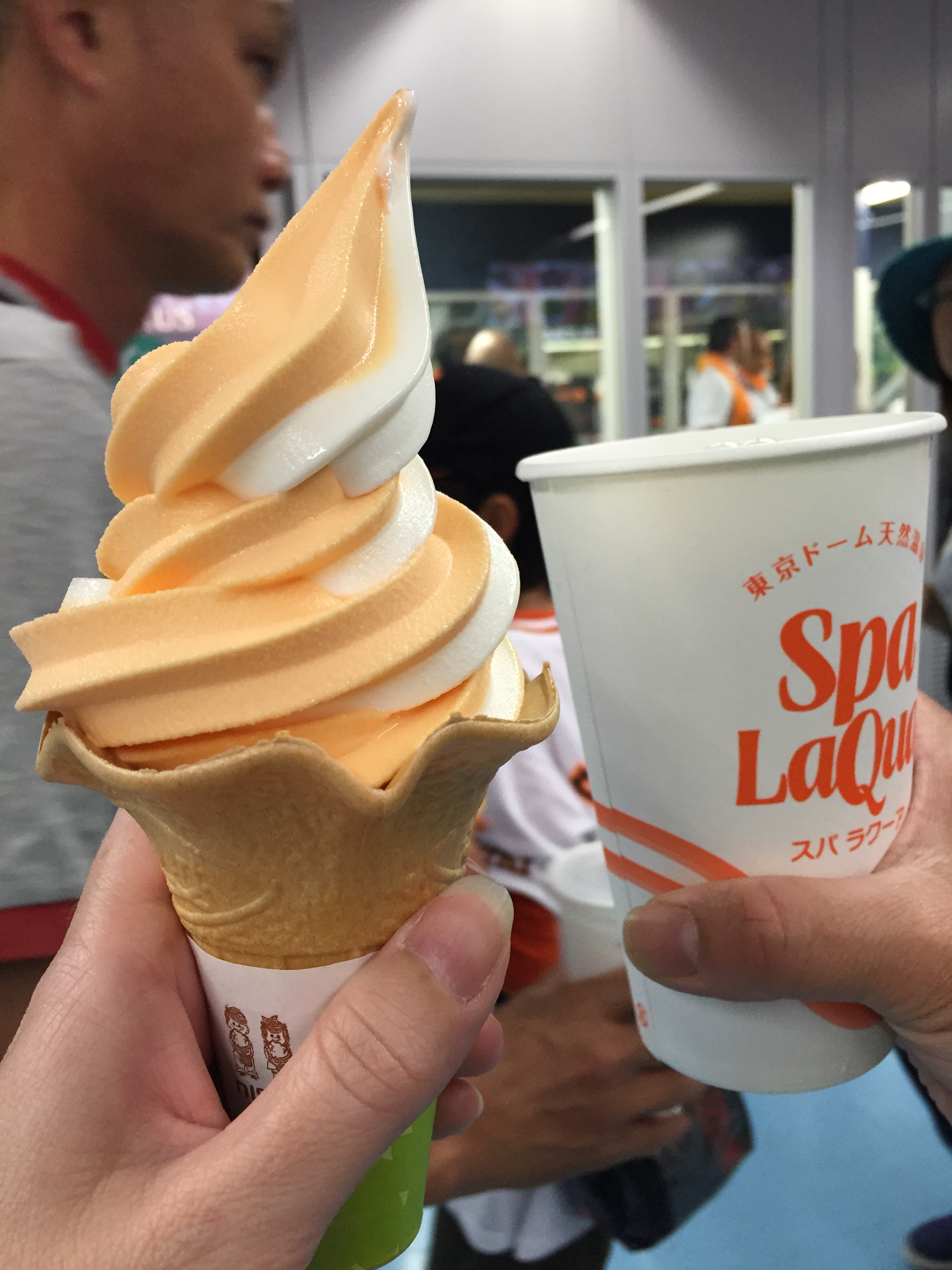
OH! And the weirdest part…the opposing team has a dedicated fan section that gets a whole half-inning of uninterrupted cheering, singing, and band playing. Isn’t that crazy? (And isn’t that just what you’d expect from a country so steeped in respect?)Yomiuri Giants Game, hot dogI have to say, the Tokyo Dome hot dog was kind of disappointing…it was a little cold and the bun was not as amazing as the other hot dog buns I’ve had in Japan. And, I had to eat ketchup on my hot dog because the condiments both came out at once and I had no choice! (Ew!) Yomiuri Giants GameBut I had an amazing ice cream cone, melon and vanilla swirl soft serve (shown above next to Naoto’s beer.) Other food offered included Giants player designed bento boxes, chicken nuggets, curry rice, hamburgers, sushi, pretzels…plenty of ballpark favorites.
Sadly, the Giants lost the game, but it was a fun night at the ballpark just the same.

Tagged , ,

Heavenly Hydrangeas

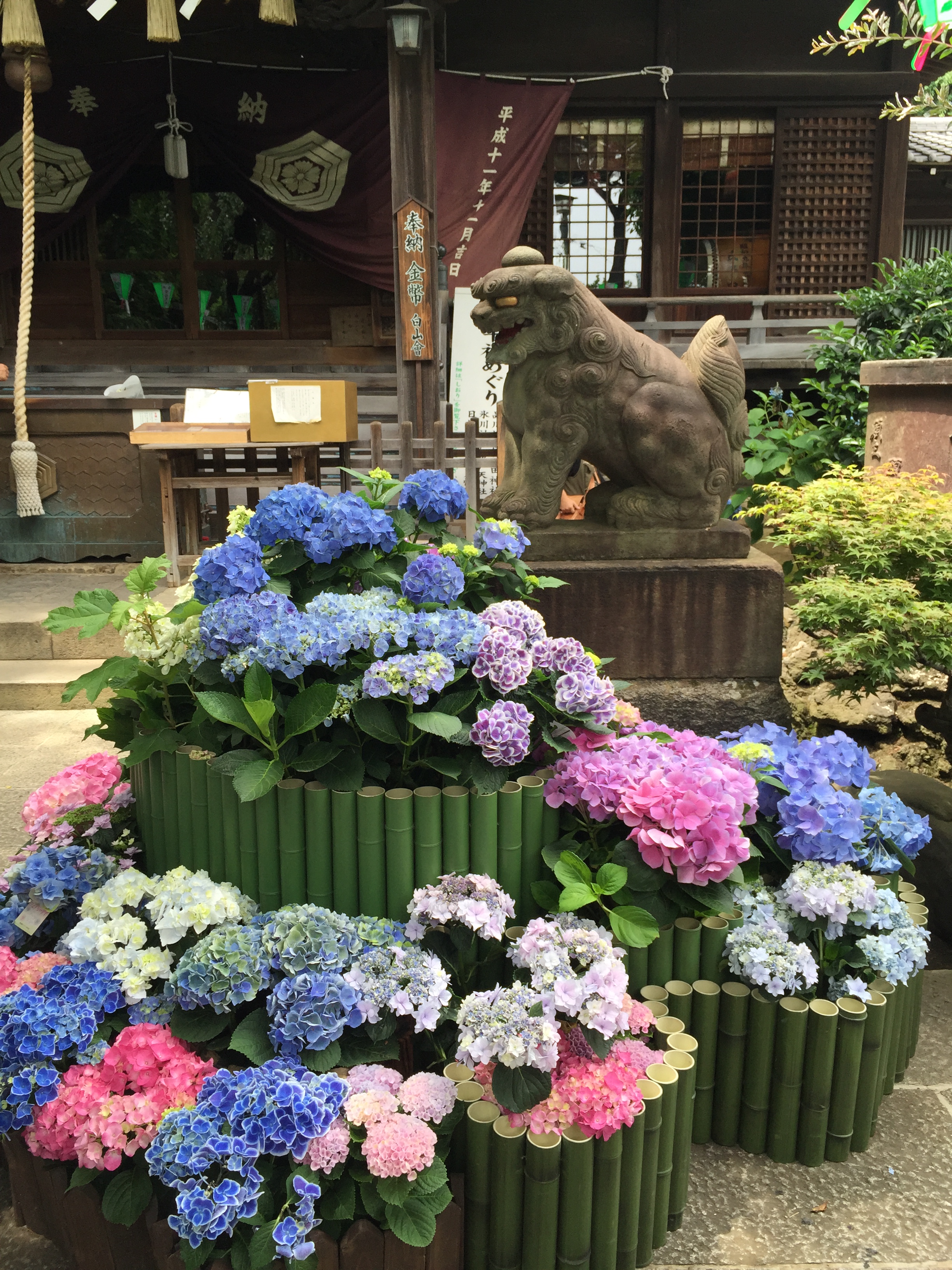
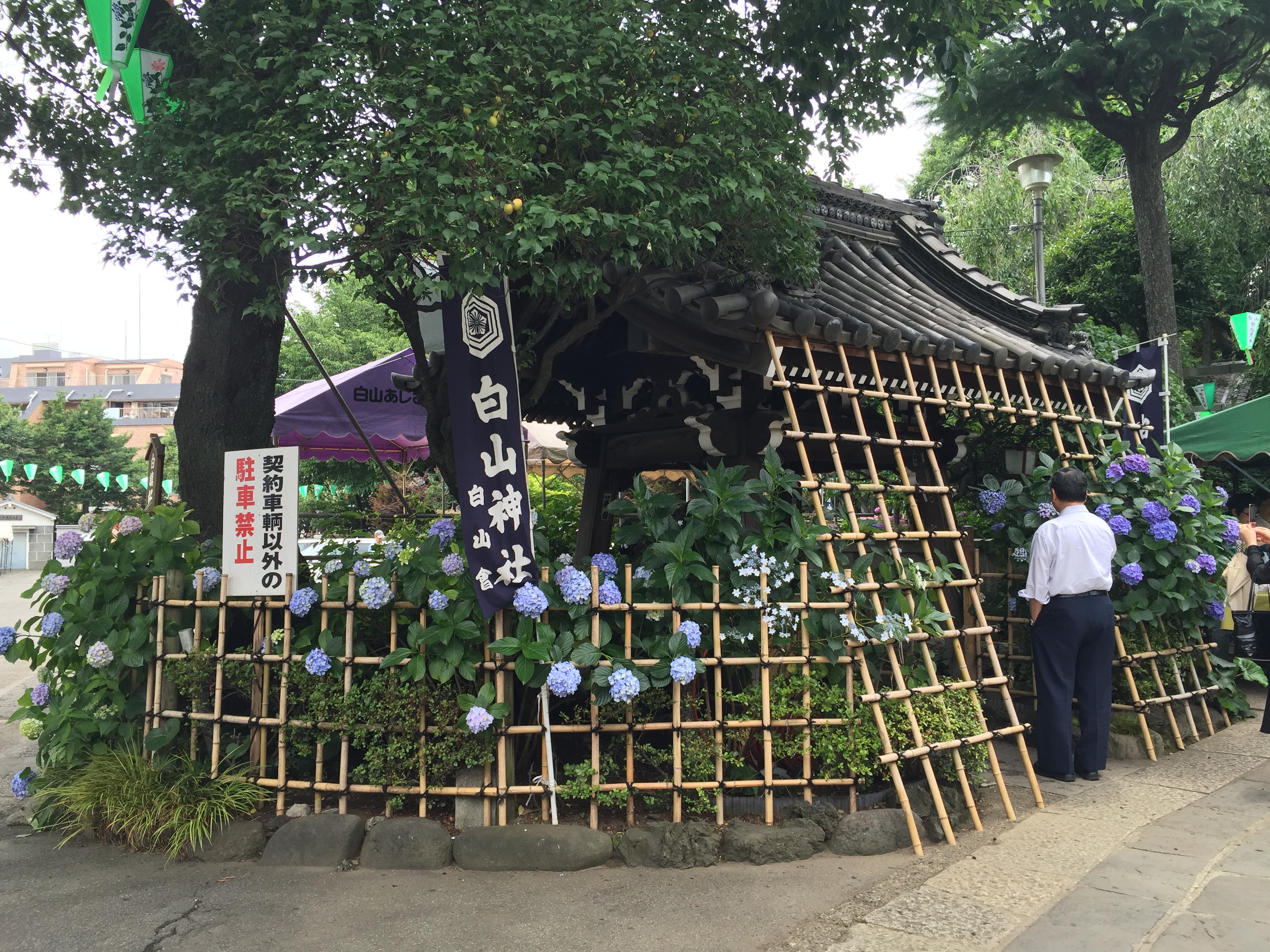
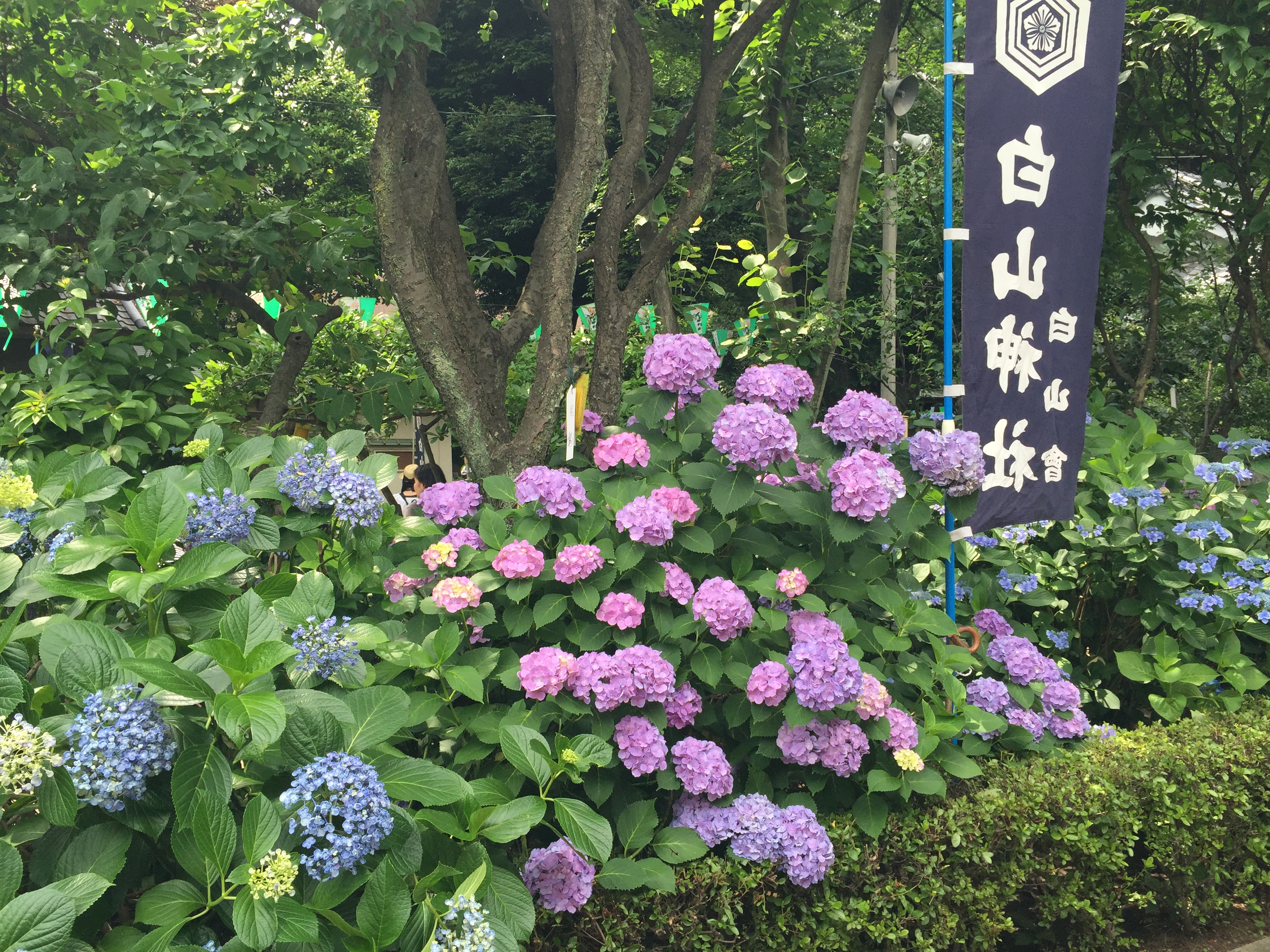
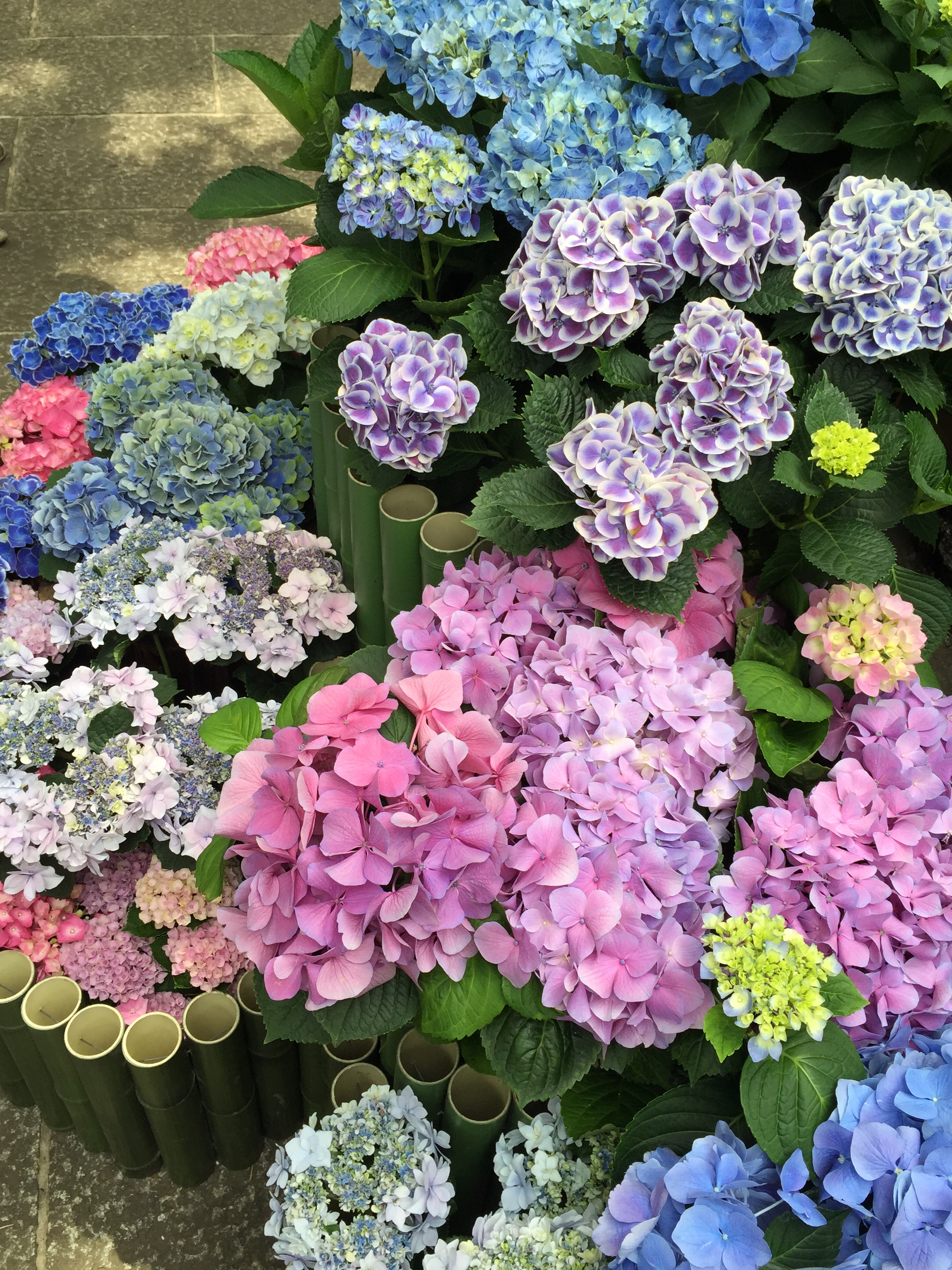
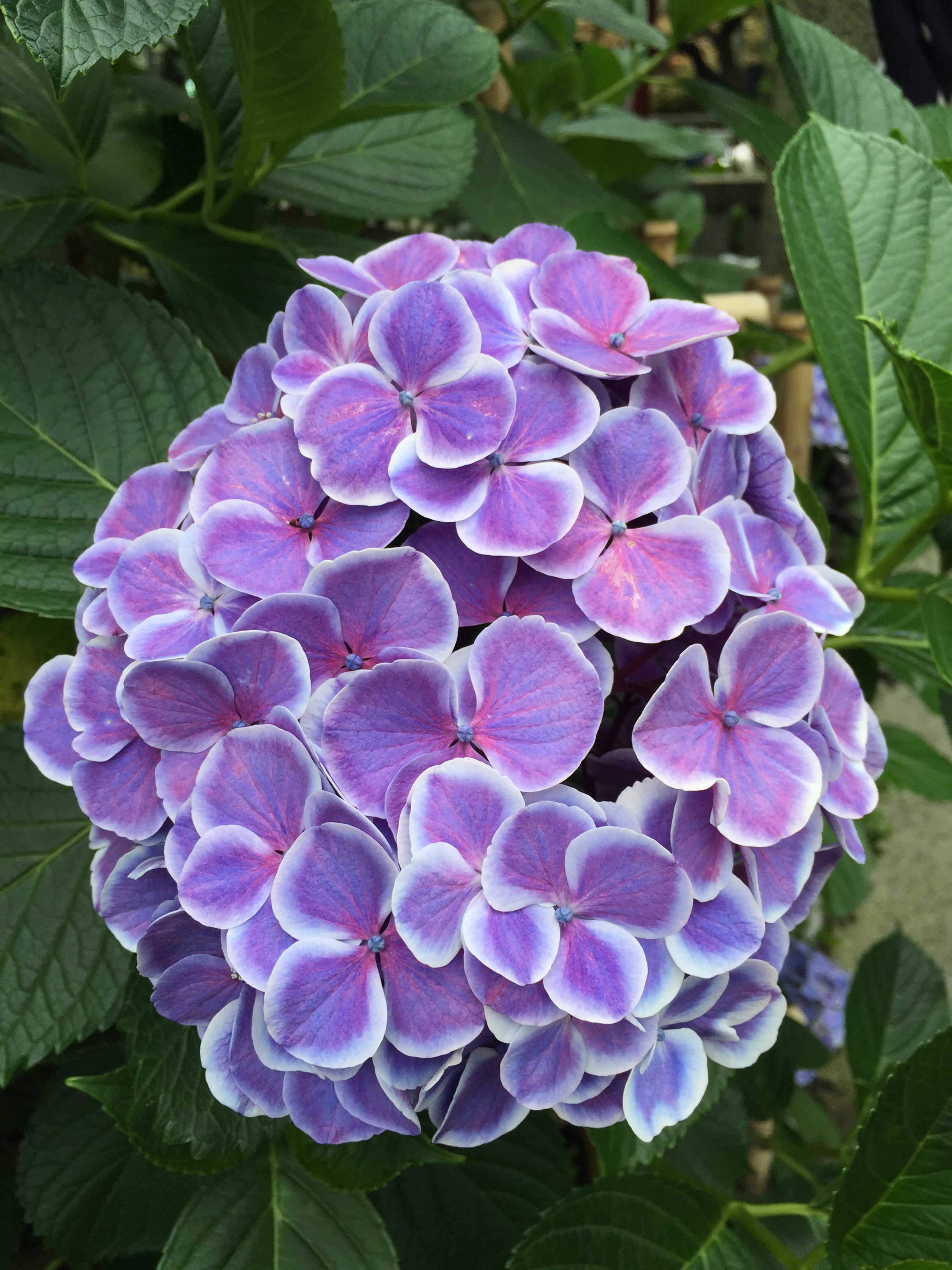
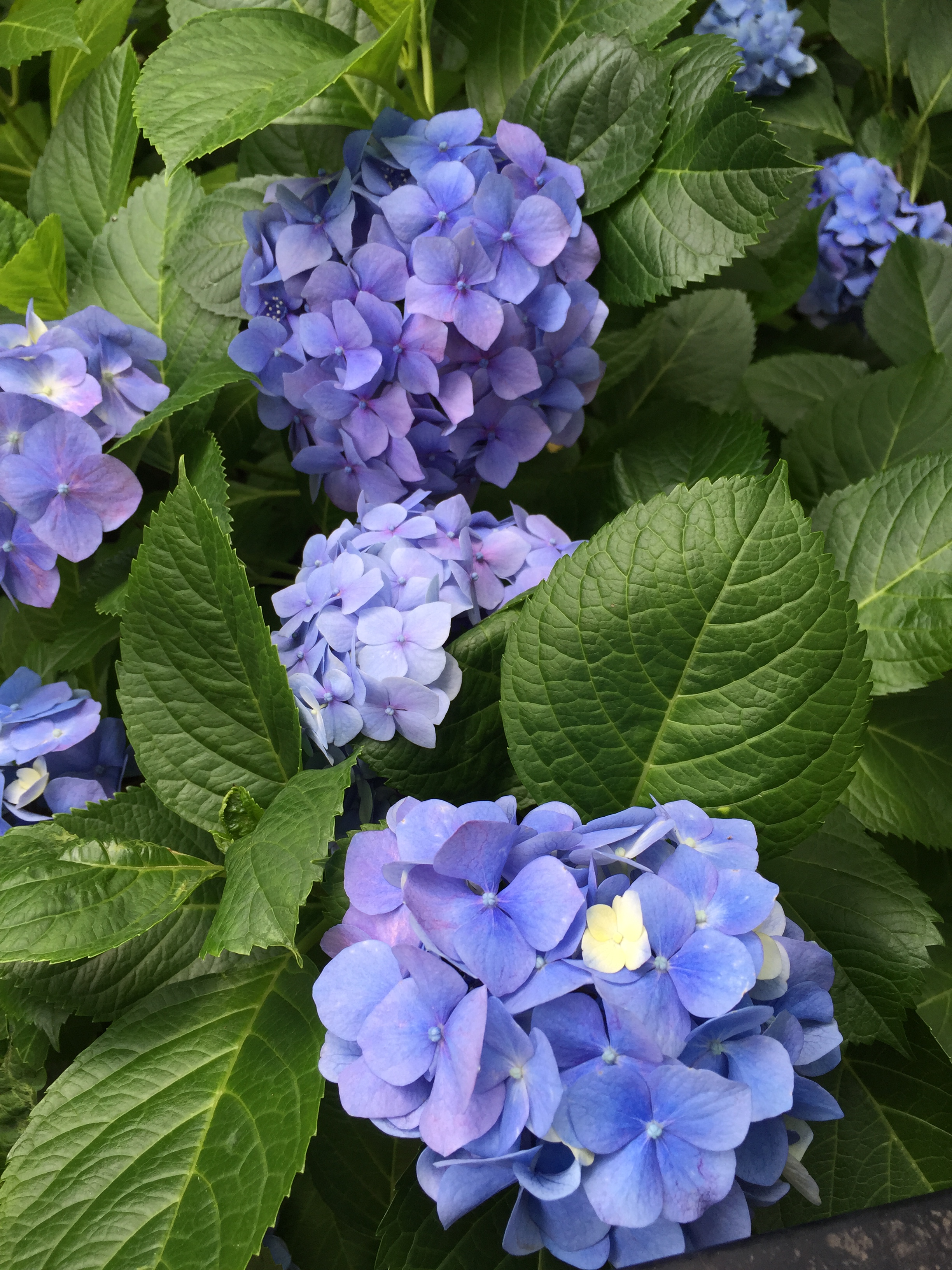
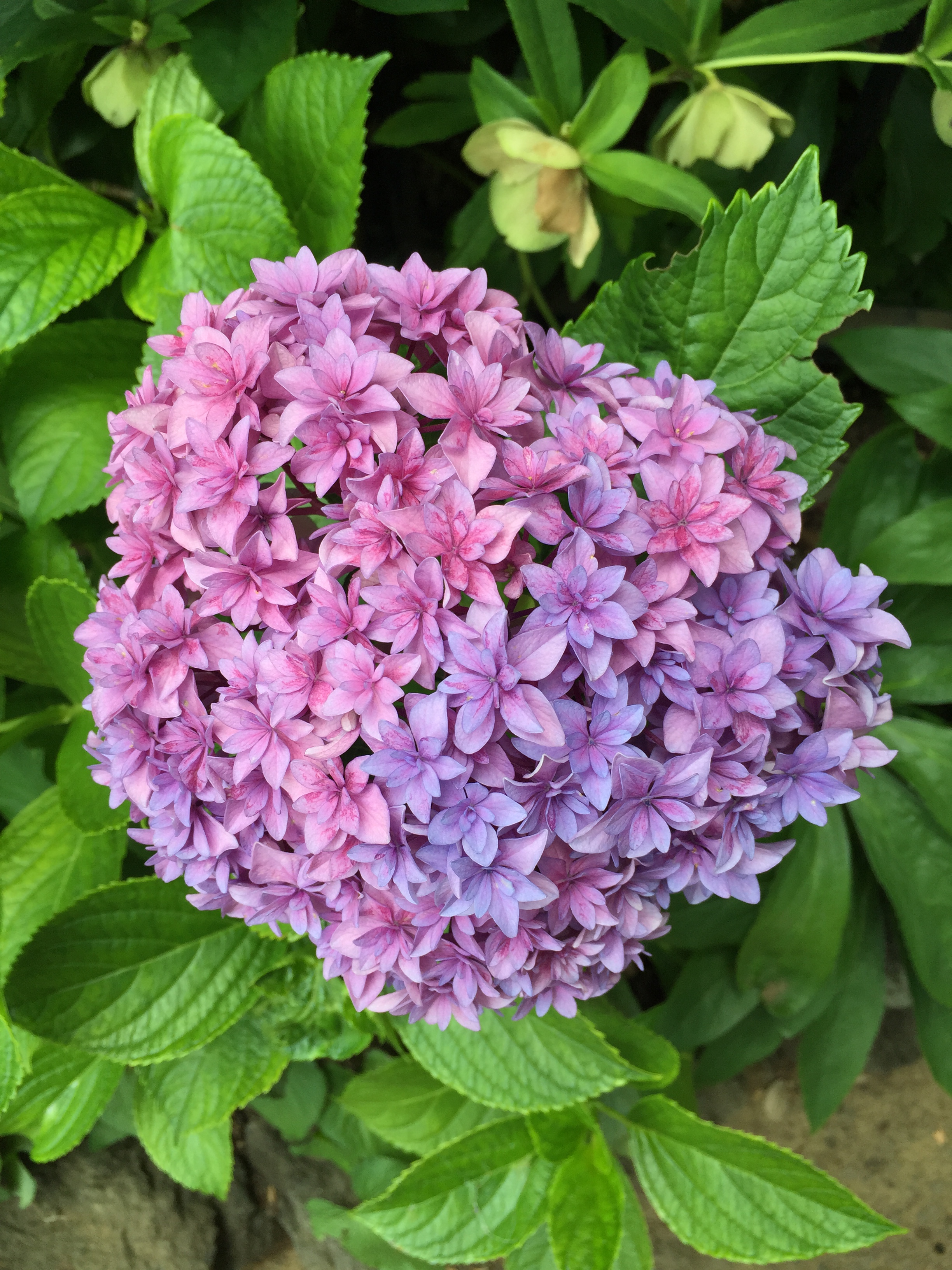
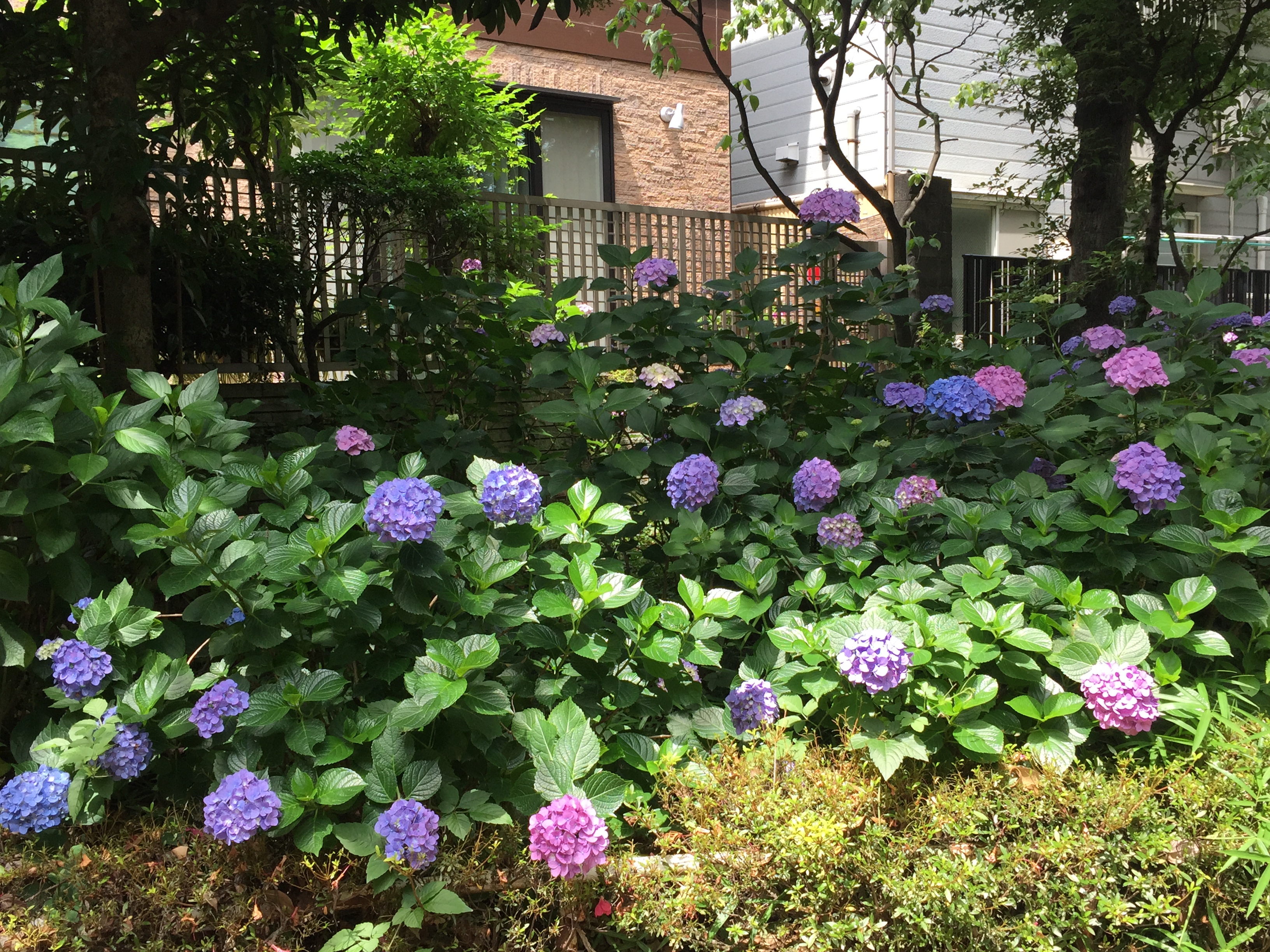
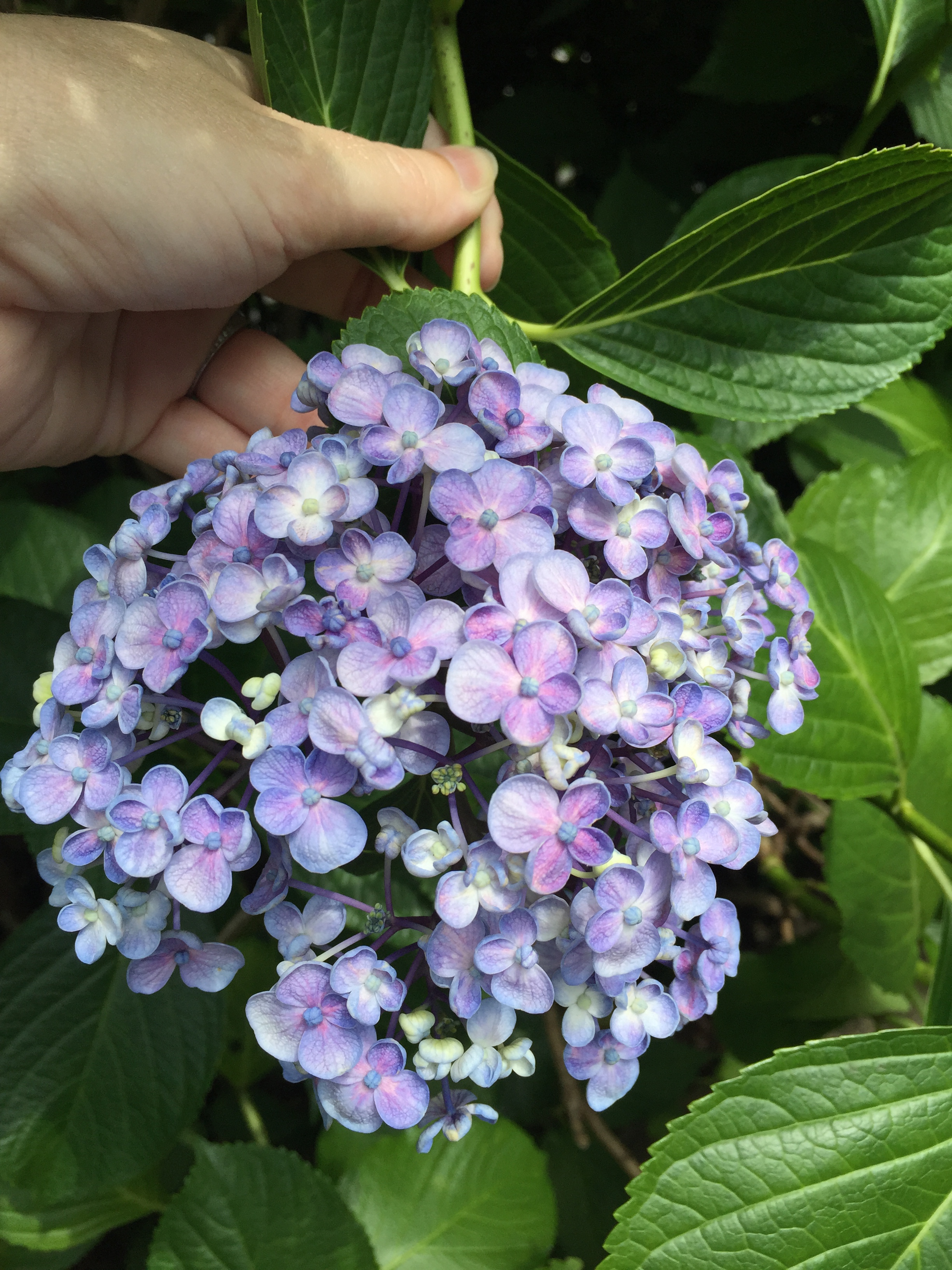
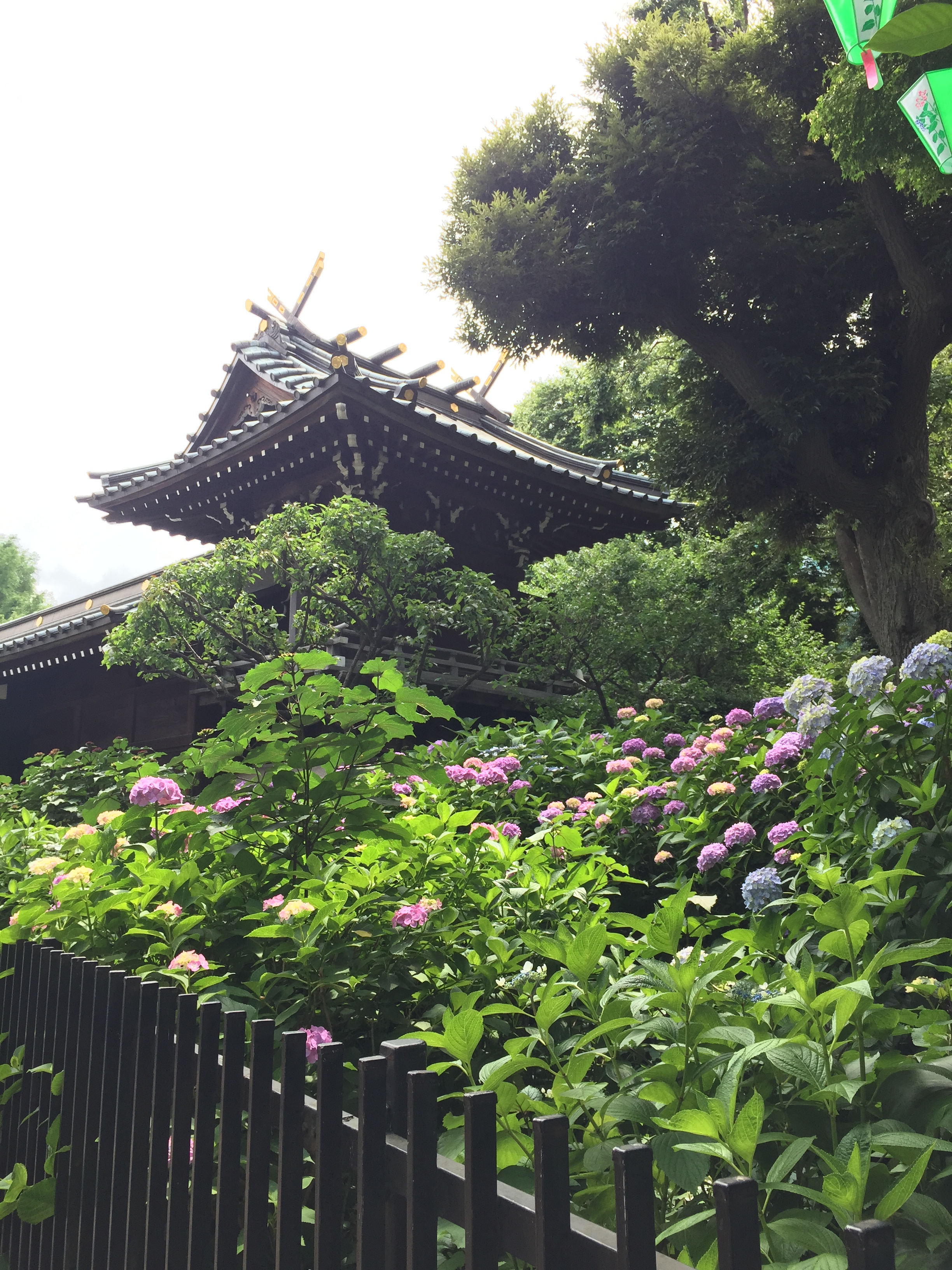
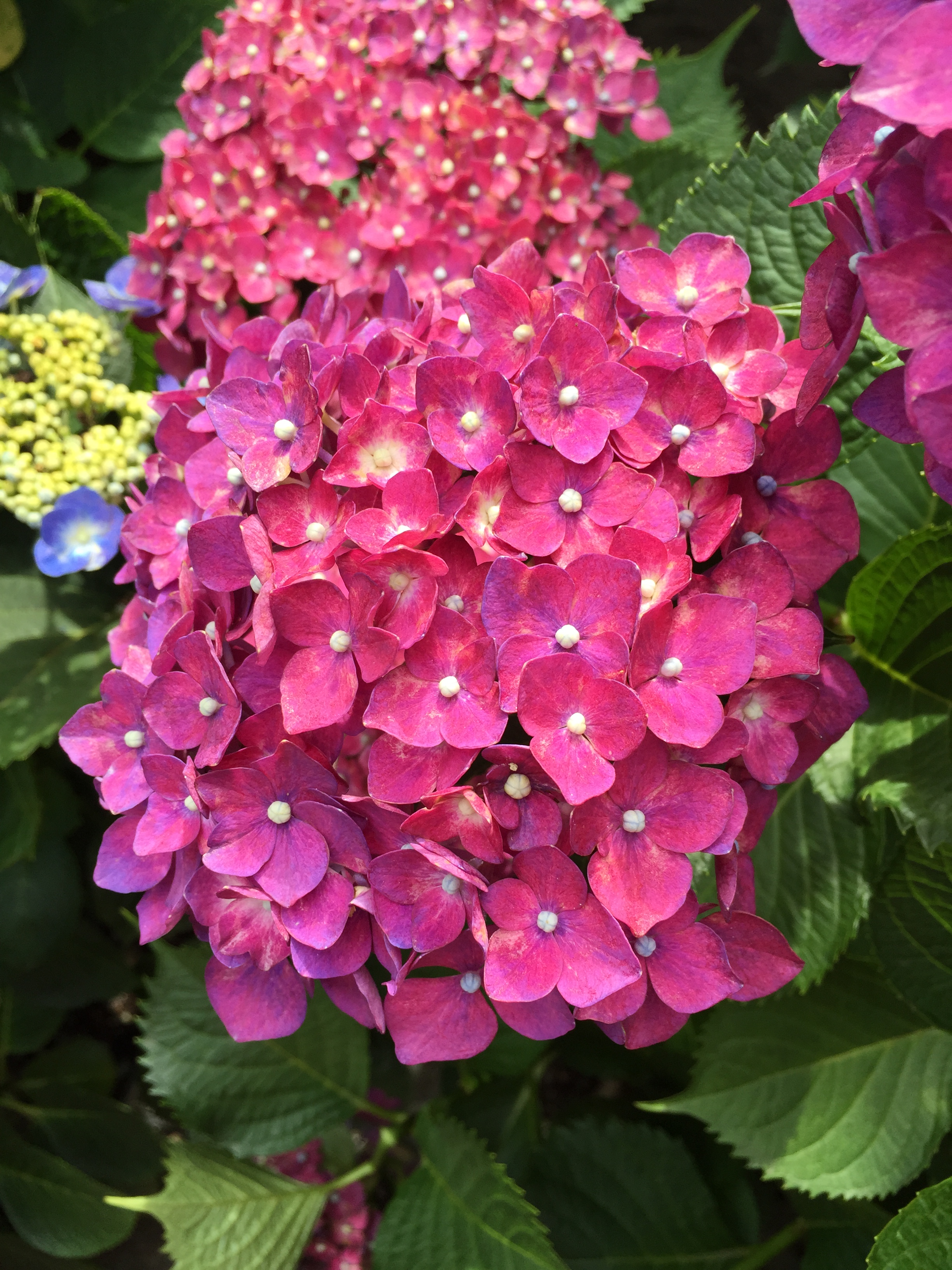
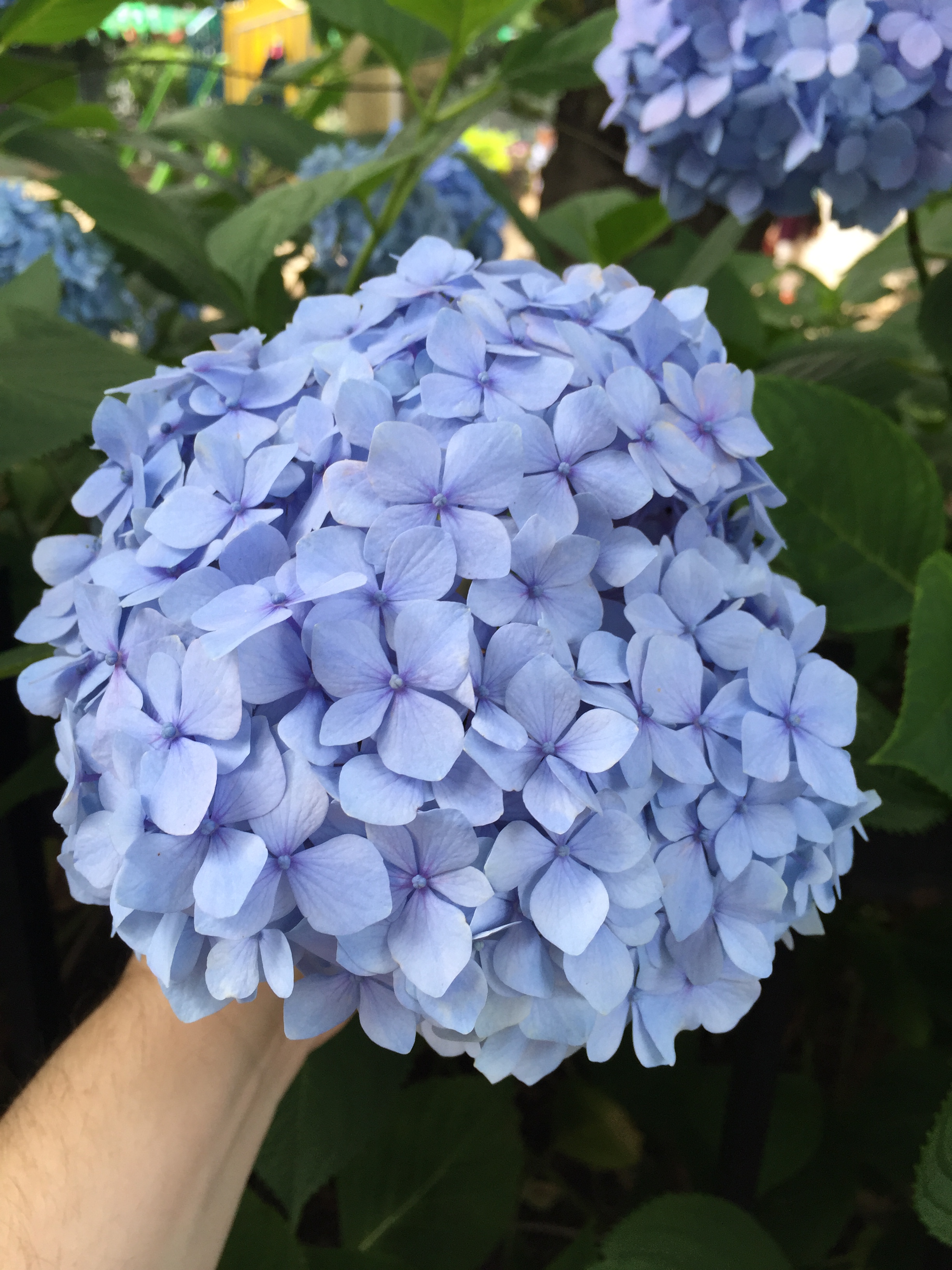
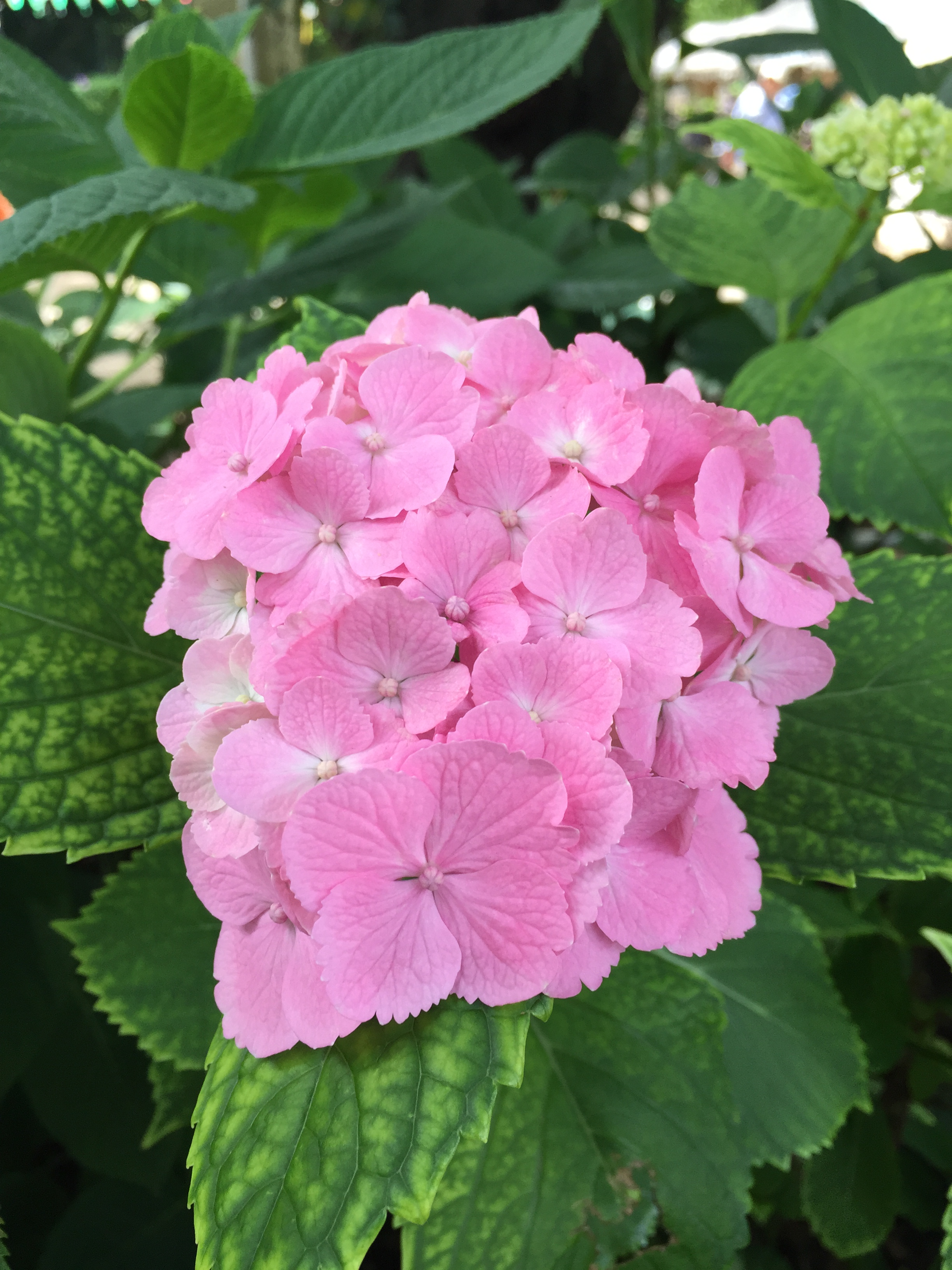
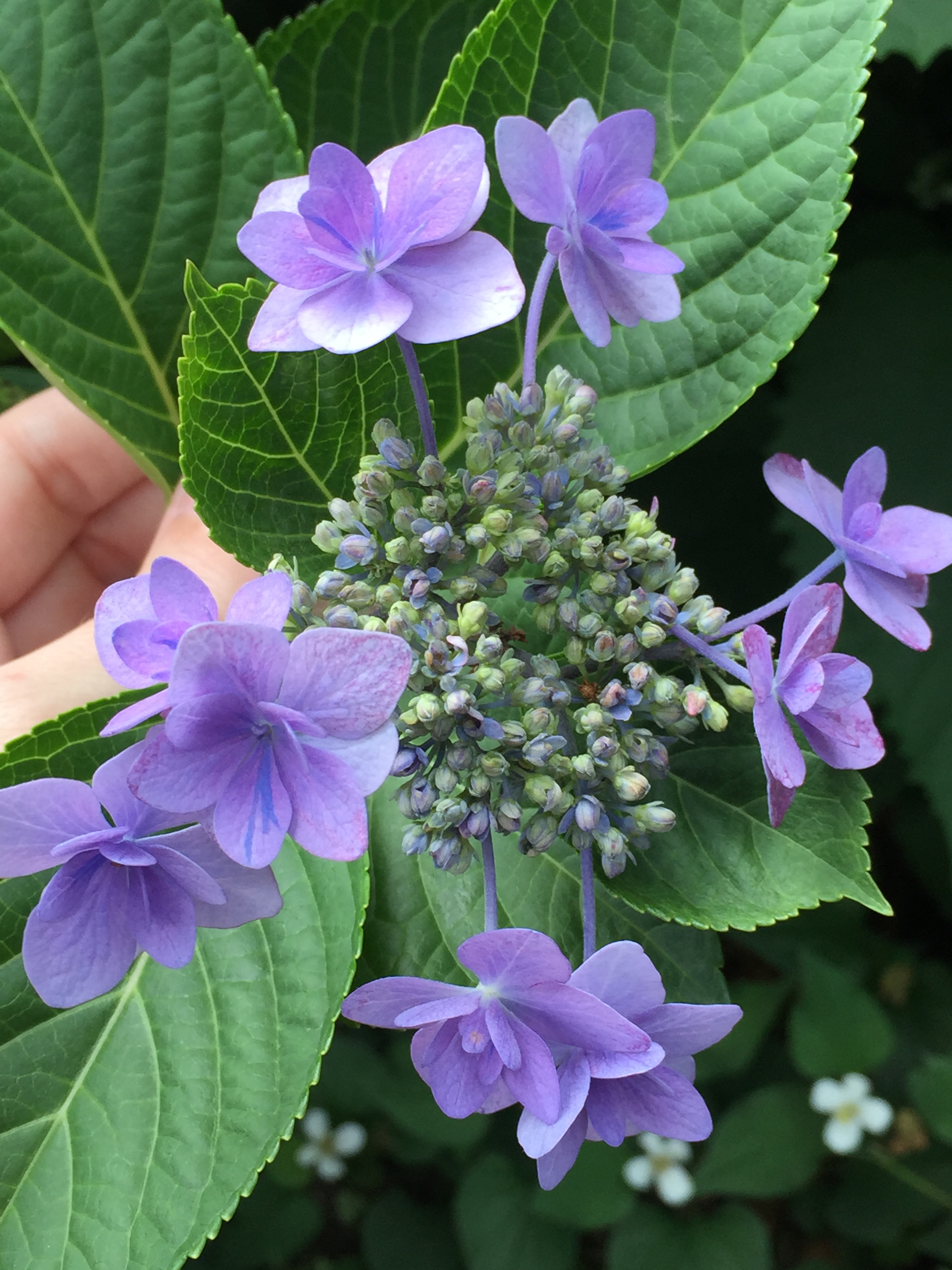
Bunkyo Hydrangea Festival, Hakusan Jinja ShrineSeriously…if you can go to Japan in late May/early June, GO! Like I mentioned yesterday, hydrangea season has stolen my heart. Those gorgeous shades of blue and pink and purple, the different varieties and shapes of the blooms…breathtaking.
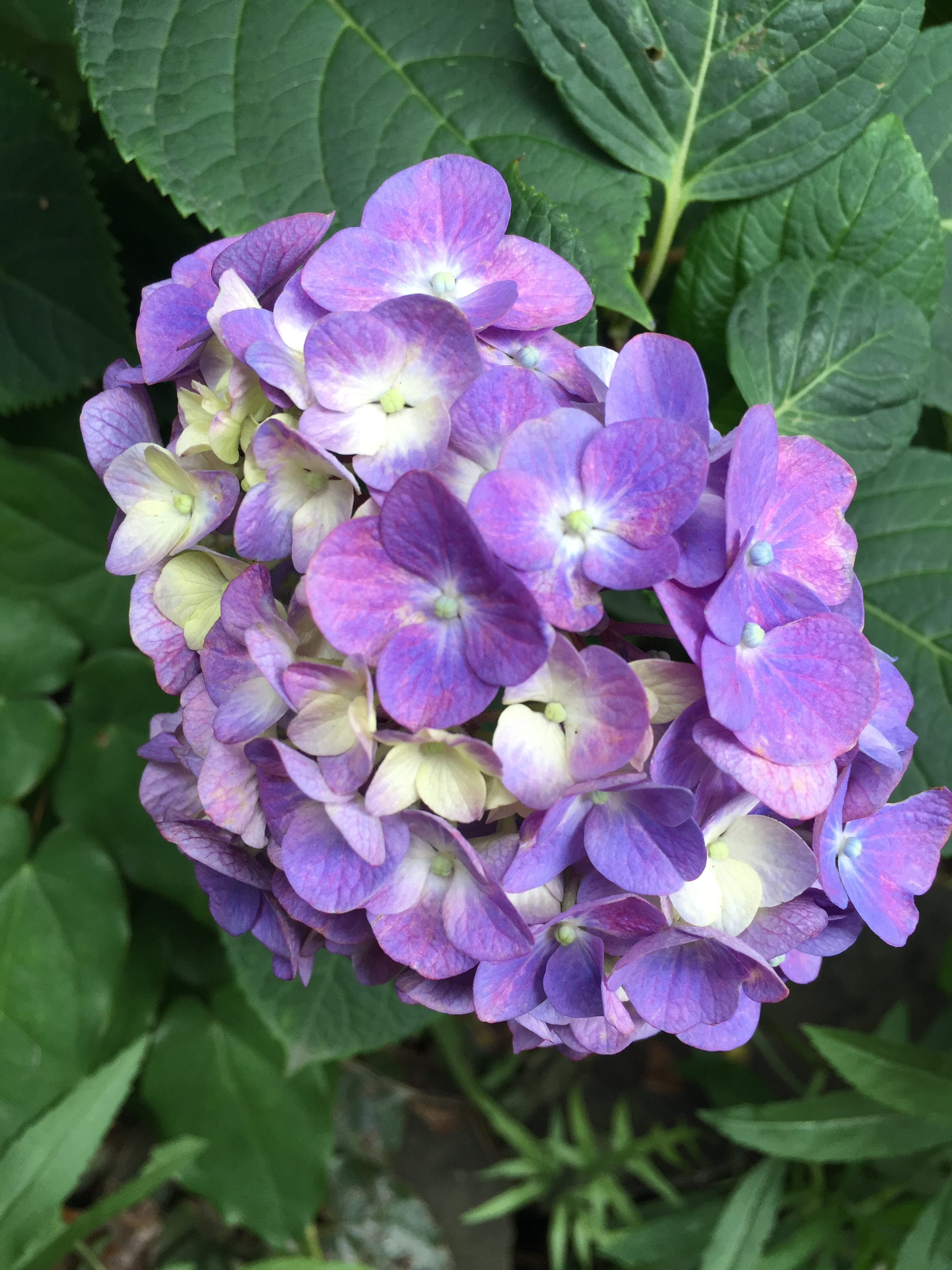
Our friend Jess, who lives in Tokyo with her husband and son (you may remember her from our Tokyo Cook Out), gave us so many ideas of places to see and things to do. I really think she missed her calling as a tour guide/travel agent. It was her idea to see a few gardens while we were in Japan this year…and none of them disappointed! Bunkyo Hydrangea Festival, Hakusan Jinja ShrineWe met up with Jess last Monday at the Bunkyo Hydrangea Festival at the Hakusan Jinja Shrine. Bunkyo hosts five flower festivals throughout the year and now it is my personal goal to see each one. The Hakusan Shrine is the home of over 3000 hydrangea plants! I am not sure I captured each one, but I sure tried. Bunkyo Hydrangea Festival, Hakusan Jinja Shrine Bunkyo Hydrangea Festival, Hakusan Jinja Shrine Bunkyo Hydrangea Festival, Hakusan Jinja Shrine Bunkyo Hydrangea Festival, Hakusan Jinja Shrine Bunkyo Hydrangea Festival, Hakusan Jinja Shrine Bunkyo Hydrangea Festival, Hakusan Jinja ShrineBunkyo Hydrangea Festival, Hakusan Jinja Shrine Bunkyo Hydrangea Festival, Hakusan Jinja Shrine Bunkyo Hydrangea Festival, Hakusan Jinja Shrine Bunkyo Hydrangea Festival, Hakusan Jinja Shrine Bunkyo Hydrangea Festival, Hakusan Jinja Shrine Bunkyo Hydrangea Festival, Hakusan Jinja Shrine Bunkyo Hydrangea Festival, Hakusan Jinja ShrineHave you ever seen so many varieties all in one place? I’ve been dreaming of a hydrangea garden of my own ever since…maybe someday!
Tagged , , , ,