We’ve walked by Carrot Tower a number of times without giving it much attention. It’s across from the Sangenjaya Post Office, it’s on a busy corner, it’s very tall…but it looked like an office building with a couple of street level shops. On our last day, Naoto wanted to go to a book store to get a magazine and a Kanji character dictionary, so we ventured in.
First though…how cute is the name? I learned from Wikipedia that it was named by local school children. The only thing that could make it better is if there were a carrot mascot greeting you at the door.
The first floor is an open shopping area where you can buy Japanese pottery, stationery, souvenirs, pastries, flowers…I bought stationery. And the other floors are dedicated to the bookstore, a theater, and office space. But, at the very top, there’s a restaurant and an observation deck. We decided to go up to see what the observation deck was all about. The red carpet leads you to Sky Carrot, the restaurant and then the space to the right is the observation/banquet area. It was SO WEIRD! Some people were sitting quietly and reading. Others were chatting at tables. There was a small family with young children just hanging out. We saw vending machines and an ice cream freezer. Then we ventured further and found the bar. It felt a little bit like a hotel bar with plush chairs and a few tables. There was a grand piano in the corner. And there were comfy seats facing the view, so we decided to stay awhile. The bar offered a few simple cocktails, beer and, and wine and it was so cheap! (¥500 for sparkling wine and even less for a beer!) At twenty-six stories, Carrot Tower is no SkyTree, but the views were still pretty and it was fun to see Sangenjaya from a new perspective. Cheers from the Carrot!
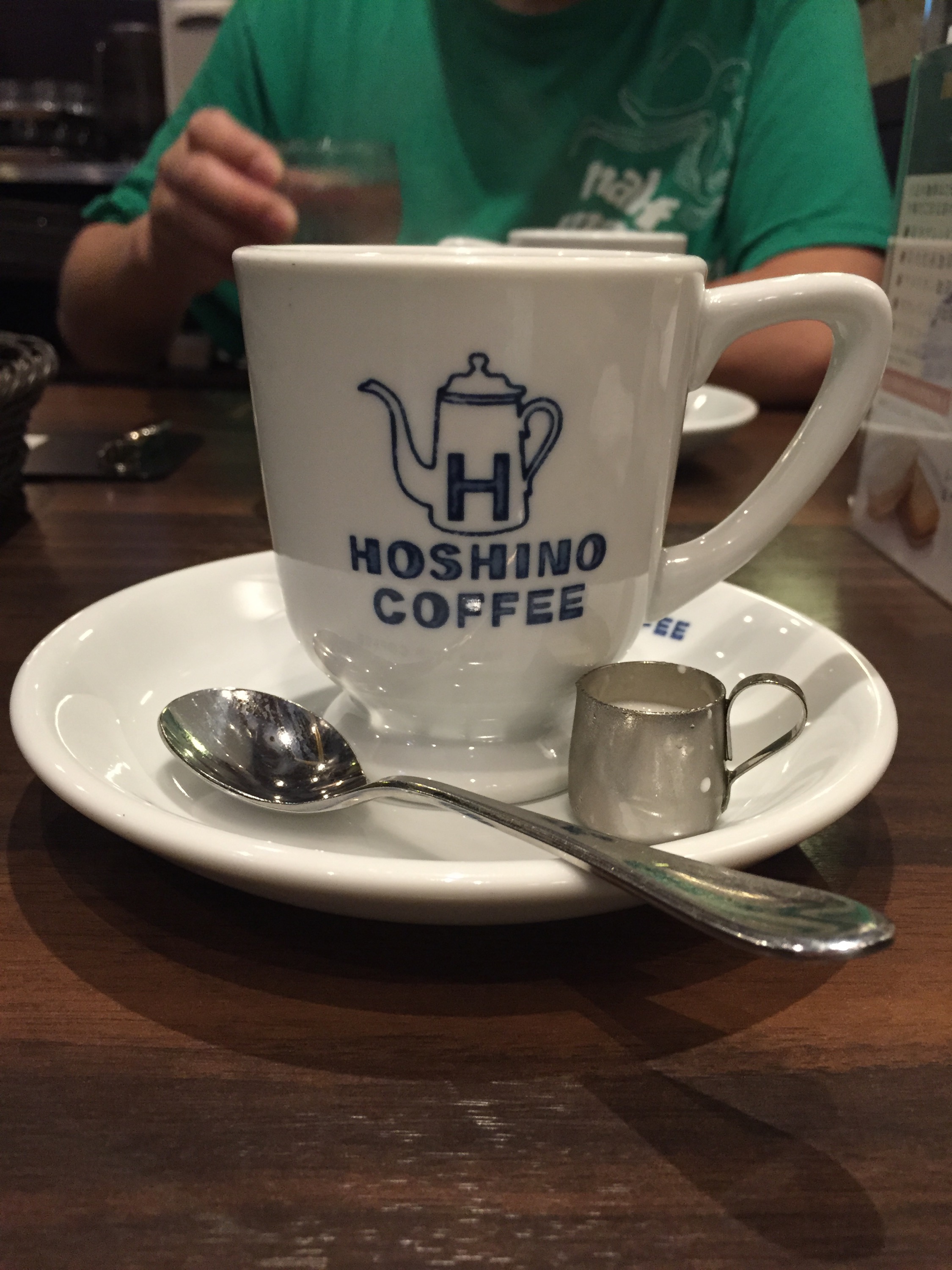
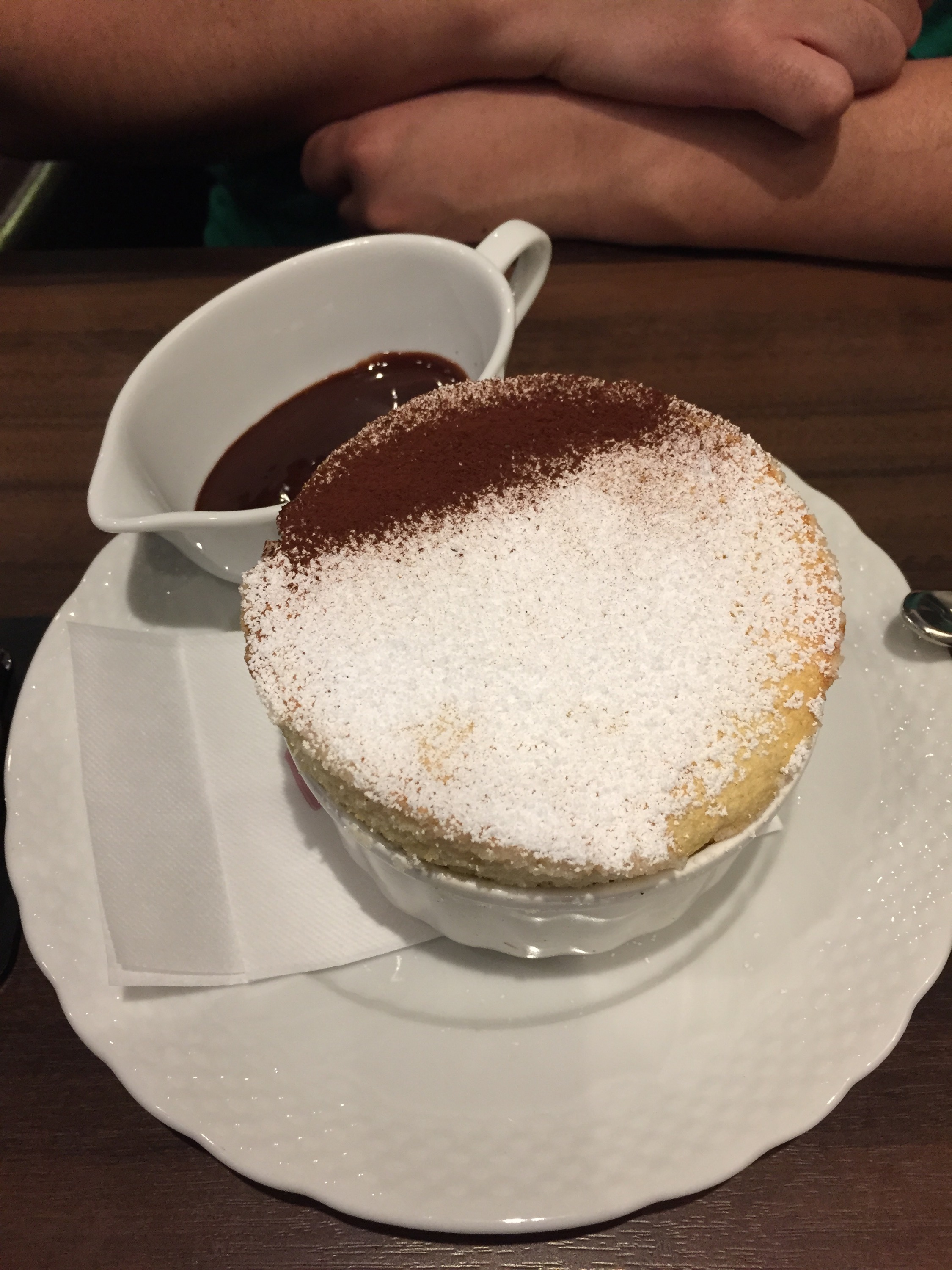
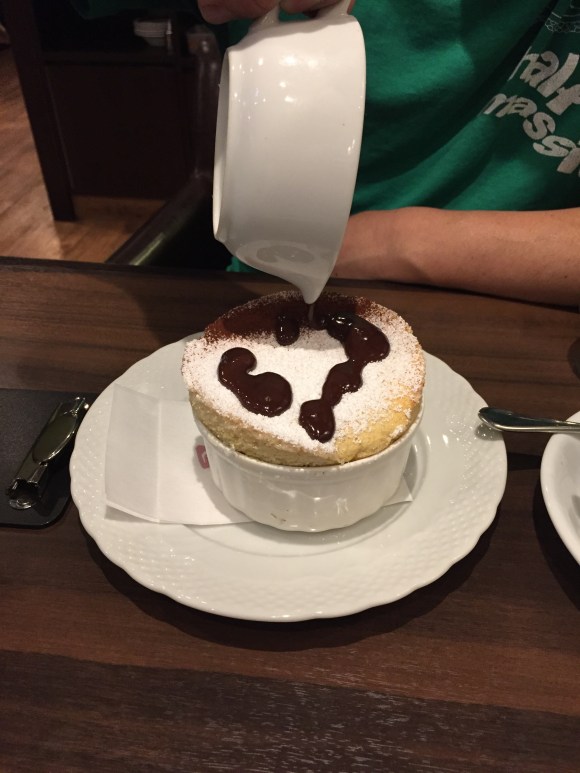
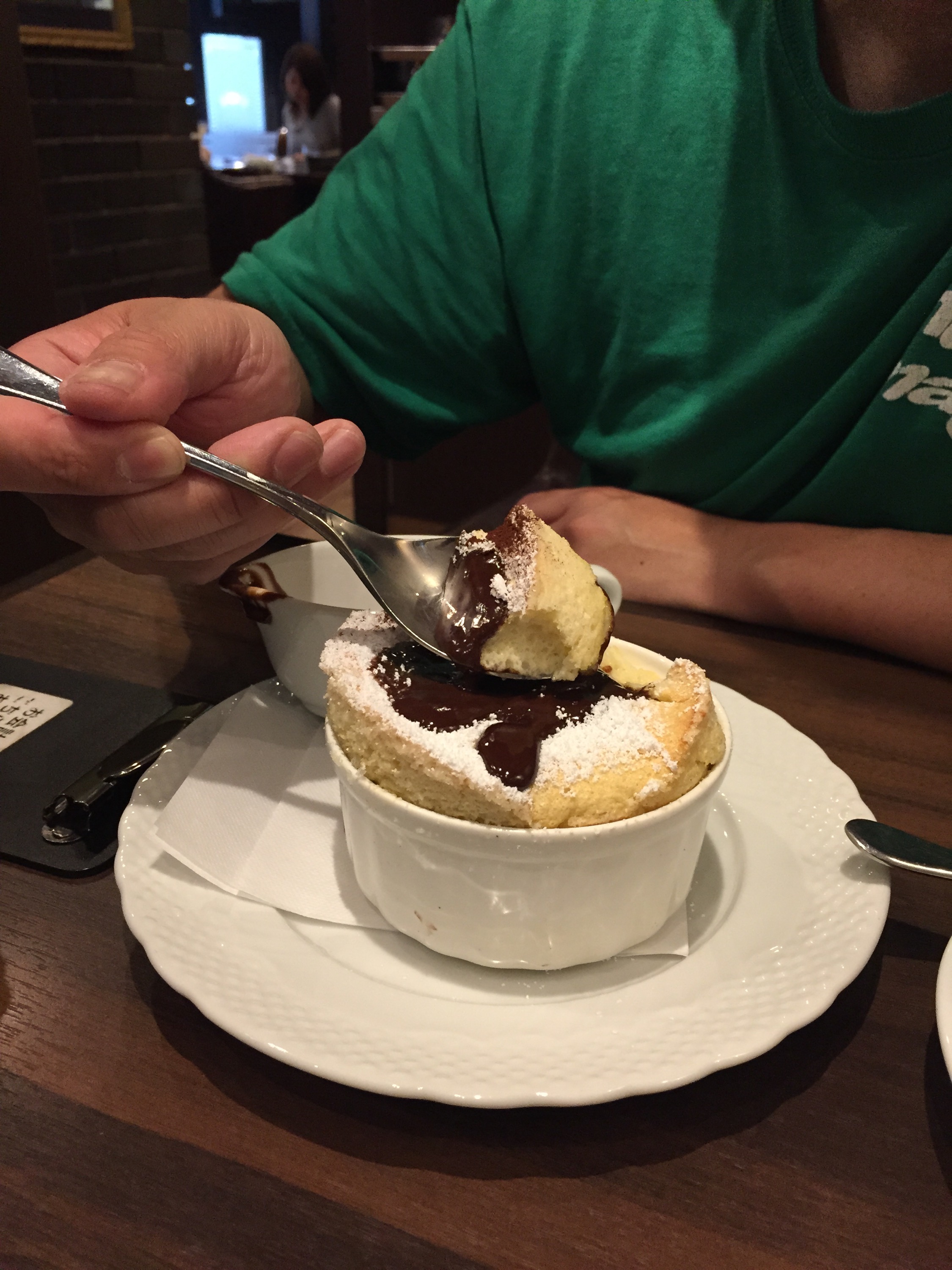
On our last full day in Tokyo we decided to explore Sangenjaya, the neighborhood where we stay each time we visit. We are ashamed to say that we’ve missed out on SO MUCH good stuff! Next time, I’m going to have to remember that there’s more to Sangenjaya than Mister Donut and our hotel street! For the rest of the week, I’ll be sharing some gems from the neighborhood. Hoshino Coffee was one of our final hour discoveries. You can find Hoshino shops all over Japan (and even in Singapore). The Hoshino in Sangenjaya happened to be just three blocks away from our hotel. They are famous for their hand-poured coffees and their soufflé pancakes. I had the Charcoal Roast Coffee. It was STRONG, but really delicious. (It seems like all of the fancy coffee in Japan is strong.) Naoto ordered a soufflé. To say it was heaven in a ramekin is an understatement. I’ve never tasted something so light and sweet and buttery. The thick chocolate syrup was rich and just bitter enough to balance the sweetness of the soufflé. The trouble with Japan is that there are just too many good things to eat!
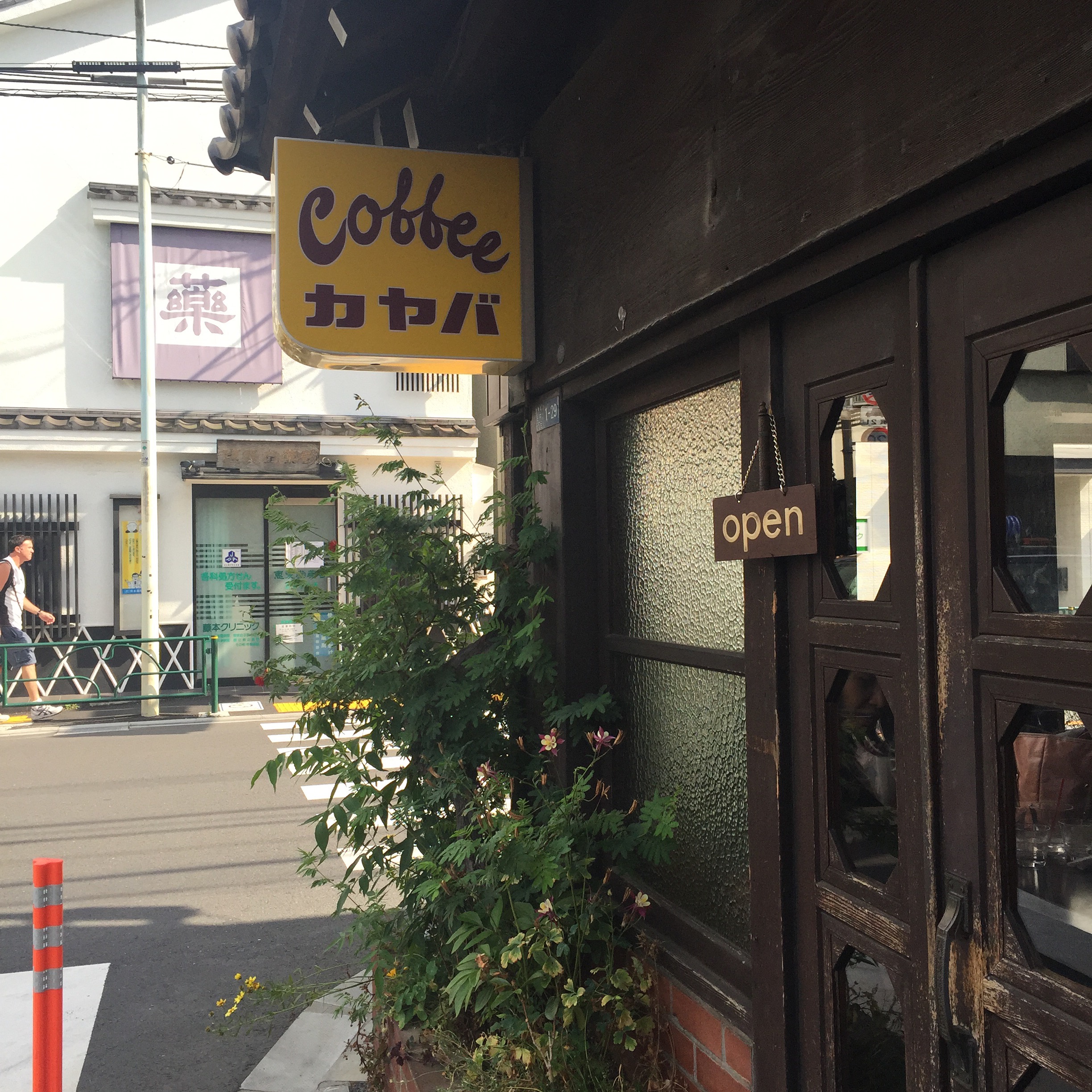
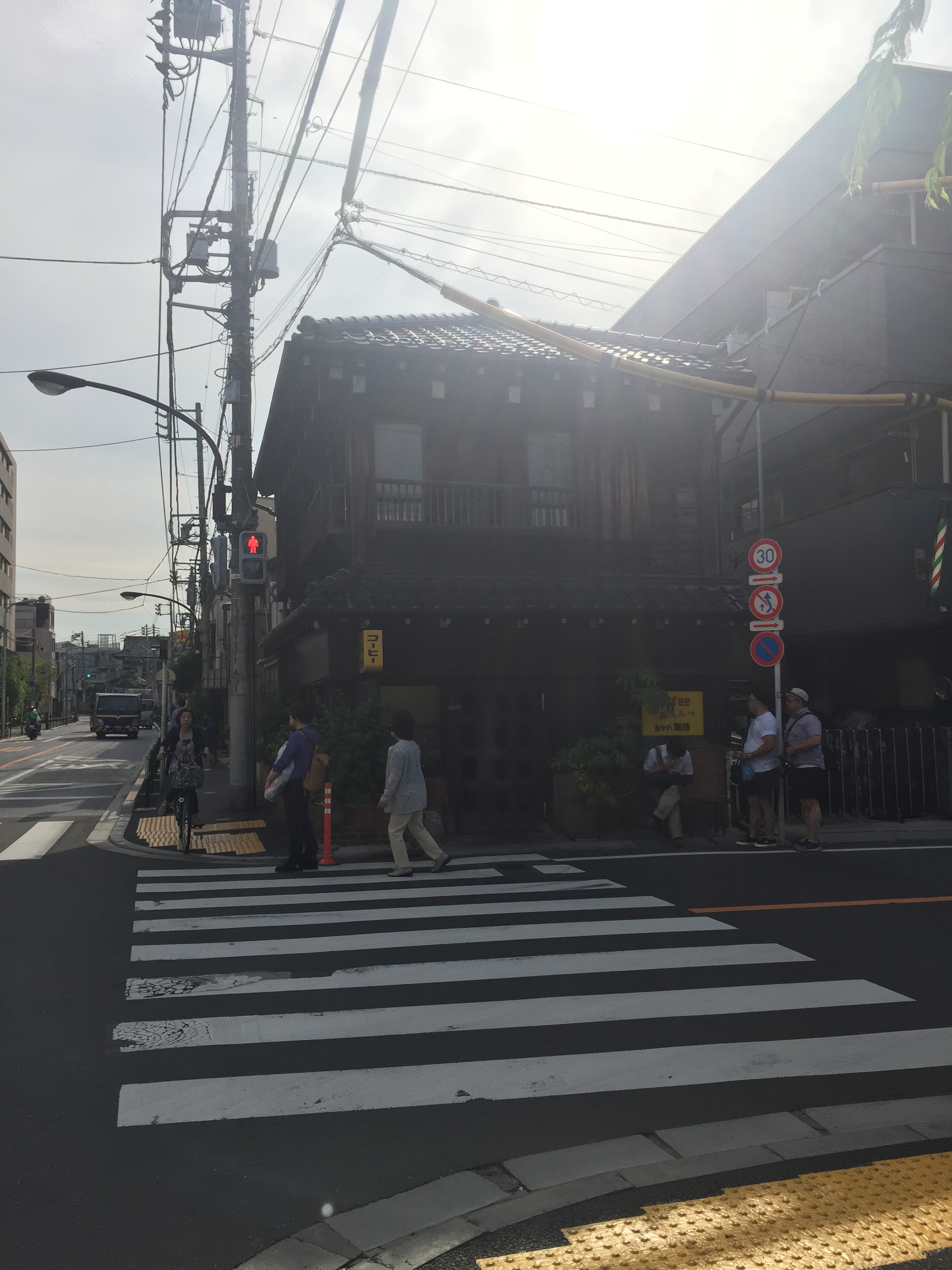
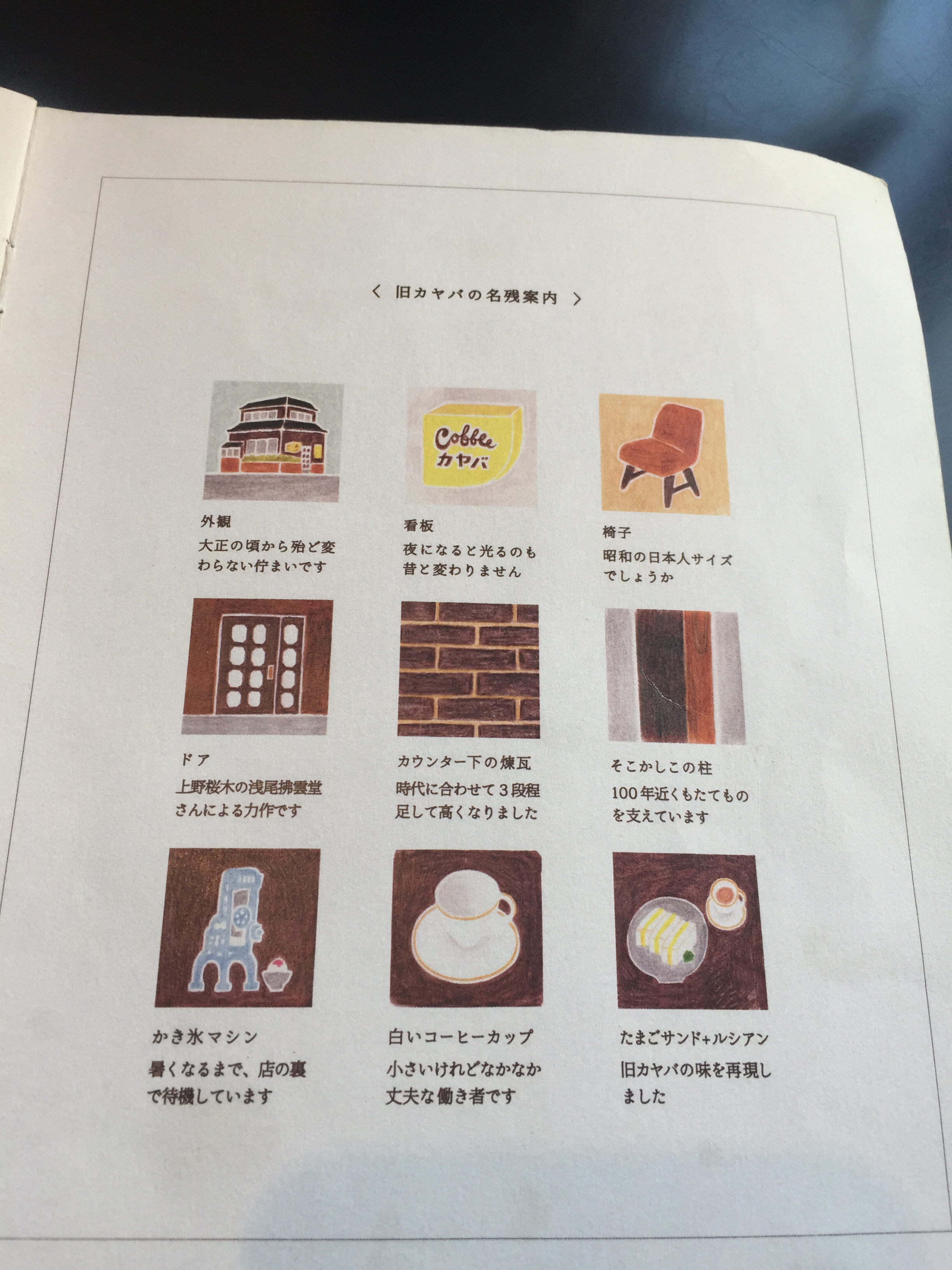
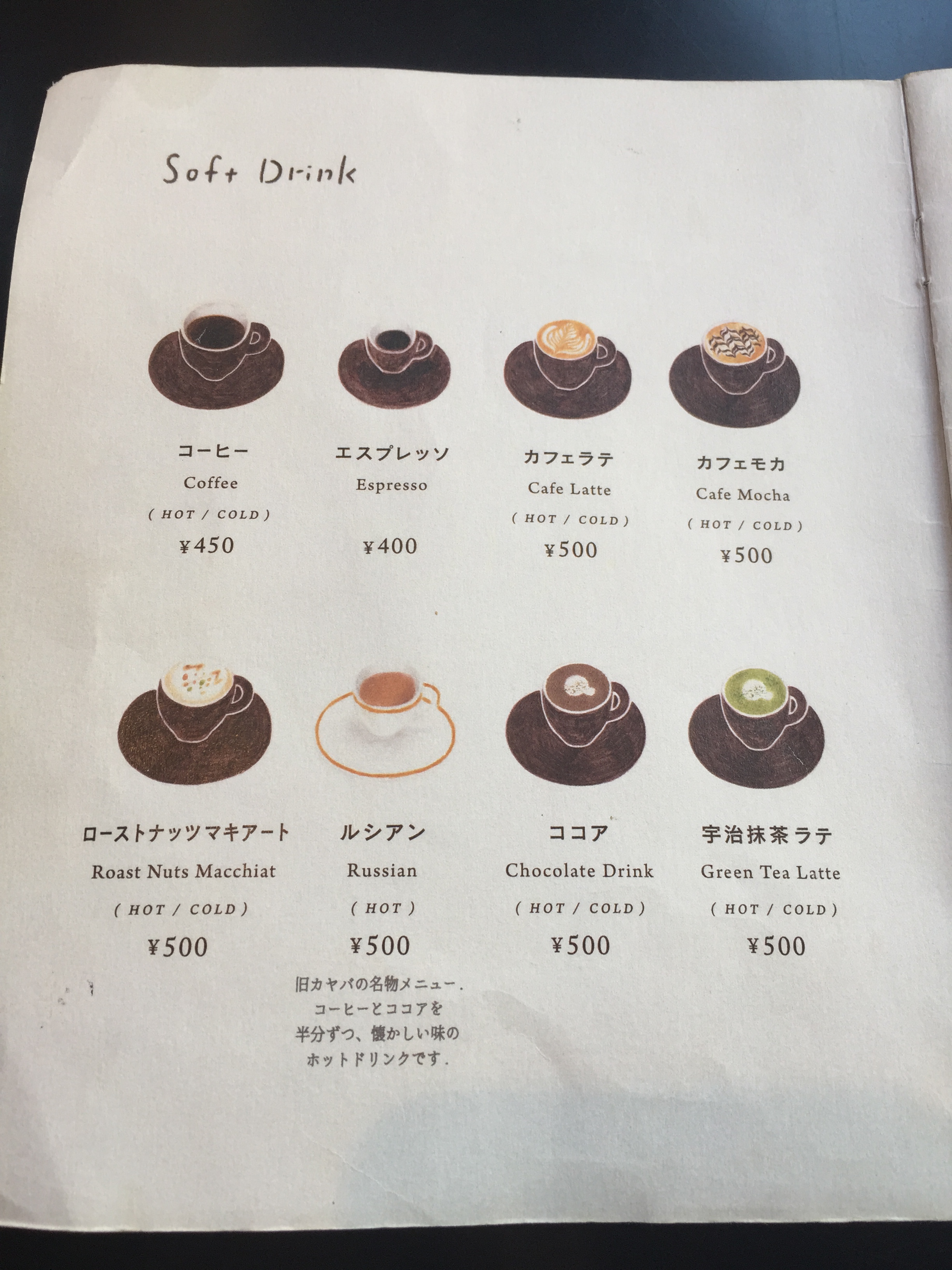
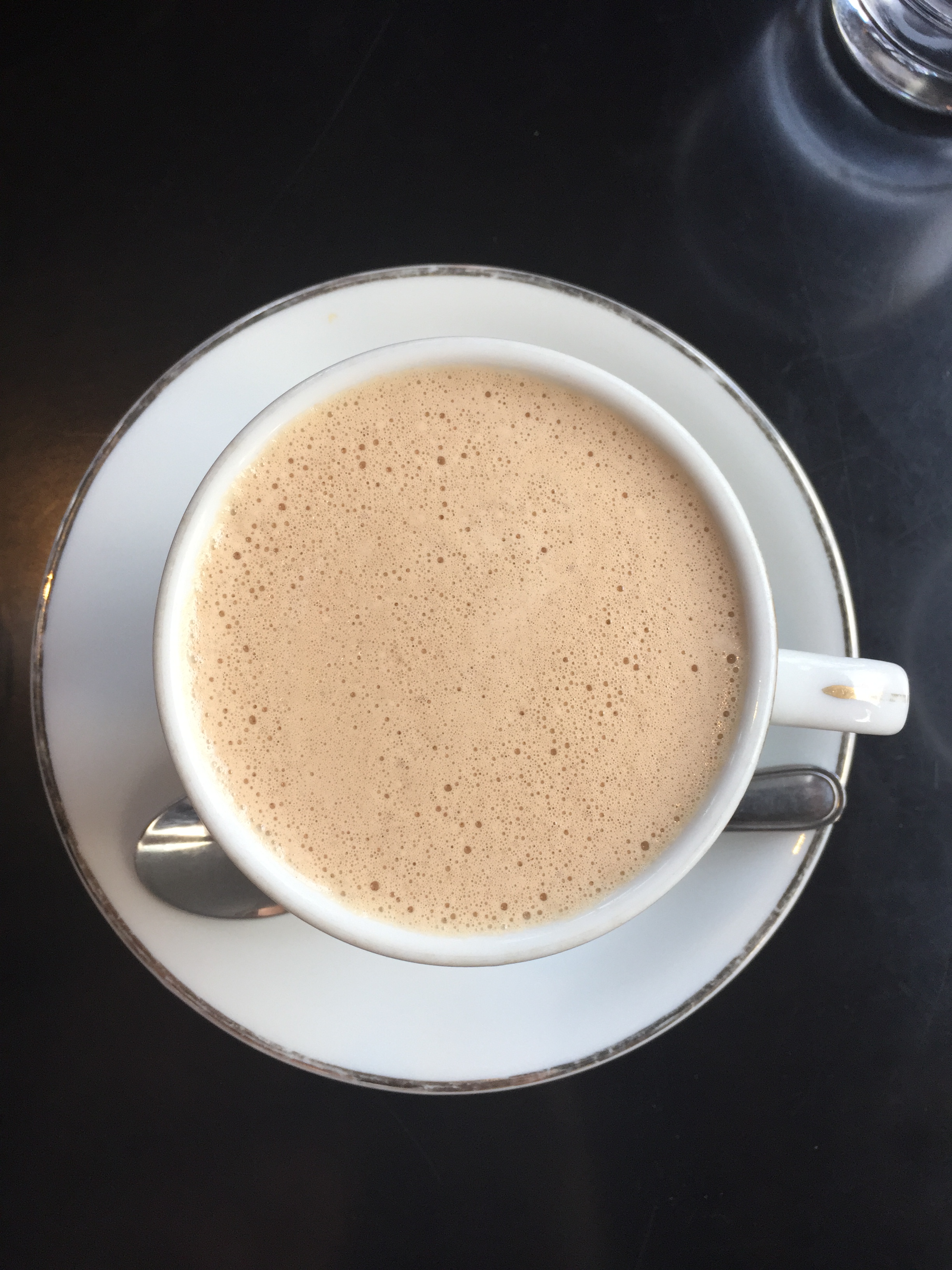
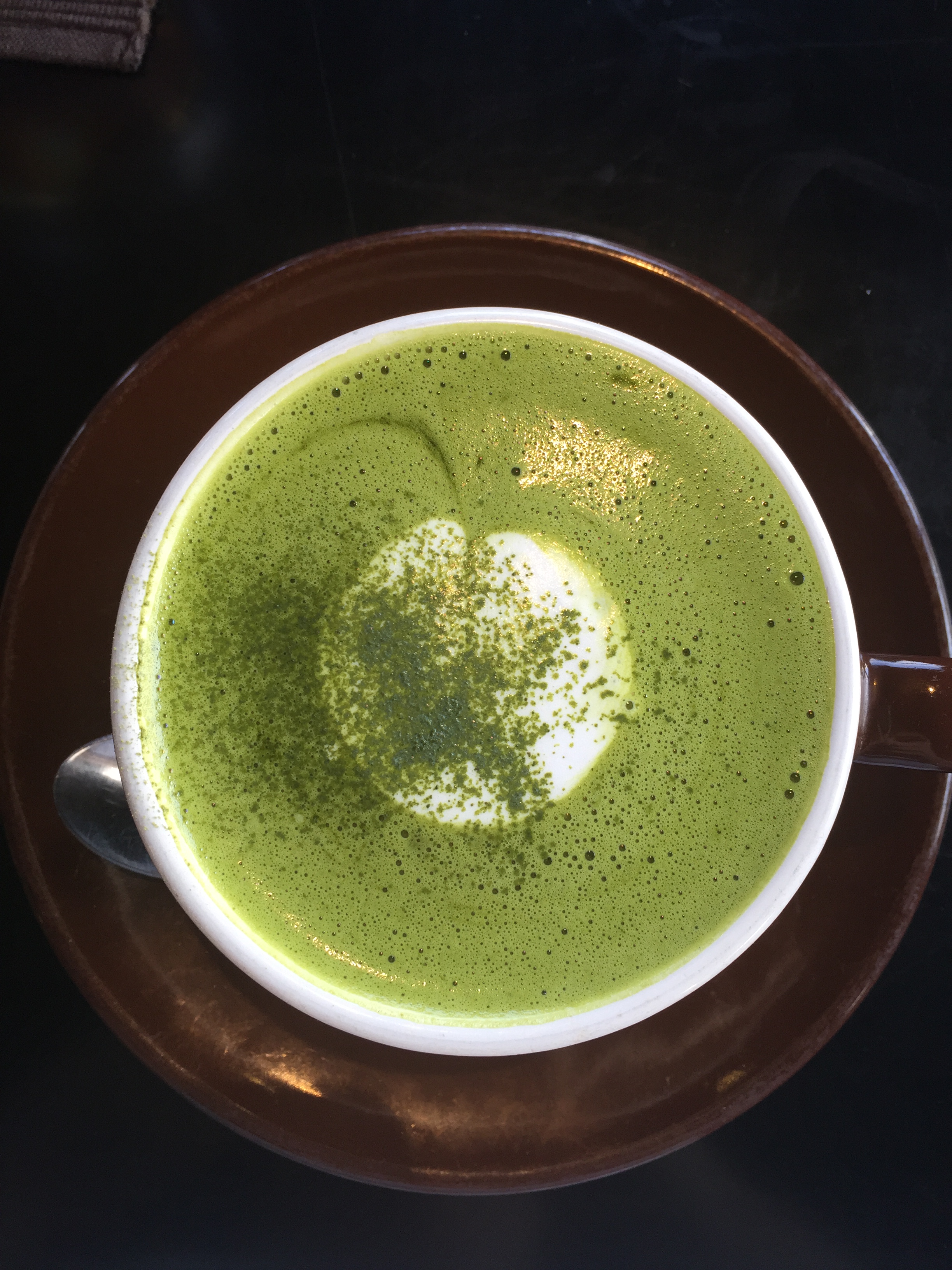
Before we enjoyed Hasegawa Happy Hour at the Suzukis, we spent the day together shopping in Asakusa and having lunch and coffee in the Taito Ward of Tokyo. We went to this charming old coffee shop called Kayaba Coffee. The building that holds Kayaba was built in 1917 as a house. In 1938 the Kayaba family turned the house into a coffee shop that Mrs. Kayaba and her daughter Sachiko ran for almost 70 years until Sachiko died in 2006. When Sachiko died, Kayaba closed until 2009 when it was renovated and reopened. The outside of the building has remained the same since 1917 and much of the inside–the ambiance, chairs, signage, and china–are true to the past. The chairs are super-short, designed for Japanese people in the 1930s, but they were surprisingly comfortable. (Of course, I’m short, so…)The menu is filled with drawings of the key historical points of the Kayaba building and history, and of the drink and food choices. They offer a huge variety of hot and cold drinks and food. (The egg salad sandwich is crafted to emulate the original recipe. I want to try it the next time we go!) Naoto had a Russian, a classic Kayaba drink made from half hot chocolate and half coffee. It was rich and delicious. I had a matcha latte and it was life-changing. The matcha, the foam, and the subtle sweetness were all perfection. And, it was stunning.
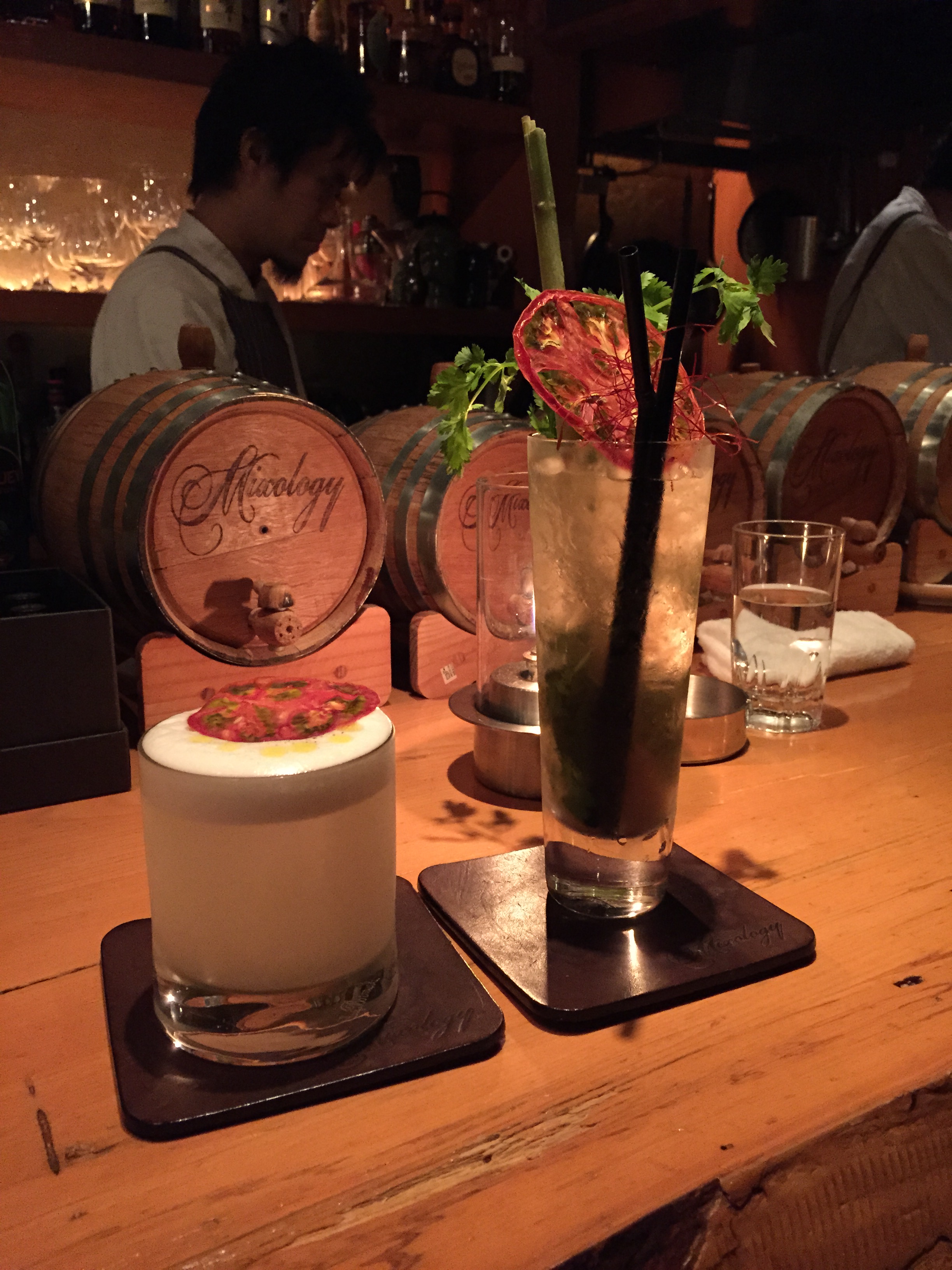
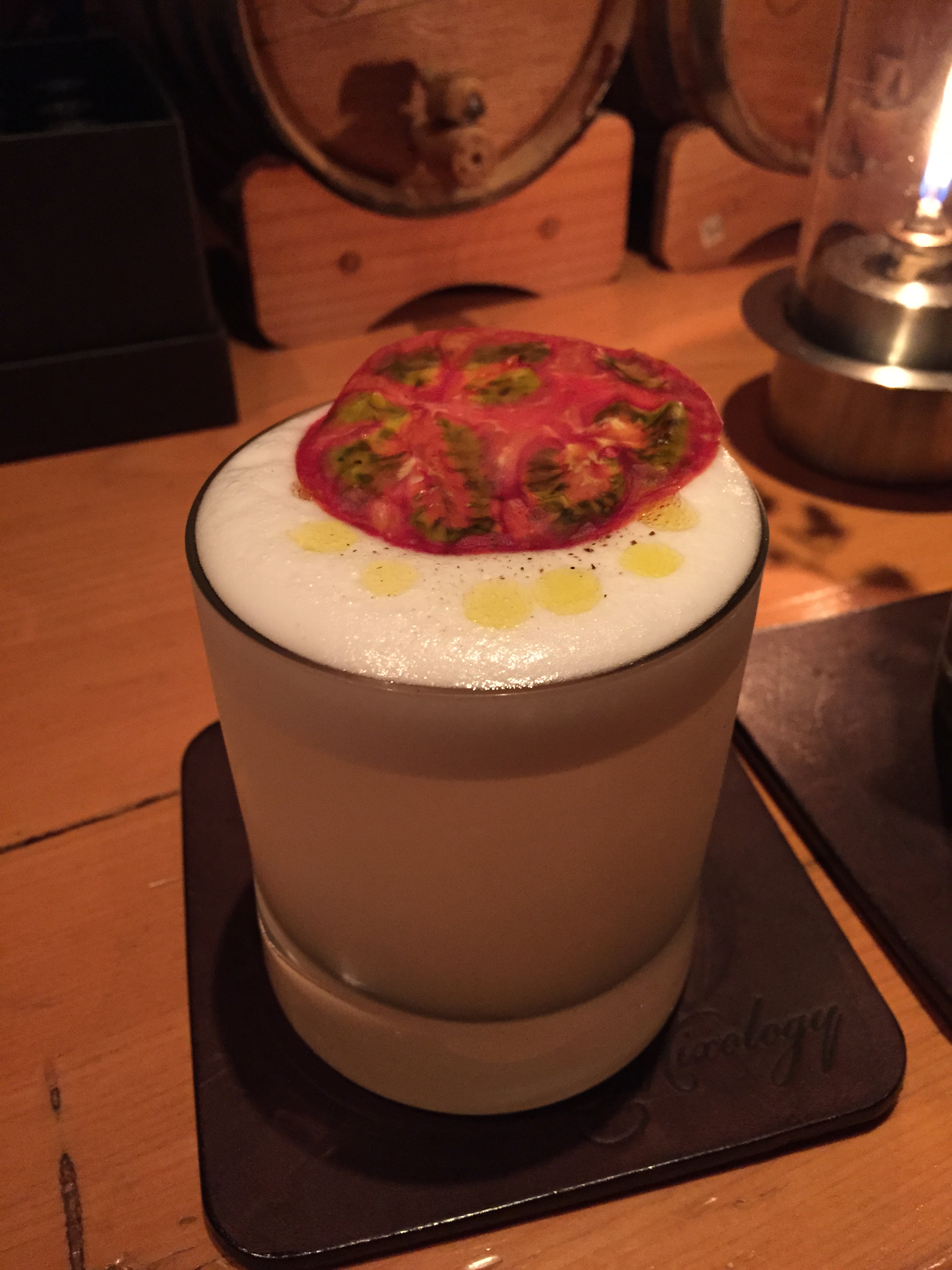
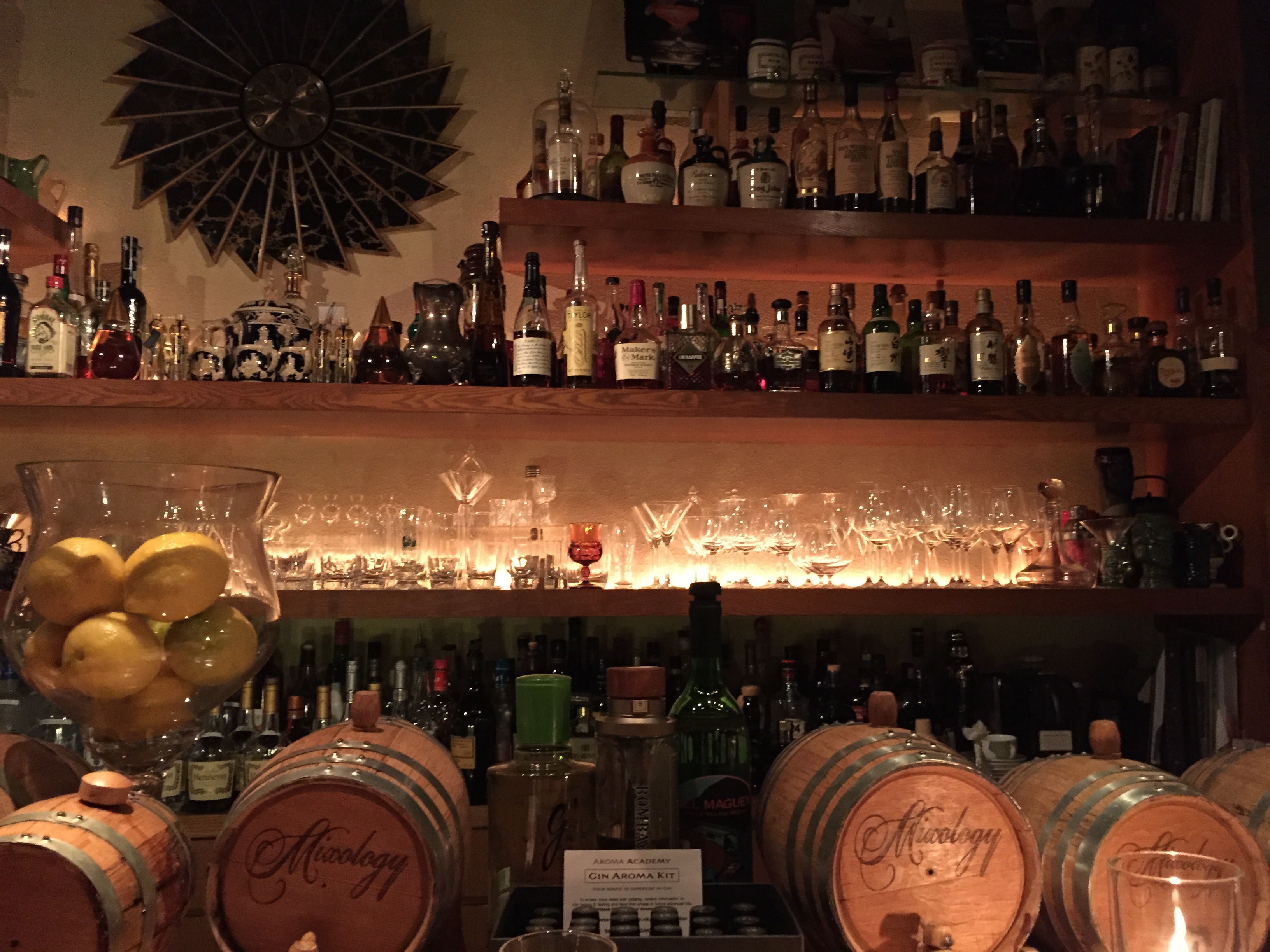
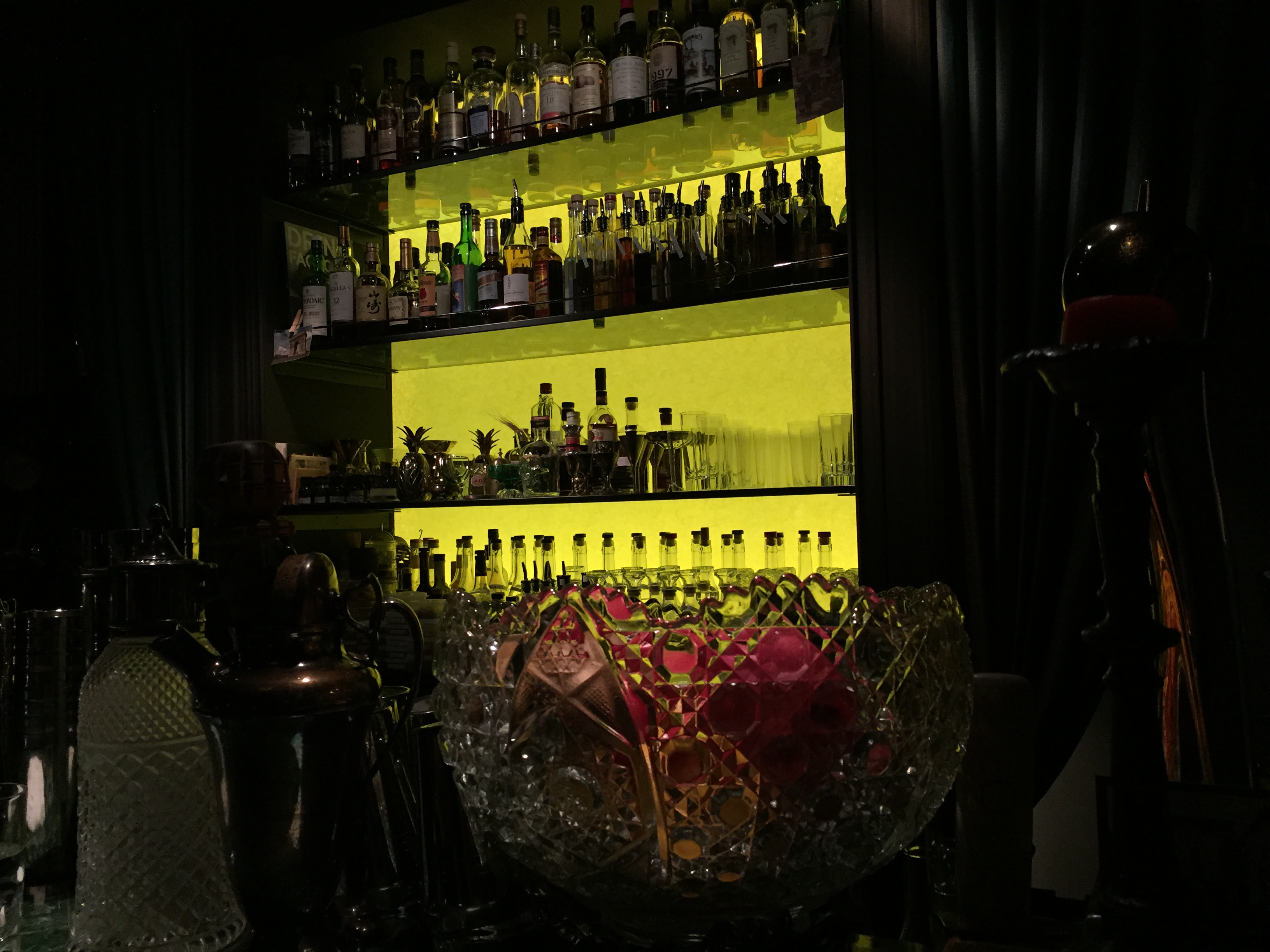
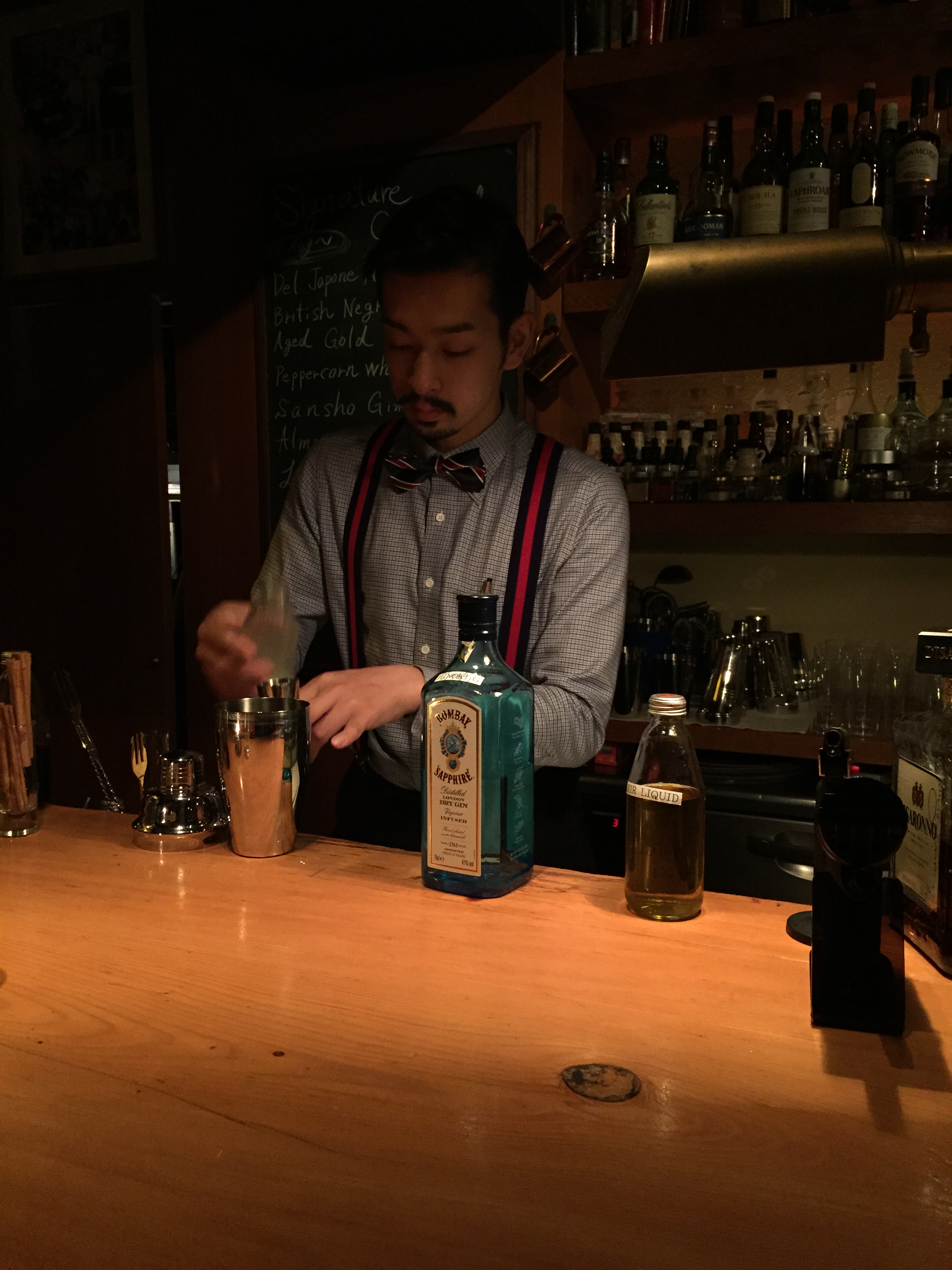
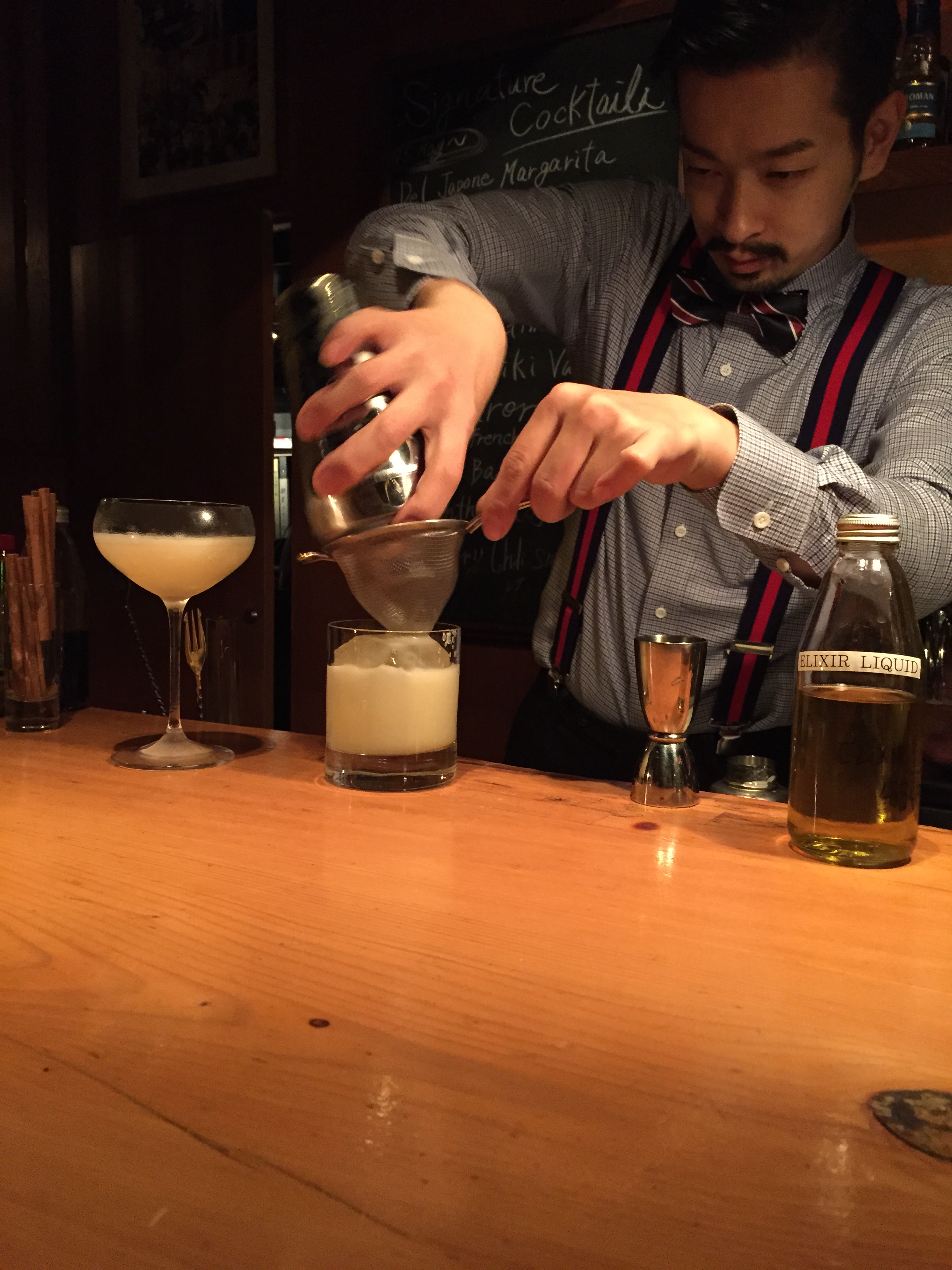
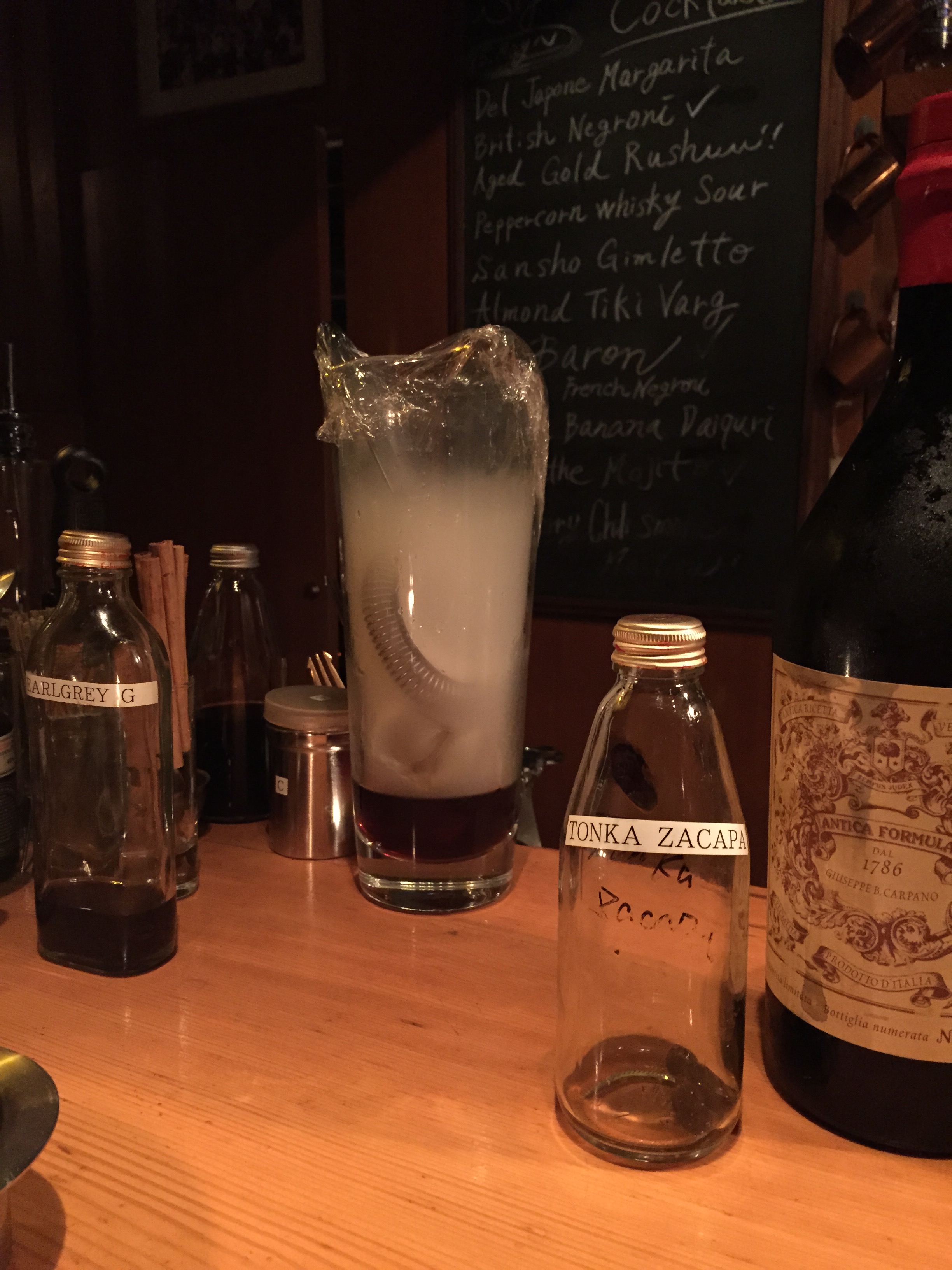
Craft cocktails are still a new thing in Tokyo. Most bars are still the izakaya style where copious amounts of beer and simple cocktails are served alongside fried foods, meat, and noodles. There are only a handful of actual cocktail bars in Tokyo, four or five mixologists are paving the way in their own little pockets of the city. I found this article in Time Out Tokyo and added a visit to one of these cocktail bars to our must-do list. We decided to go to Codename Mixology since it’s only a few steps away from Tokyo Station and its wonderfully stocked post office. The cocktails here are developed in a “lab” and using unique combinations and uniquely developed liquors. They offer a whole menu of cheese-infused martinis, foie gras vodka, and gins distilled with hinoki (Japanese cedar), blue cheese, and other unusual flavors. We had read about the Tomato Cocktail and the Tom Yum Cooler in the article and decided to start with those. The tomato cocktail (pictured above) was lovely. It was garnished with drops of olive oil and a dried tomato and had a subtle tomato flavor. The Tom Yum Cooler stole the show though. I’m not a huge fan of Tom Yum soup, but the flavors in the cooler were exploding! Lime, balsamic vinegar, and tamarind–it was at once sweet and savory and tart.
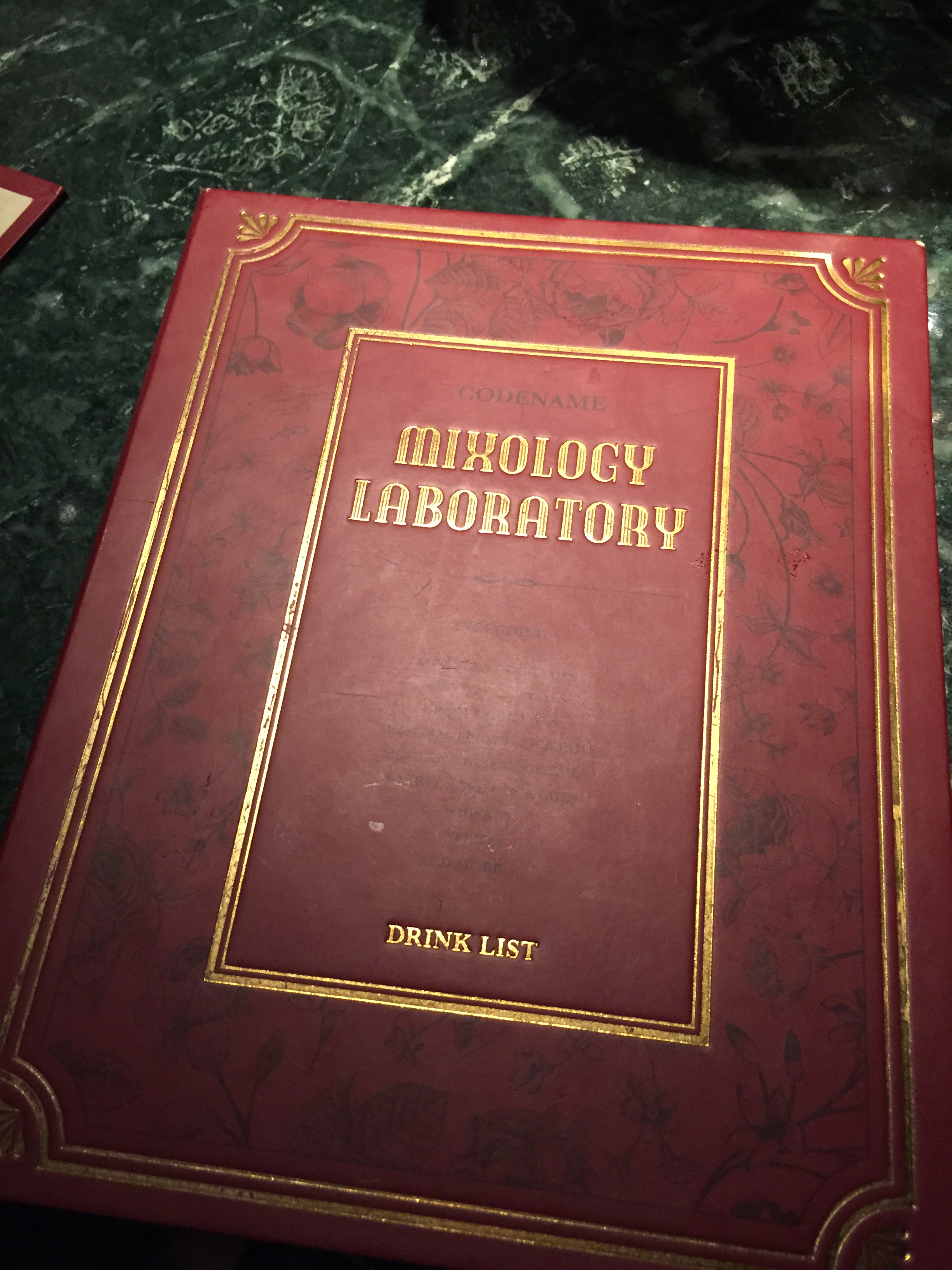
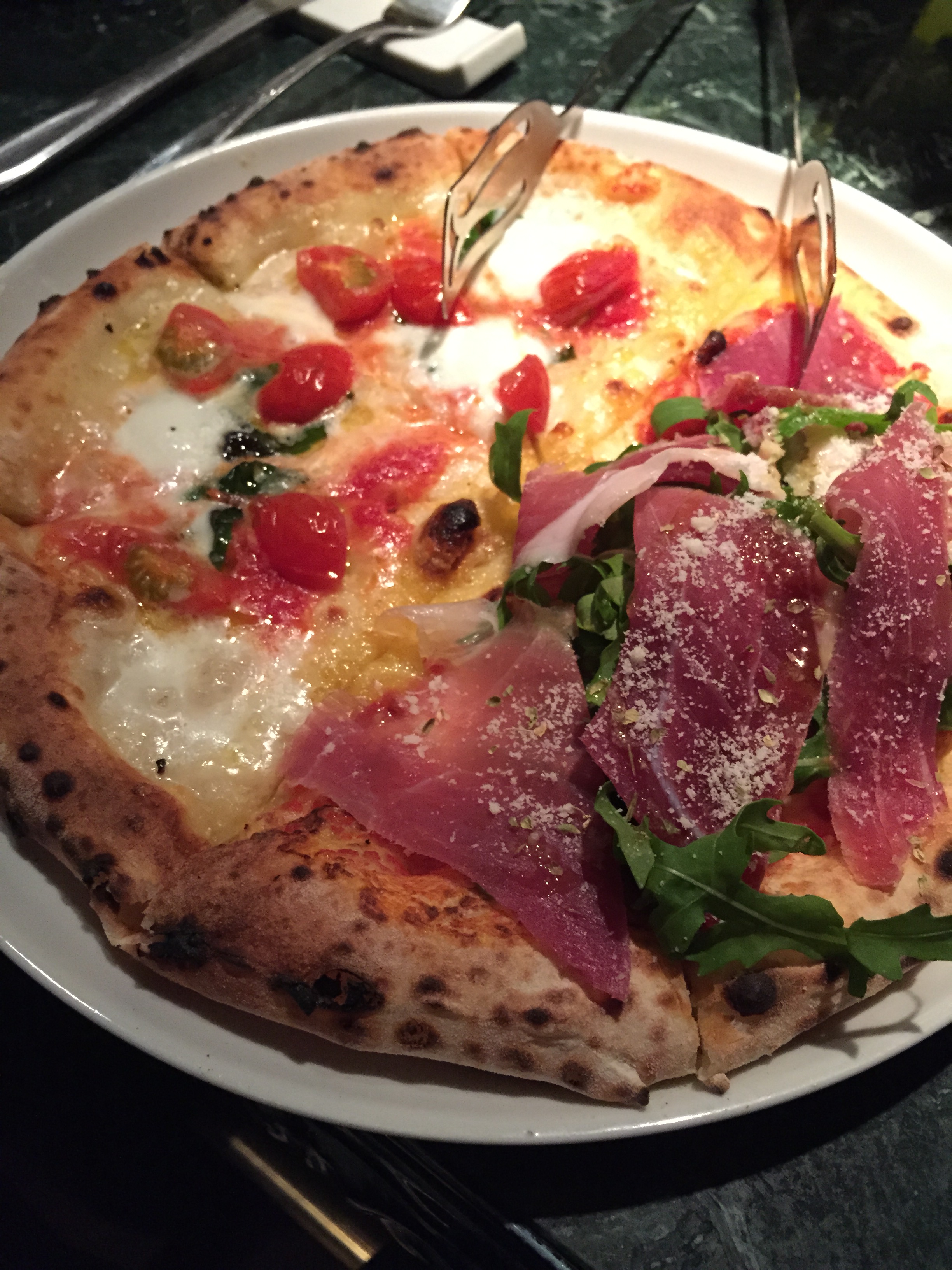
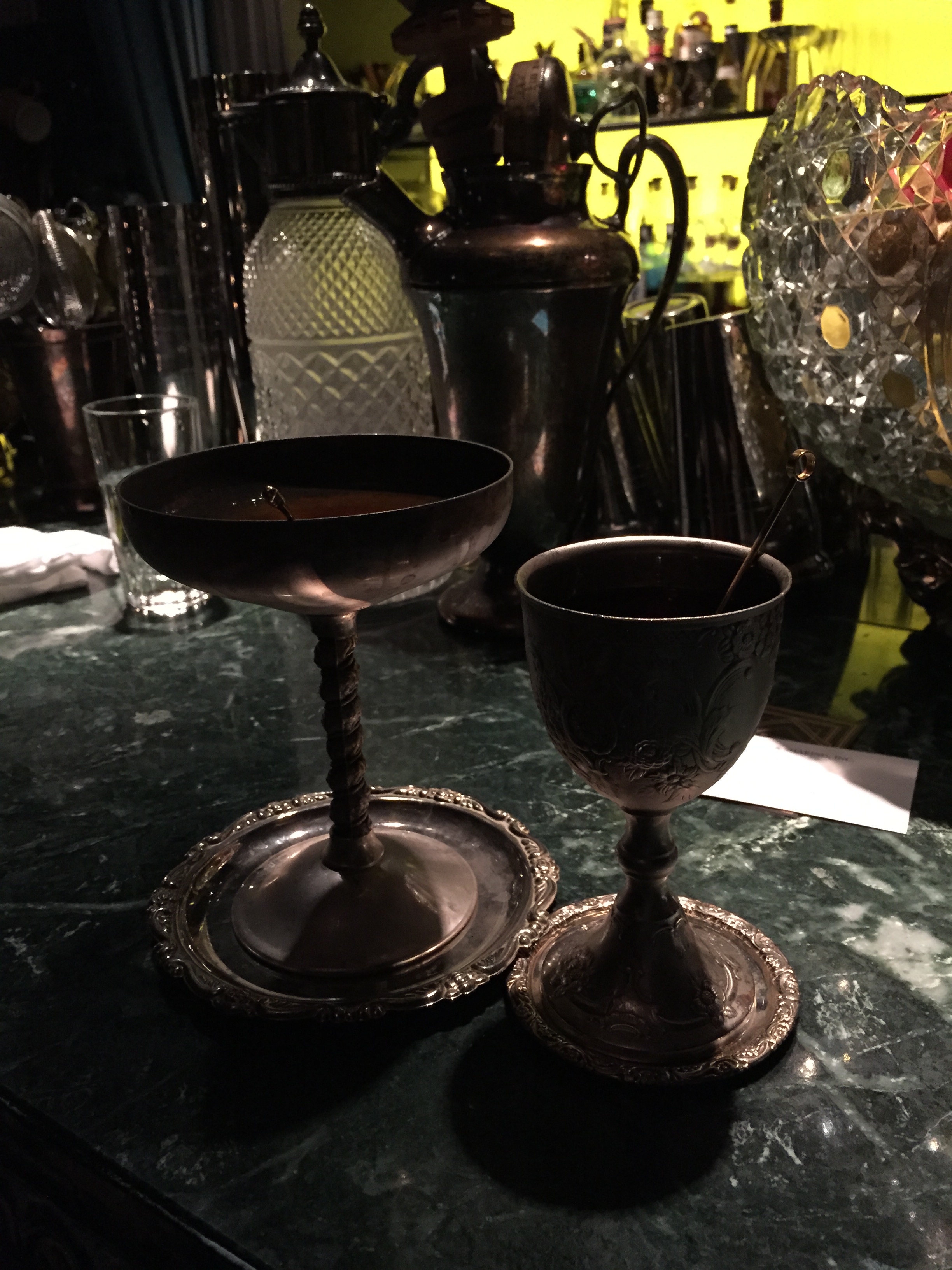
Our bartender, Ohba-san let us taste some of the weird gins and told us about the behind-the-scenes development of the cocktails. Even though we had planned to drink just one cocktail, we decided to go upstairs to Codename Mixology Laboratory, a prohibition themed speakeasy. Ohba-san walked us upstairs, punched in the code, and introduced us to the bartender upstairs. Everyone else who entered the Laboratory after us knew the code. It felt like a secret society in there! The menu upstairs was very similar to the menu downstairs, but the atmosphere felt more dark and moody. We ordered a pizza–which was so good! One half was Margherita and the other was prosciutto and arugula. We ordered specialized versions of familiar drinks, a Manhattan and I can’t remember what Naoto had. (Sorry!) There was less “showmanship” upstairs, but the presentation of the cocktails was superb. Both of ours were served in pewter goblets with matching coasters.
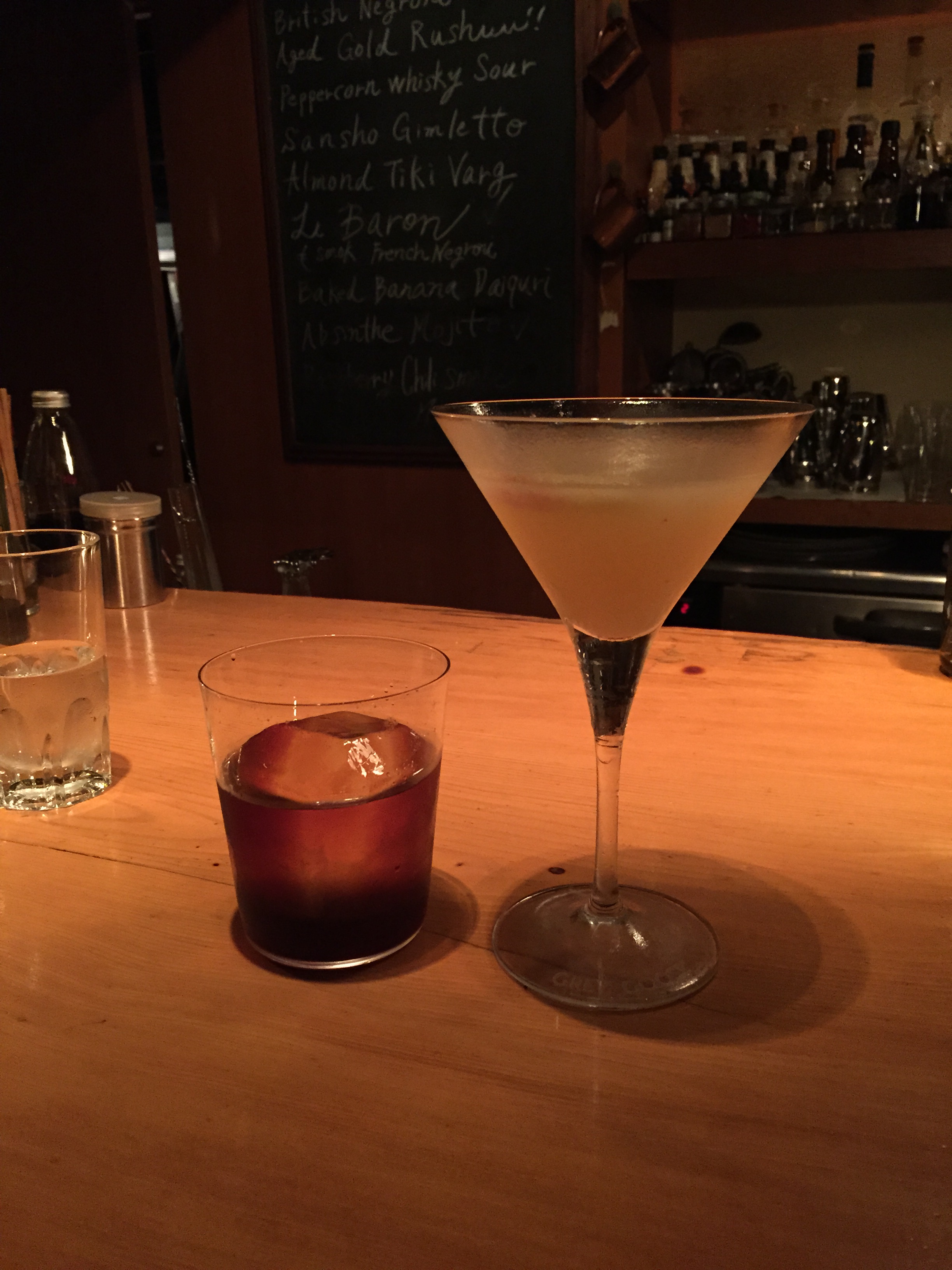
I made a quick little video so you can hear the music and the quiet chatter at the bar. The 1930s and 40s music really set the tone in the room. After dinner, we ventured back downstairs for another drink. Watching Ohba-san masterfully create these crazy cocktails was well worth the bar tab! To end the night, I had a Smoked Negroni and Naoto had a Peach Wasabi Martini. (Truth be told, I had ordered the martini, but I liked the Negroni better, so we switched.) At first the Negroni seemed like just an average Negroni, but the smoky finish made it special. And Naoto’s martini was fruity with a slow burn from the wasabi vodka…delicious!
We are looking forward to exploring more craft cocktail bars on our next trip!
One of my favorite meals of our trip was the tonkatsu at Maisen. Maisen is an old and famous restaurant in Omotesando, the same part of Tokyo as the Bunbougu Cafe is in. Naoto’s sister, Hisae, took us there a few years ago and I’ve been dreaming of going back ever since. This time we made it happen.
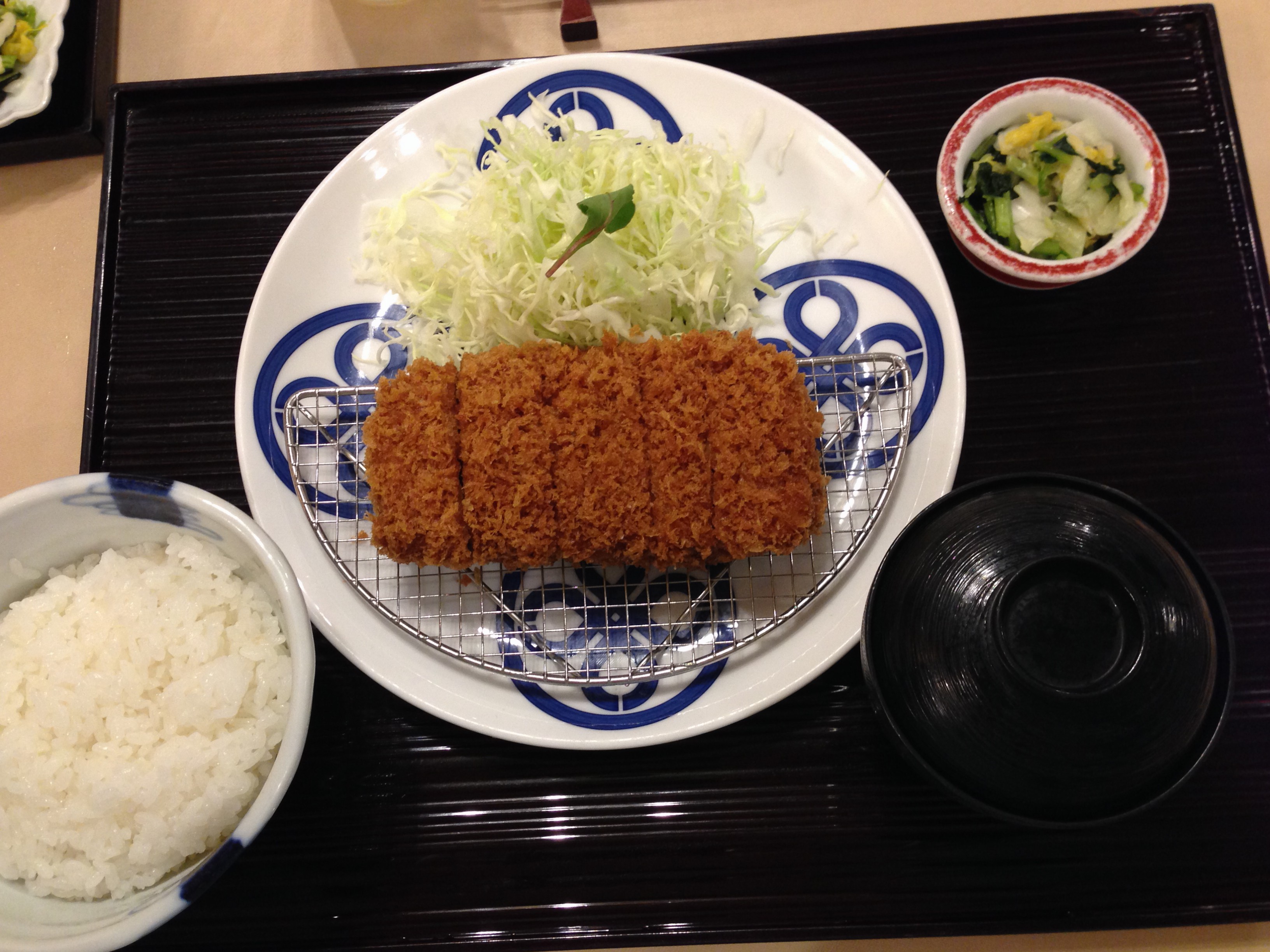
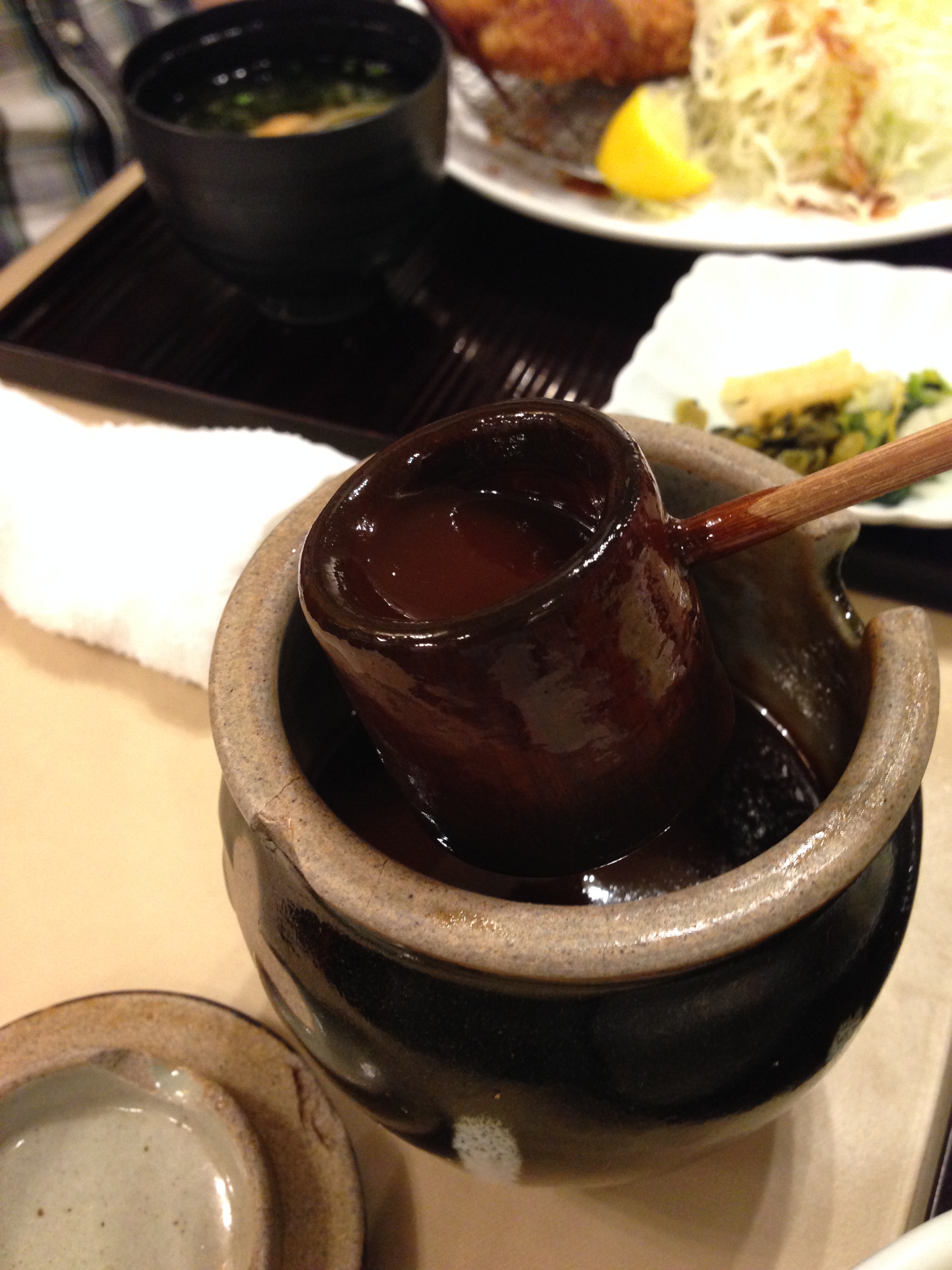
Tonkatsu is a fried pork cutlet (we had it at home for Christmas dinner once) with a delicious crust of panko breadcrumbs. At Maisen, it is served with miso soup, rice, pickled vegetables, and as much shredded cabbage as you can eat. (There are servers who walk around with giant baskets of cabbage, offering up refills throughout your meal.) I love that the tonkatsu is served on a little metal rack so the cutlet stays crisp until the very last bite. And the sauce!! The Maisen tonkatsu sauce is like a tangy barbecue sauce and it’s delicious on the pork AND on the cabbage. It’s similar to Bulldog Sauce (which is what we use on tonkatsu at home) but it’s richer and thicker.
The main part of the restaurant is a former bath house dressing room (you can see pictures here) but there are also several other rooms and counters for dining. The first time we ate here, we ate in the main room, which feels very spacious and light with its high ceilings and sky lights. This time, the hostess said something about English speakers and stuck us in what I assume is the part of the restaurant where the servers speak English. (There were other families in the room with English speakers, so I can only assume that’s why we were all sitting together?) The big room had better atmosphere but the food was just as delicious!
Oh, and my favorite silly part of Maisen is…they have a parking lot. It holds two cars. And there is a parking lot attendant. He’s not guarding the cars…Omotesando is a very nice neighborhood. He just stands there and bows to you as you walk by. Oh, Japan.
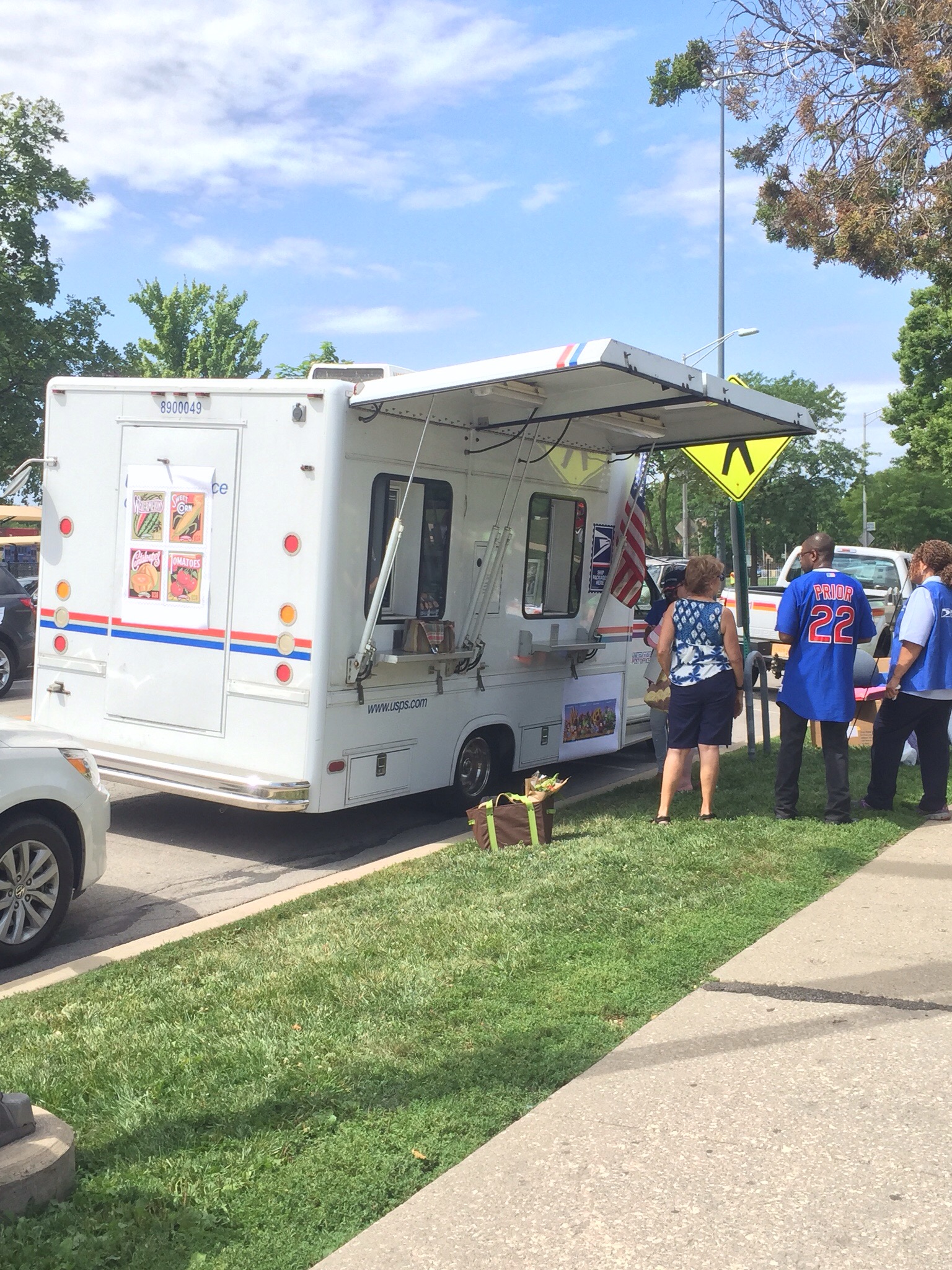
The mobile post office made it to the Oak Park Farmers Market! Hallelujah!
We got to the market around 10:45am and there were a couple of people in line ahead of us. I was excited to buy a few sheets each of the Summer Harvest stamps and the Coastal Birds postcard stamps, but their credit card machine was “down” and they were out of the postcard stamps. Since I was saving my cash for the farmers market, I only bought one sheet of the Summer Harvest stamps. So, what could have been a $40+ sale ended up being less than $10. (Bummer…) But on a high note, Orlando was working and he’s our old favorite from our Oak Park Post Office days, so it was good to catch up with him. Clearly the USPS made a good decision to have their cheeriest employee working at the market!
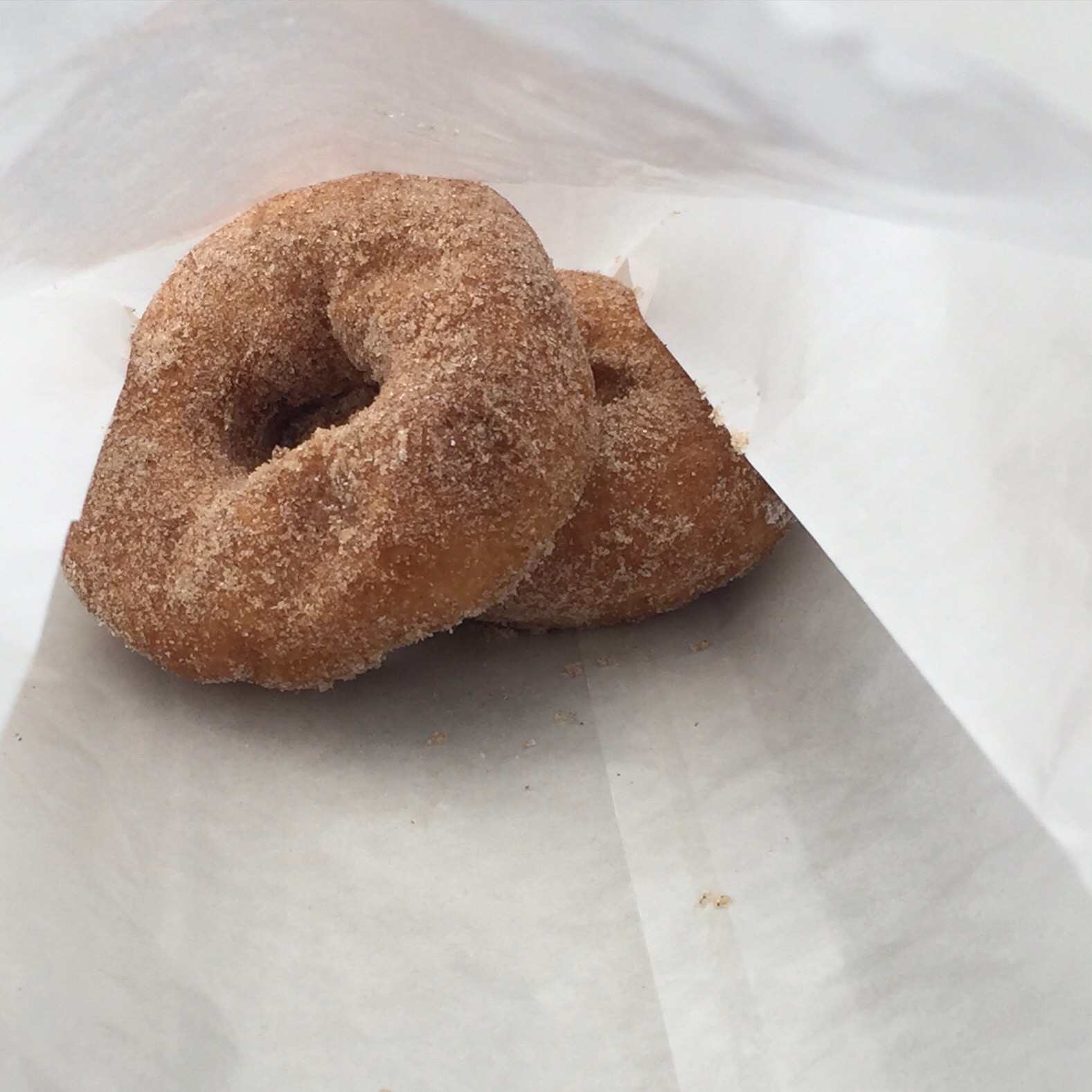
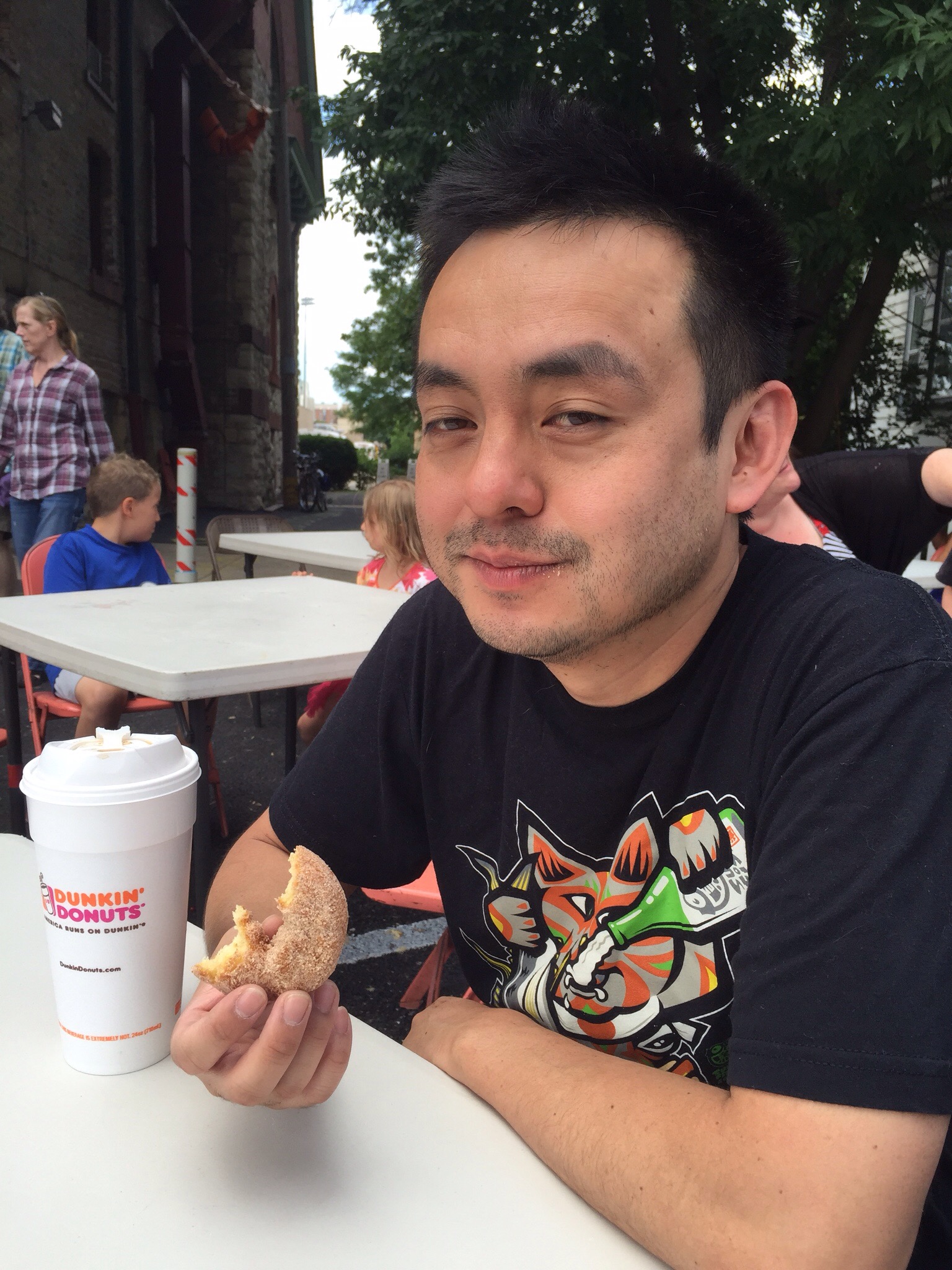
There was no special postmark, but they had a table with coloring books for kids and a free bubble mailer for participating in a survey about your experience at the window. I’m interested to hear how the post office fared financially because future participation will depend on Saturday’s sales. I’ll report back when we have our next council meeting in a couple of weeks. After we got our postage stamps, we hopped in the donut line for the famous farmers market donuts, bought a load of Mirai corn, and went home. (And of course, both the donuts and the corn were out of this world!)
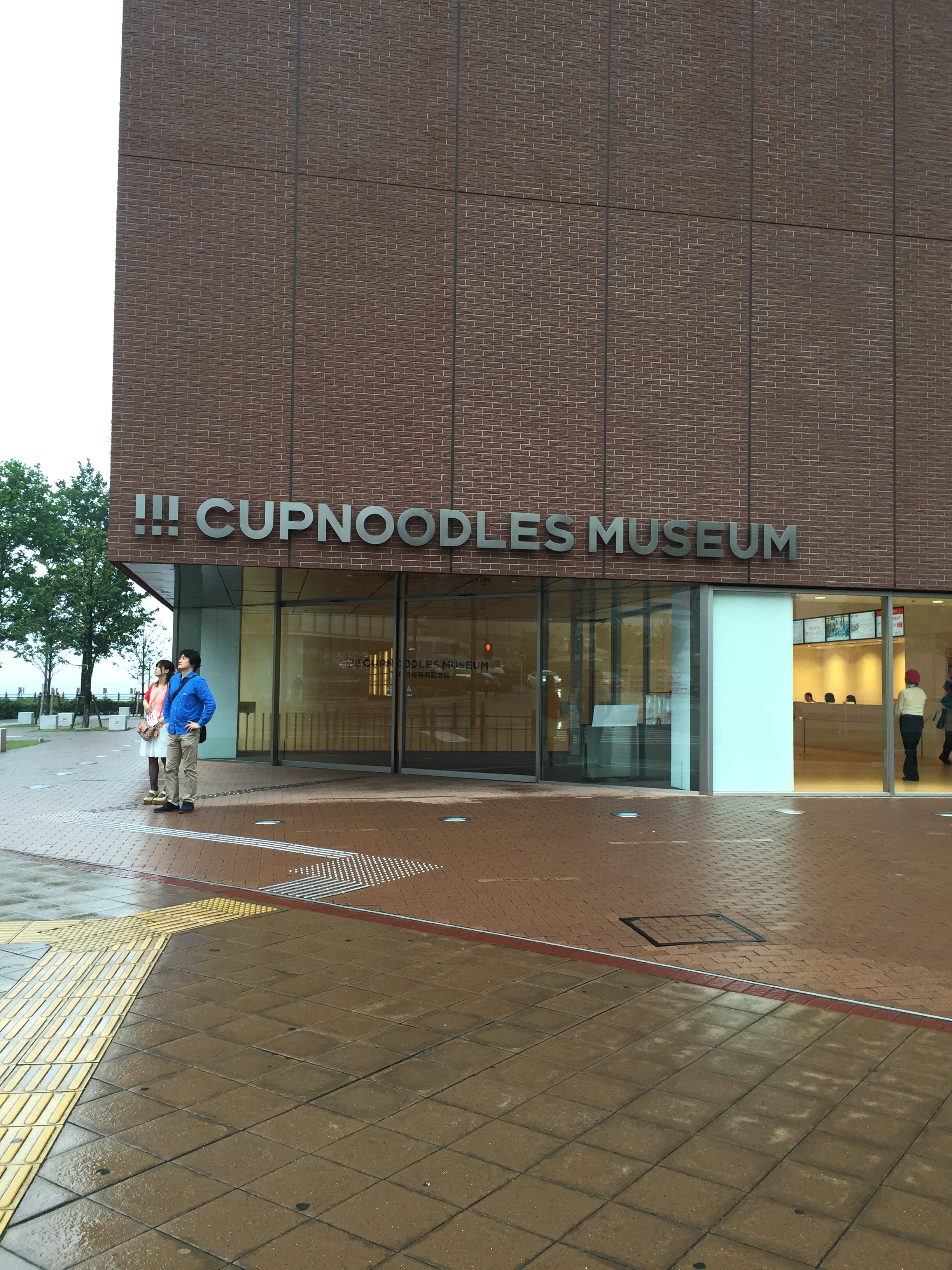
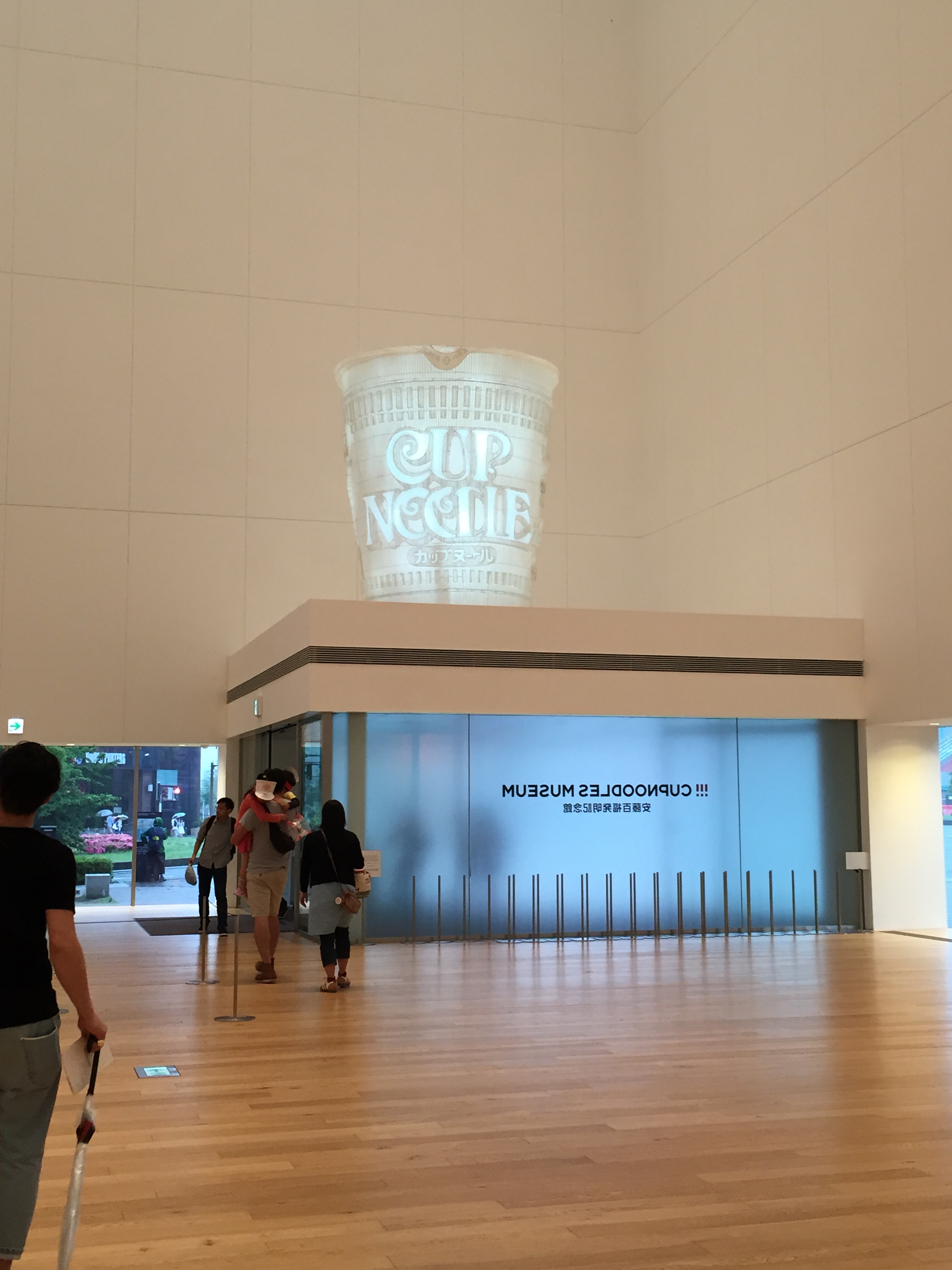
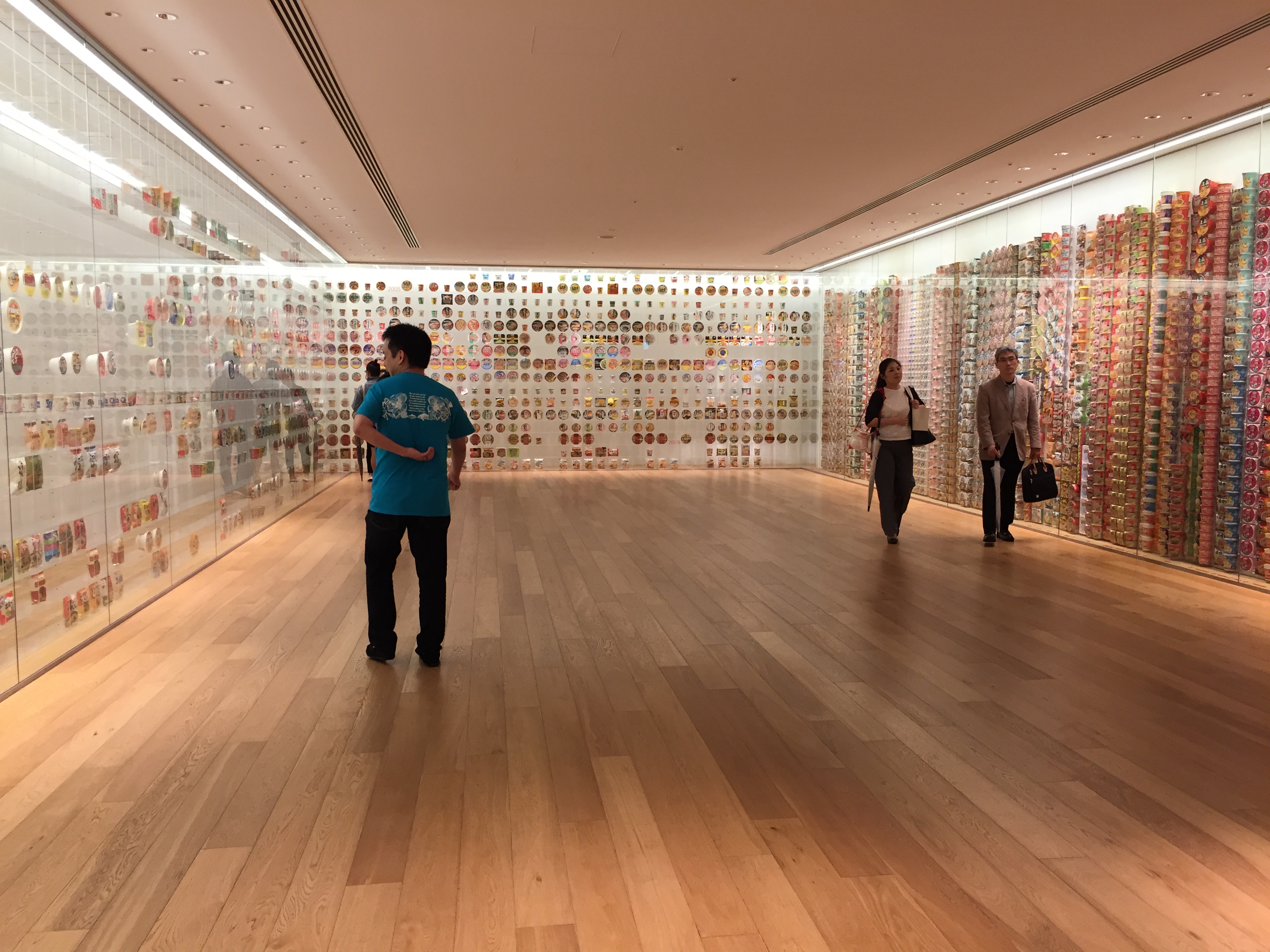
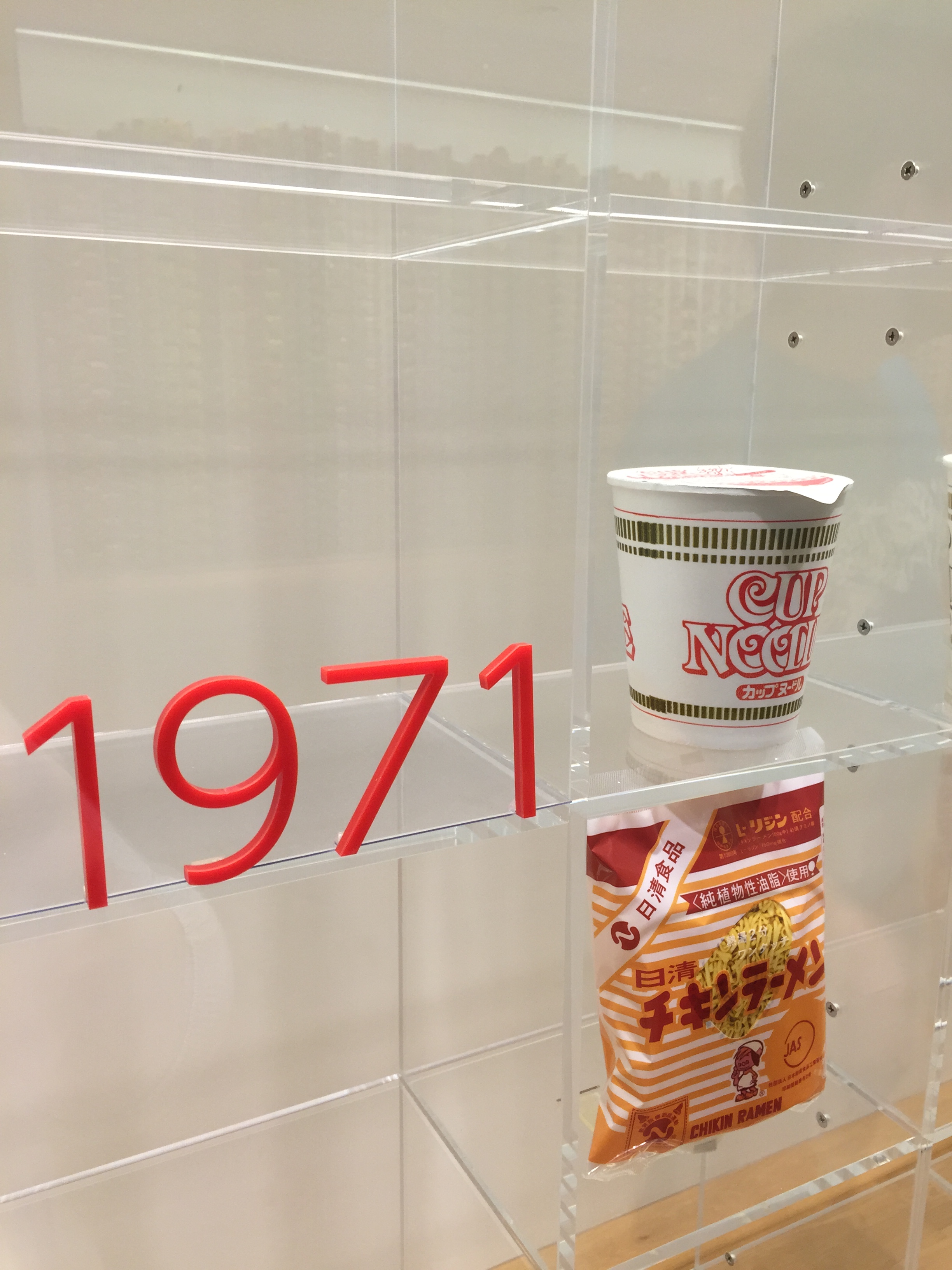
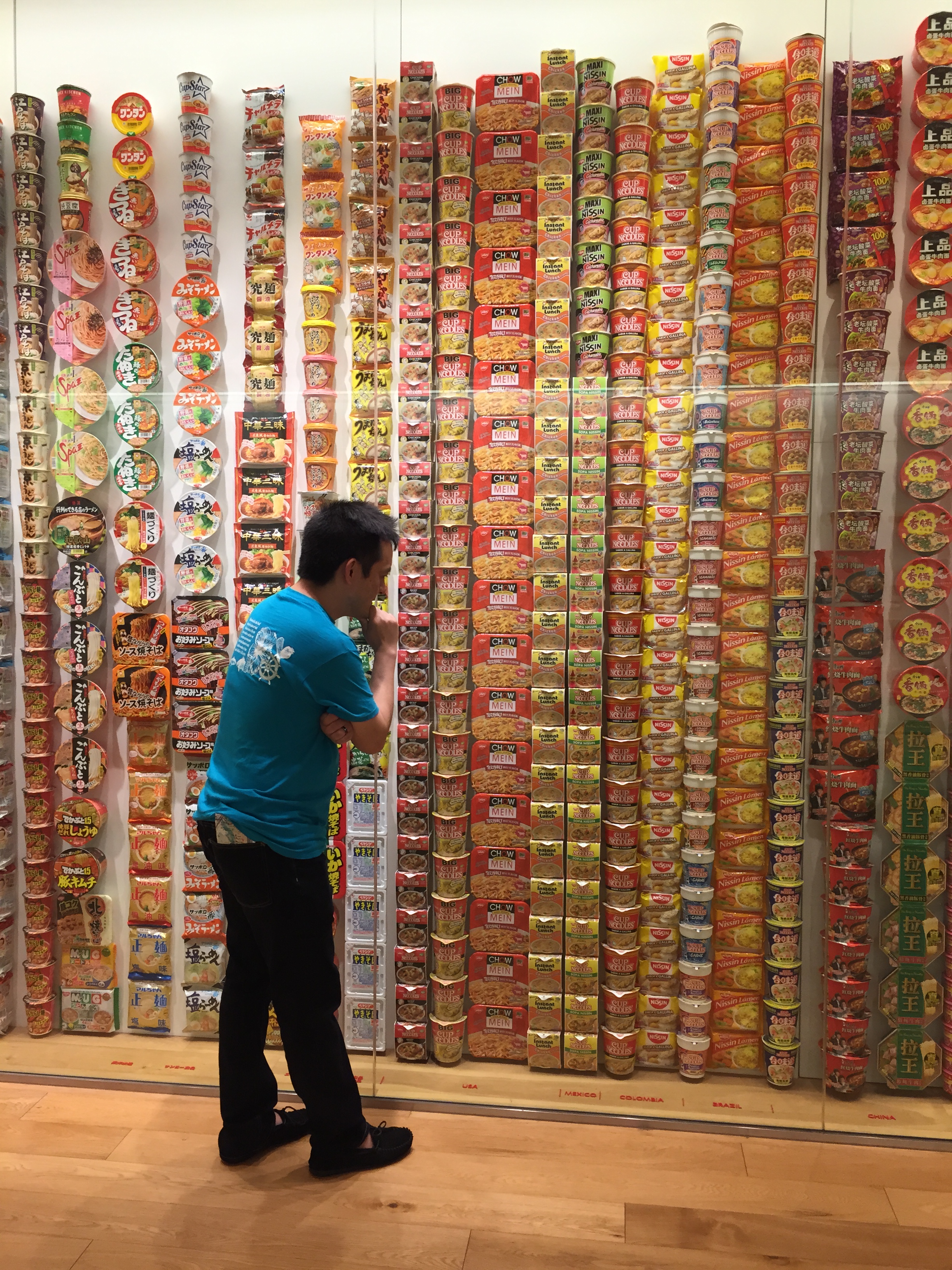
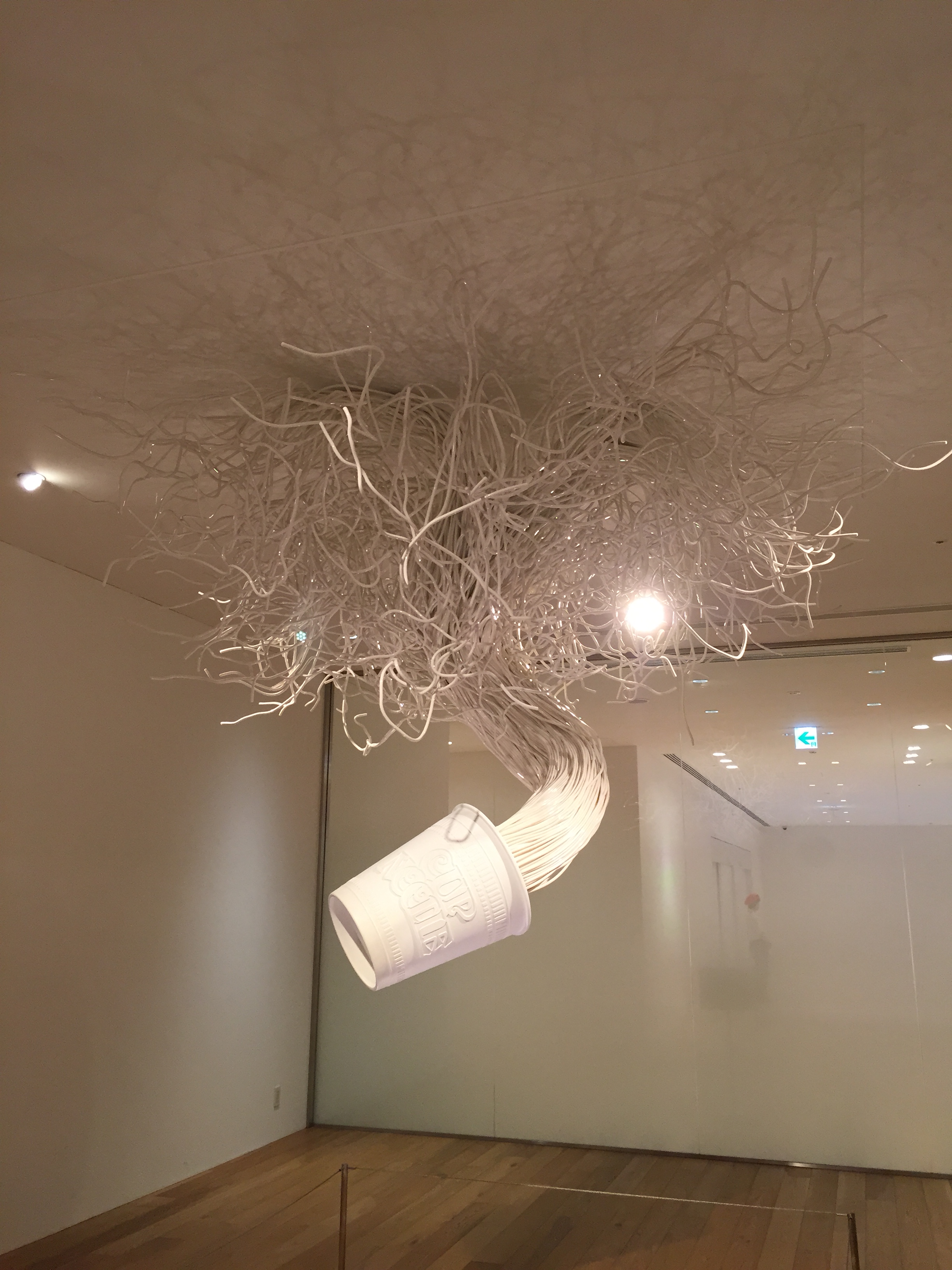
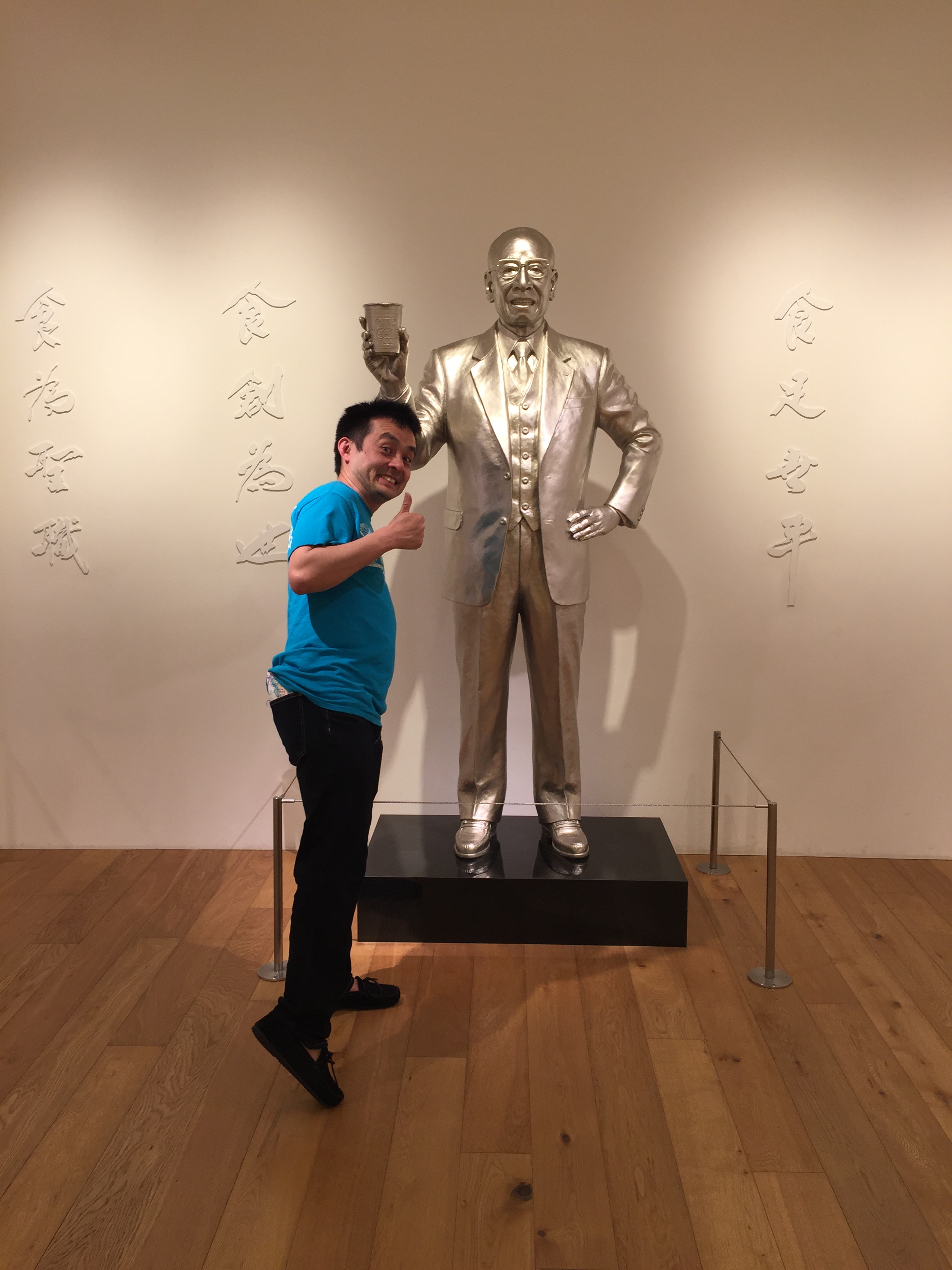
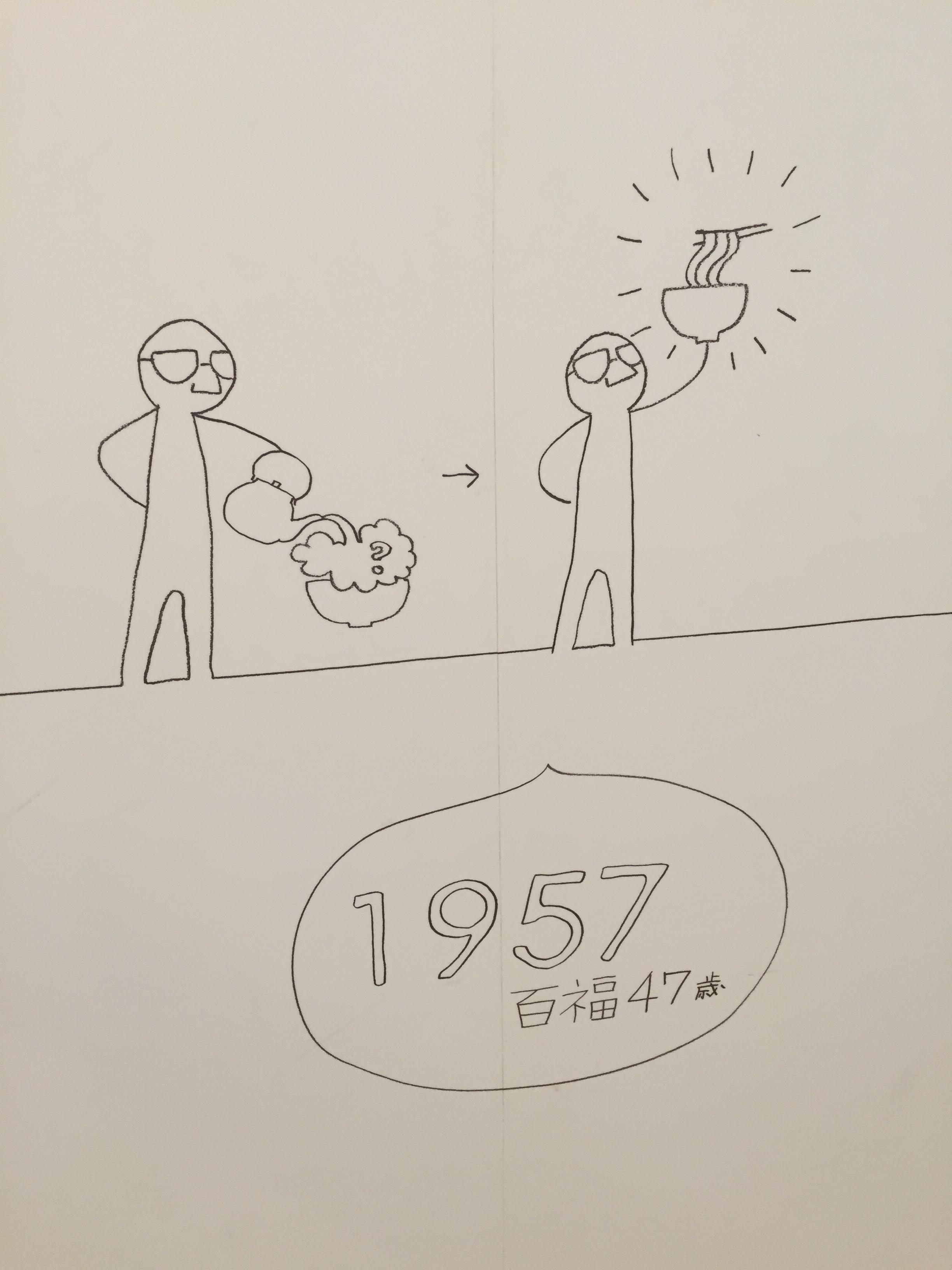
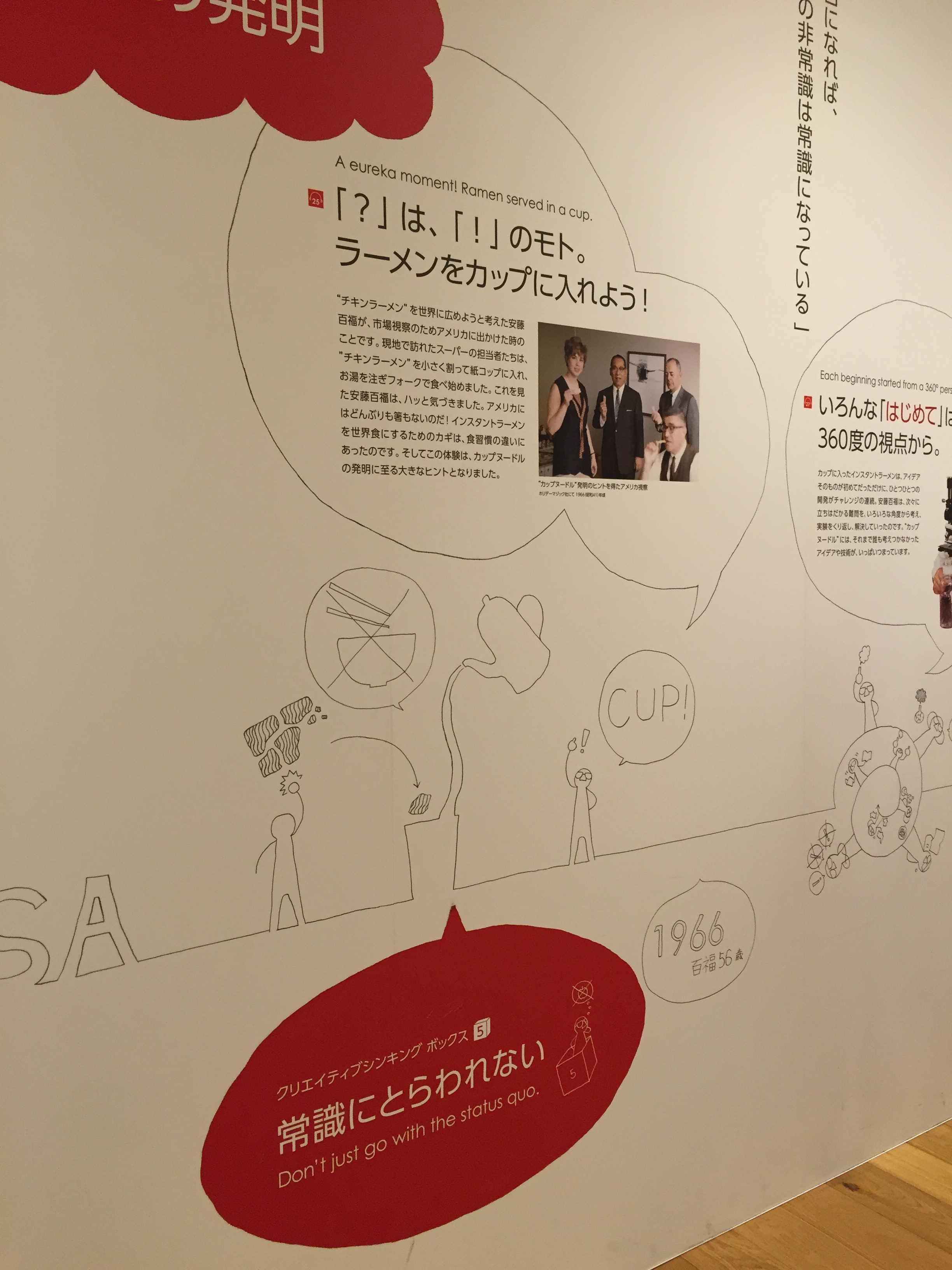
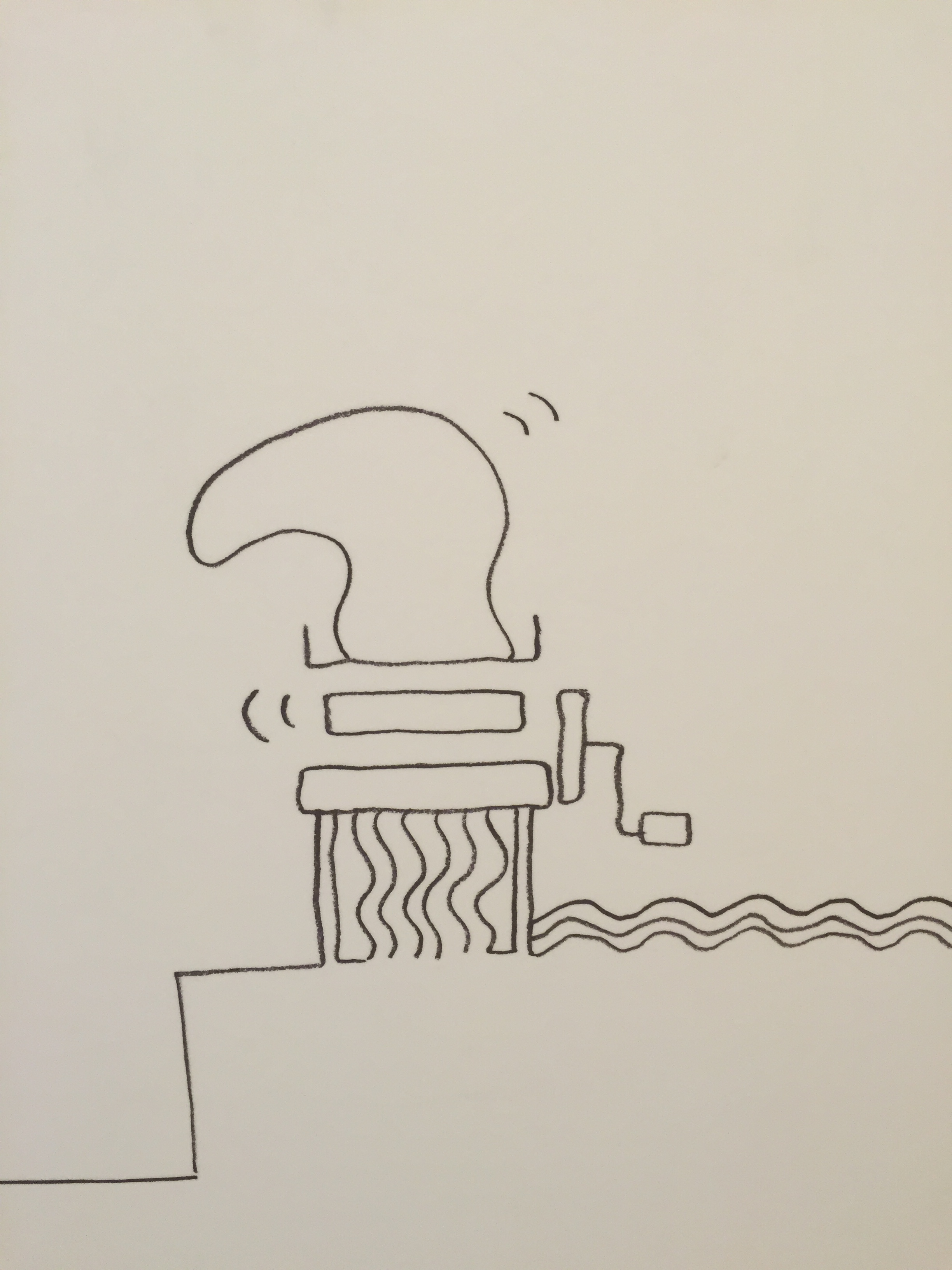
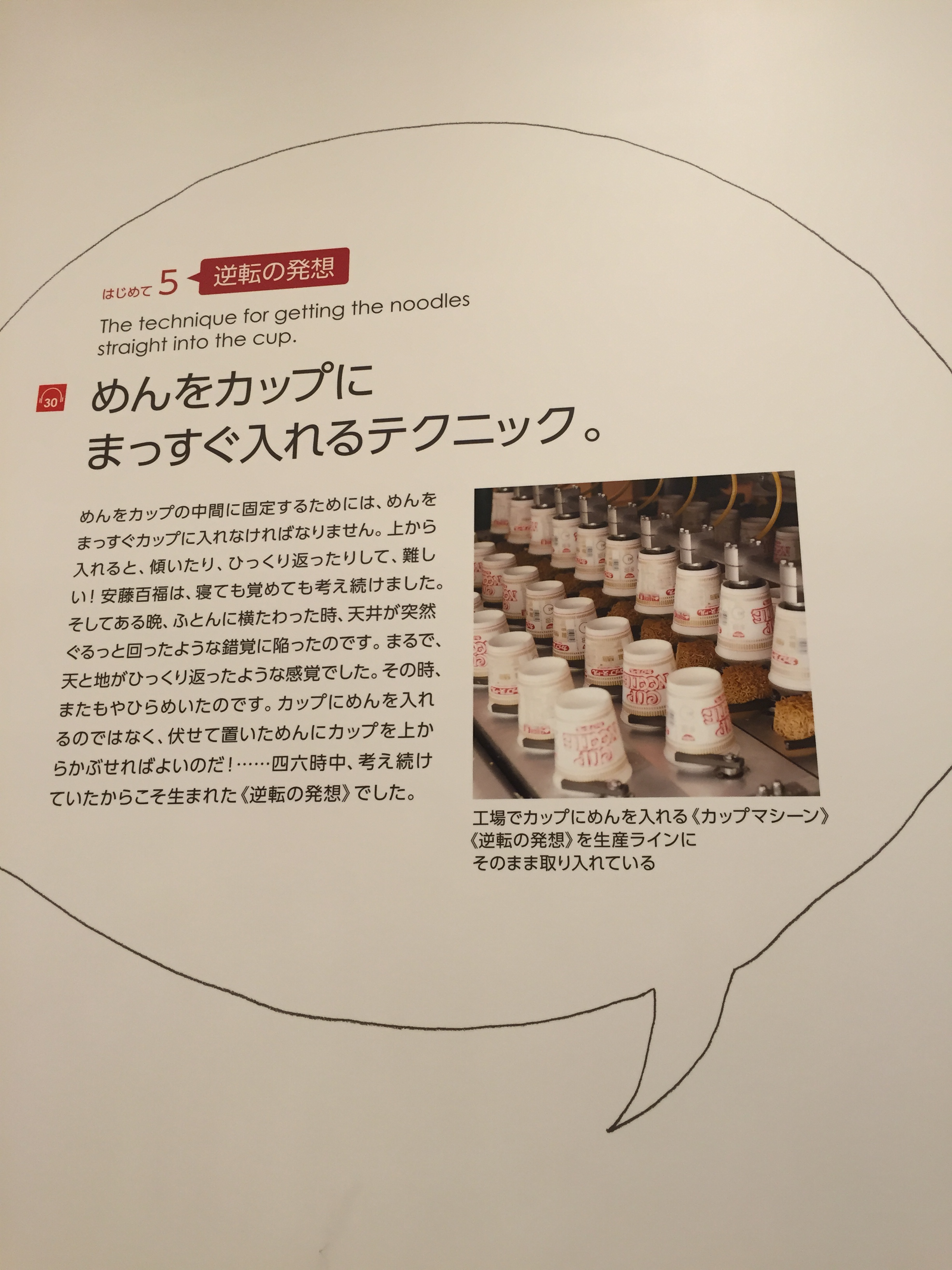
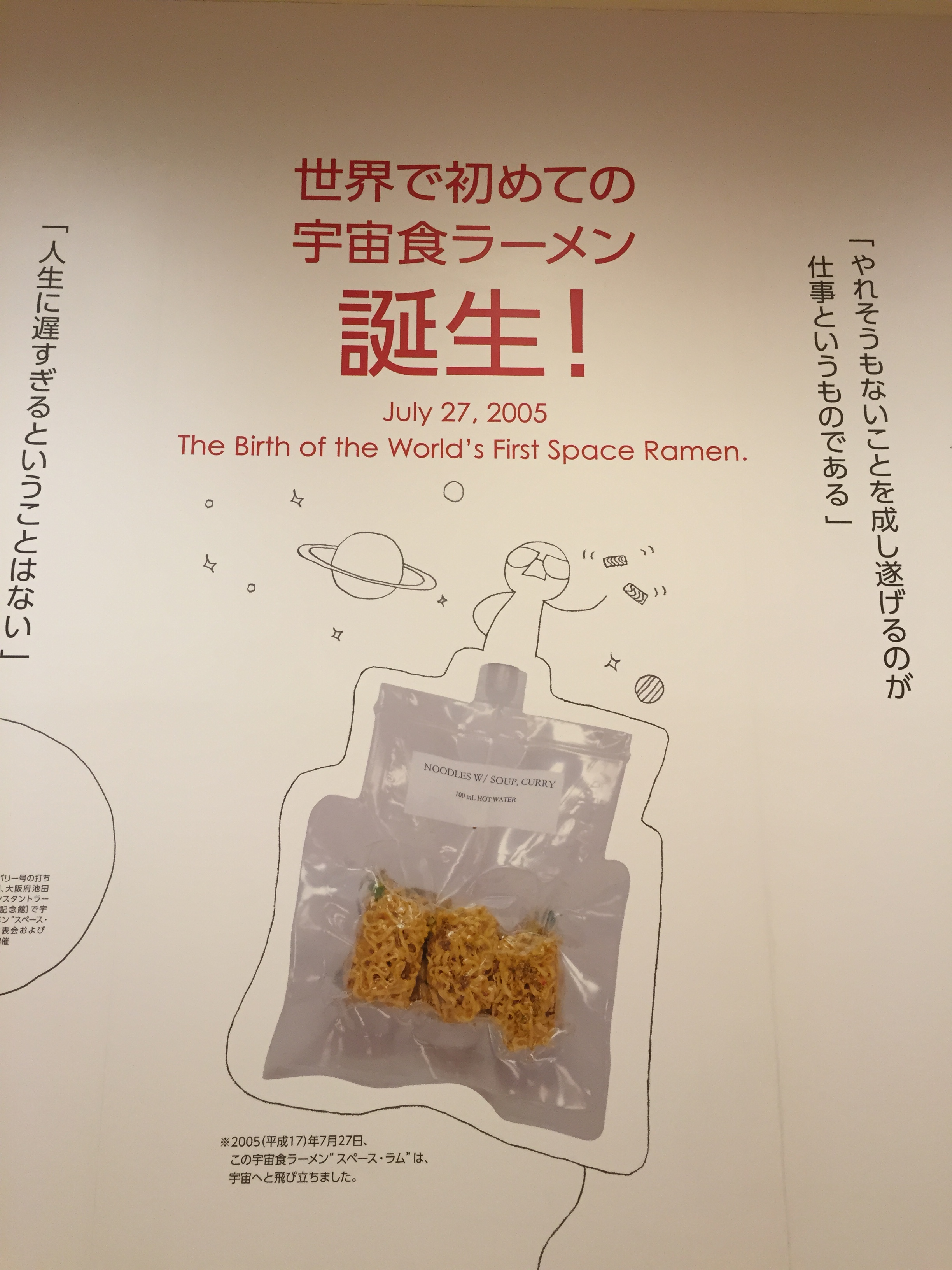
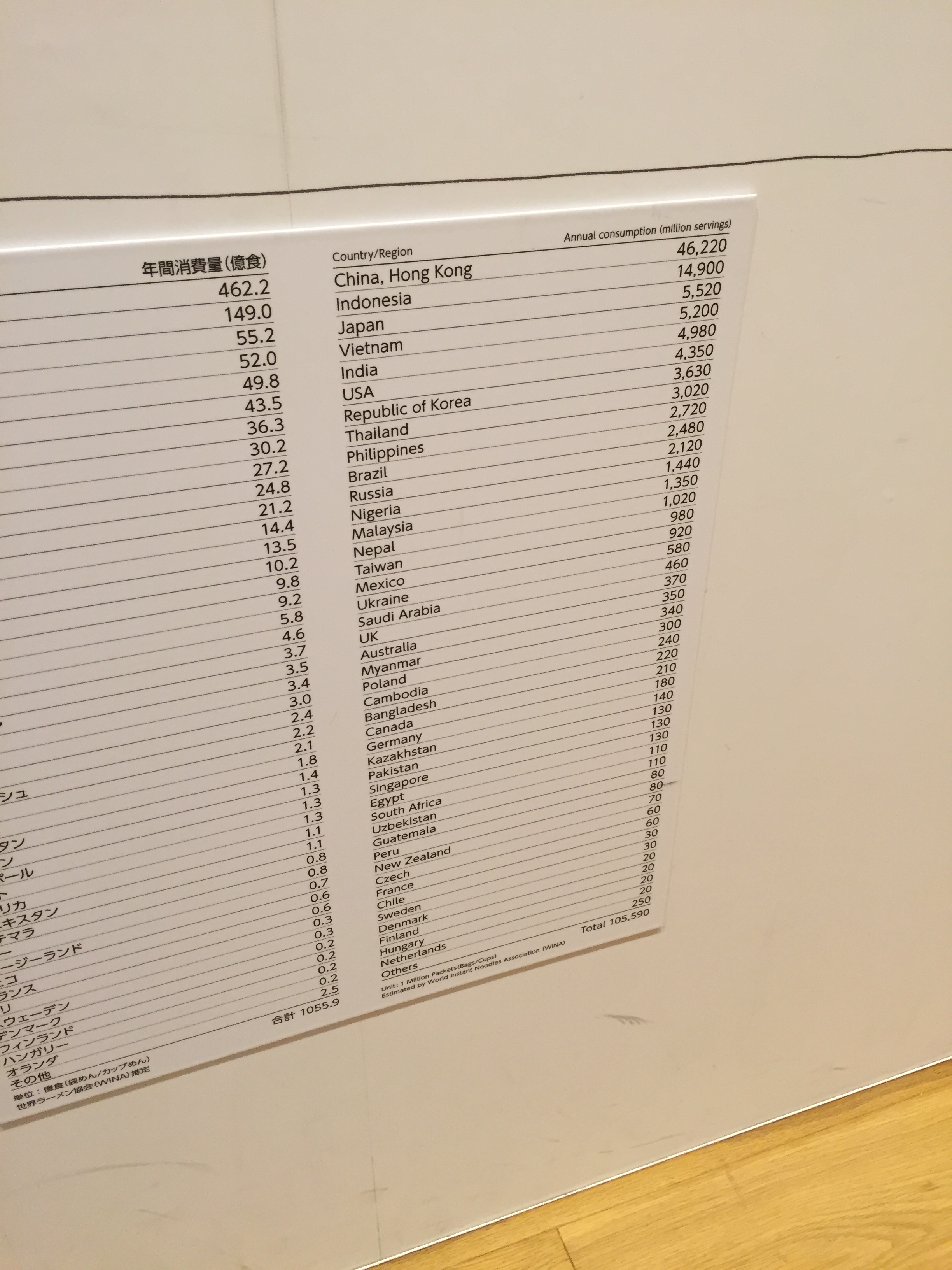
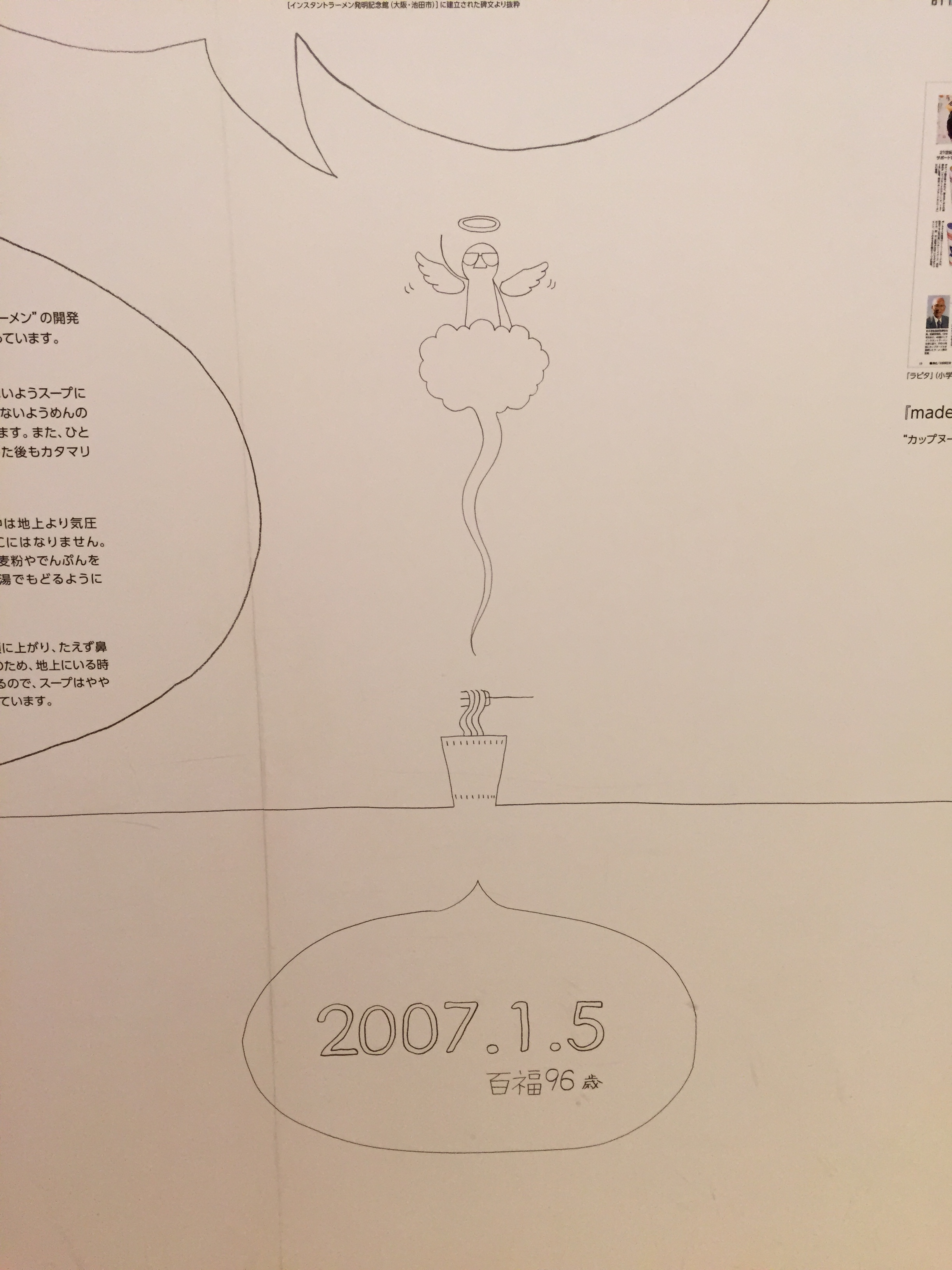
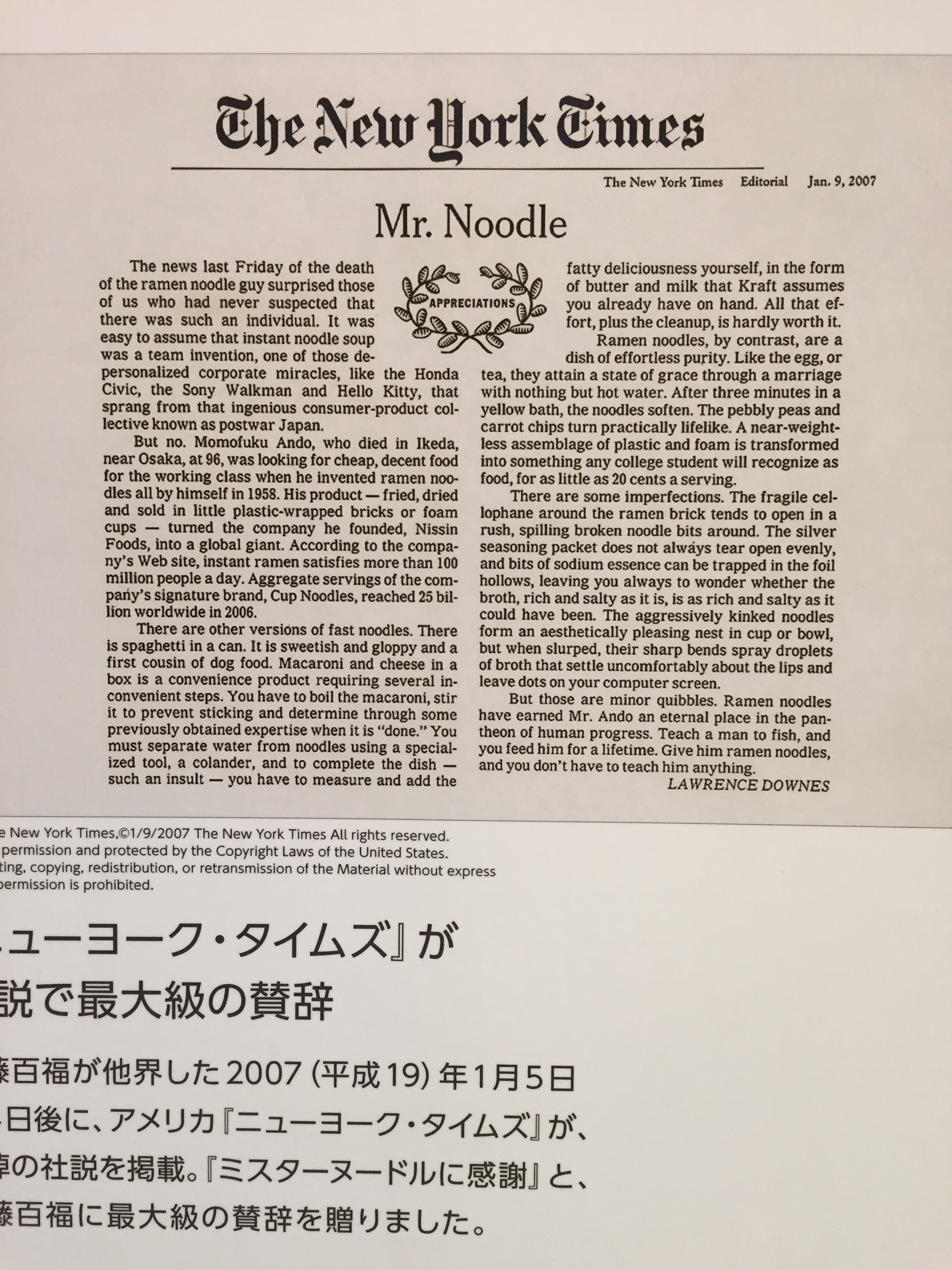
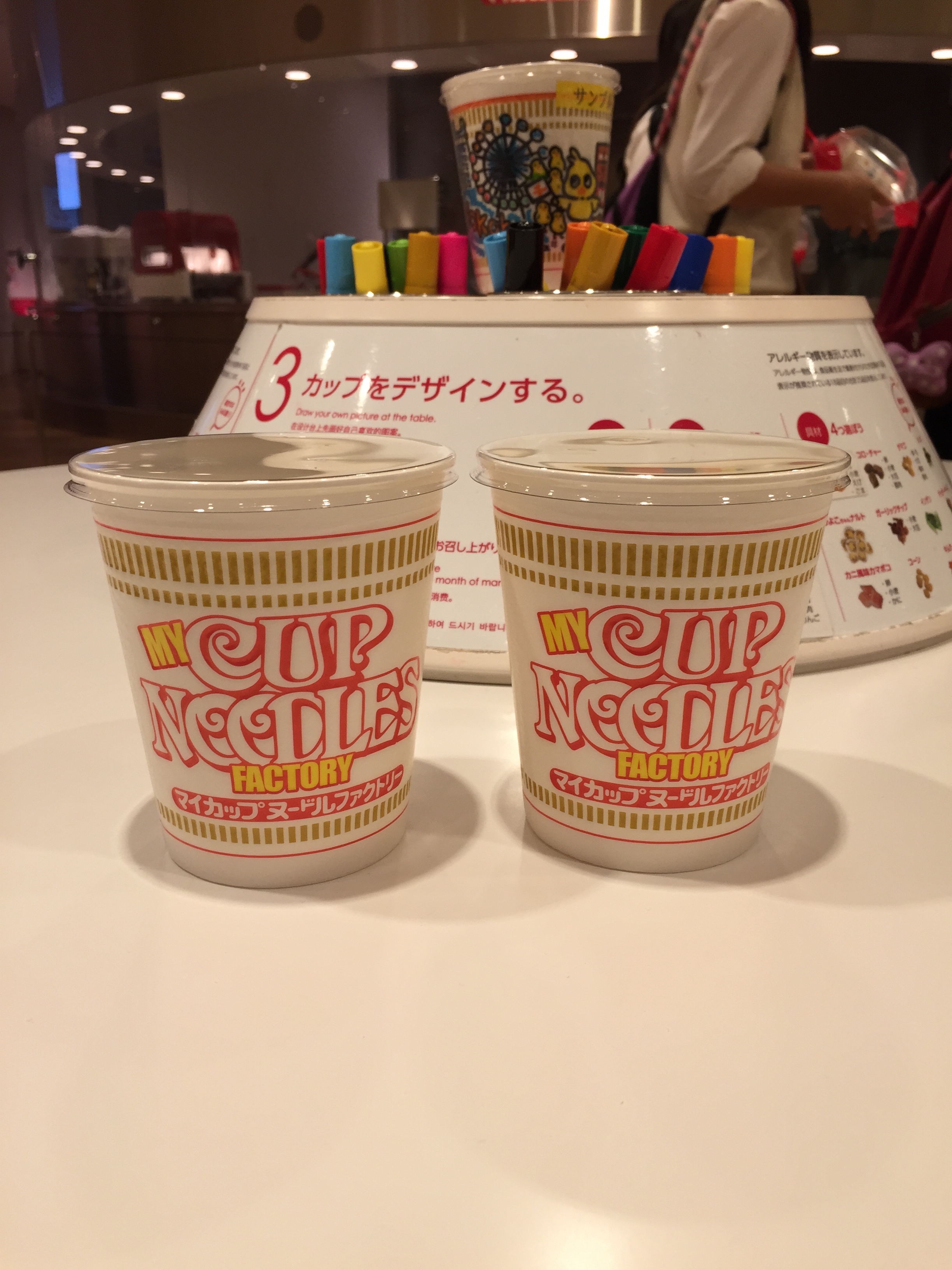
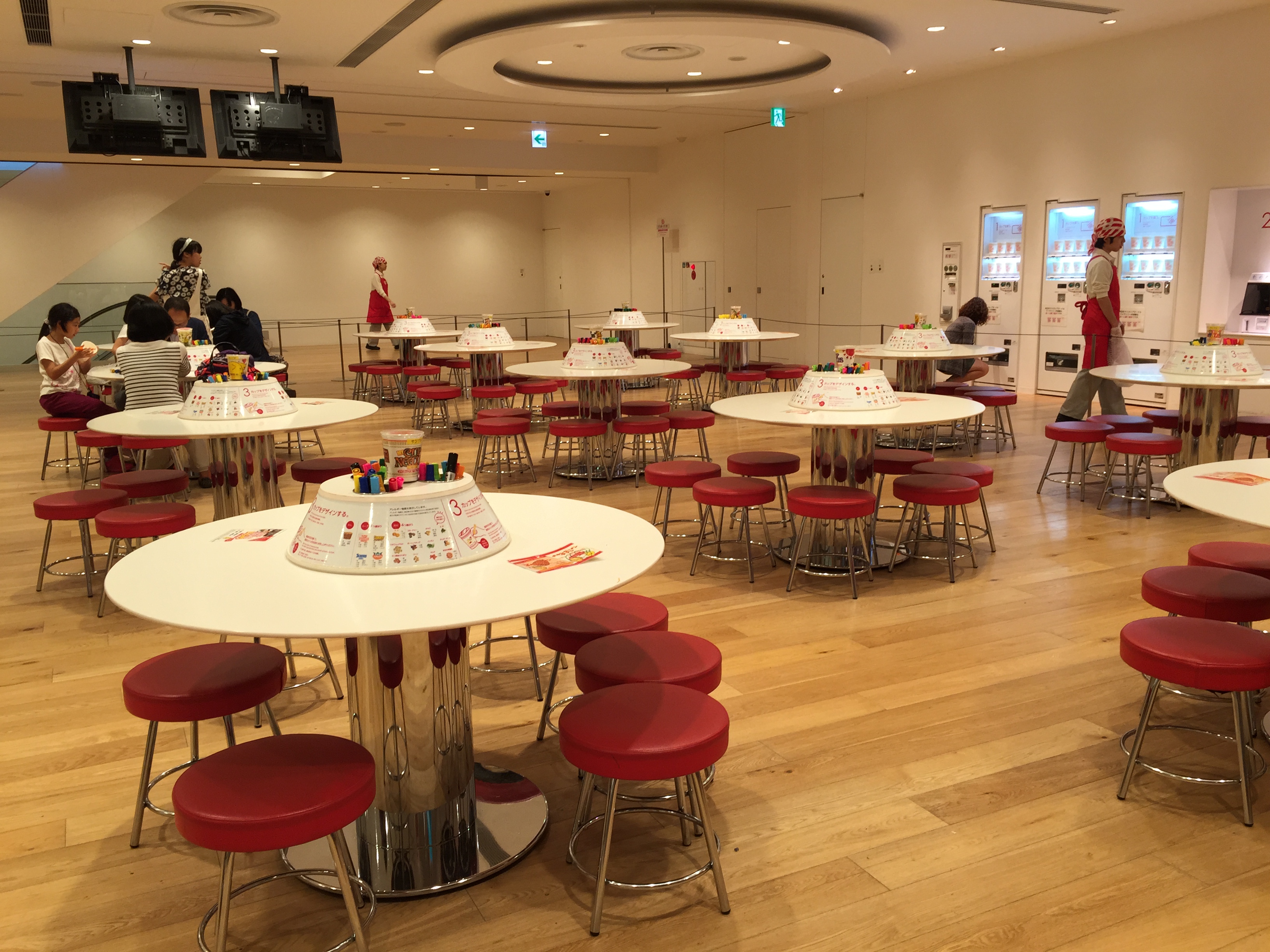
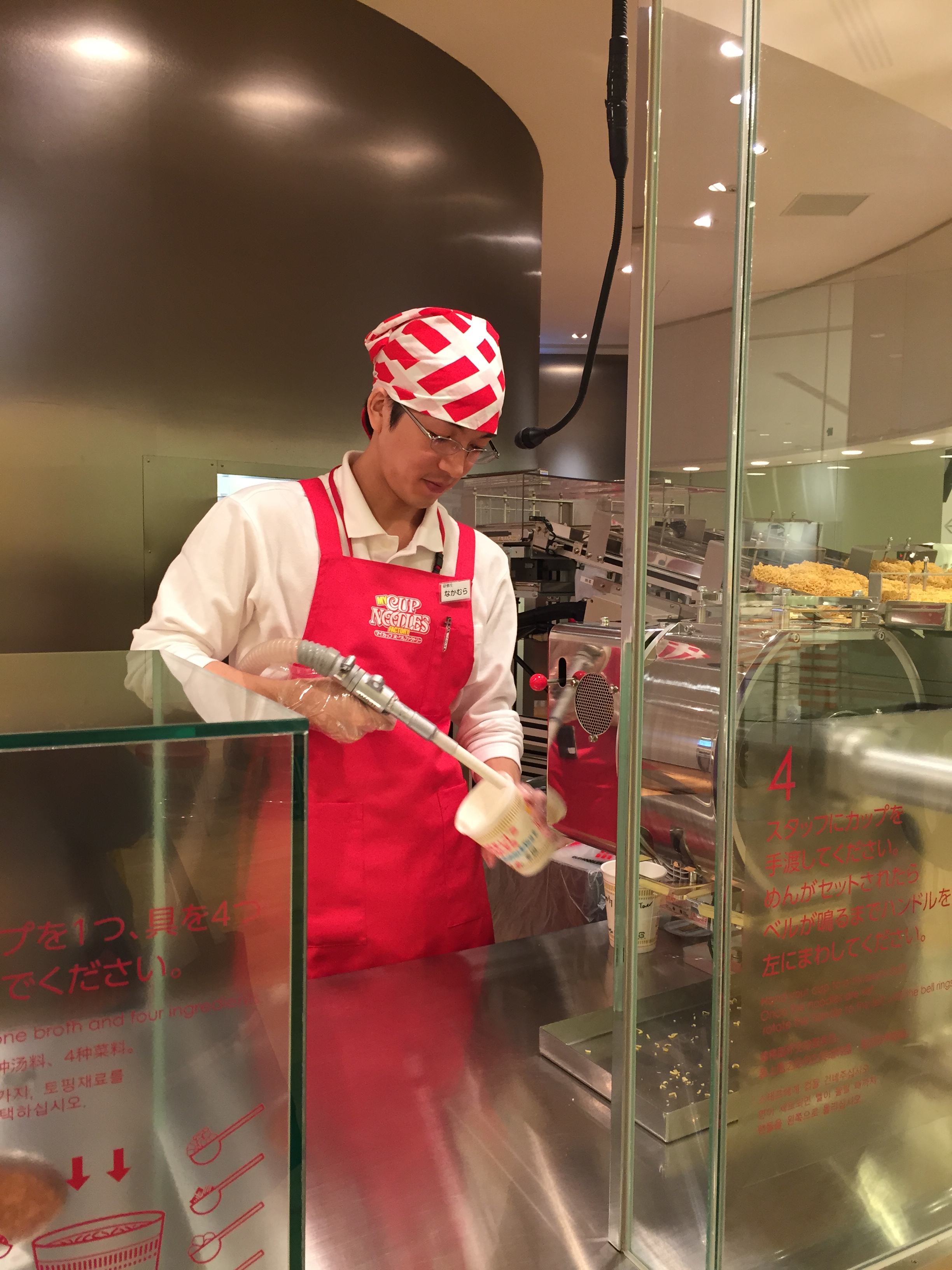
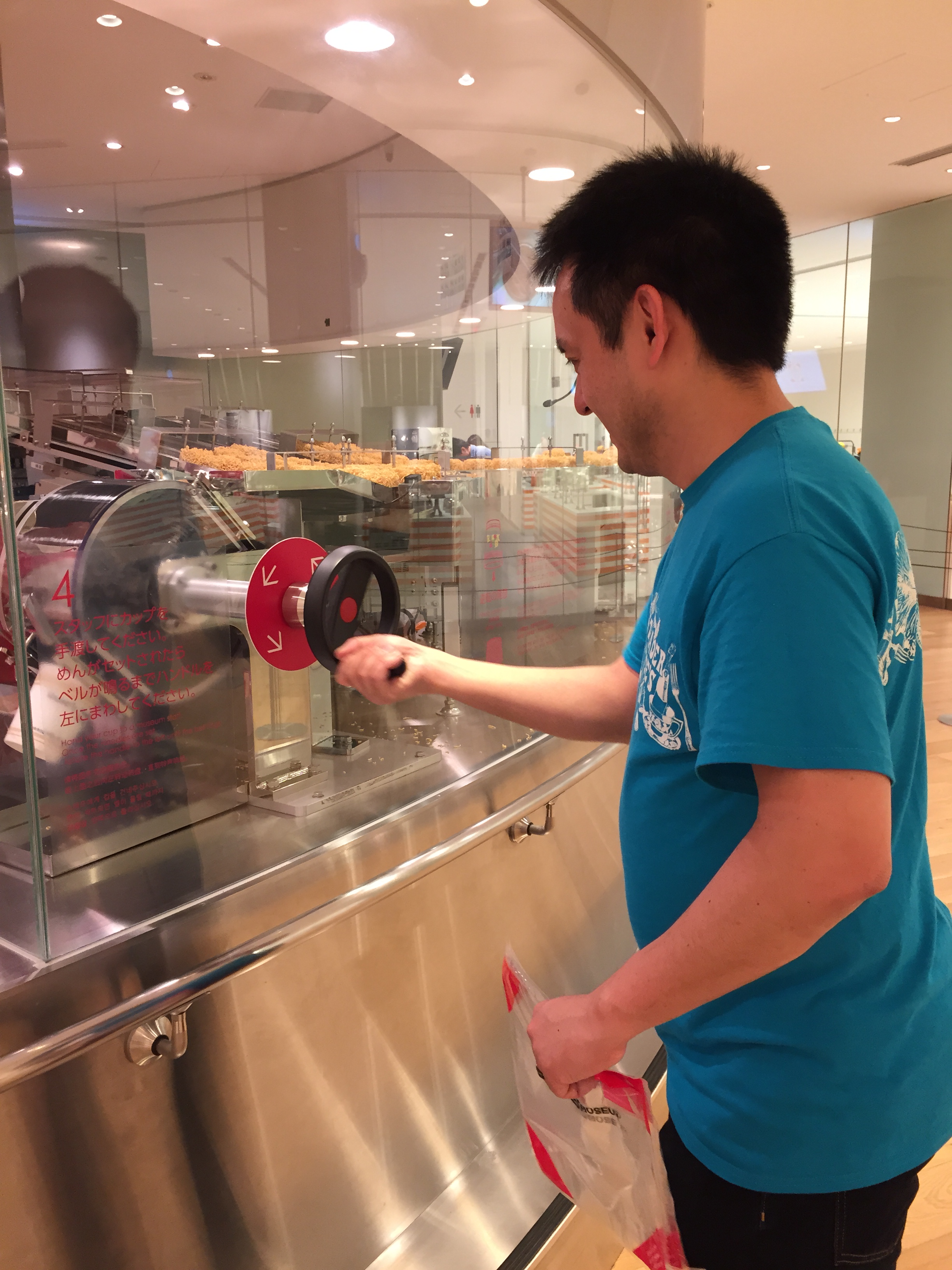
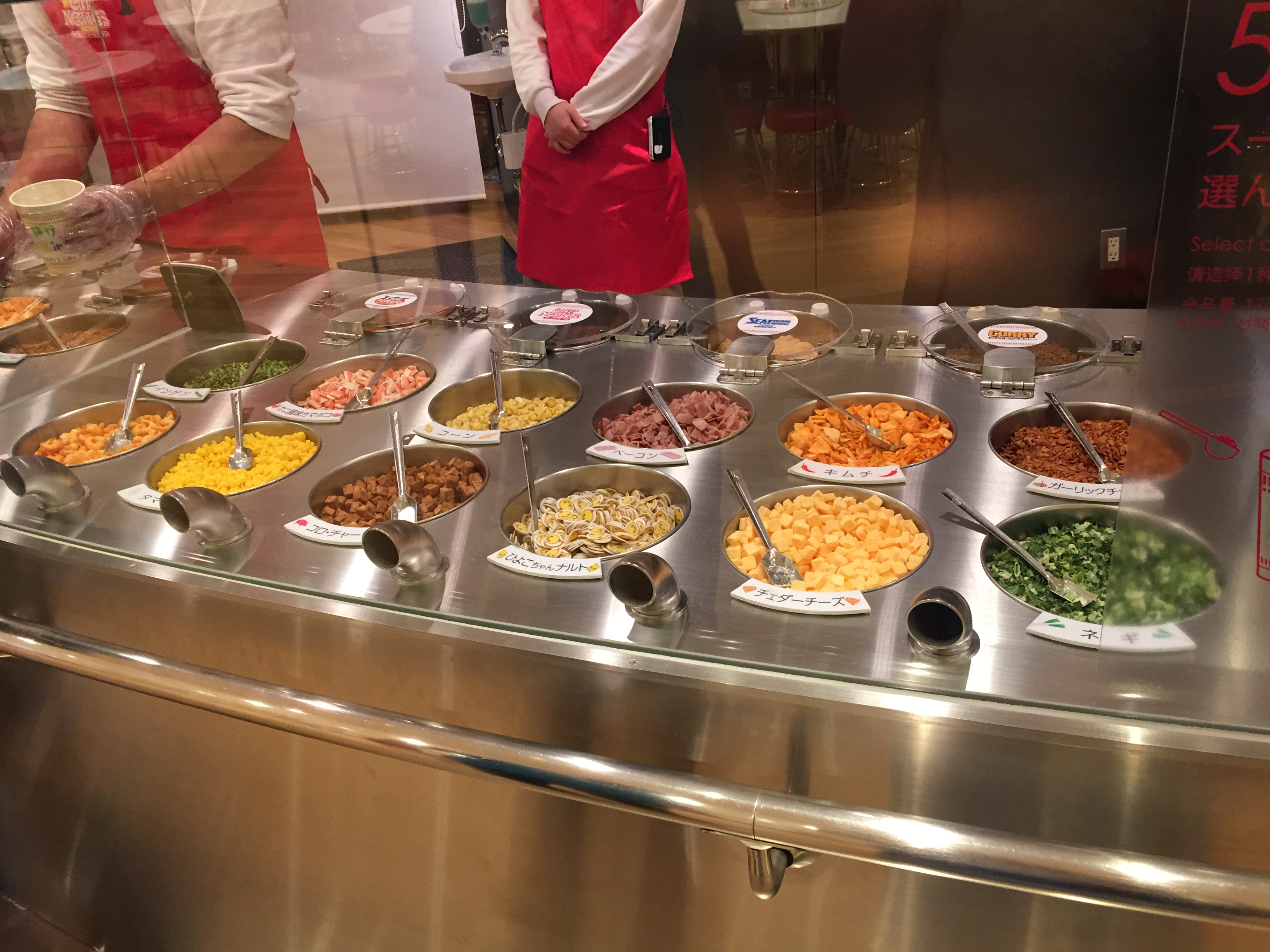
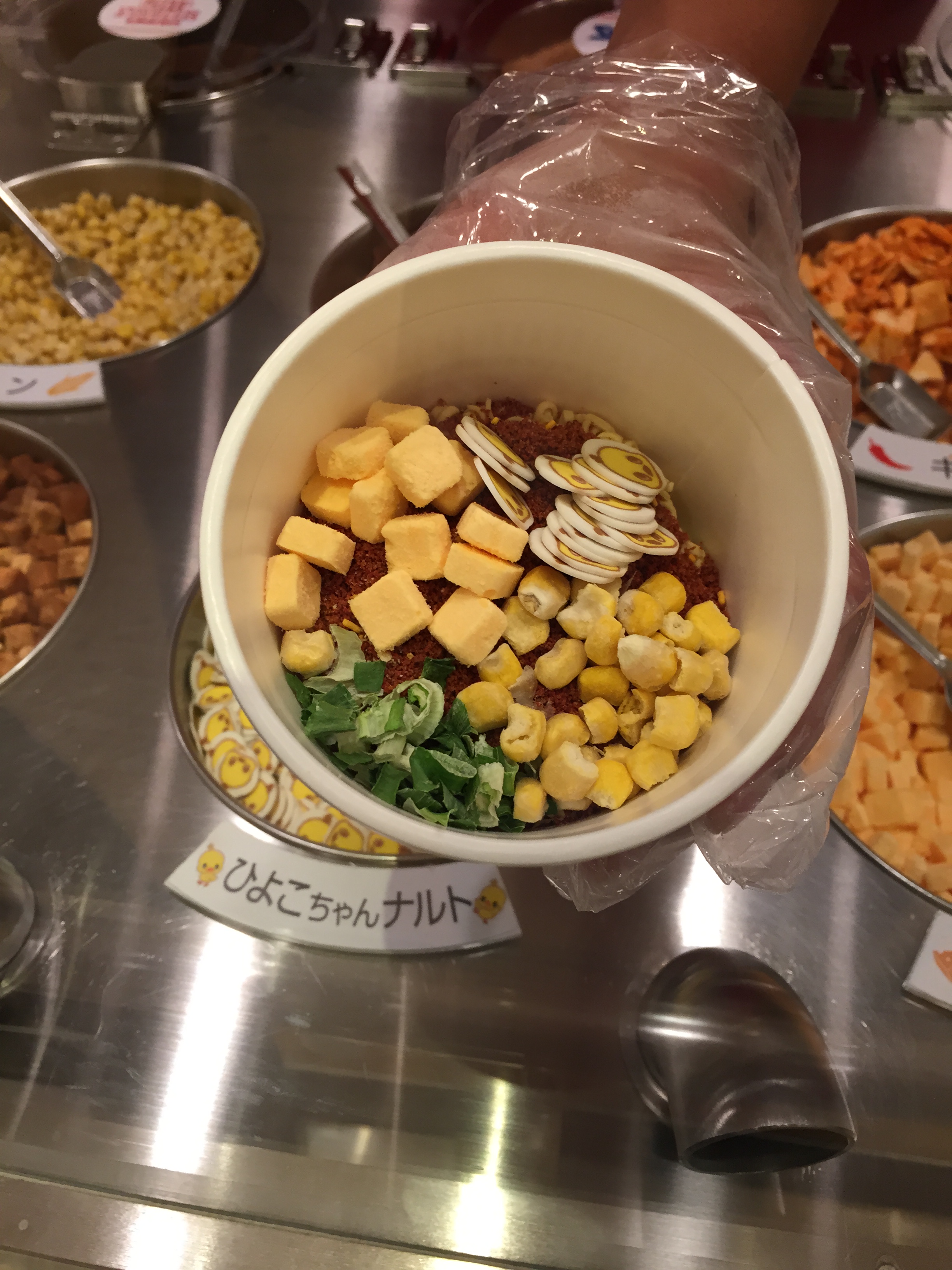
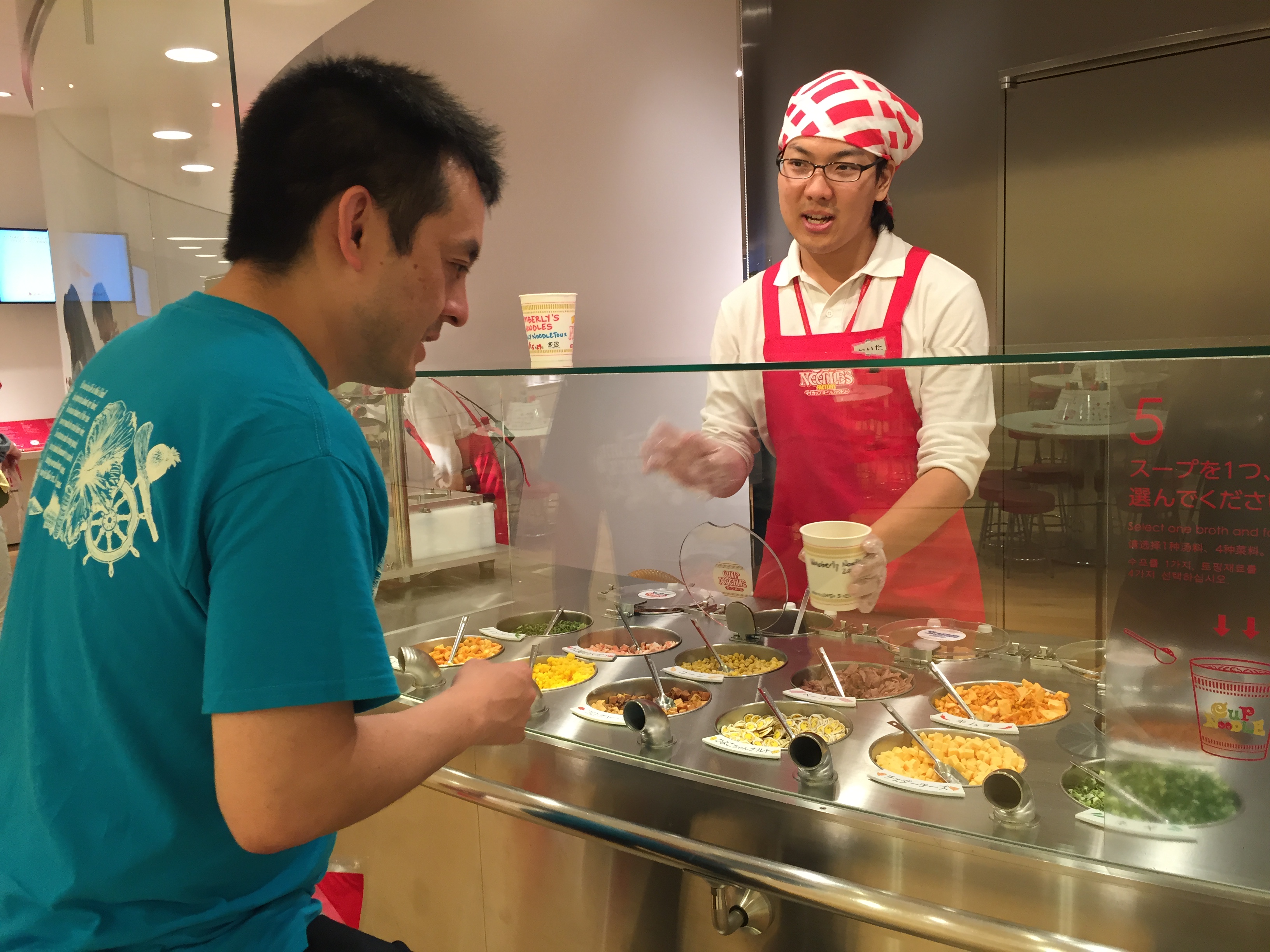
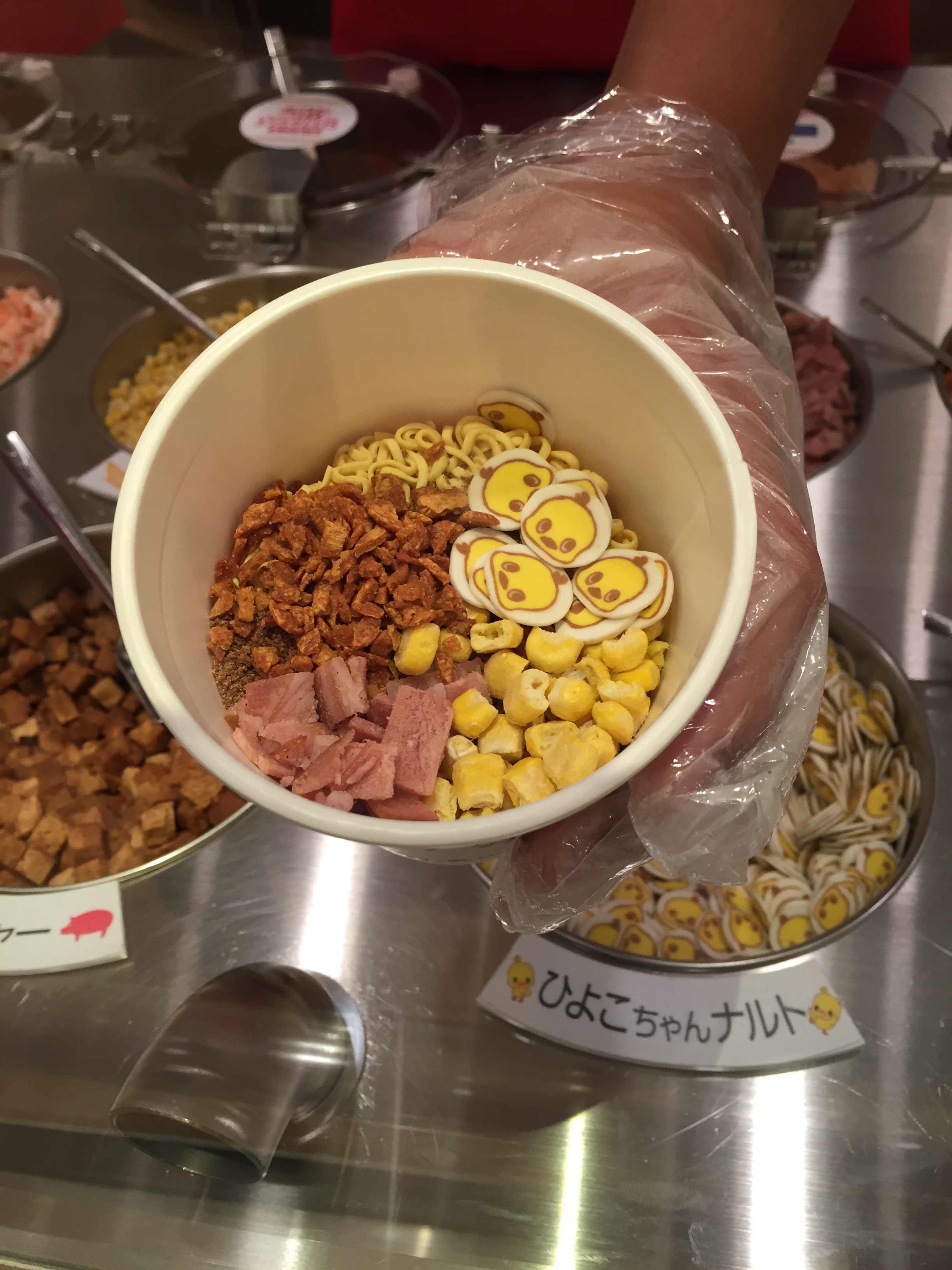
After we stuffed ourselves at the Ramen Museum, we decided to make a noodle day of it and visit the Cup Noodle Museum. We just made it with an hour to spare, so we didn’t have time to read every word in the museum, but we had a good time learning the history of our favorite late-night snack*. The museum is really spare and modern. The lobby is huge, open and only decorated with an illumination of a Cup Noodle. You take a giant staircase upstairs to the museum. The first part is the Instant Noodles History Cube where you can see the history and the packaging of 3000 instant noodle products. It was crazy to see the subtle changes in packaging over time and all of the regional flavors that were introduced as Cup Noodle took over the world. Much of the Museum is devoted to Momofuku Ando, the inventor of the instant noodle. (You may be familiar with Ando because he recently was honored with his own Google Doodle!) Because he invented the instant noodles later in life (he was 48) after two failed careers (he was even jailed for tax evasion!), Ando is the perfect example of how success can come at any age. Charming illustrations take you through the history of instant noodles. It took over a year of trying and failing every single day (and only sleeping four hours a night), but in 1958 Ando invented Chicken Ramen (which is like the packaged block of noodles we have today.) Later, in the 1960s, Ando came to the U.S. and saw people breaking up the blocks of ramen into styrofoam cups and adding hot water and eating them that way. Ando figured, why waste time with a separate bowl when the ramen could come in its own bowl! Cup Noodles were introduced in 1971. Ando’s last invention and lifelong dream invention was Space Ramen–instant noodles that could be eaten in space. (They are thinner so they cook quickly and have a thicker broth that won’t float around as easily.) It was fun to see the annual consumption of Cup Noodle around the world. Ando passed away in 2007. (Isn’t the drawing sweet?) I loved reading the New York Times obituary. In the next part of the museum, we got to make our own Cup Noodles. (It was an extra ¥300, so less than $3US.) There were stations set up in another huge room where you could decorate your cups. (I’ll share ours tomorrow, but we didn’t go too crazy with the decorating!) Next, the Cup Noodle guy sanitized our cups and we each turned a crank that and added a block of noodles to our cups. Then we got to choose from four different soup flavors and twelve different toppings to personalize our cups of ramen.The guy seemed excited about my choices, but now I’m not so sure: spicy tomato soup flavor, scallions, corn, cheese, and little bird wafers (I can’t remember what they are). Naoto played it safe: chicken soup flavor, ham, bacon, corn, and little bird wafers.
Then our cup noodles went through a machine that sealed the tops on and shrink wrapped the cup. (Please enjoy my mediocre video.)
“Noodle Day” was definitely one of my favorites on our trip. I really left the Cup Noodle Museum feeling thoughtful about failure and age and invention. Ando’s determination to turn his life around and his success at midlife was really inspiring. Momofuku Ando said, “It is never too late to do anything in life.” and I couldn’t agree more.
Do you eat Cup Noodle? Have you ever tried the spicy tomato flavor?
*We’ve slowed down our instant noodle eating because it’s not the healthiest diet (though Ando supposedly ate it every day for his whole life and he lived to be 96), but we still enjoy a cup now and again.
P.S. This bit about the Cup Noodle Mascot shoveling snow made me smile.
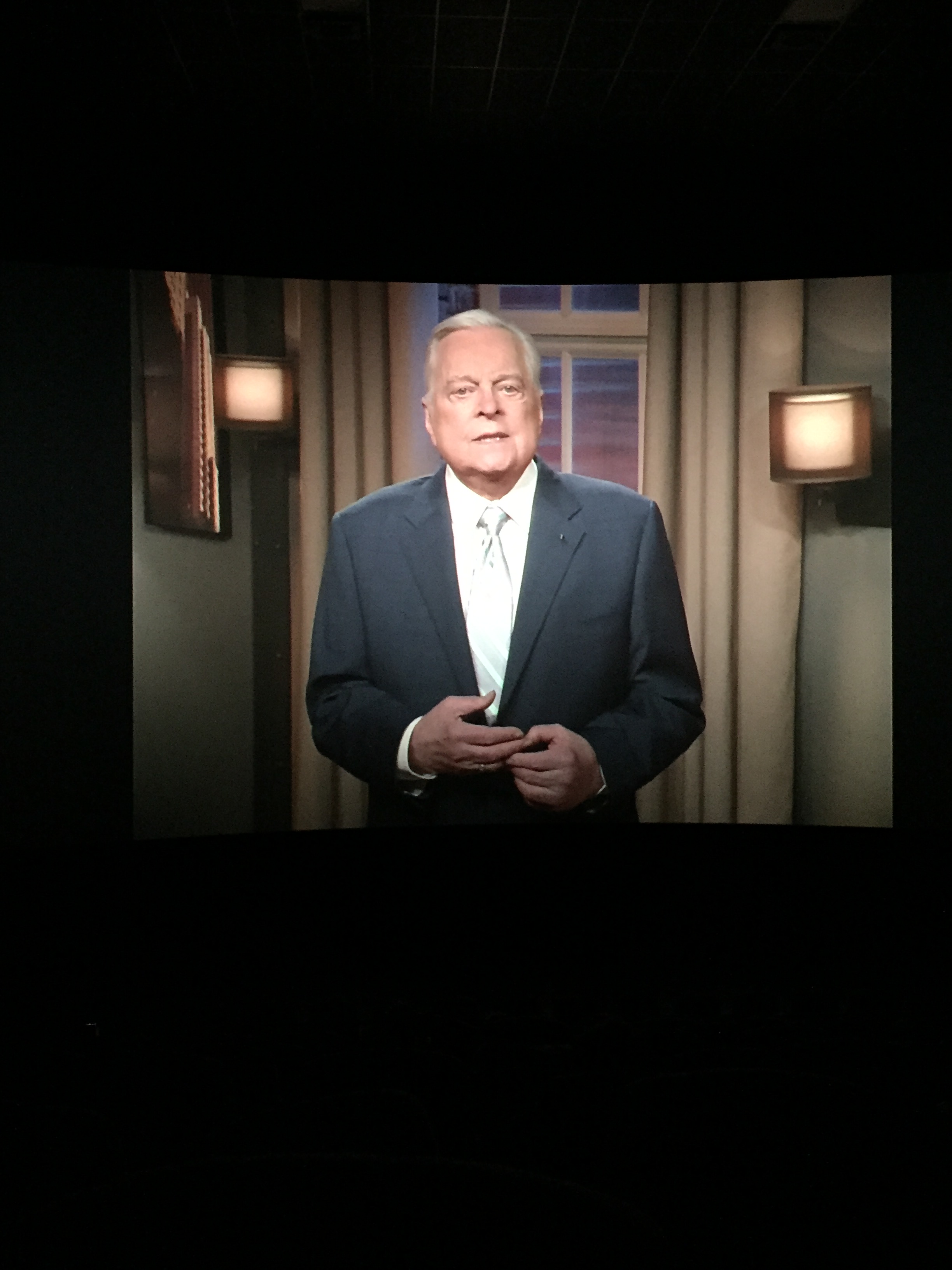
On Monday night, Peggy and I went to see a special screening of Double Indemnity at the movie theater. The film was shown as a part of the Big Screen Classic Events with Turner Classic Movies (TCM) and Fathom Entertainment. They are showing classic movies in select theaters around the country with introductions from TCM’s Robert Osborne (or Ben Mankiewicz.) Before the movie, Robert Osborne shared some history of the movie. Fred MacMurray was very reluctant to do Double Indemnity because he was afraid of ruining his squeaky clean image by playing a murderer. In the end, MacMurray thought it was one of his best roles. And Osborne discussed how the Hays Production Code dictated changes to the script. Has anyone read the book? I just ordered it from the library because I’m curious about the original ending of the book. (No spoilers, please!)
I’d seen parts of Double Indemnity before, but it was such a treat to see it on a huge screen where I could appreciate the darkness and the light in the movie, the facial expressions, and the score. Someone on Twitter* mentioned that he noticed the silences during the movie better. I thought that was a great observation.
Sadly, there were only five other people in the theater with us at Melrose Park, so I hope they continue offering the rest of the series. Next up is a Grease sing-along**, but I am so excited for Psycho in September! (Full line-up is here. I’m sad I missed JAWS last month.)
Have you gone to one of these? Have you seen anything else good in the theater lately?
*If you like to watch TCM, the #TCMParty is a fun hashtag to follow if you want to have a Twitter chat during a movie.
**I hate Grease!
Double Indemnity image from here. (The article about women in Film Noir is excellent reading!) Photo of Robert Osborne is mine from the theater.
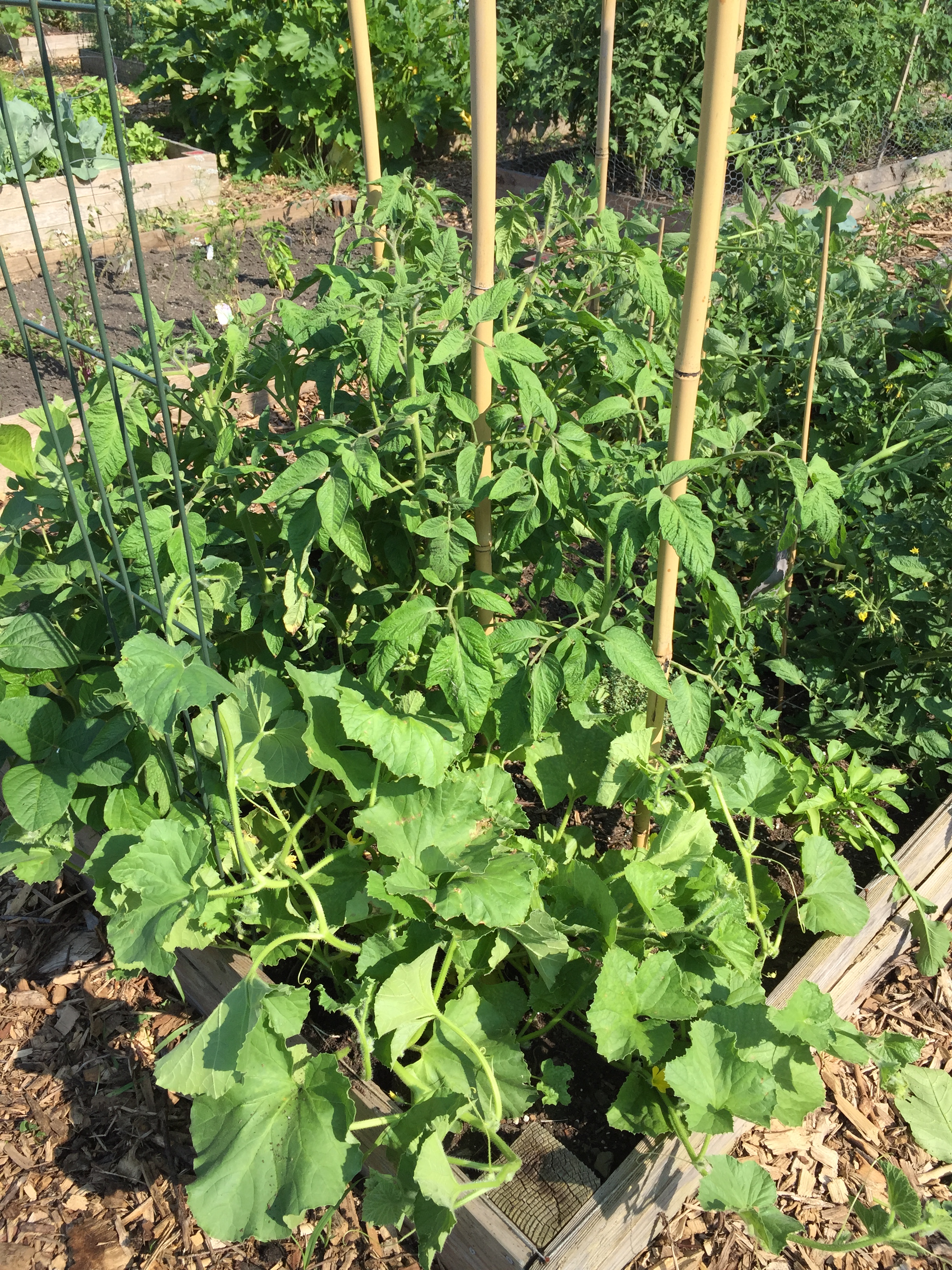
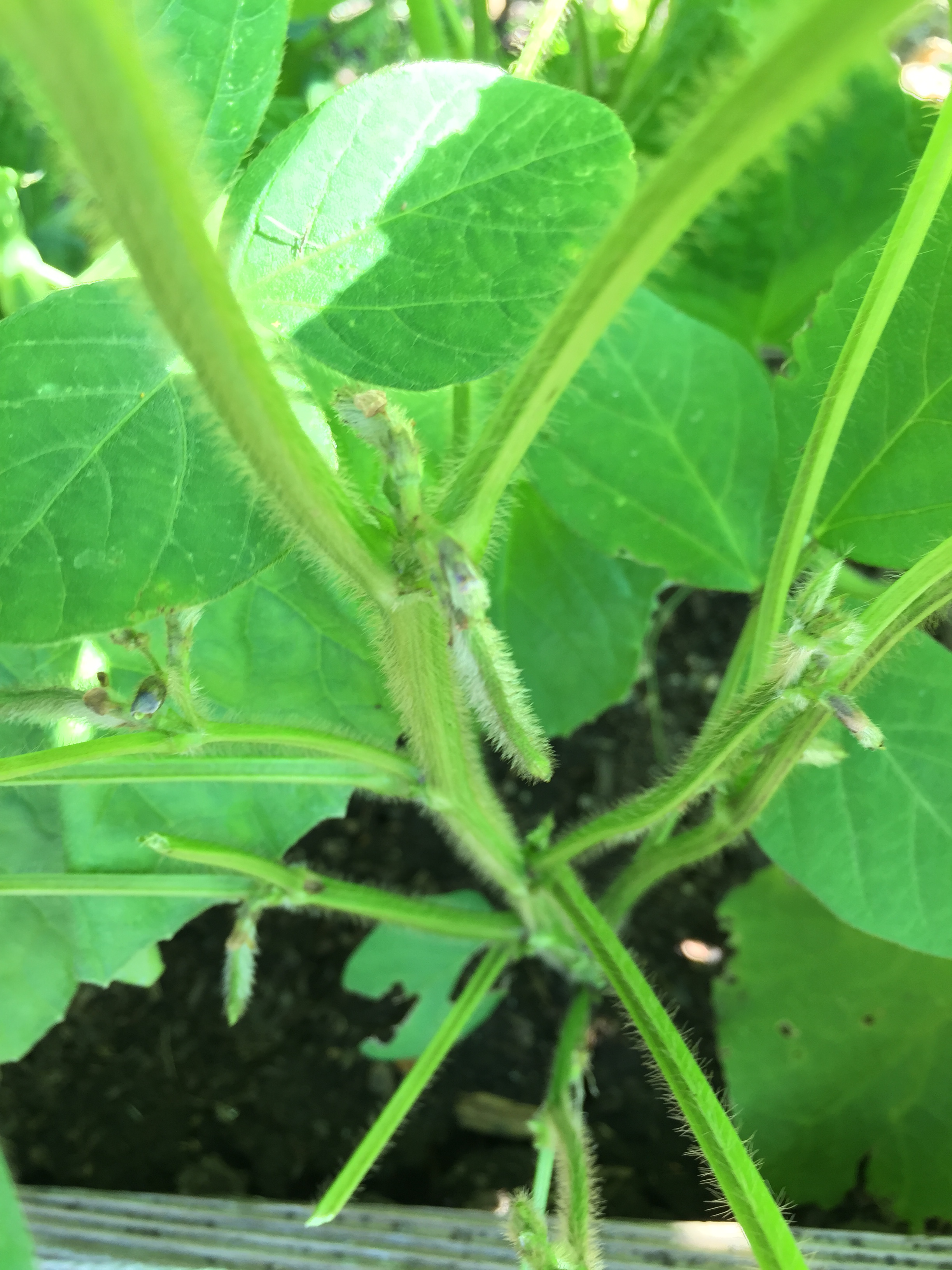
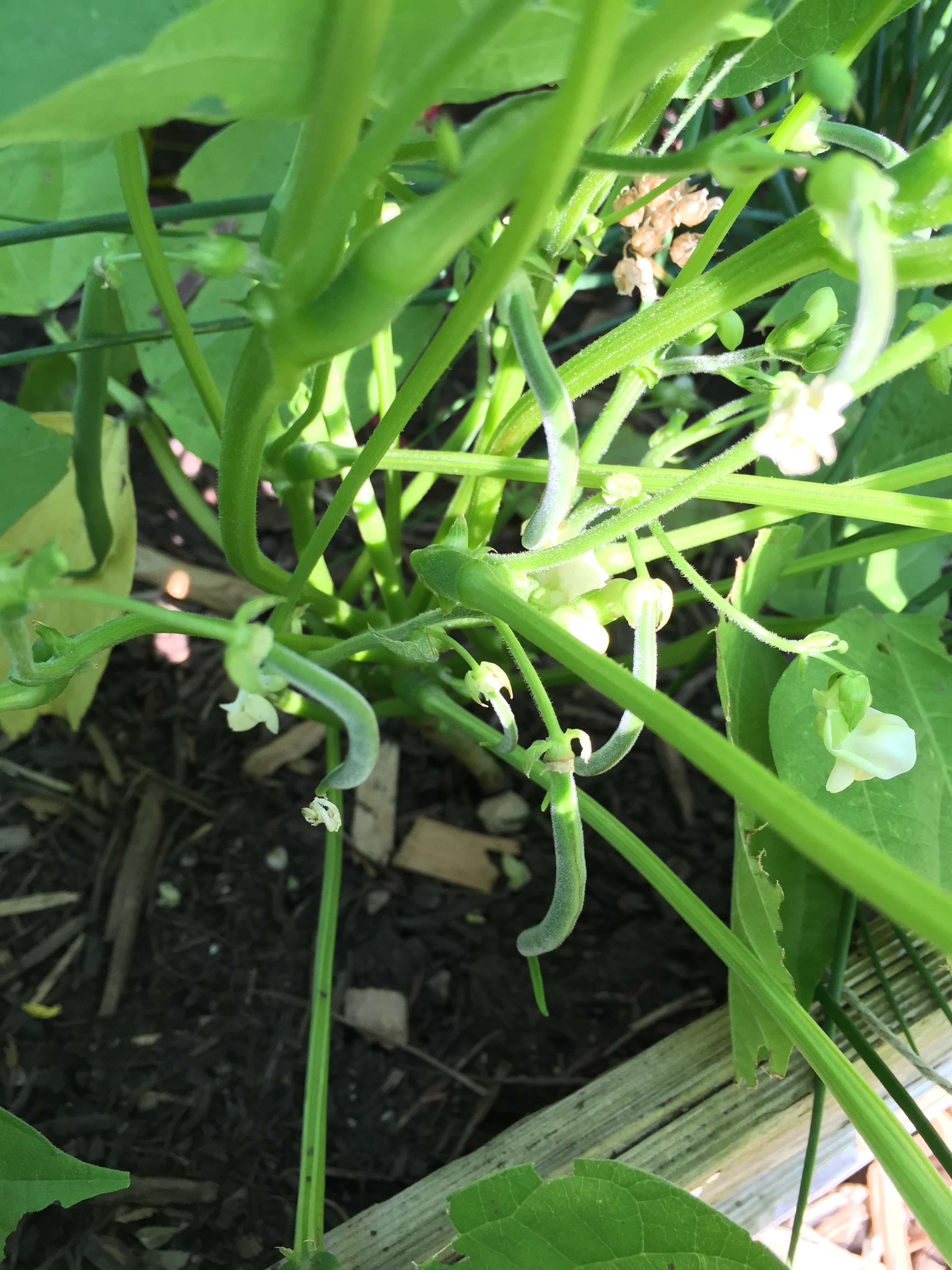
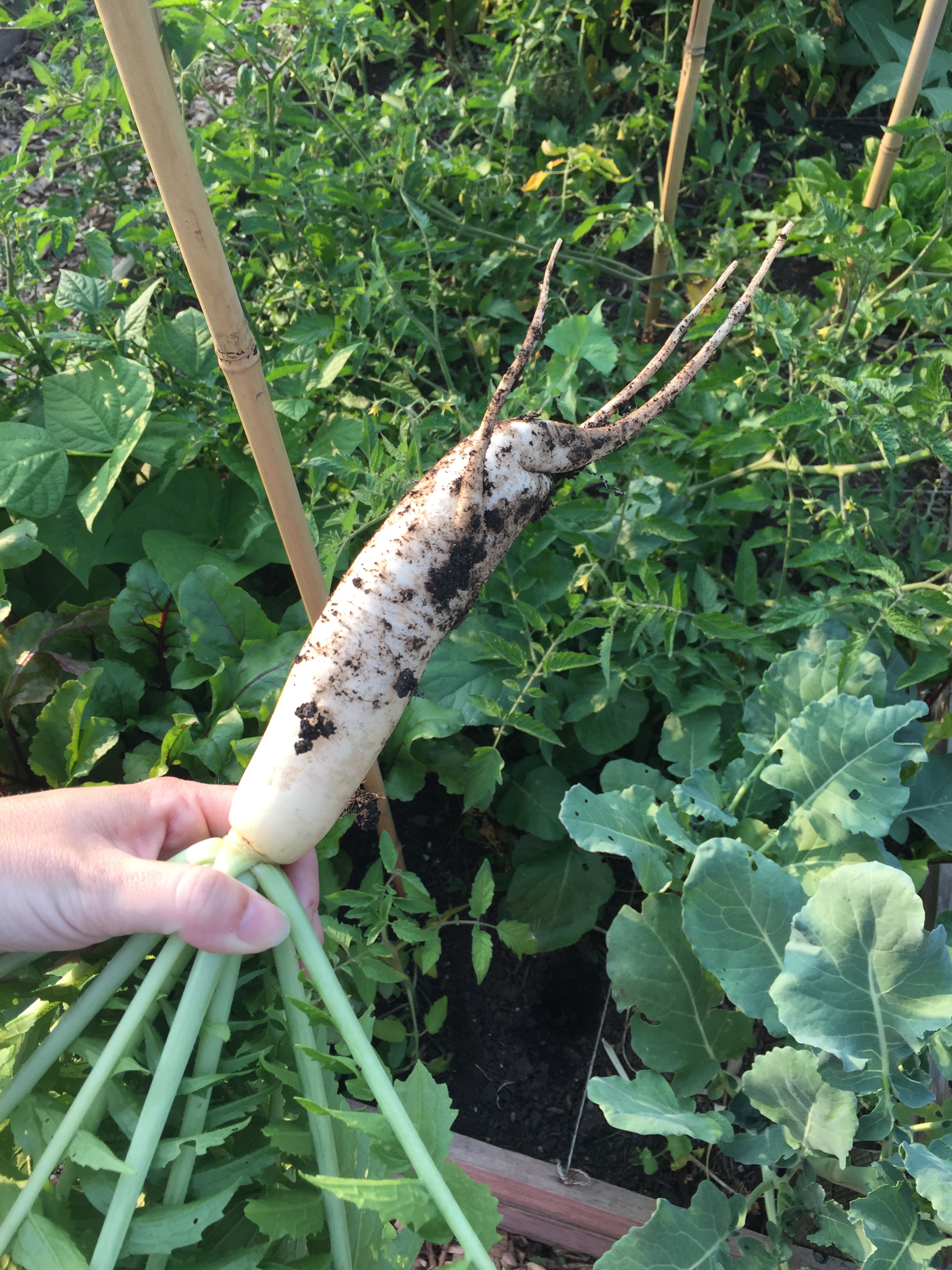
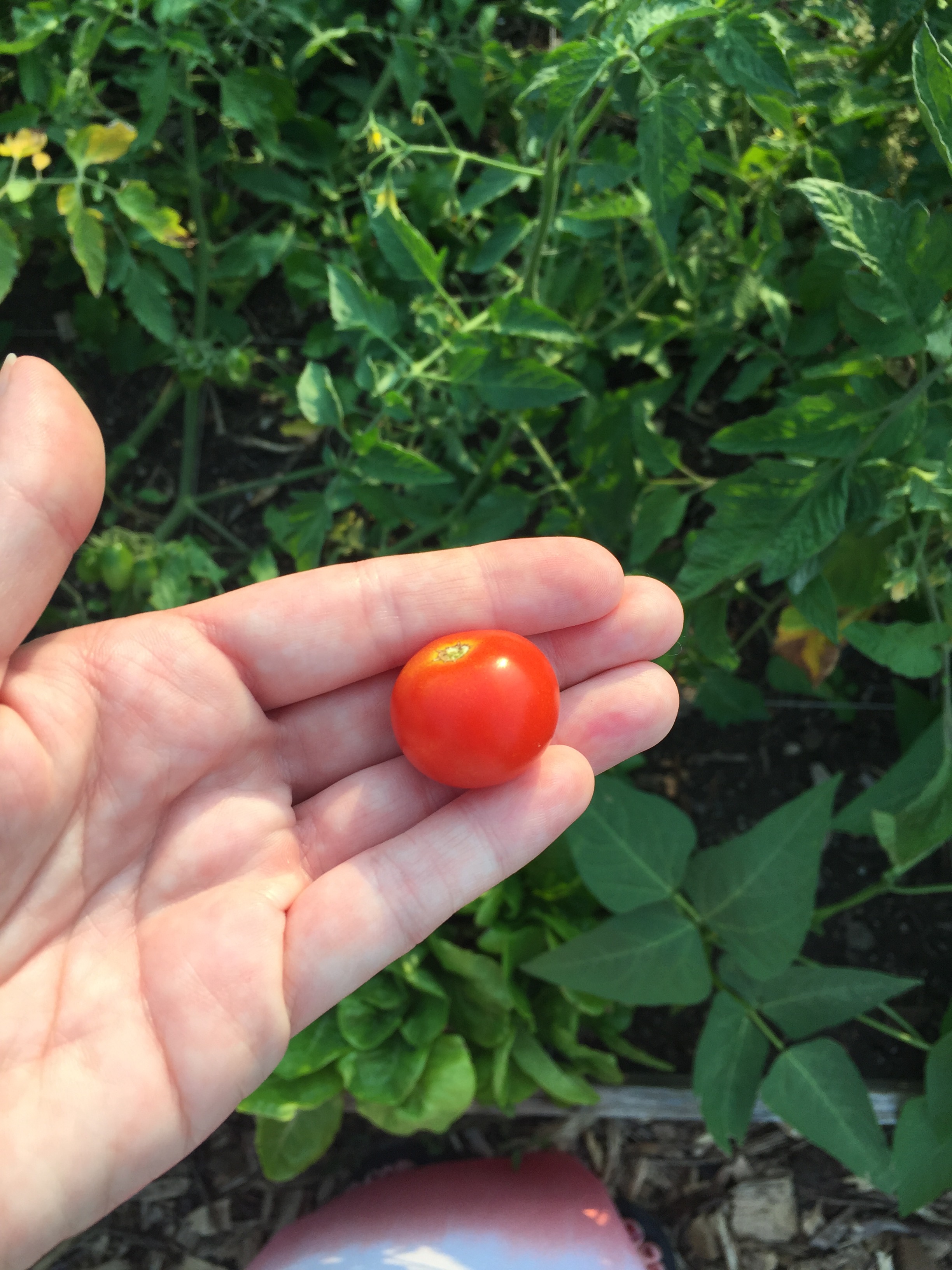
I failed again this year to make my garden neat and tidy. It’s a jungle again. I feel like the tomatoes are more disorderly than ever and the cucumbers…well, let’s just say not thinning them out early on has created a tangle of rebellious vines that will not take the hint to stay in the plot. But, growing in the jungle are teeny, tiny edamame……and the beginnings of a strong crop of green beans. The daikon are almost done, but I pulled this huge guy last week and Naoto enjoyed it on Sunday night. And I picked our first red tomato! It was a Sweet 100 and I shared it with Naoto. It was so sweet and juicy! I hope there are hundreds more in our future!
So far, we’ve harvested almost 15 ounces in radishes, peas, tomatoes, and lettuces. It’s just the beginning!
I hope to have some balcony* garden pictures next week. Some of my vining plants are finally starting to bloom and I think it’s my best summer out there yet!
How is your garden growing?
*I’ve begun calling the balcony the lanai as a nod to the Golden Girls.
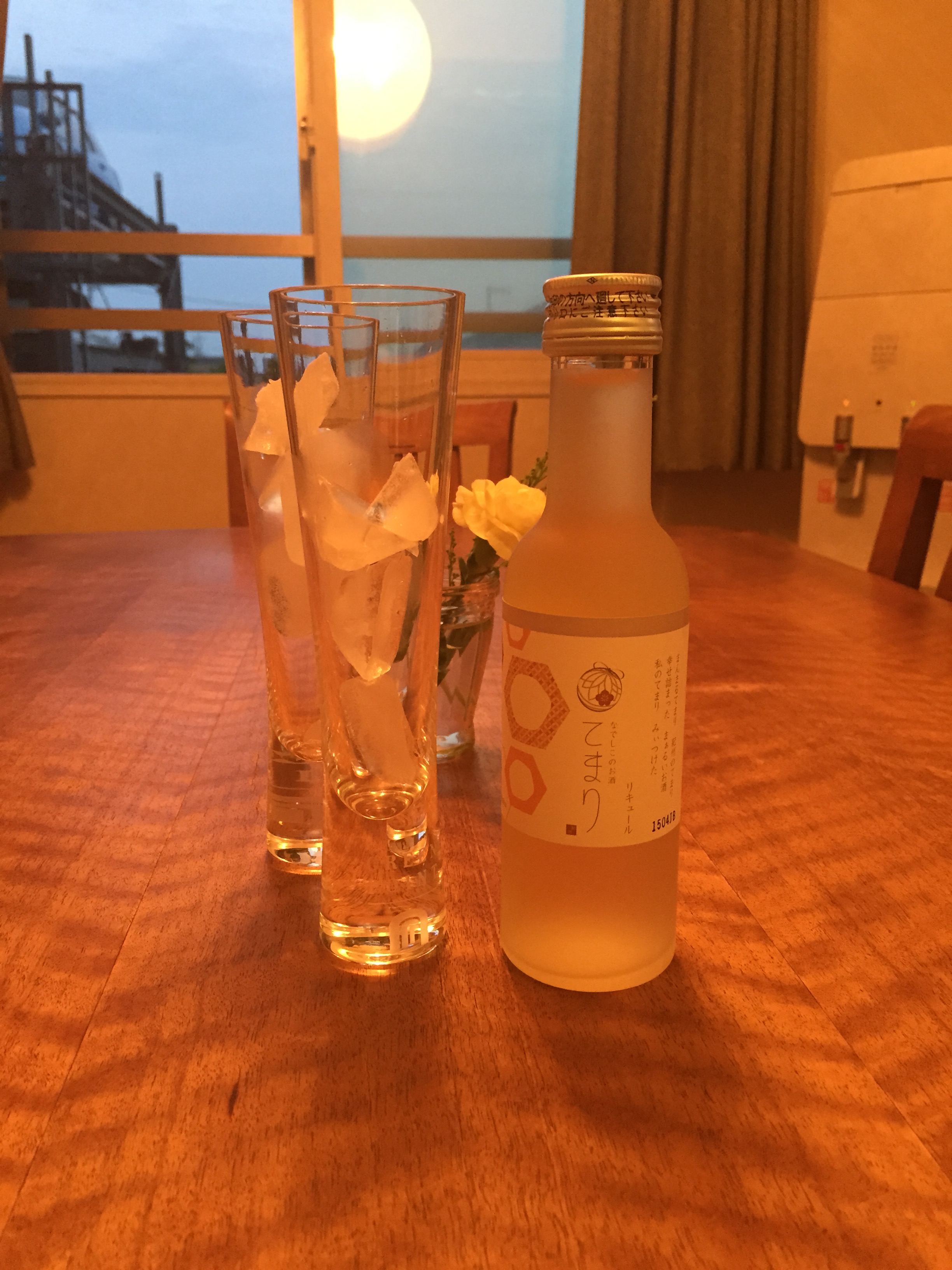
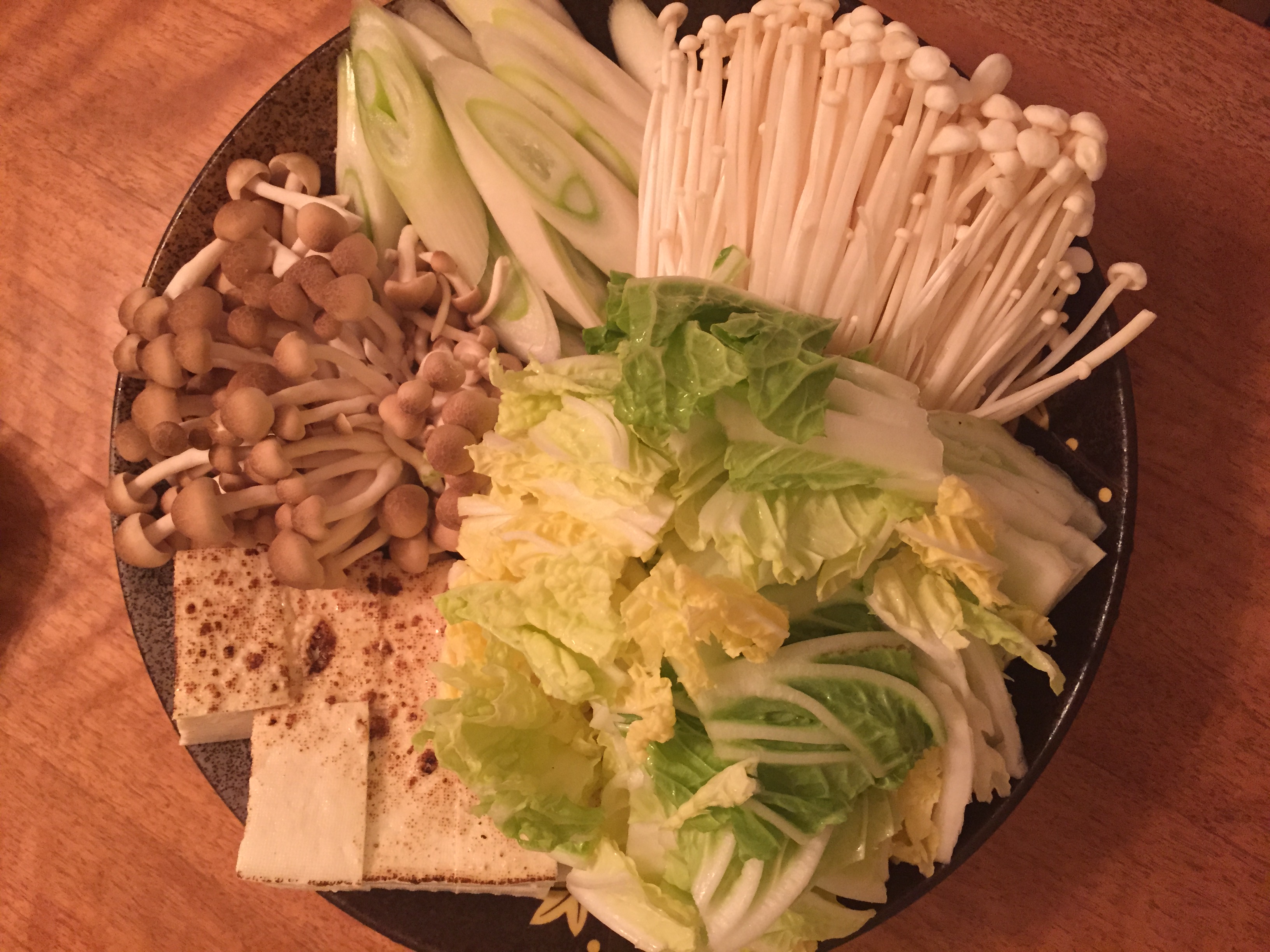
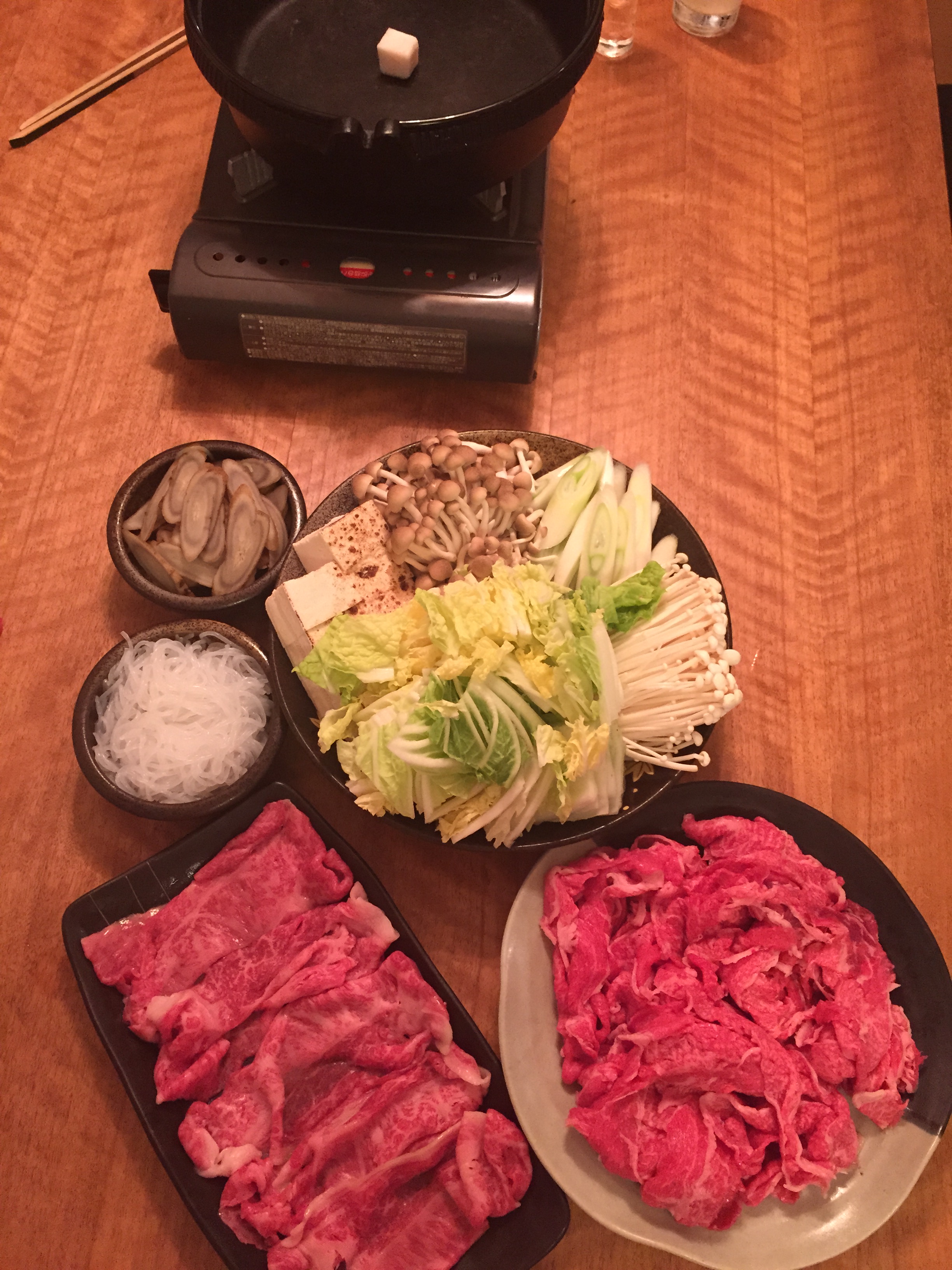
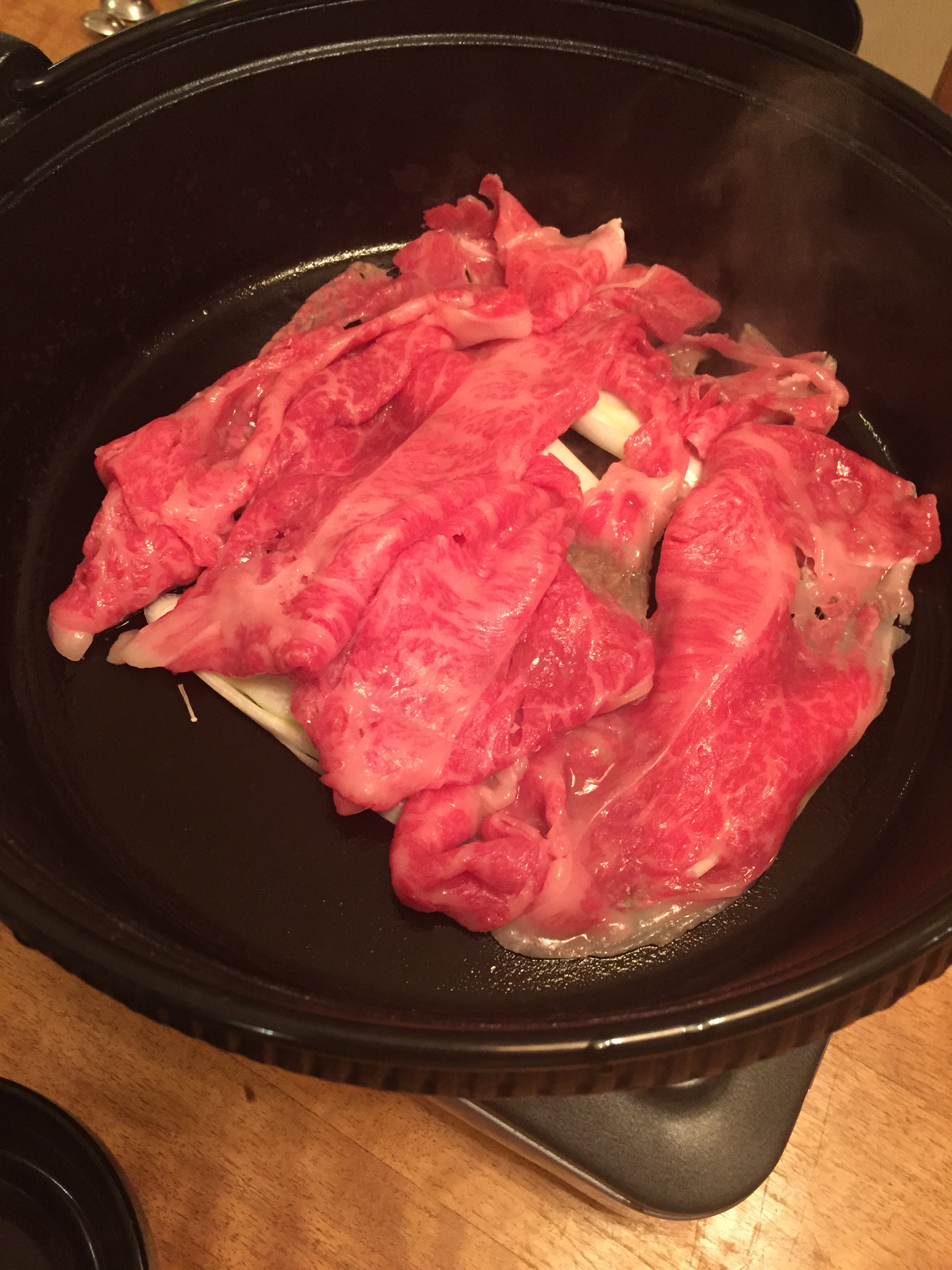
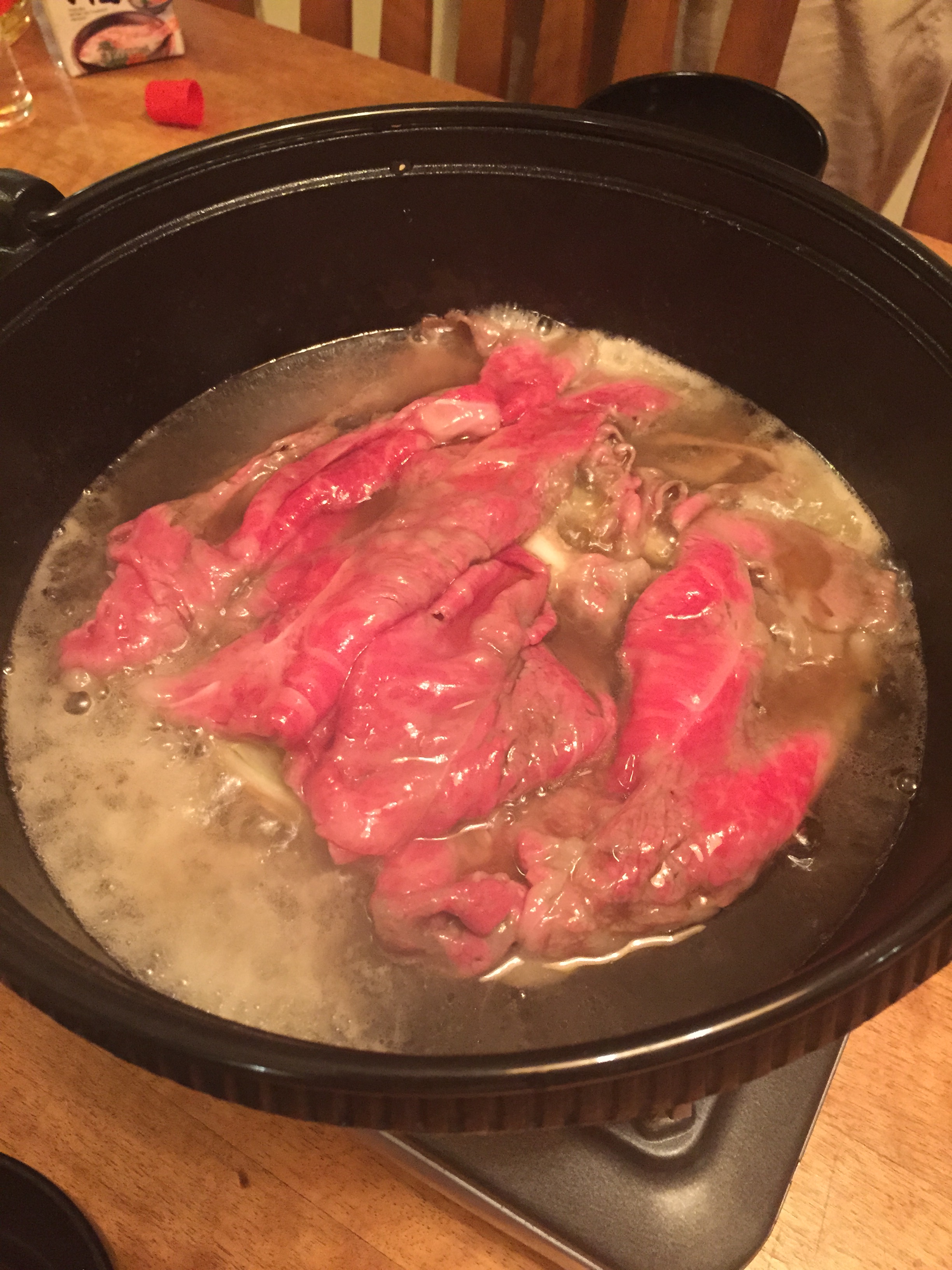
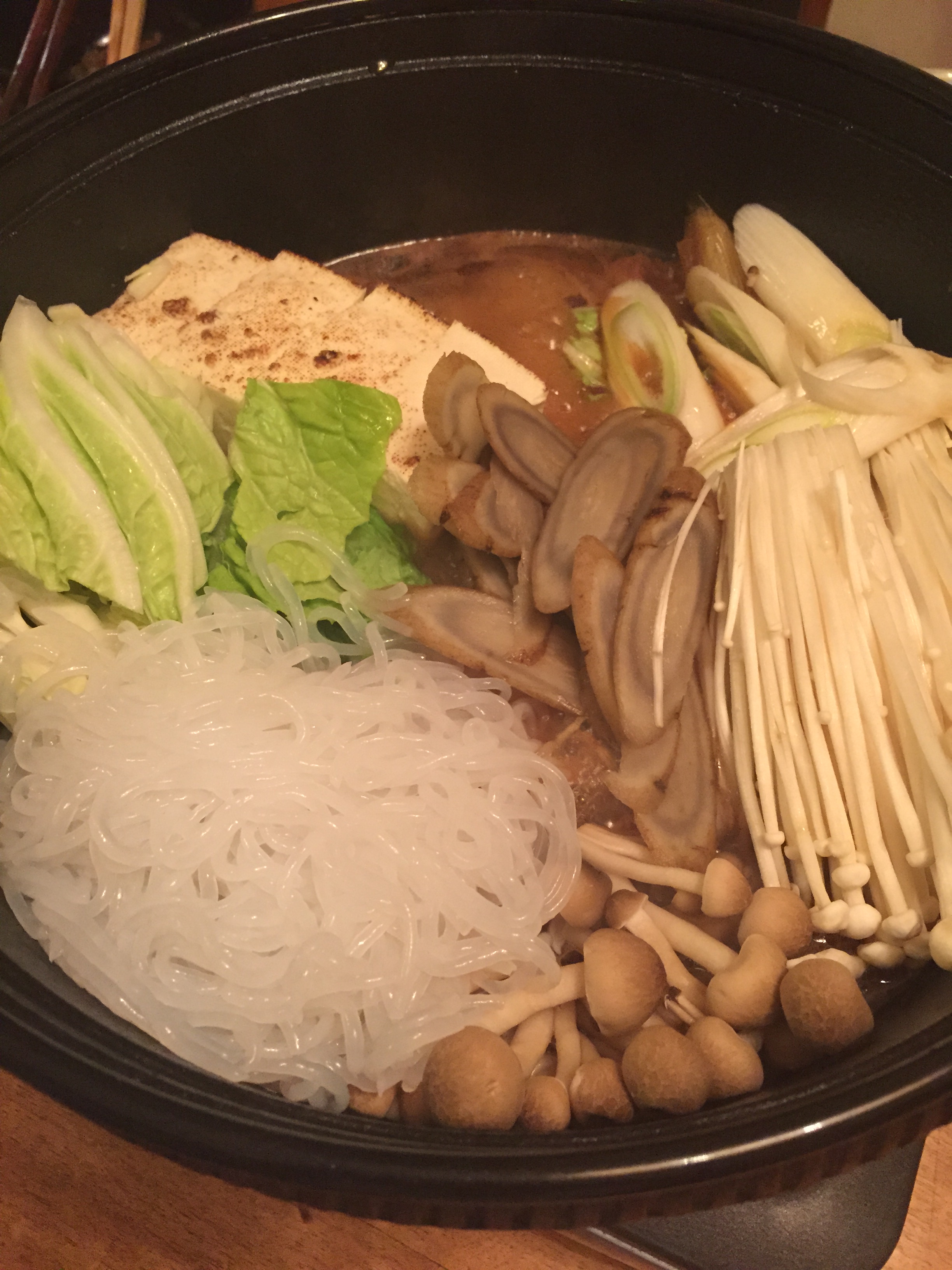
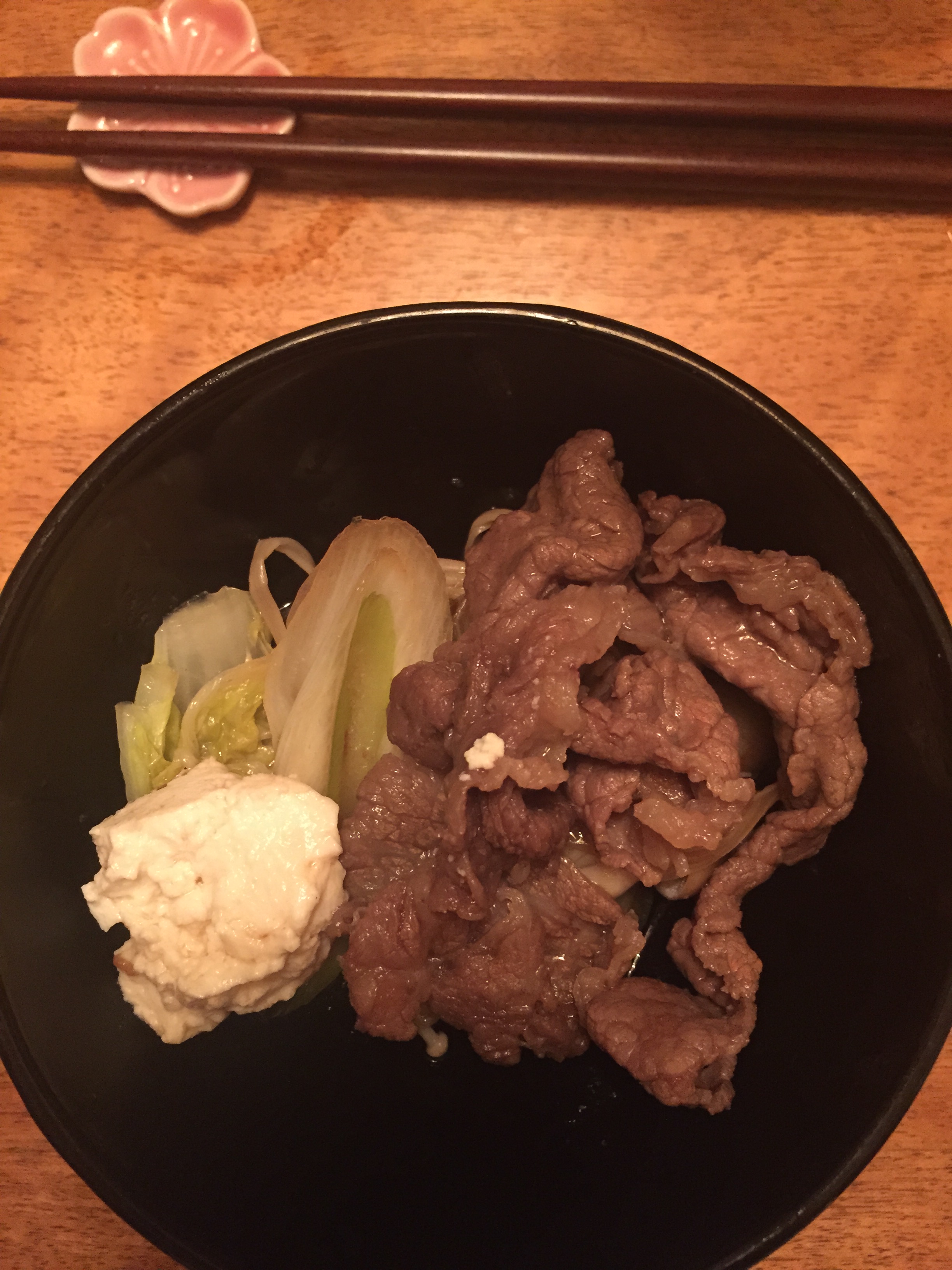
During our stay in Tokyo we were lucky enough to have happy hour with Jess and her family. We drank yuzu umeshu (plum wine) cocktails and Jess made sukiyaki. Sukiyaki, made at the table in a Japanese hot pot, usually consists of meat and vegetables cooked in a broth of soy sauce, mirin, and sugar. Jess sliced up the vegetables and presented them beautifully, in true Japanese fashion. We had two types of beef, tofu, cabbage, leeks, burdock, two kinds of mushrooms, and noodles in our sukiyaki. Jess browned the meat a bit first (on a pile of leeks!) And then she added the broth to finish cooking the meat. And then Jess removed the meat to make room for the pile of vegetables and noodles. Mmmm…it was delicious. The beef was perfectly seasoned by the slightly sweet broth and the vegetables’s textures were the perfect complement. Naoto and I think a nabe pot and a table-top burner is in our future. I definitely think it would be a fun cold-weather activity with friends!
And, to add a little excitement to the evening, there was a sizable earthquake (7.8) that night off the coast of Japan! It was a little bit scary because it was so much more powerful and lasted a lot longer than the other tiny earthquake I’d experienced in Japan before. I just kept looking at Jess to see if she had any panic in her eyes. (She didn’t and she calmly turned off the burner in case things did get any scarier!) We turned on the TV to see that the subways had been briefly halted, but by the time Naoto and I left, everything was up and running like nothing had happened.
Whew!
Thanks for being such great hosts, Jess, Keiichi and Ethan!
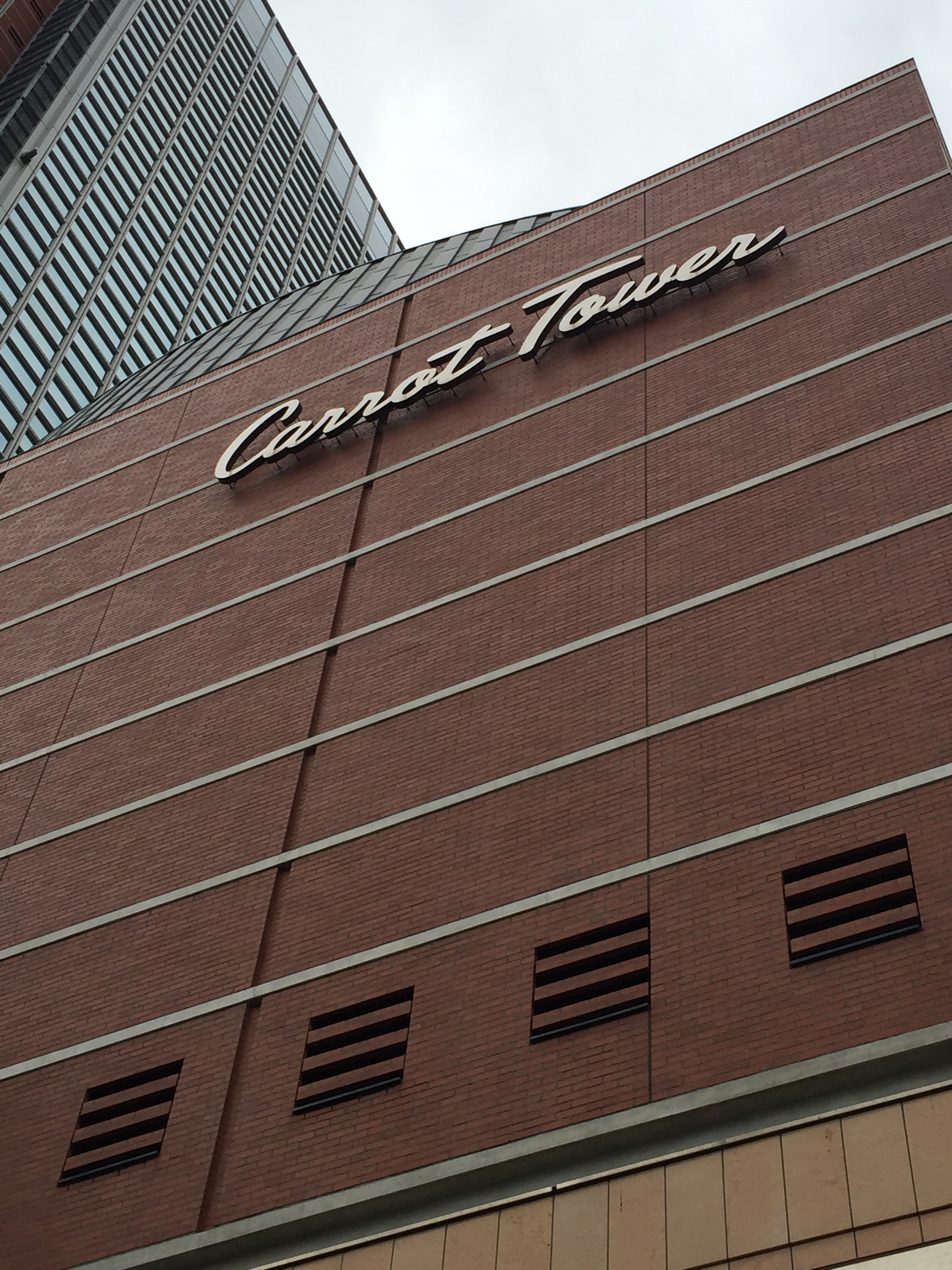 Continuing our exploration of Sangenjaya…
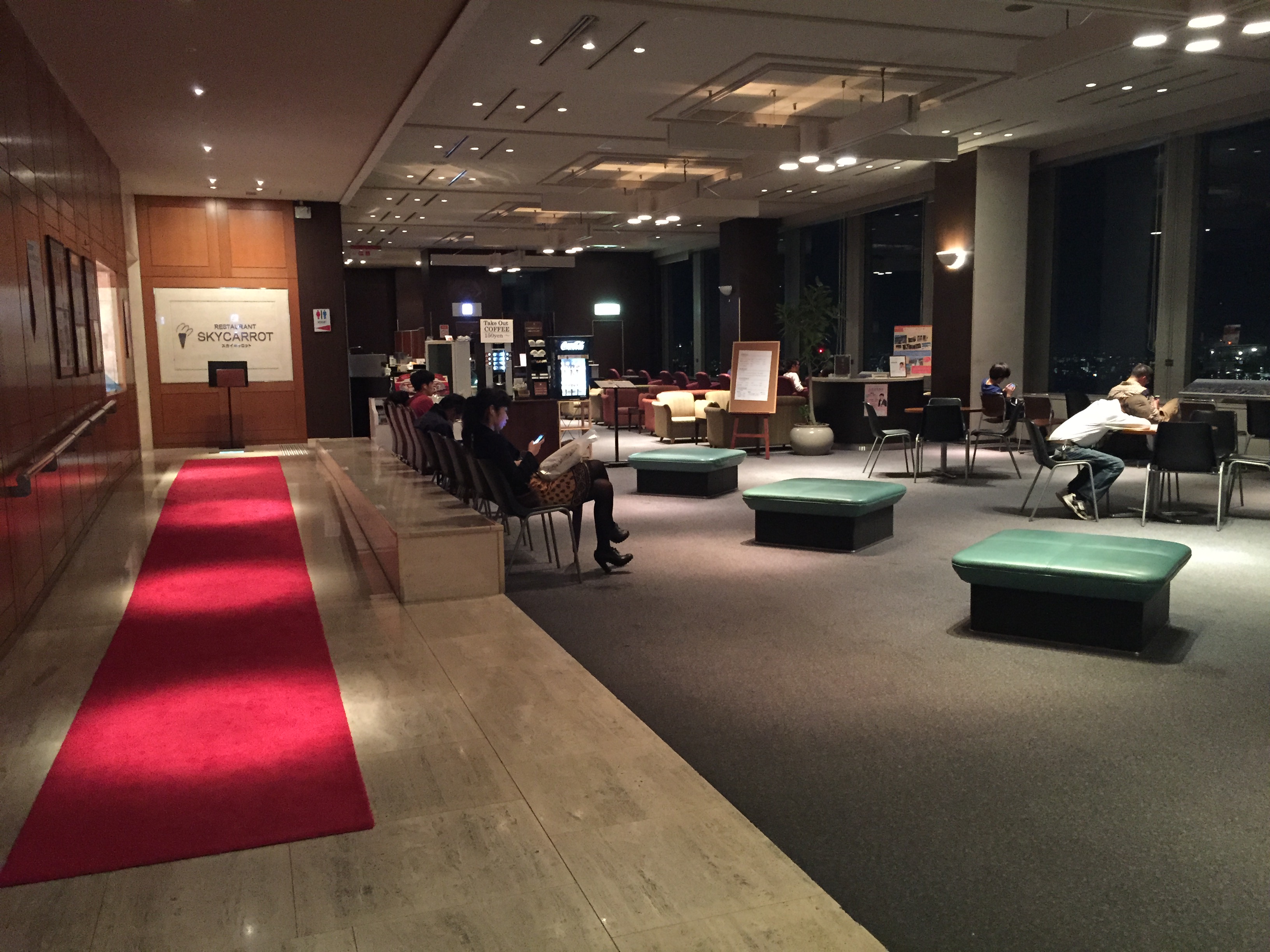 The first floor is an open shopping area where you can buy Japanese pottery, stationery, souvenirs, pastries, flowers…I bought stationery. And the other floors are dedicated to the bookstore, a theater, and office space. But, at the very top, there’s a restaurant and an observation deck. We decided to go up to see what the observation deck was all about. The red carpet leads you to Sky Carrot, the restaurant and then the space to the right is the observation/banquet area. It was SO WEIRD! Some people were sitting quietly and reading. Others were chatting at tables. There was a small family with young children just hanging out. We saw vending machines and an ice cream freezer.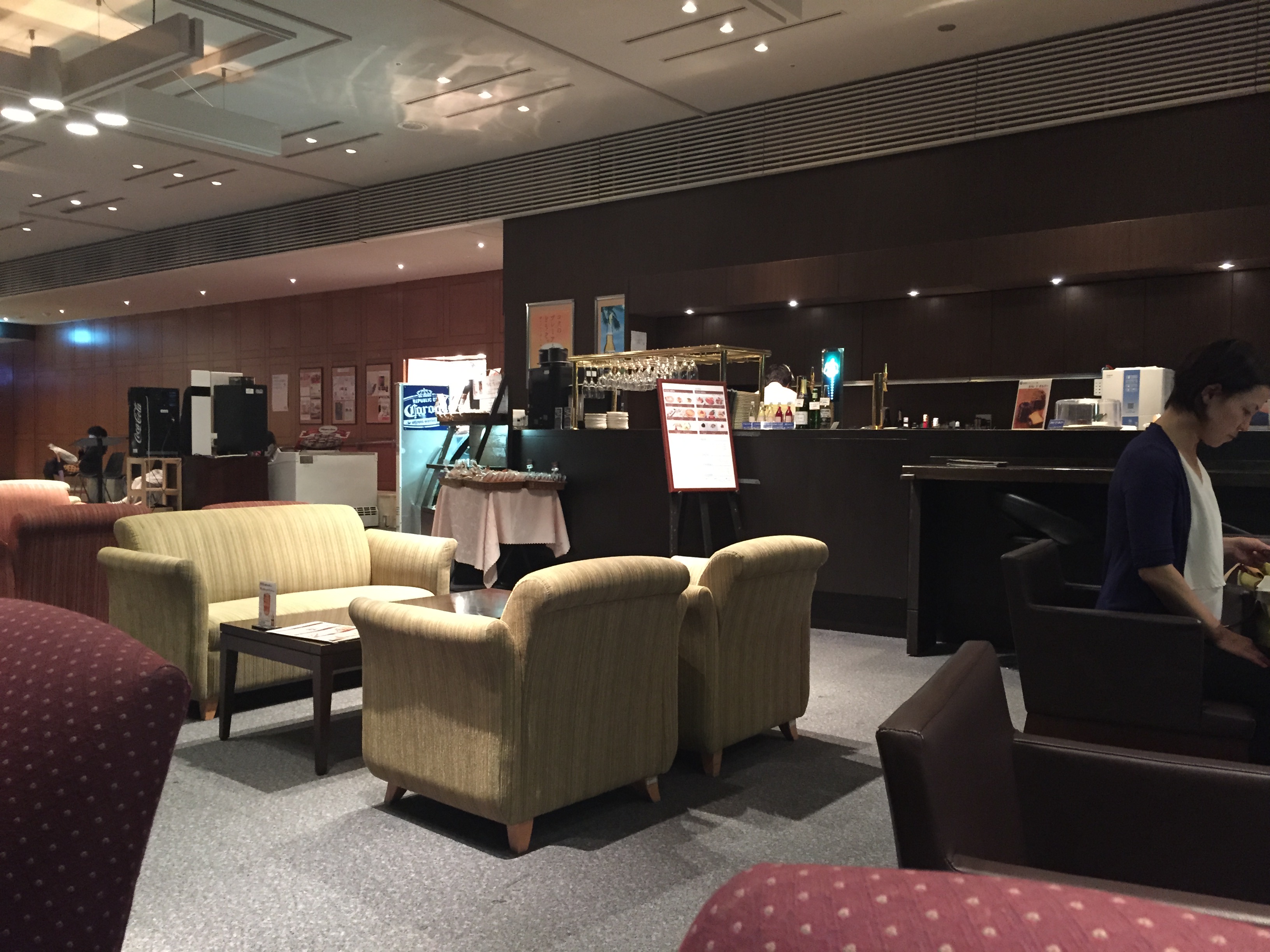
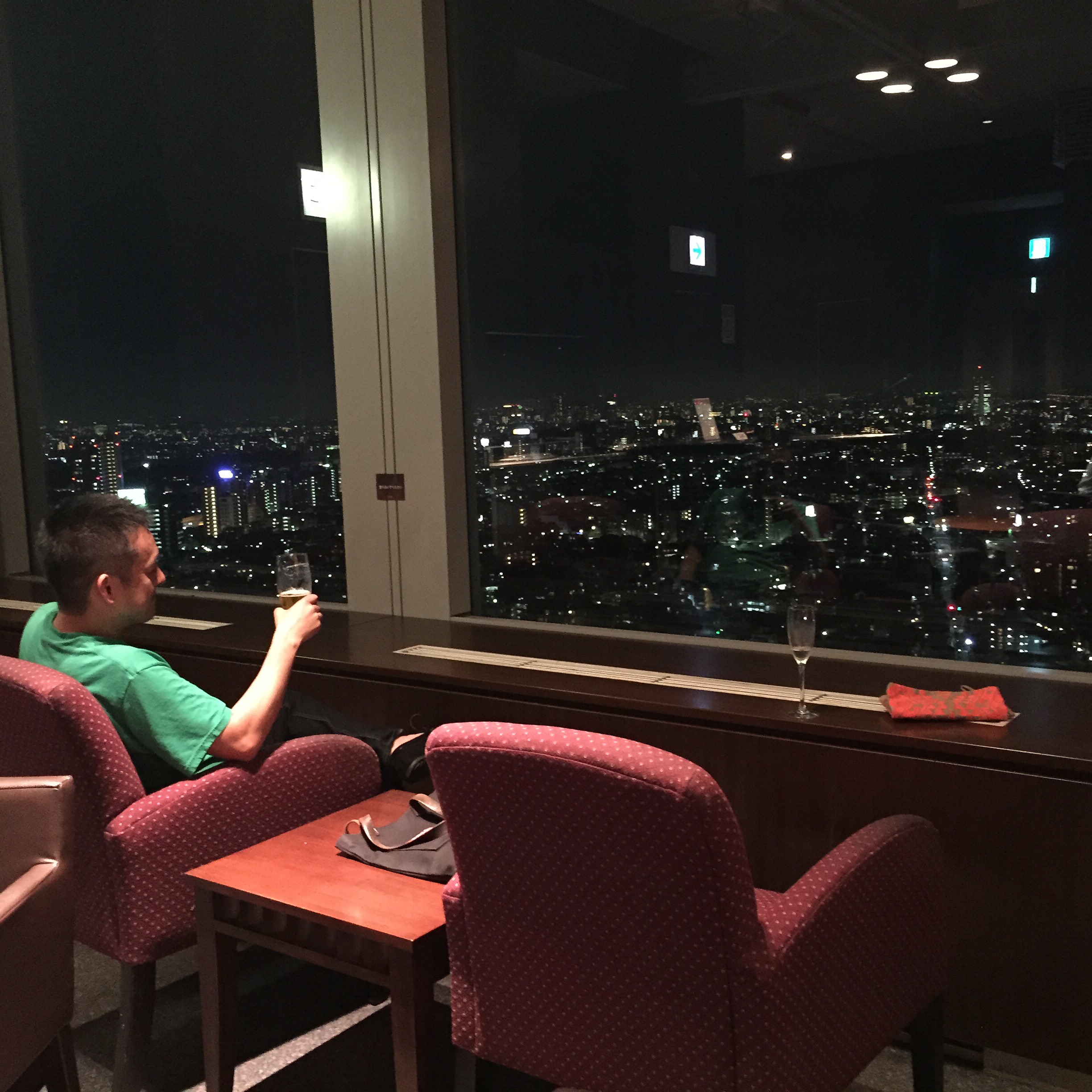 Then we ventured further and found the bar. It felt a little bit like a hotel bar with plush chairs and a few tables. There was a grand piano in the corner. And there were comfy seats facing the view, so we decided to stay awhile. The bar offered a few simple cocktails, beer and, and wine and it was so cheap! (¥500 for sparkling wine and even less for a beer!)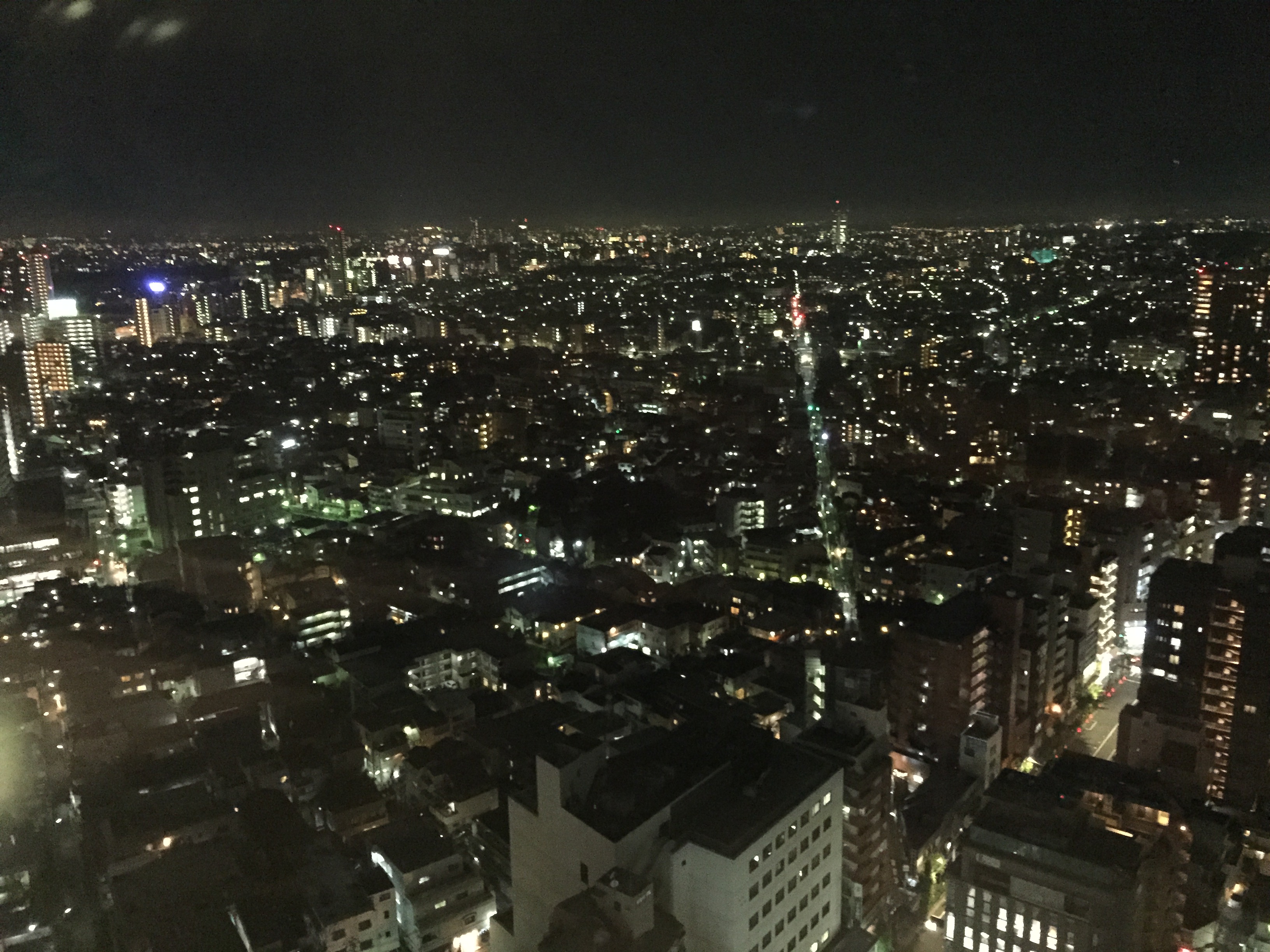
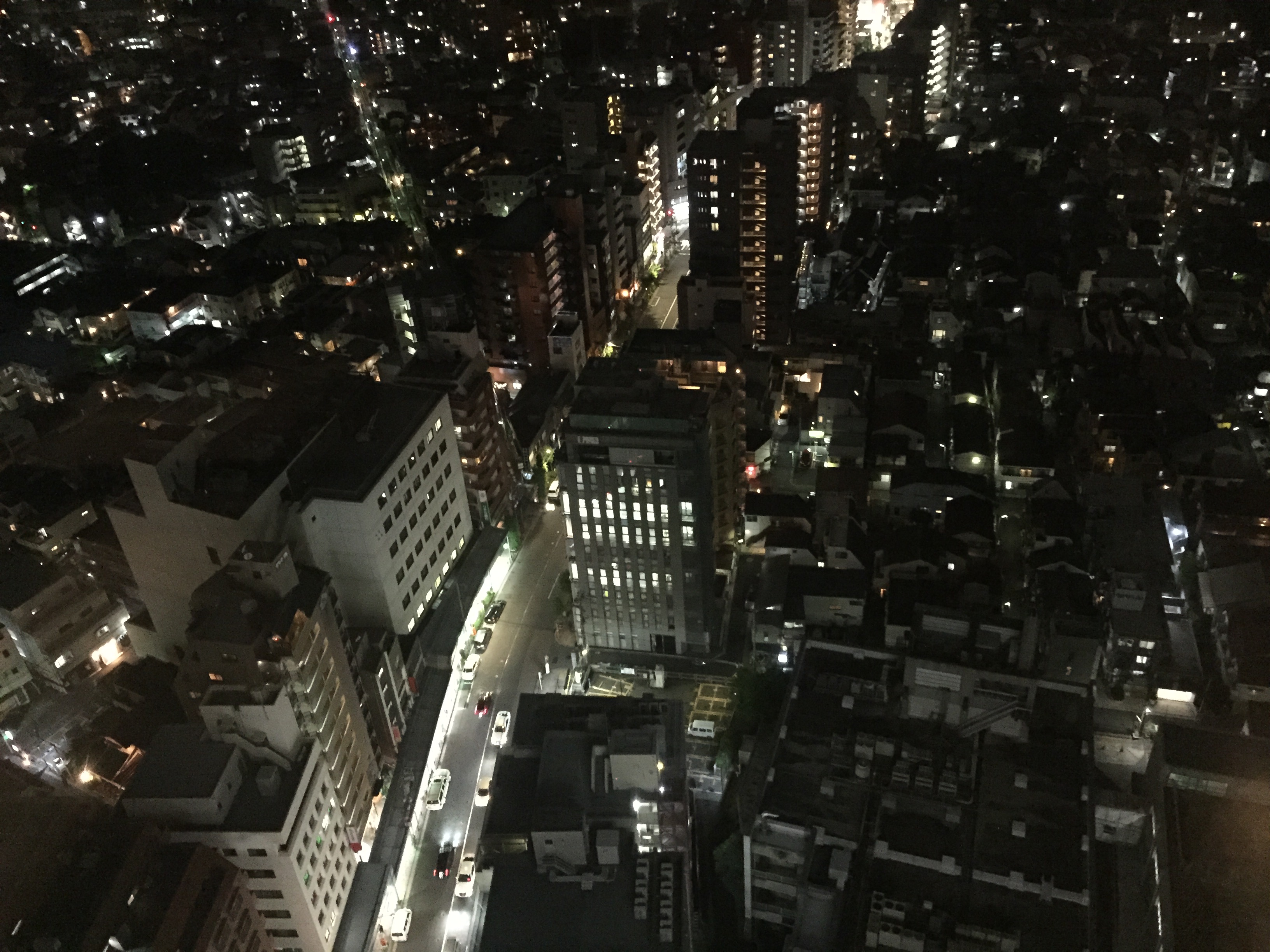 At twenty-six stories, Carrot Tower is no SkyTree, but the views were still pretty and it was fun to see Sangenjaya from a new perspective.
 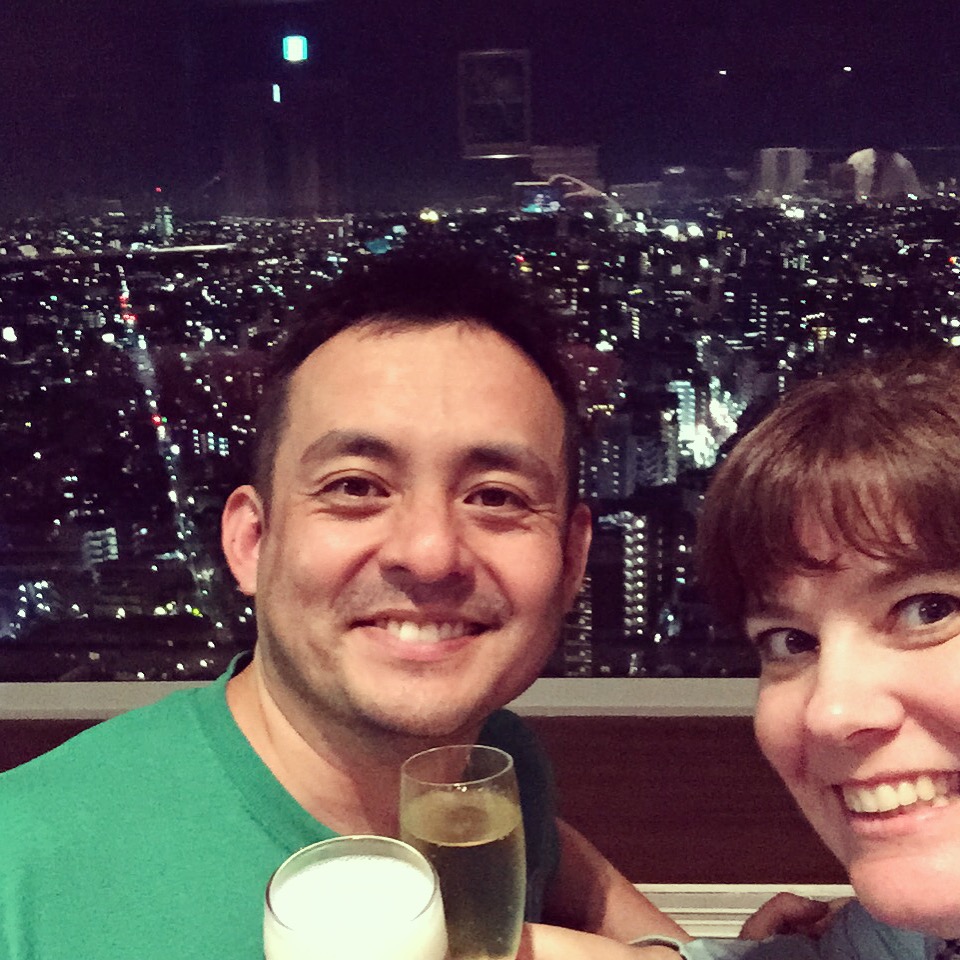 Cheers from the Carrot!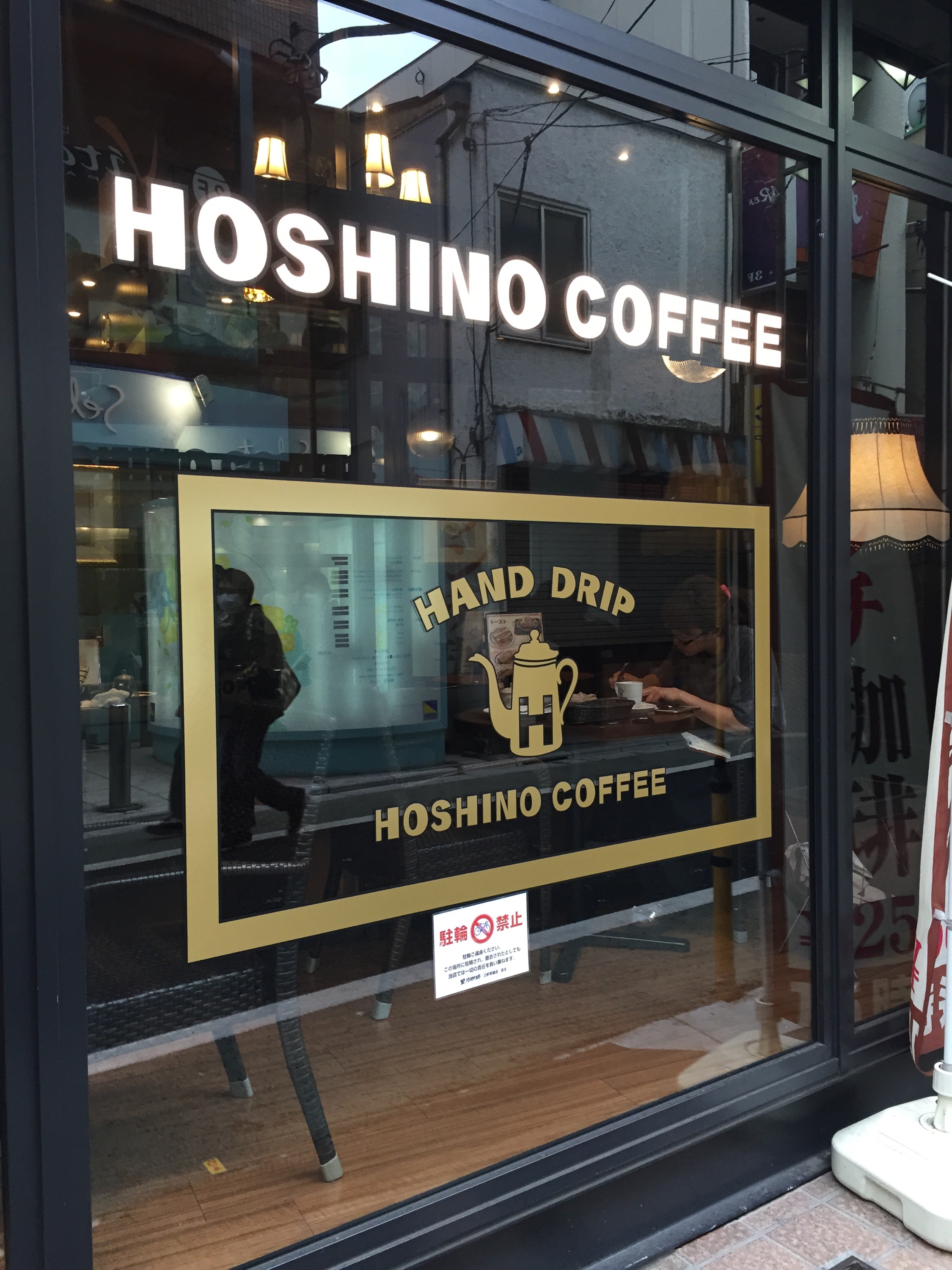

 kimberly ah