Tag Archives: food

Off The Menu at the Asian American Showcase

Along with Made in Japan, we saw Off the Menu, another movie presented with the Asian American Showcase at the Gene Siskel Film Center a few weekends ago. Off the Menu was only an hour long, but Naoto and I have been talking about it since we left the theater. The film explores Asian Americans’ relationships with food and how their traditional foods have evolved over time in America. There were six stories featured in the movie, and each one brought a different layer to the conversation. After the movie, a panel of Asian American chefs from Chicago discussed their reactions to the movie. It was all so interesting that Naoto and I had a great dinner discussion about Asian American food culture.

The filmmaker, Grace Lee, begins the film telling her own story of growing up in her Korean family in Missouri. She talks about having a basement refrigerator that held the kimchee and other “stinky” traditional Korean foods, hidden away from their “Wonderbread existence” in the Midwest. (I wish I had written down the exact line from the movie because it was brilliant.) This was in the eighties, long before kimchee and other traditional Asian foods became the popular fare they are today. (Have you seen this book on fermented foods? It’s one of many published in recent years.)

With her voice sprinkled throughout, Lee shares the stories of the six people. A few stood out for me:

The first, Glen Gondo, is a Japanese American who is known as the “sushi king of Texas”. His business provides sushi services for the largest grocery chain in Texas. He has a research and development team (headed by two Korean chefs) creating sushi rolls for the American palate (or maybe more specifically the Texan palate?)–sushi with barbecue sauce, sushi with jalepeños, sushi with crumbled Flamin’ Hot Cheetos on top. The film asks the question, “Is this really Japanese sushi if you water it down so much for American tastes?” Lee is sort of taken aback when she sees that alongside the Japanese sushi are spring rolls and pot stickers. Lee points out that those aren’t Japanese. Gondo replies no, but they are best sellers. Lee admits that sometimes she questions eating Korean food made by non-Koreans. Naoto and I exchanged glances during this moment in the movie because we are totally guilty of this! Our favorite Japanese restaurants are owned by Japanese (or Japanese-Americans.) I think this is partly due to the fact that Naoto enjoys speaking to the chefs in his native language, but also that it feels more…authentic? (I should also admit here that I am very much a traditionalist. Sleek, trendy sushi restaurants have never been my scene.)

Next, the Kawelos, who are catching octopi, a traditional food in Hawaii where most of the food is imported. Hi’ile, the daughter, is trying to reconstruct an 800 year old fish pond to keep the tradition of catching fish for her community alive. Hi’ile and her father share that food is “mana“, a native Hawaiian term with an abstract meaning…power, an energy in everything, a life force. Naoto, who grew up in Hawaii, even had a hard time explaining it to me. I sort of took it as food connects people and generations in a way that nothing else can and keeping that tradition of catching fish alive in Hawaii was Hi’ile’s way of connecting Hawaii’s past with its future.

And, in the most touching part of the movie, Lee visits langar at the Sikh Temple in Oak Creek, Wisconsin. This temple was the site of a horrible hate crime in 2012 when a white supremacist stormed in to the temple and killed seven people. It is so amazing to see all of the women in the kitchen at the temple cooking and the men serving a huge meal to people sitting on the floor. Although langar is centered around the food, it really is about the community preparation and sharing of the event. I got a little teary-eyed when they talked about how a neighboring temple came in and prepared langar for them in the days after the shootings. A simple gesture, but I can just imagine how cared for and supported the Oak Creek families felt in that moment.

Food, how we share food, is mana.

P.S. If you read my Made In Japan post, there is an update to Tomi Fujiyama’s story:

The Grand Ole Opry invited Tomi to play! I have to think the movie influenced this decision, right? She is playing on the Opry Stage TONIGHT. The show begins at 7PM and it looks like Tomi will hit the stage during the 8:45PM (Central Time) segment. (Scroll down on this link to listen to the live stream on WSM 650 AM. Naoto and I will be listening!)
 

Tagged , , ,

Victory Gardening Series at Lisle Library

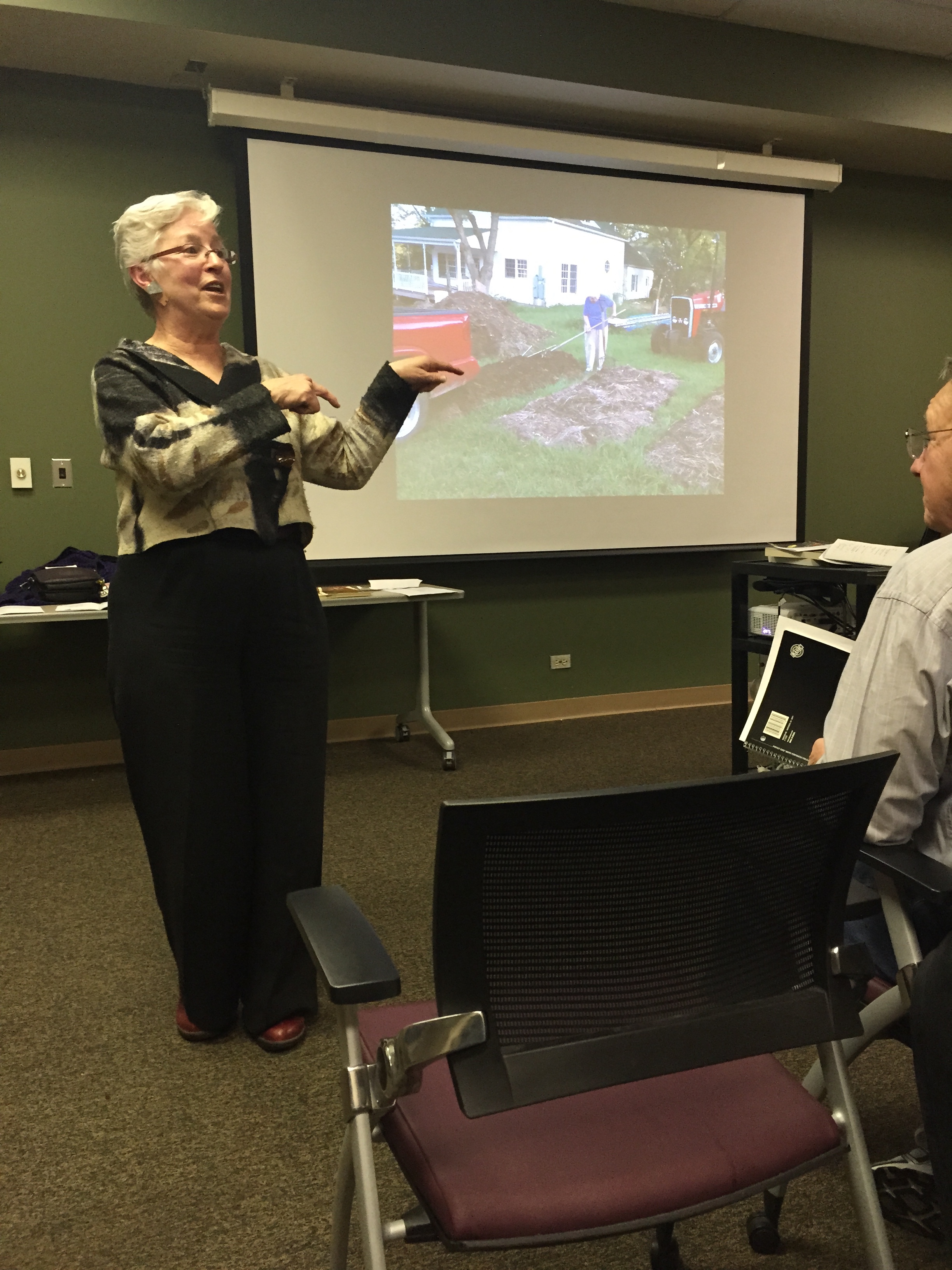
Victory Gardening, Lisle Library,  Barb OttolinoLast Monday, my garden-friend, Laura and I went to a gardening workshop at Lisle Library. They are hosting a summer-long series, Gardening for Victory, that will cover aspects of gardening from soil preparation to planting and pest control. The series is led by Master Gardener Barbara Ottolino. Our session was titled Planning for Victory: Site, Sun, Soil, Bed, and Crop Selection. Ottolino shared a lot of tips for making gardening easier (less work, less time) and a little more interesting.

Ottolino is very enthusiastic about gardening and making gardens work for people, both in terms of saving time and maximizing the amount of produce you can harvest from your space. She shared a ton of tips and answered questions from the audience at the end. I left with a lot of takeaways for our garden plot this spring and some ideas for our balcony garden too.

For new gardeners choosing a site for a garden, she recommends drawing a simple map of your land, including your house, trees, fences, etc. Mark where you’d like to place your garden. Over the course of a day, record the sunlight shining on your land. Draw yellow stripes on the map at 9AM, red stripes at noon, and orange stripes at 3PM. Where you have the most overlapping colors is going to be the best place for your vegetable garden. But don’t count out the other places with fewer stripes! You could plant shade tolerant vegetables and flowers in those places. Ottolino recommends using what you have and not feeling stuck having your garden in one plot…spread things out over your property if that’s what you need to do.

Ottolino recommends alternating your plantings of lettuce and carrots in the same row or area. (Lettuce, carrot, lettuce, carrot…) Because of their roots (carrot roots are longer and deeper than lettuce roots) and their tops (carrots have way less going on above the soil than bushy lettuce), neither plant is competing with the other above or below ground. It’s a good way to maximize your produce haul in a smaller garden. She also recommended staggered sowing. Rather than throwing all of your radish seeds in at once, plant a few at a time over a week or more. This way you can enjoy radishes for a longer period of time and don’t have an overload of radishes at once.

Some of her tips seem to be geared for older gardeners. She recommends a specific type of lettuce for its ease of harvesting. (Salanova, because it grows into tiny heads that just need to be plucked out of the ground. You could harvest it from a wheelchair, if necessary.) She recommends a broad fork because it is easy to use, even without a lot of strength, and it loosens the soil instead of turning the soil. That brings me to her biggest tip…

She does not recommend turning or tilling your soil. Loosening, yes. Turning, no. This was groundbreaking news to me because I grew up in a home where every spring my father would go out and till the garden. Naoto and I turn fresh mulch into our garden plot every spring. Ottolino recommends layering your dried leaves and fresh grass clippings on your garden plot in the fall and then just planting in the spring. She says this way, you’re not dragging your compost out to the compost bin and then out to your garden…this is the perfect one step, no fuss solution for someone who might not have the strength to do a lot of hauling. (Not to say she’s against composting…this is just another way of looking at things.) Ottolino successfully gardened at her old home in Missouri in hard clay soil. She did this by making her garden beds with layers of manure, straw, dried leaves, and grass clippings. This method is covered extensively in the book Lasagna Gardening by Patricia Lanza.

In addition to her experience as a Master Gardener, most of Ottolino’s tips and philosophies derive from two specific books:  How to Grow More Vegetables by John Jeavons and The New Organic Grower by Eliot Coleman. I am looking forward to checking out those books at the library soon. In the meantime, I really need to pop down to our garden plot and get started! The mulch just arrived and it’s time to transplant some of my winter sowing seedlings and to plant some beets and radishes! It’s been so cold here this week that it’s hard to imagine summer is just around the corner!

If you’re in Chicagoland and are interested in attending the next program in the Victory Gardening Series, you can sign up here.

Tagged , , ,

Spicy Jicama, Pineapple & Cucumber Snack

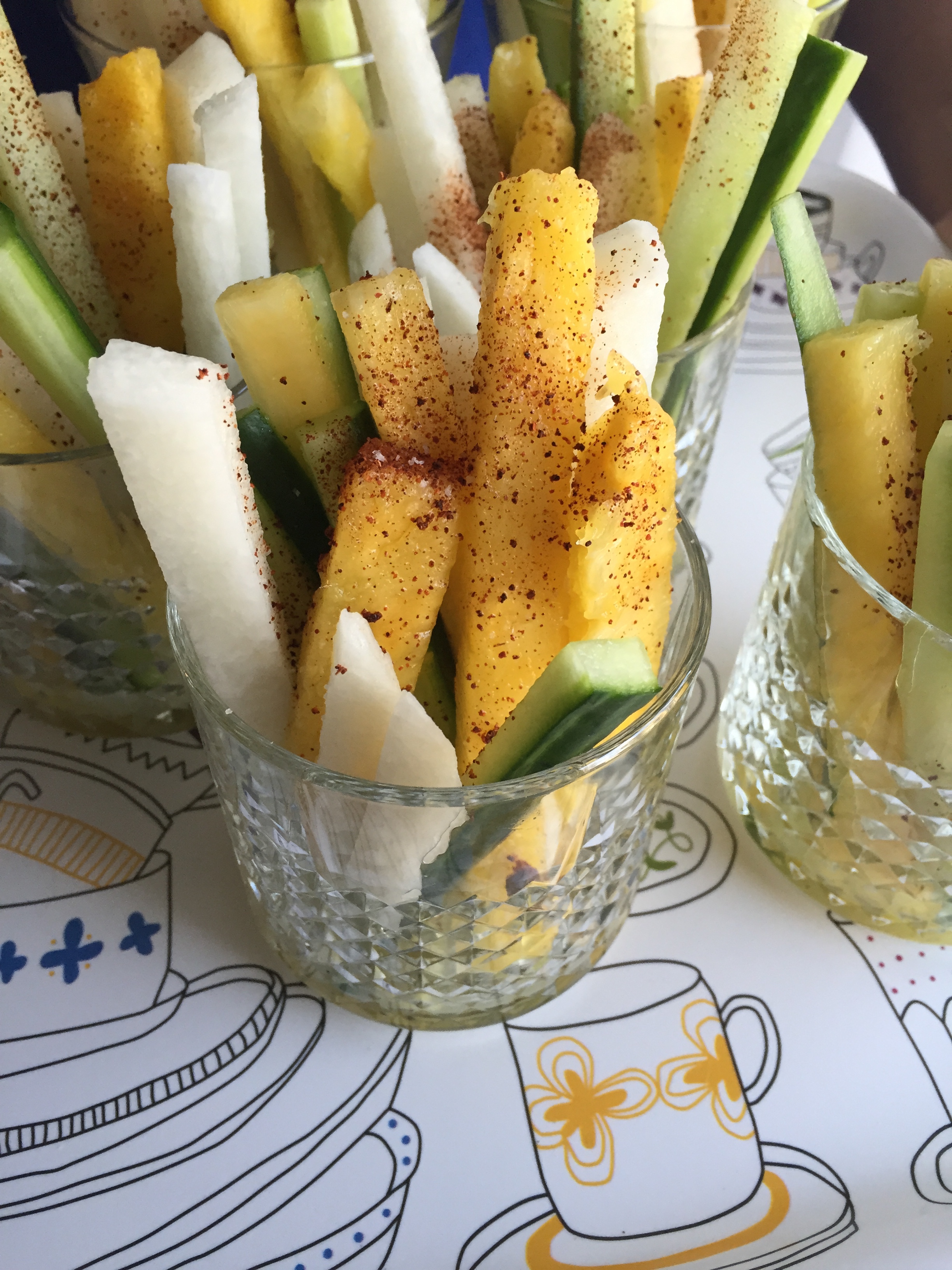
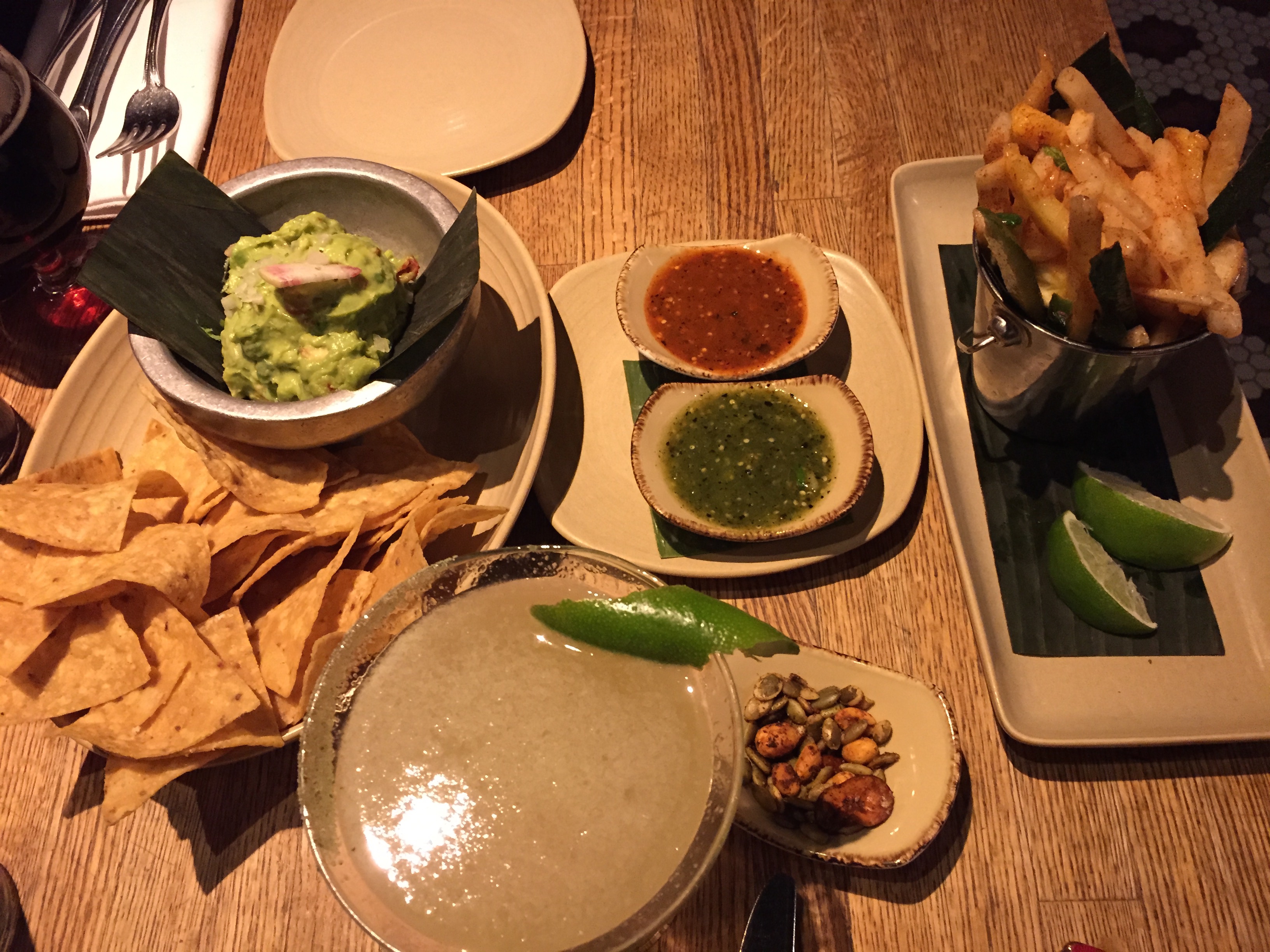
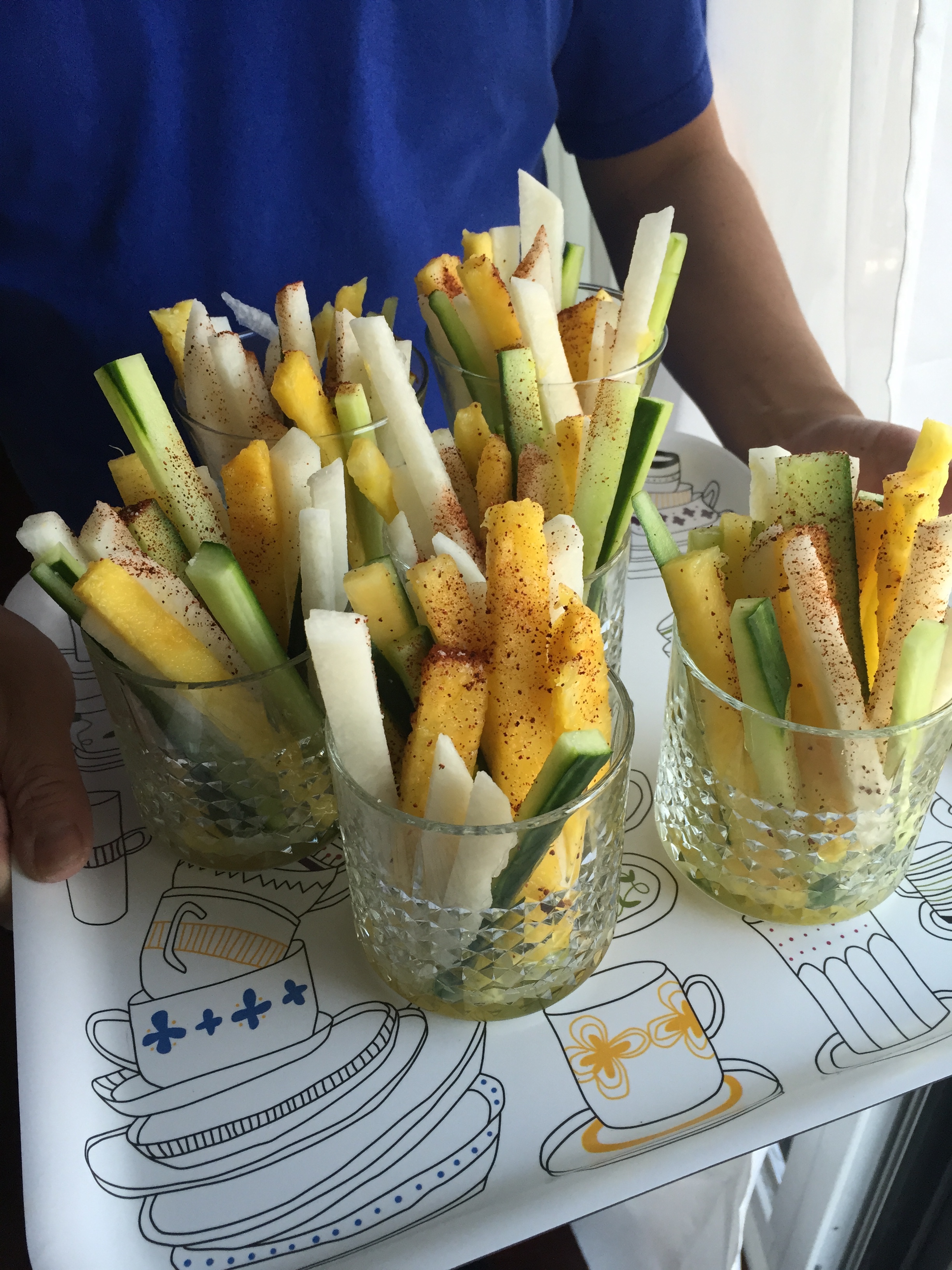
spicy jicama, pineapple and cucumber street snackLast month, Naoto and I lived out his dream of eating at Frontera Grill, Rick Bayless’s hard-to-get-into restaurant in Chicago. We made the reservations back in January so by the time March 14th rolled around, I wasn’t the least bit interested in going, especially considering it was St. Patrick’s Parade Day in the city and drunk people were stumbling about. But, we went anyway and didn’t regret it. The food was amazing, the cocktails blew my mind, and the service was impeccable. chips and guac, street food, frontera grillMy favorite dish was this Mexican street snack of jicama, cucumber, and pineapple. It’s shown above on the right, along with my tasty Meyer Lemon Margarita and our guacamole. The street snack was so fresh and crisp and juicy…I really could have just eaten a whole meal of it alone. It seemed easy enough to make at home, so on Easter, we tried it out as an appetizer for Easter dinner at Karen’s. spicy jicama, pineapple and cucumber street snack

Spicy Jicama, Cucumber and Pineapple Snack 

(inspired by Frontera Grill’s Jicama Street Snack, which was inspired by Mexican street snacks)

1 English cucumber

1 jicama (ours was the size of a softball)

1 fresh pineapple

4 limes

chili powder (or Tajín, for more flavor)

sea salt

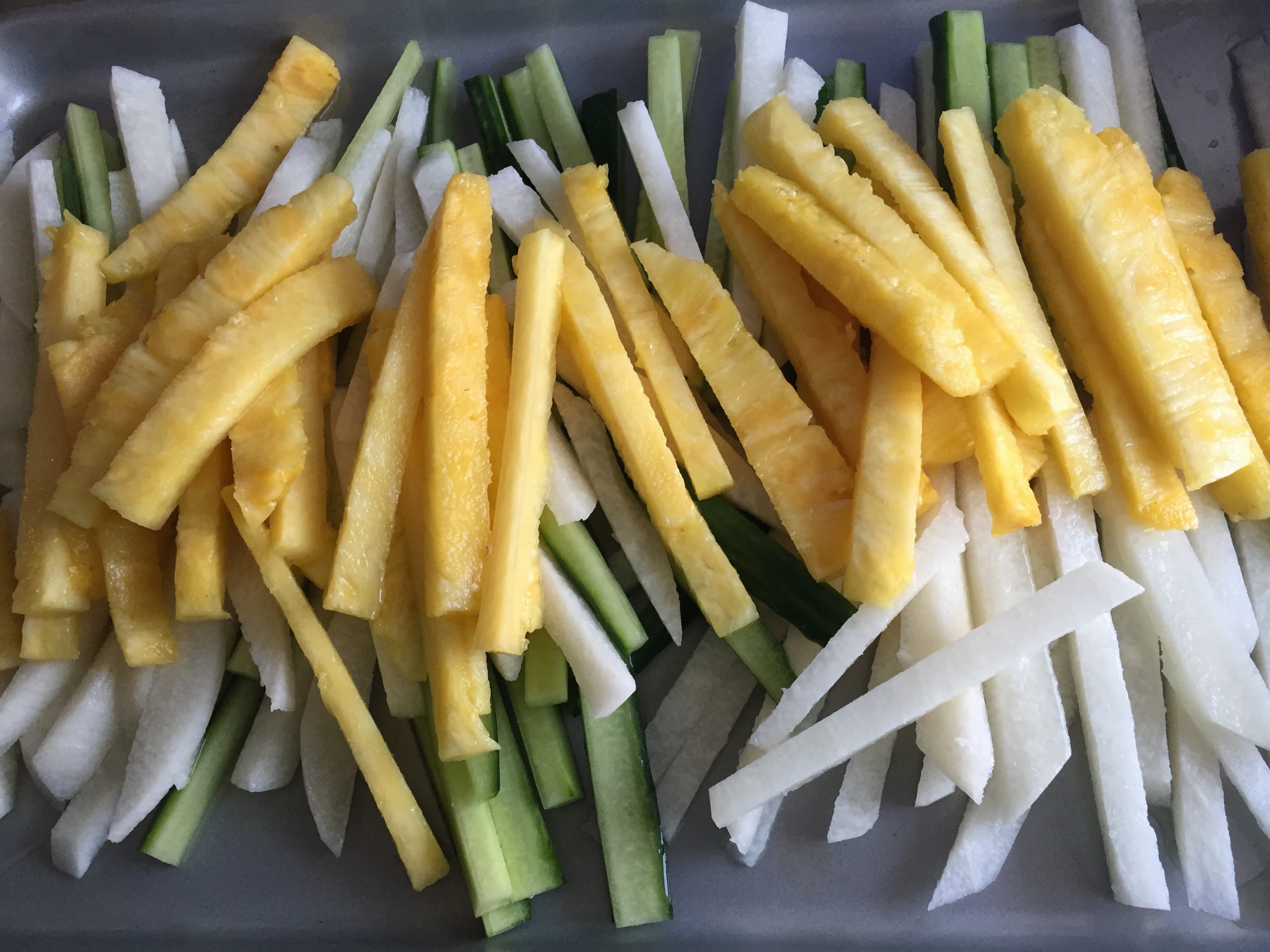
Cut the cucumber, jicama, and pineapple into sticks (like french fries). Place on a large rimmed baking sheet and drizzle with the juice of the four limes. Toss to coat. Sprinkle with chili powder and sea salt and toss again. (Be gentle, the pineapple is fragile!) Serve, standing up in a few glasses. (Old fashioned glasses work nice for sharing, or you could do individual servings in tiny juice glasses.) There should be some leftover juice on the tray. Drizzle it over the prepared servings and sprinkle with a little extra chili powder or Tajín and salt. Serve immediately. spicy jicama, pineapple and cucumber street snackThe jicama and the pineapple were by far the most popular, but I think the cucumber adds a savory touch. Plus, all three textures work really well together to make a perfect appetizer or snack. I do believe this is going to make it into the next Hasegawa Happy Hour menu!

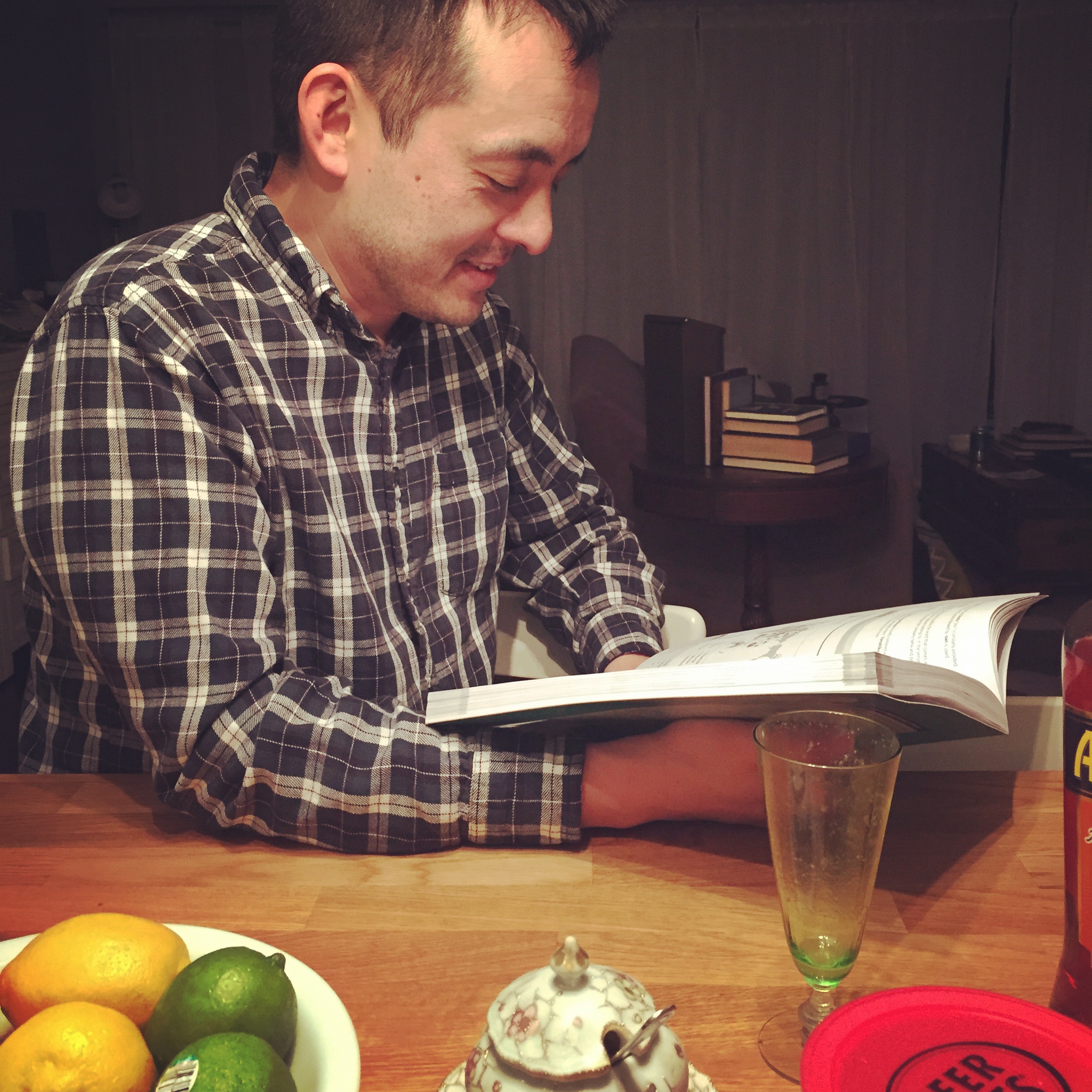
P.S. Thanks to Naoto for modeling!

Tagged , , ,

Naoberly’s Noodle Tour: Oiistar

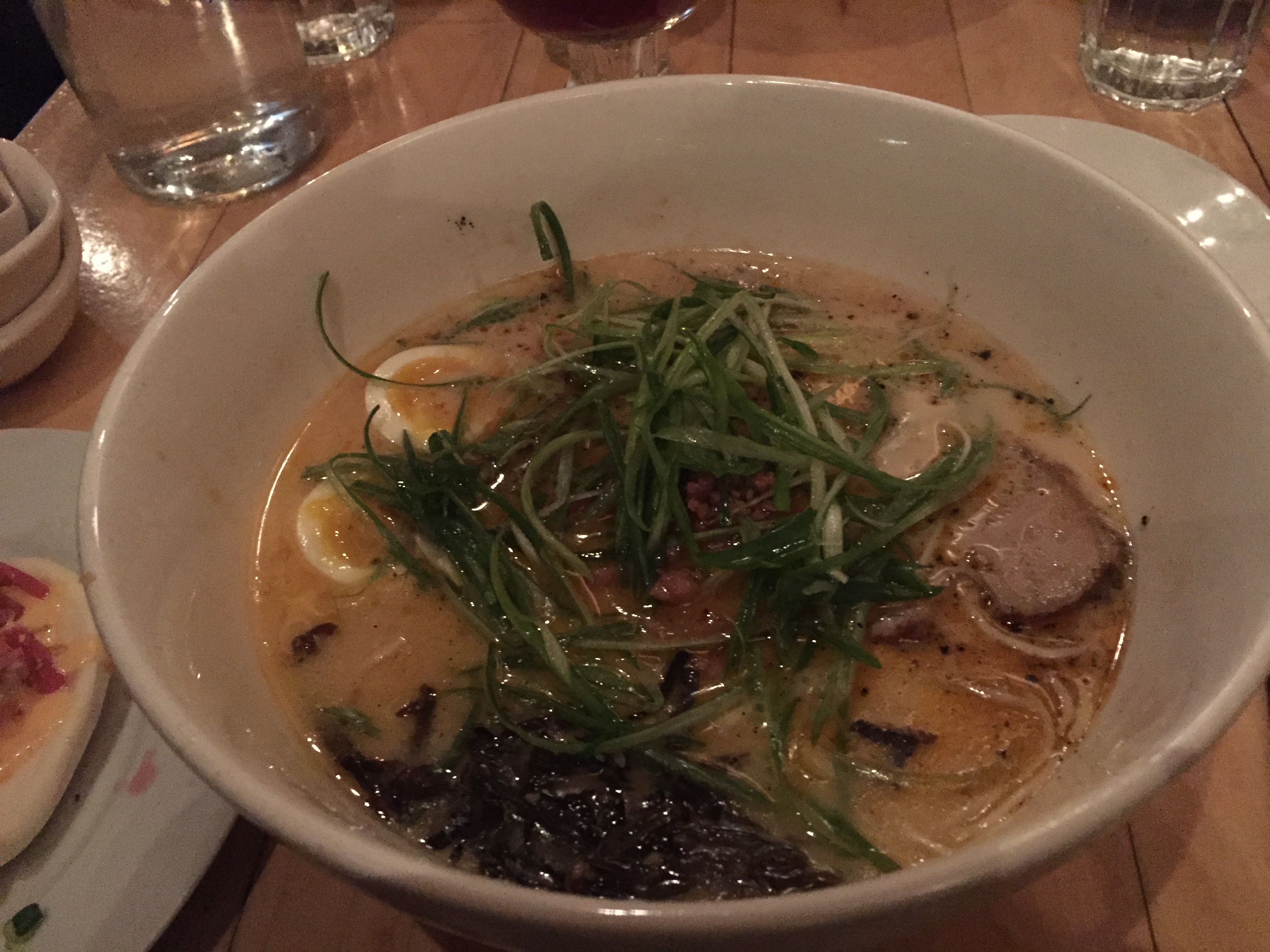
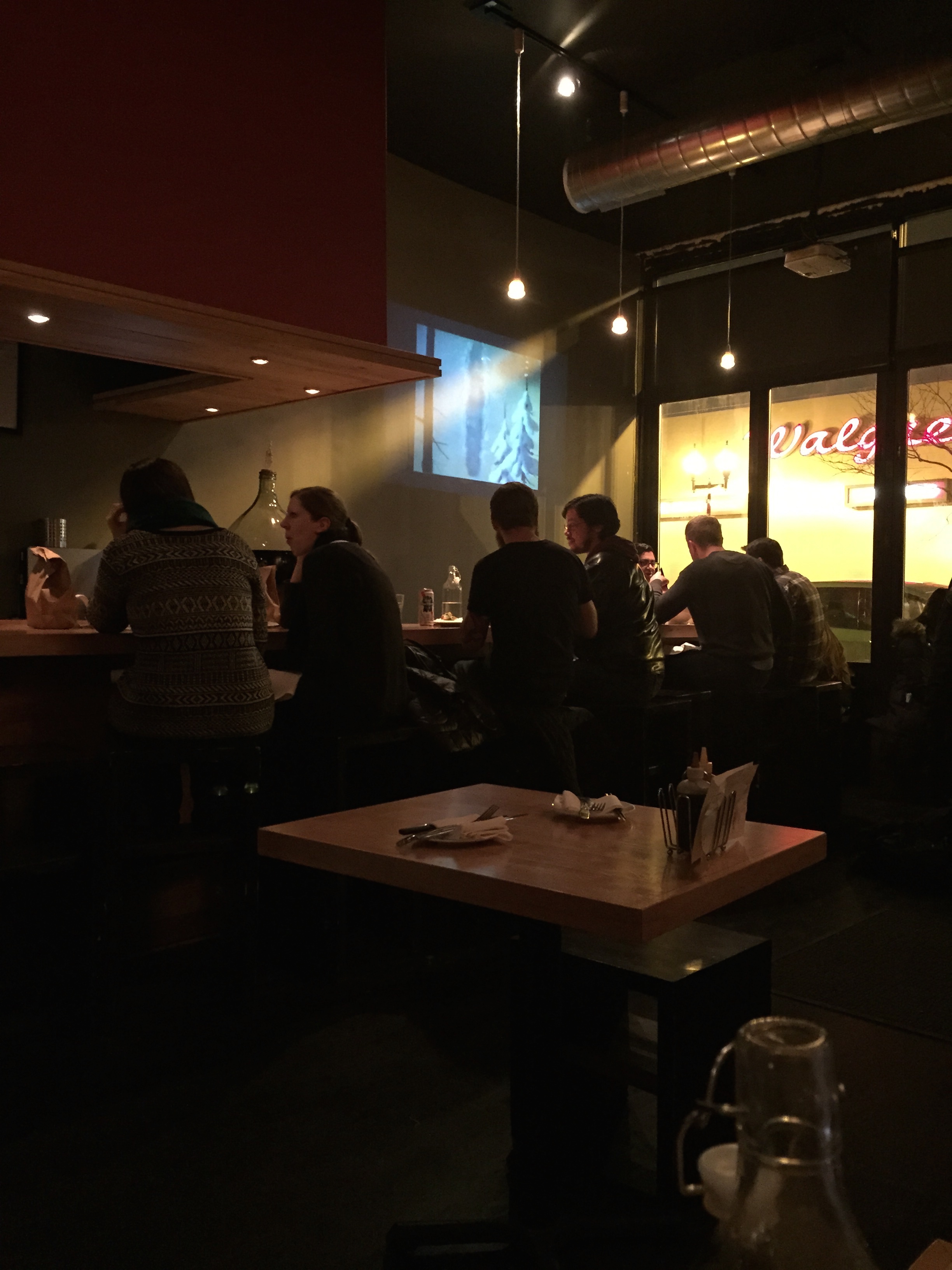
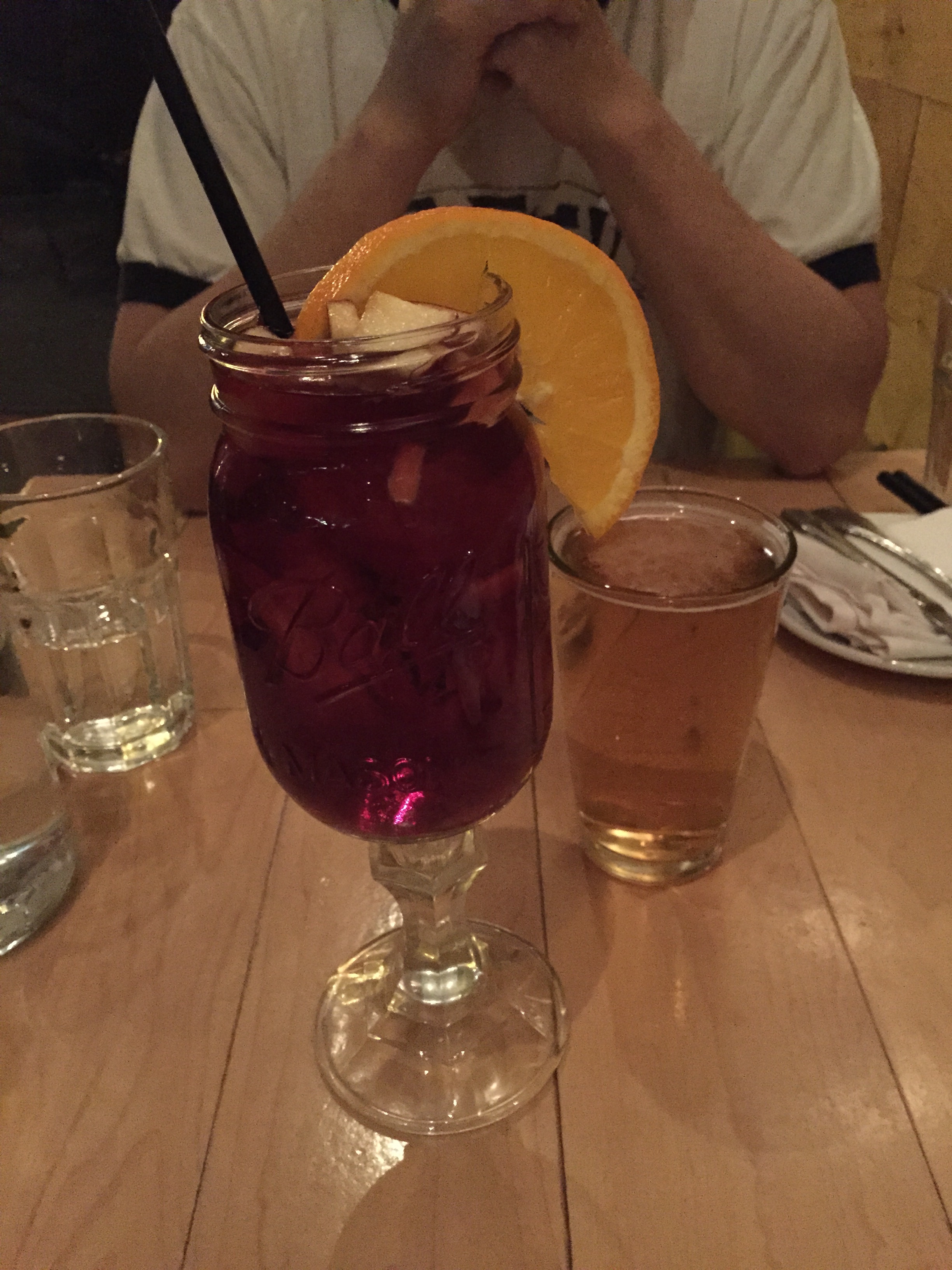
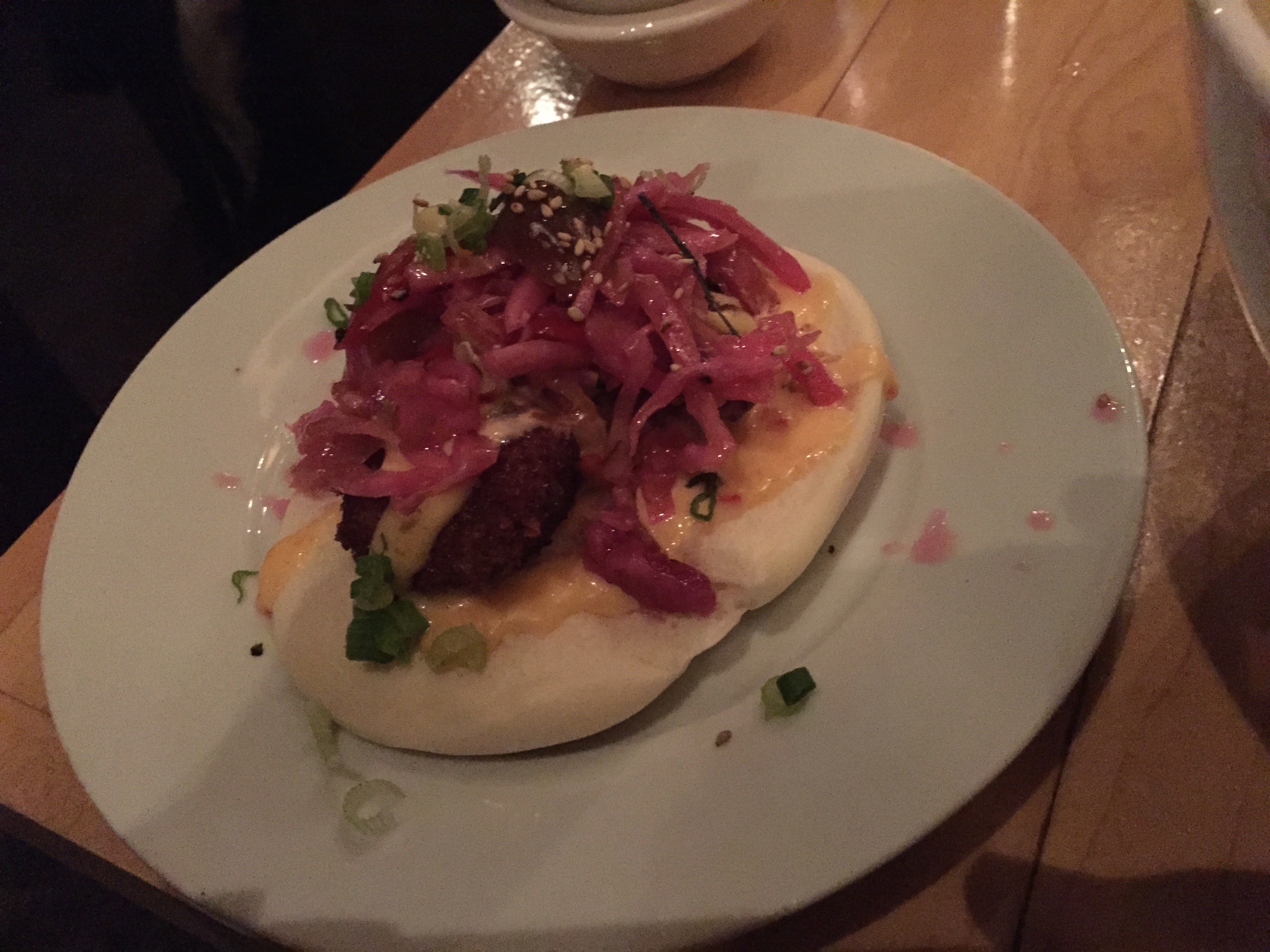
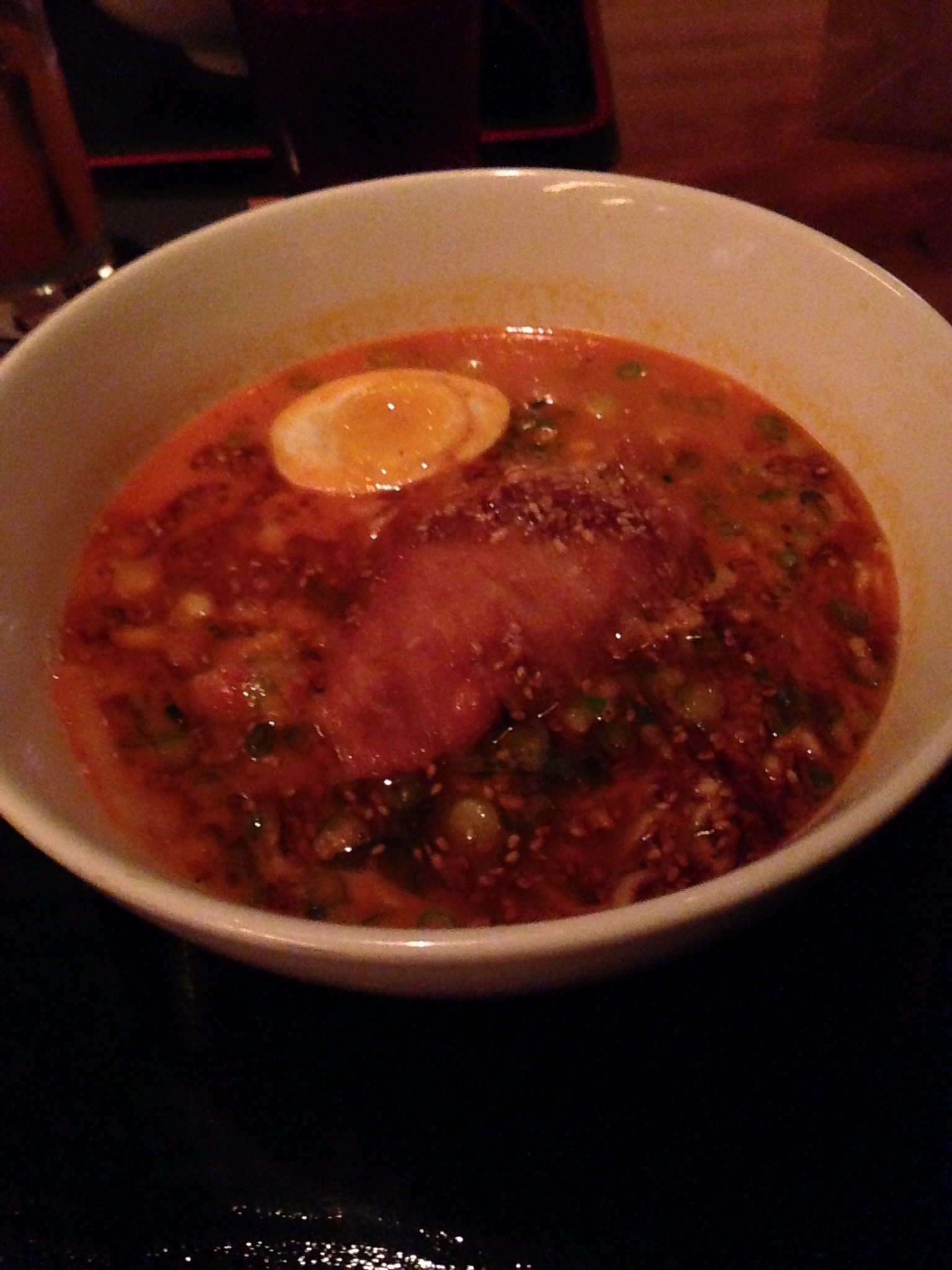
Oiistar Ramen oiimen ramenI’m behind in my ramen reporting! We tried Oiistar back in February, before we went to Furious Spoon. Oiistar gets really good reviews from food writers in Chicago and it’s made it on several “best ramen in Chicago” lists. It was the first ramen shop in the Wicker Park/Bucktown neighborhood. It definitely has a “hipster feel” to it, for better or for worse. It’s casual and there are individual tables, a counter, and communal seating to choose from. The owner describes his menu as having French and Italian influences, and you can definitely see that in the menu along with some Chinese and Korean. Oiistar RamenThere are old black & white Looney Tunes cartoons projected onto the wall and the music is old school and loud (but not too loud.) It was freezing and snowy the night we went, so we were both in the mood for a hot bowl of noodles. We started with drinks and I will just say this: my review of this restaurant may be unfairly colored by what you are about to seeOiistar Ramen embarrassing mason jar glassMy drink, the house-made sangria, was served in a mason jar glued to a candlestick. This thing was enormous and clunky and just plain embarrassing. It was so top-heavy that I kept thinking it was going to fall over and spill everywhere. And it stood up so high on the table that it almost blocked my view of Naoto! Everything else in the restaurant was normal…I just have to wonder what in the world the restauranteur was thinking when he chose to serve his (perfectly delicious) sangria in this monstrosity. Oiistar Ramen, baoOkay…back to the food. We ordered buns as appetizers. They arrived at our table with our ramen, which was a huge bummer because it was impossible to enjoy both at the same time, as ramen noodles are best when eaten right away. Pictured above is the Tempura Shrimp bun, which is a fried shrimp with chili mayonnaise, fennel slaw, and sesame seeds on a Chinese-style bao bun. It was delicious and something I would order again if we venture back here.

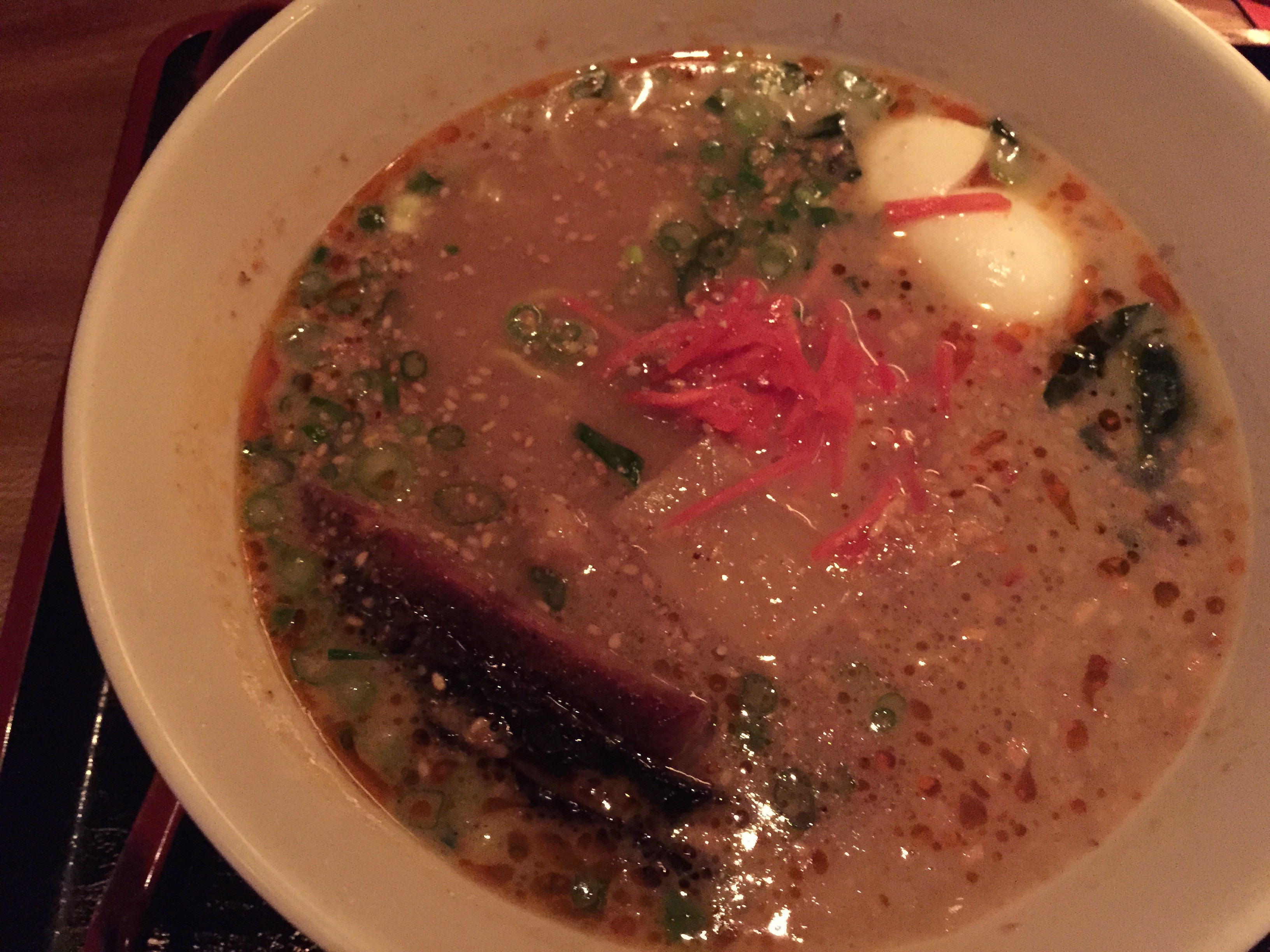
For ramen, I got the oiimen (pictured at the top) with pork belly, egg, scallion, mushrooms, spicy oil, and garlic. Naoto got the kimchee ramen. The ramen was solid, but the texture of the noodles didn’t wow me. They are made in-house, which is supposed to be a huge plus. All of the other ramen places we had tried until that point have them shipped in from Sun Noodle. (In the meantime, Furious Spoon opened with their own homemade noodles and, after eating Furious Spoon’s noodles, I think Furious’s noodles are better.) But the flavors and the pork and the soft boiled egg in Oiistar’s ramen were delicious.

I would love to go back and try some of their salads and snacks. They offer a bruschetta topped with pickled shrimp, fennel, balsamic and olives that sounds intriguing enough for a repeat visit. I just won’t be ordering another ridiculous sangria.

Tagged , ,

Seed Swap 2015

Yellow Owl Workshop garden stamp kitOn Sunday the Forest Park Community Garden hosted their fifth annual Seed Swap. Have you ever been to a seed swap? It was my first time, so everything was new and exciting for me. Basically, you bring packets of seeds to the swap–either something you no longer want to plant, or something you have in excess–and trade them with other gardeners’ seeds. It’s a perfect concept for city gardeners and community gardeners who do not have the space to plant an entire packet of seeds in their tiny plots. forest park community garden seed swapThe swap was held in a school gym, plenty of space to allow for milling around, browsing seeds, and chatting with fellow gardeners. LaManda Joy from the Peterson Garden Project and The Yarden gave a presentation about gardening, her experience as a home gardener, and starting a community garden. The Lisle Seed Library was also there sharing seeds and information about their library’s programs for gardeners.

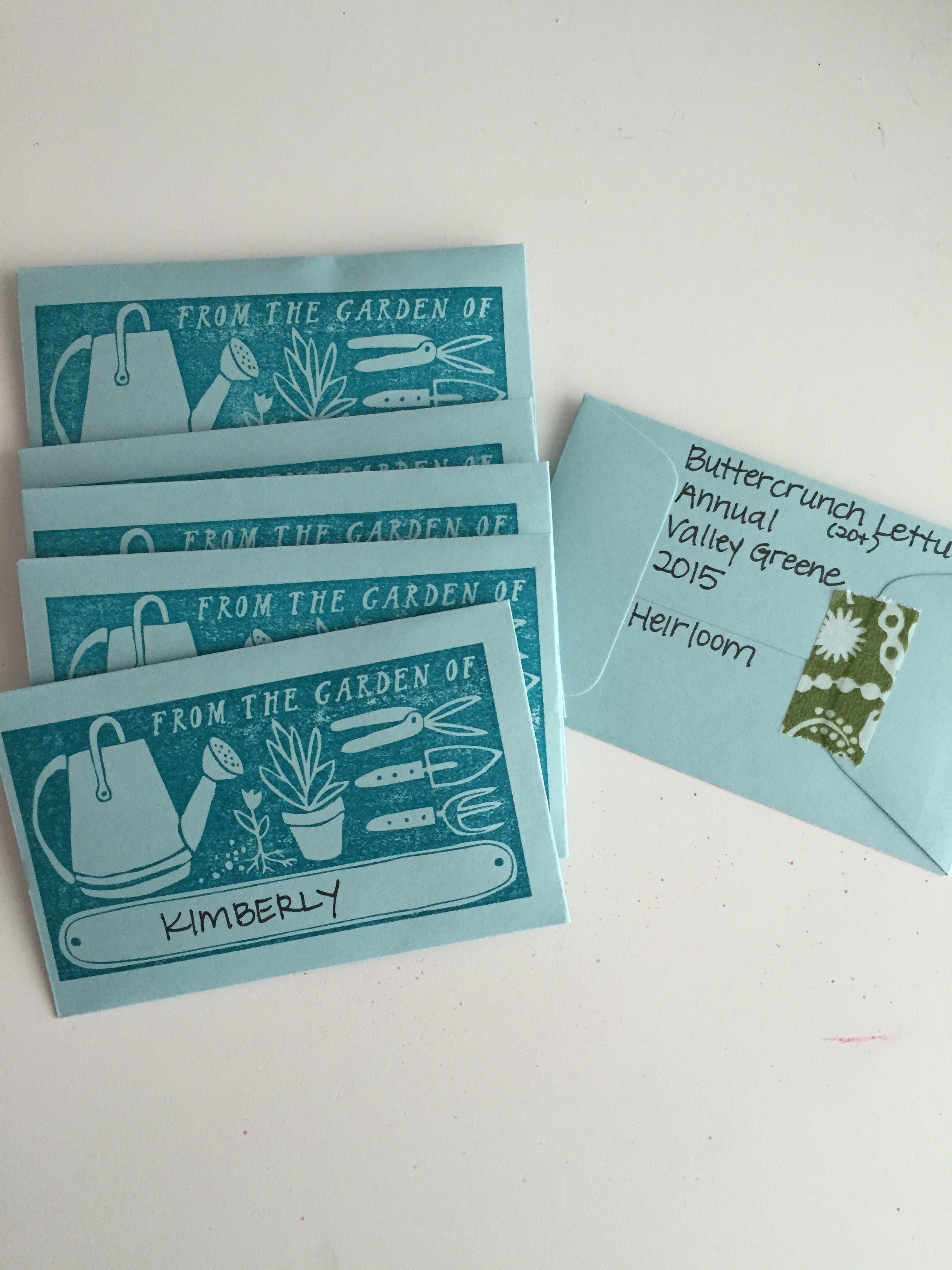
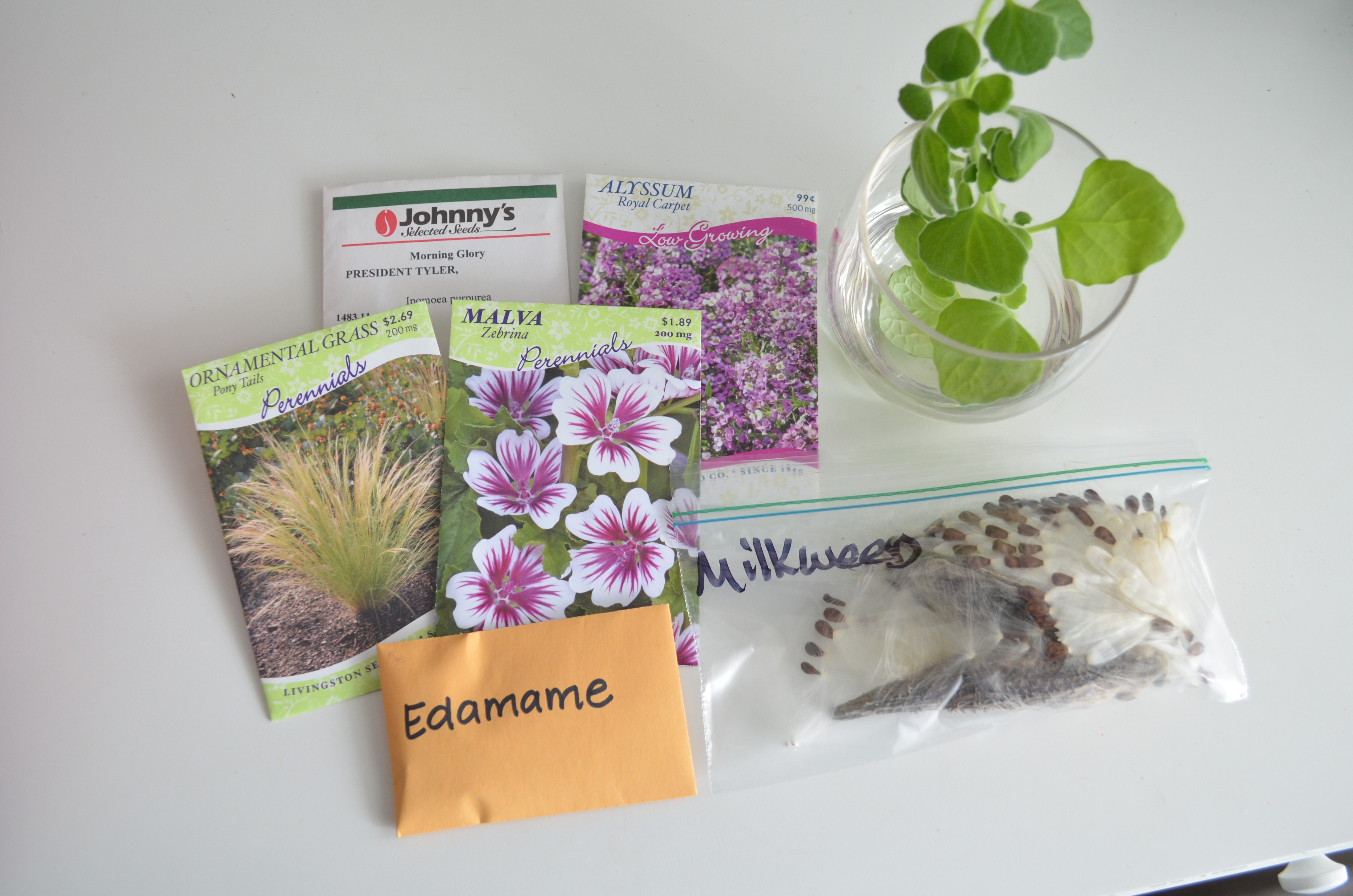
I brought six packets of seeds to swap (pictured at the top)–lettuce, broccoli, loofah, eggplant, beets, and snow peas. I made my packets from baby envelopes that I had on hand, my favorite Yellow Owl Workshop garden stamp kit, and a little bit of washi tape. (They *may* have been crafty overkill, but I didn’t care.) forest park community garden seed swapI came home with edamame, milkweed, malva, alyssum, morning glories, ornamental grass and a clipping from an oregano plant. I worked registration at the swap, so I missed out on seeing the wide variety of vegetable seeds, but I was kind of more into the flower seeds anyway. I wanted some perennials to plant on the balcony and some edamame to try in our plot this year, so I came home a happy camper.

spring in chicago, snow march 23Speaking of gardening, this was the scene when I left for work on Monday morning. Forest Park got about seven inches of snow…I hope it was good for my winter sowing project!! I’m working on planting some more this week. Spring gardens are just around the corner, right?

Tagged , , , , , ,

Hasegawa Happy Hour – Breakfast Edition

cocktail, scrappy's bitters, lavender bitters, Hasegawa happy hourLately Naoto has been surprising me with new types of bitters for my liquor collection. It’s a nice treat because it forces me to look up new cocktail recipes and because the bottles are small–our liquor cabinet and bar carts are overflowing but these tiny bottles tuck into small spaces perfectly! Last week he brought home Scrappy’s Lavender Bitters which led me to the Scrappy’s Bitters website. They feature loads of cocktails highlighting their different bitters. The Dr. Girlfriend caught my eye because it included grapefruit juice, gin, Aperol, and St. Germaine. I made a frittata for dinner and those cocktail ingredients seemed kind of breakfast-y to me. The cocktail was delicious–citrusy and floral and not very strong–definitely a good brunch cocktail. leanring japaneseWe snacked on Beer Nuts while the frittata was baking. Have you ever tried Beer Nuts?  They were a sweet and salty snack before sweet and salty snacks were a thing and we used to eat them when I was growing up. They’re a Central Illinois thing, maybe? Naoto also helped me study some Japanese. (I can’t even explain to you how bad I am…and I definitely can’t explain how bad I am in Japanese!)

Dr. Girlfriend (created by Phil Thompson of Tavern Law & found via Scrappy’s Bitters)

1 1/4 oz gin

1/2 oz Aperol

1/2 oz St. Germaine

3/4 oz grapefruit juice (freshly squeezed!)

1/2 oz lemon juice (freshly squeezed!)

1-3 dashes of lavender bitters (We liked it with a few extra dashes of bitters!)

Shake ingredients in a cocktail shaker filled with ice. Pour into a cocktail glass and enjoy while studying Japanese.

KAMPAI*!


* “Kampai” is the Japanese word for “Cheers”…I’ve got the cocktail words down pat!


Tagged ,

Plot #6: Winter Sowing Experiment

winter sowingI started gardening this week!! Back in December, Peggy (who seriously should be a contributor to my blog since she provides me with so much blog fodder!) sent me this blog post from A Garden for the House about winter sowing. Neither of us had tried it before but we both found the idea intriguing. I always feel like it’s late summer before all of my balcony flowers are really in bloom and by then, it’s sometimes too hot and busy to enjoy them. And last year, I had my best balcony garden but I also spent more than I normally do on flowers because I was addicted to having a lush, full garden. (I didn’t break the bank or anything…it was just more than usual.) Hopefully, if this winter sowing thing works, I can get a jump start on gardening, and I can start more things from inexpensive seeds instead of buying a lot of full-grown potted plants this year.

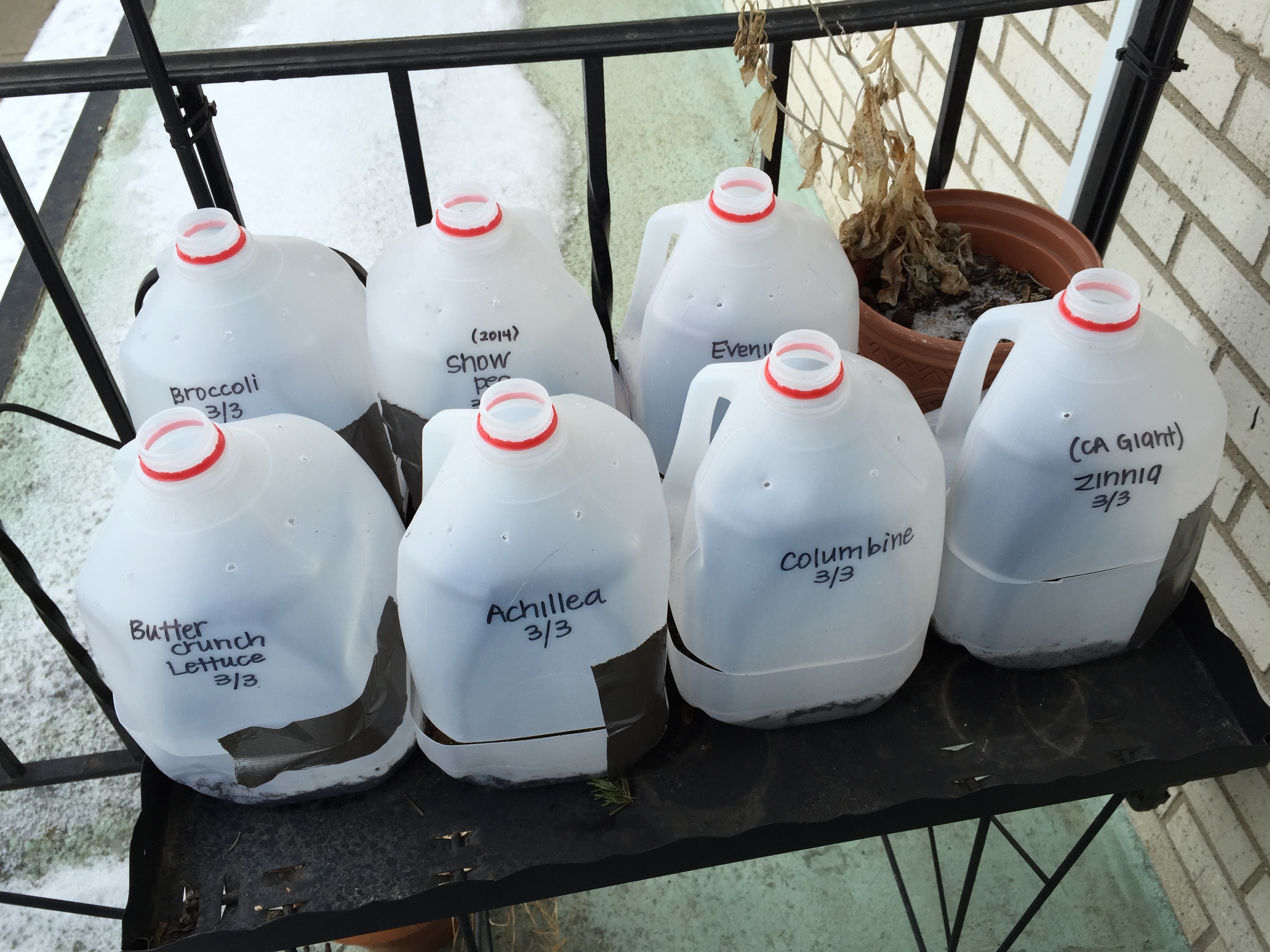
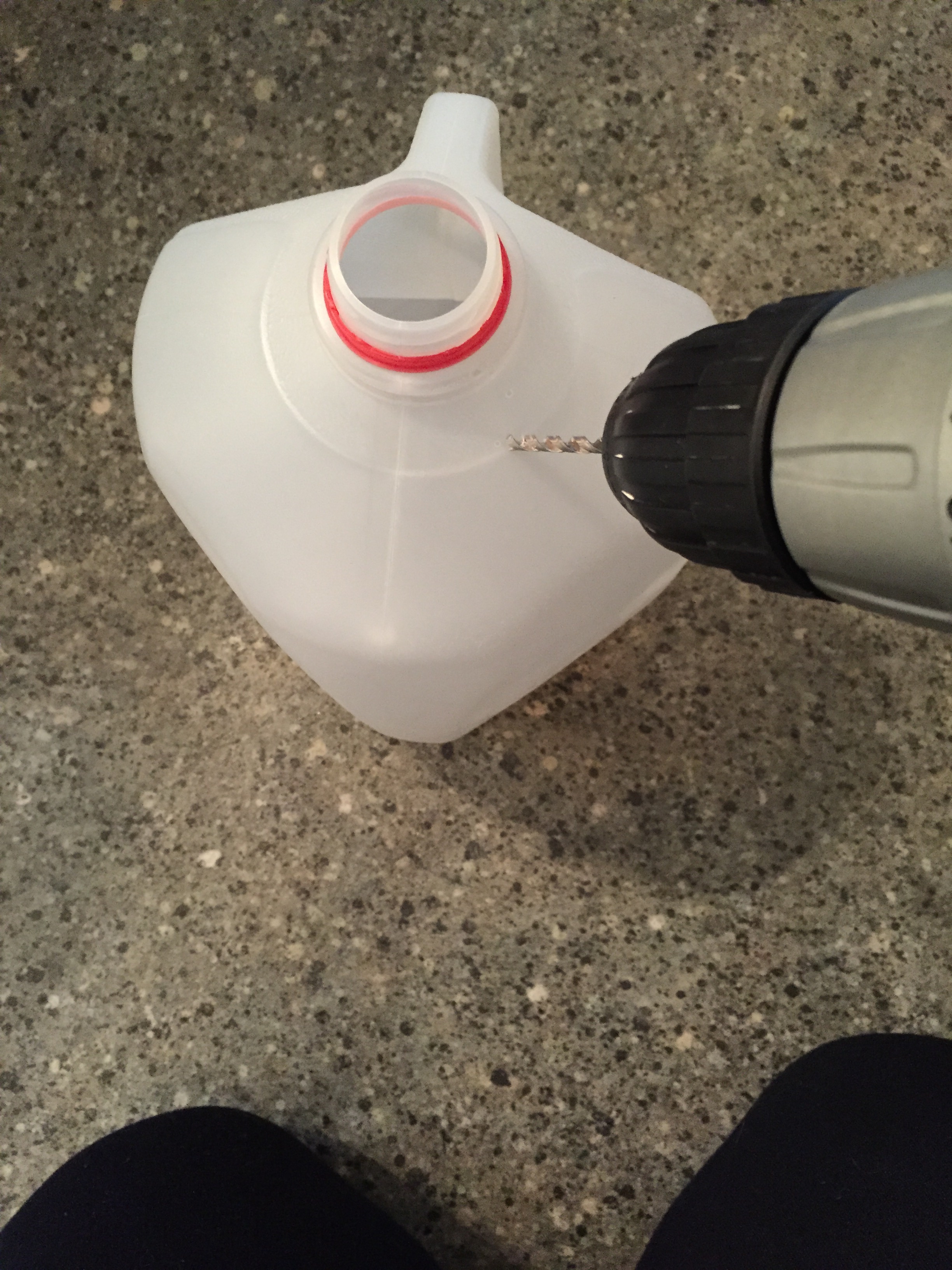
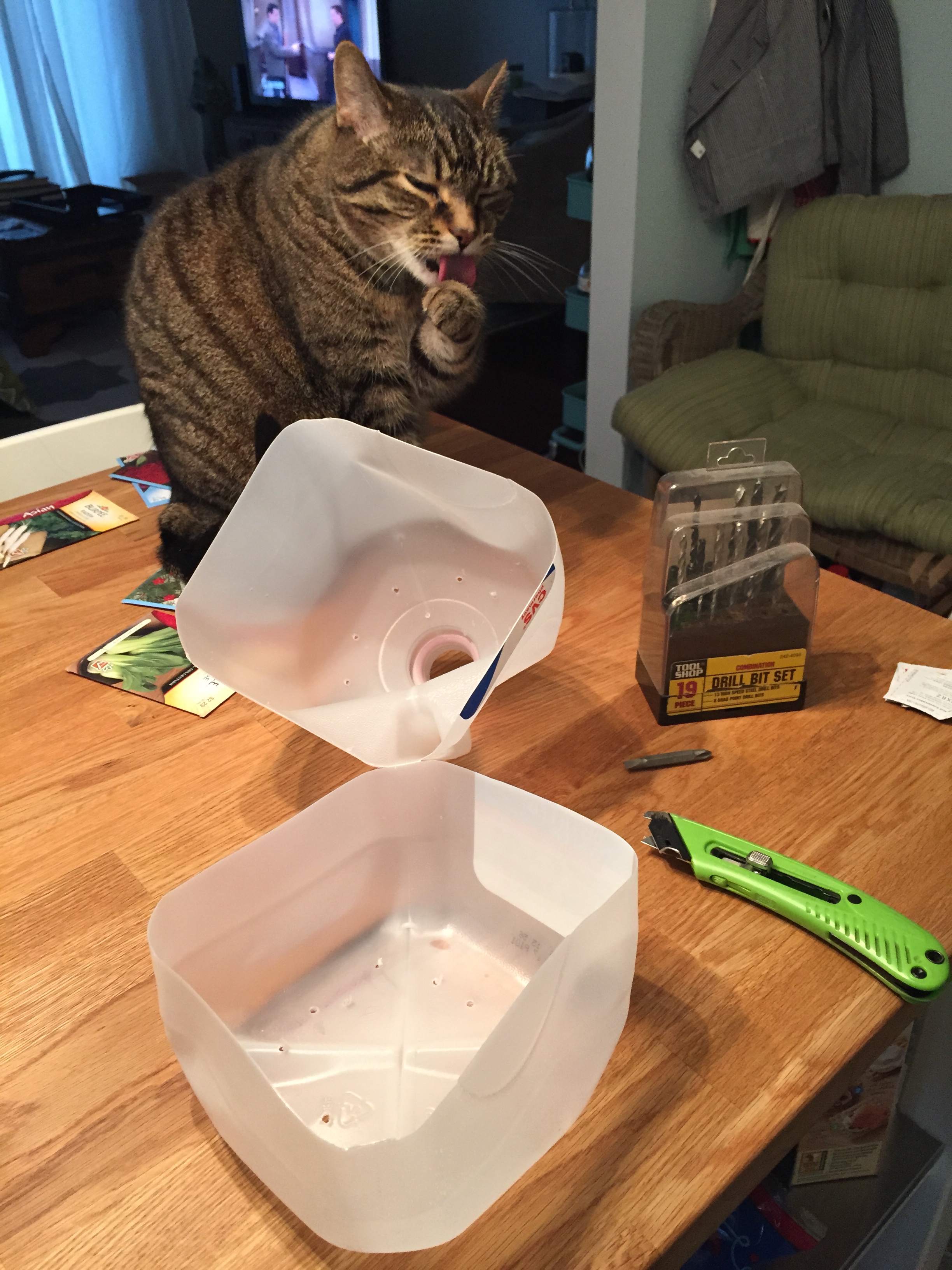
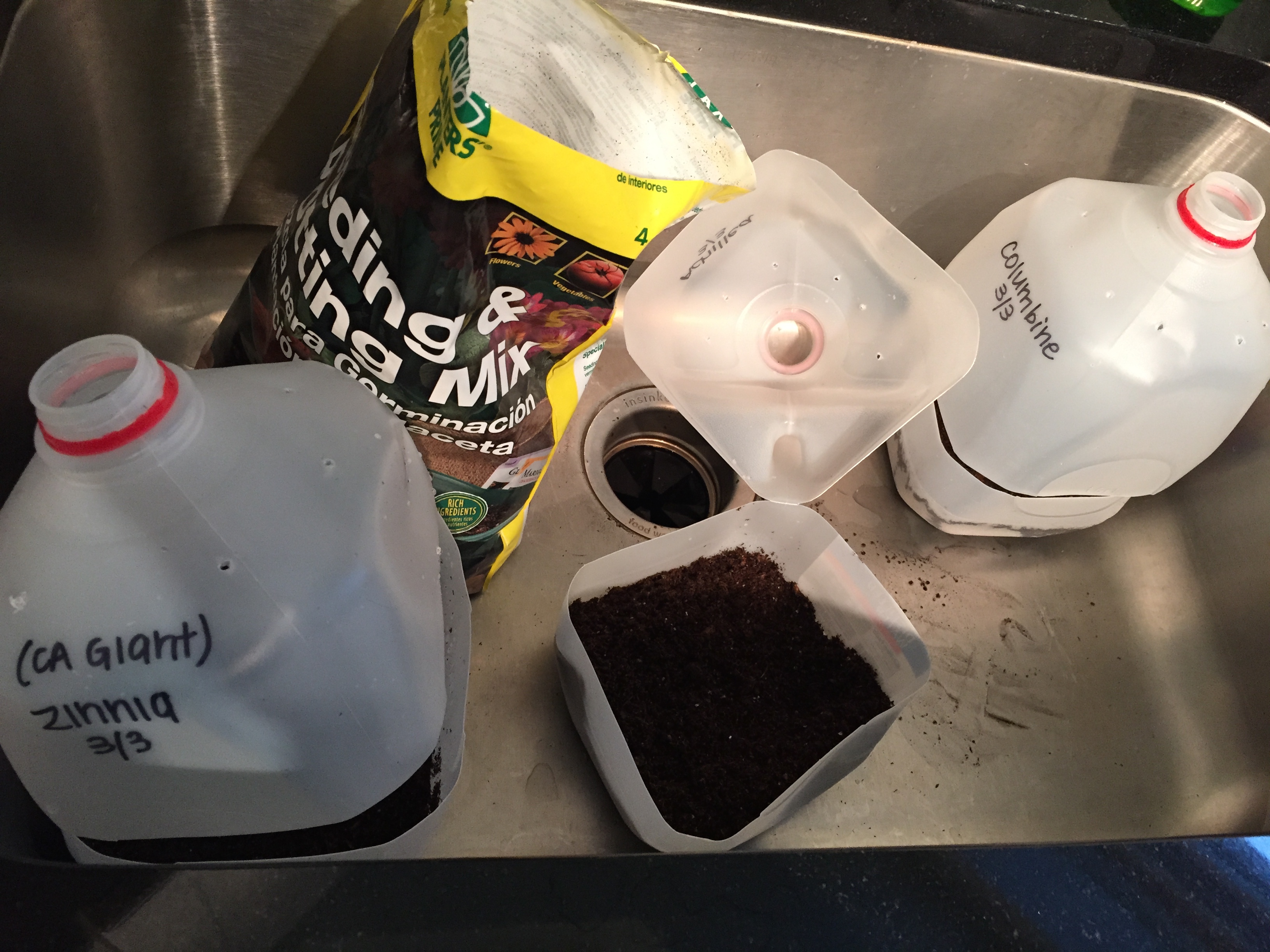
Winter sowing involves planting certain types of seeds in winter and keeping them outdoors in little protective “greenhouses”. Depending on your zone, you can plant perennial and hardy annuals as early as January. I waited until Tuesday (March 3) to start planting, so I planted some tender annuals, too. This blog post tells more about what you can plant when. winter sowing, seedsI worked on my winter sowing in my kitchen on Tuesday afternoon. For my greenhouses, I used distilled water jugs that I’ve been collecting all winter. (Naoto has been very suspicious of this “garbage collection”.) I drilled ventilation holes in the top and drainage holes in the bottom of each one.winter sowingThen I cut around the middle of the jug, leaving a little hinge underneath the handle. (Presley decided to take a bath while this was happening.) winter sowingI worked in my kitchen sink, filling each jug with a few inches of soil. Then I soaked the soil with running water and let the water drain out into the sink. After that I planted my seeds, one type per jug, labeling as I worked.

I only made it through seven jugs before I ran out of soil, but I’m hoping to run out today and buy more so I can finish the job this week. So far, I’ve planted broccoli, snow peas and lettuce in preparation for our community garden plot. And I’ve planted Evening Primrose, Columbine, Zinnias, and Achillea for the balcony. I have at least ten more potential seed packets waiting for winter sowing, depending on how adventurous I feel.

I put all of my seeds outside on the balcony. (I’m hoping my neighbors do not complain about the unsightly water jugs…condo living is challenging sometimes.) The seeds are sharing a table with my perennial sedum for now (which looks dead in the top picture, but I promise it’s just resting). That table gets the most sunlight and it gets snowed and rained on, so I figured the seeds will have the best chance there. For now, I wait…the hardest part of gardening!

Tagged , , , , , , ,

Naoberly’s Noodle Tour: Furious Spoon

Furious Spoon, ramen, chicagoOn Friday, I met up with Donovan for a date at Furious Spoon-a delicious new addition to Chicago’s ever-growing ramen scene. Furious is near Naoto’s office…lucky him. I can see him becoming a regular here. Furious Spoon chicagoEverything at Furious Spoon is pretty simple. The menu offers four ramen options, a few sides, some Japanese beers, sake, whiskey and pop. You order at the counter and take your number and an enormous wooden ramen spoon to a seat and wait for your ramen to arrive. The tables are communal and there is a long counter of seats looking into the food prep area. Donovan and I sat at the counter, giving us a good view of the ramen assembly. The noodles are made in house and the bowls are assembled quickly with care. I thought the presentation was beautiful. I’m only sorry I didn’t get a shot of the huge wooden soup spoon in my picture.

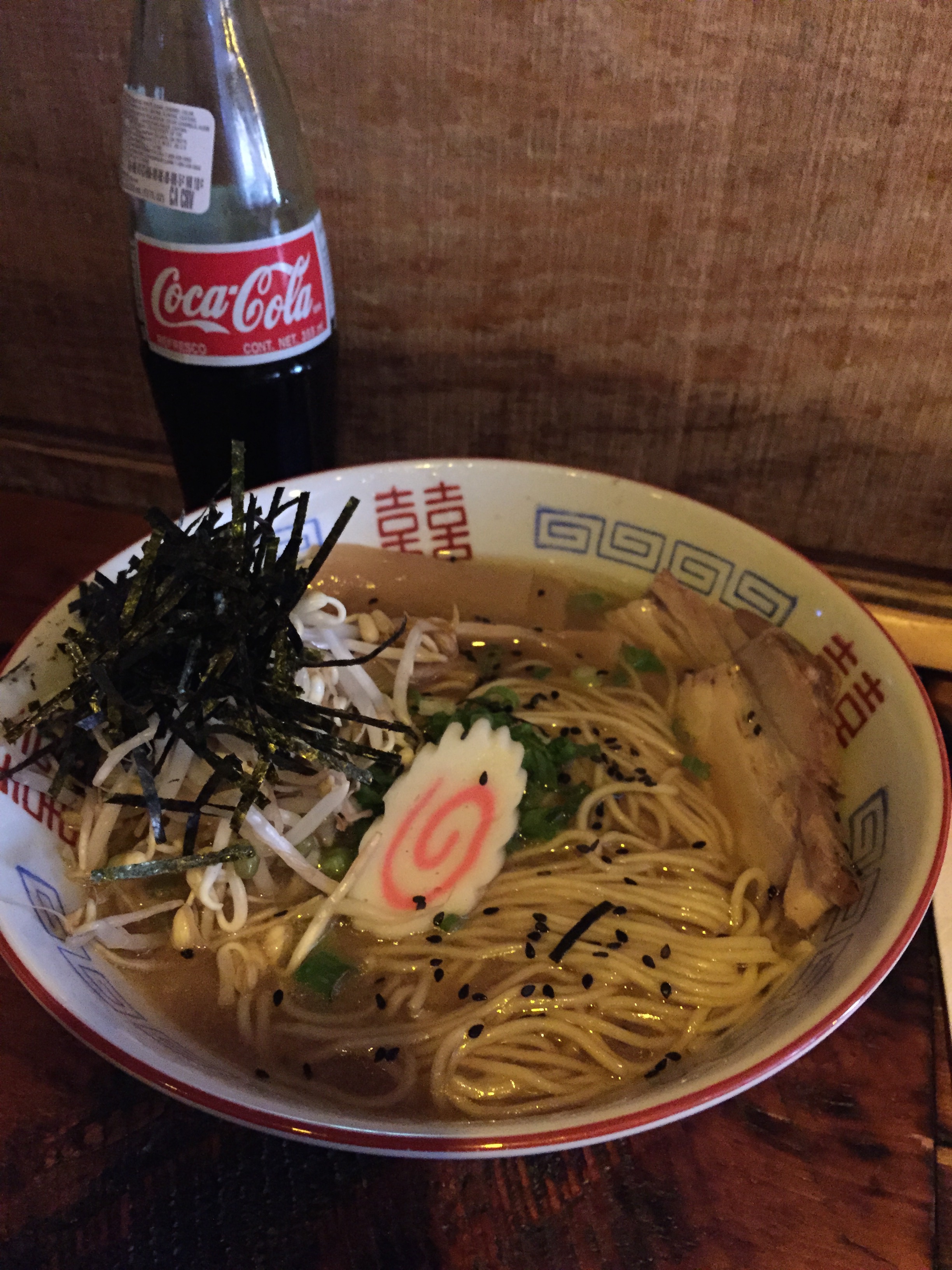
I got the Shoyu Ramen and I thought it was wonderful. The broth was really tasty and not quite as salty as some of the other ramens I’ve eaten recently. The noodles were so good–they had the right amount of bite and a good texture. The cha-sui (pork) was kind of skimpy, a little bit fatty (which some people really like for the flavor) and a little bit boring. (Disclaimer: I am so enamored with the char-grilled cha-shu at Ramen Miso-ya that it’s hard for me to find anything that compares!) The simple additions of bean sprouts, bamboo shoots, fish cake, nori and scallion were perfect complements to the texture and the flavors in the bowl, but you can add twelve other toppings, too. Donovan had the Vegetable Ramen and she shared a pickled shimeji (mushroom) from her bowl. It was so tasty that next time I’m ordering a side of pickles!

I really liked the vibe of the restaurant–they play old school hip-hop, but it’s quiet enough to have a conversation. The staff was friendly and attentive, making sure we liked our bowls. And, an added bonus…the ramen is the least expensive of all the ramen we’ve had so far. I’m hoping Naoto can squeeze me in for a lunch date soon so I can try those pickles and another kind of ramen!

P.S. Our other ramen visits can be found here:

Misoya

Slurping Turtle 

Ramen-San

I think I need a name for this series…Naoberly’s Noodle Tour is in the lead, because I love alliteration.

Tagged ,

Hasegawa Happy Hour – Valentine Edition

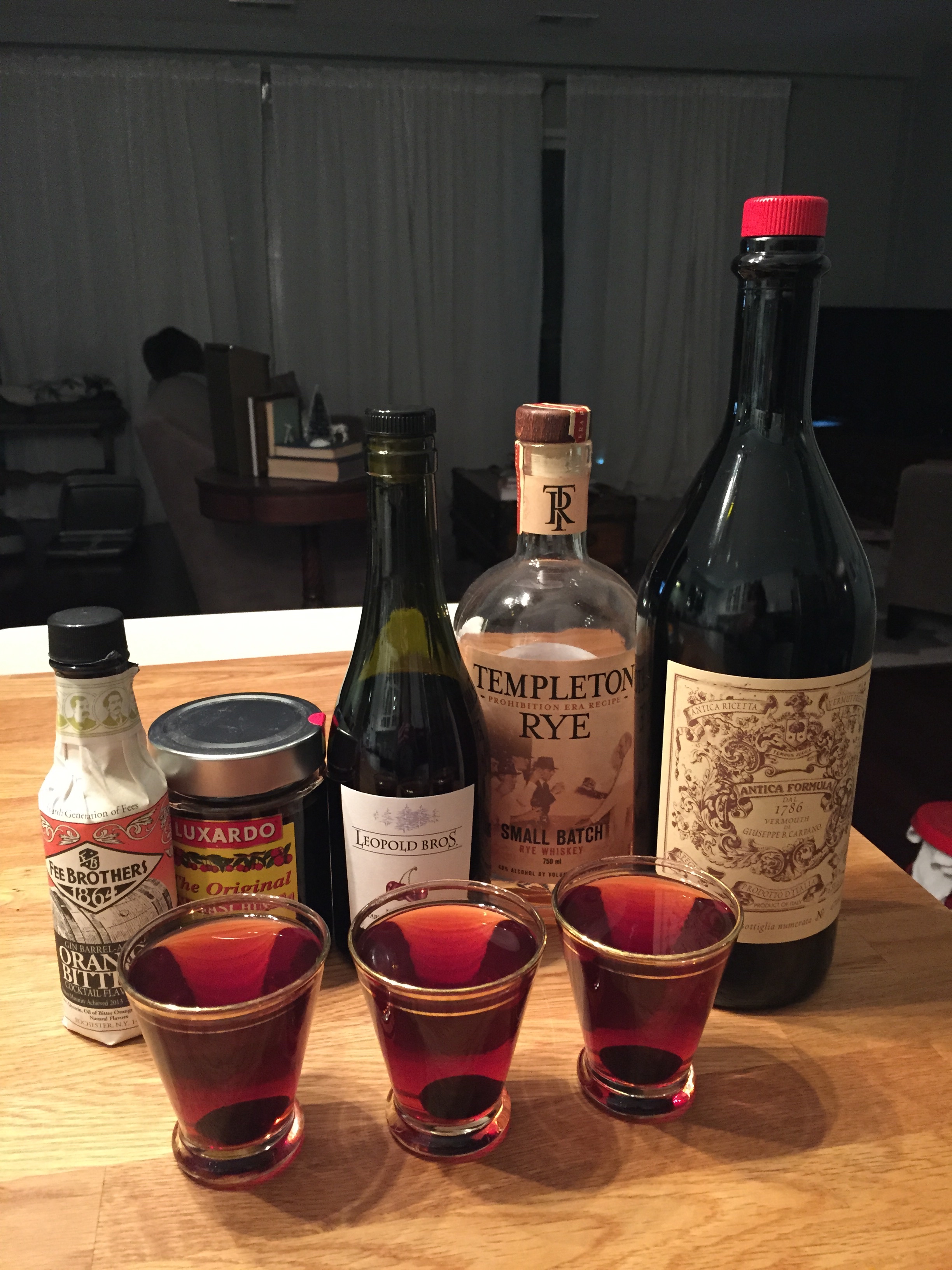
Sweet Manhattans, Hasegawa Happy HourFor Valentine’s Day, Naoto went to Freddy’s and picked up a dozen meatballs and we stayed in and hosted a Hasegawa Happy Hour. I made “Sweetheart Manhattans” and we ate spaghetti and meatballs, salad, cookies, and gelato…it was quite a night.

I’m a big fan of Leopold Brothers Michigan Tart Cherry Liqueur and I’m happy to have a bottle back in my arsenal again. So I made up a cocktail that is not as good as my favorite cocktail at Amelia’s, but comes pretty close. I named it the Sweetheart Manhattan, but it’s really not too sweet…it’s just filled with love.

Sweetheart Manhattans

2 oz rye whiskey

1/2 oz sweet vermouth

1/2 oz cherry liqueur

dash of orange bitters

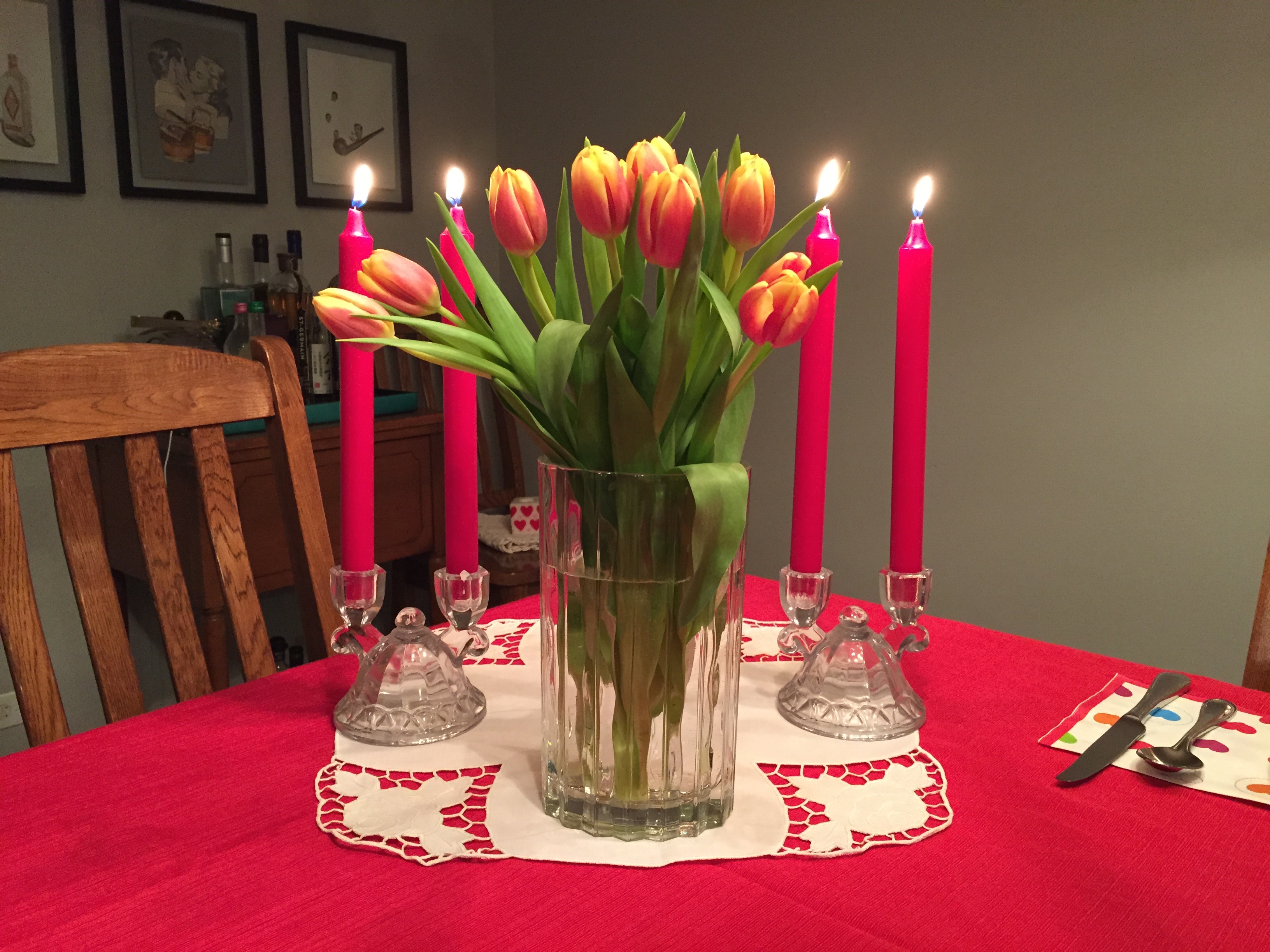
Stir all ingredients with ice. Strain into cocktail glasses and garnish with a Luxardo cherry. Enjoy with friends on Valentine’s Day, or any other day. vintage candle holders, valentine tulipsCocktails are better than flowers anyway…

Tagged , , , ,

Naoberly’s Noodle Tour: Ramen-San

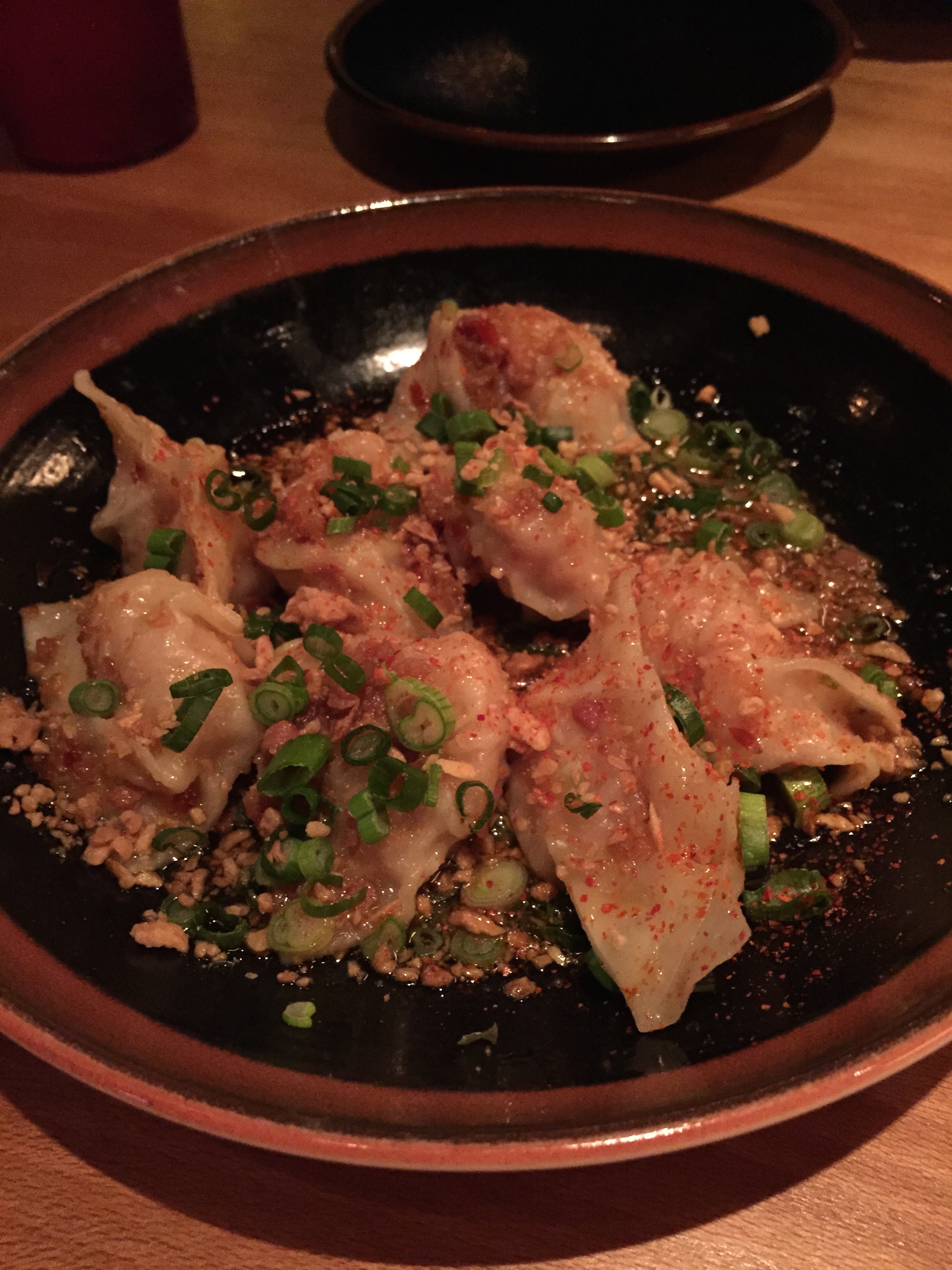
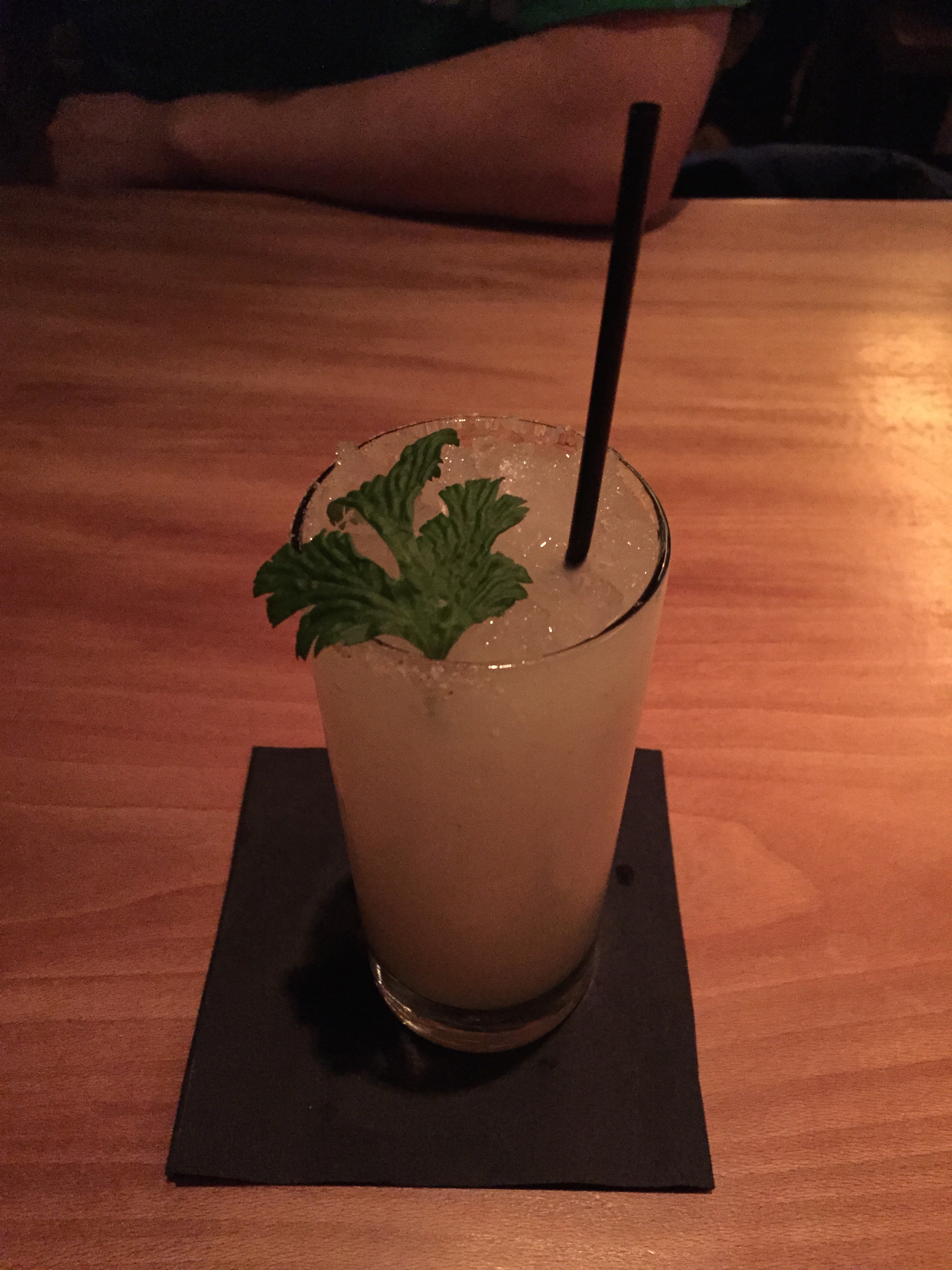
Ramen-SanNaoto and I are back in a ramen groove again…which is perfect timing since we are still in the dead of winter around here. Last weekend, we tried Ramen-san in the River North neighborhood of Chicago. I wish I’d taken more pictures of the entire restaurant. It’s rustic-modern with beautiful exposed brick walls, semi-communal tables and bench seating. It was just the right amount of noisy and while we were there (early dinner on Saturday night), they turned down the lights and showed the Bulls game on the brick walls. Ramen-SanWe started with cocktails. Naoto got an Asahi (He loves finding Japanese beers on tap!) and I got a Singapore Sling. Can you believe I’ve never had a Singapore Sling before? It was so good–gin, pineapple, Cherry Heering, Benedictine and lime, all beautifully topped with a slice of pineapple and decadent Luxardo cherries. Ramen-SanWe ordered the shrimp & pork wontons, which were a little spicy and really tasty. It was a nice warm-up for our big bowls of ramen. Ramen-SanI have to say that the ramen presentation at Ramen-san was pretty lackluster. It kind of looked like my ramen was just thrown in the bowl, which was a bit surprising considering this was the priciest ramen we’ve had and the restaurant itself was very polished. In spite of it all, the ramen was very tasty. I got the tonkotsu ramen, which is pretty traditional with its pork broth, chashu pork slices and soft cooked egg. The broth was really tasty and the noodles were cooked perfectly.ramen sanNaoto had the Kimchi & Fried Chicken Ramen. He really liked this spicy and unusual take on traditional ramen. He said it had just the right amount of heat to warm him up and he loved that the fried chicken was still crispy, even in the broth! Ramen-SanBecause we were taking the L, we got drinks for dessert. Naoto got another beer and I tried the Cilantro-Lime Margarita. It was rich and delicious with its special addition of yuzu (my favorite Japanese citrus) and spicy lime salt.

Ramen-san is the latest in our Ramen Adventures. Here are the links to our previous journeys:

Slurping Turtle

Misoya


Tagged , ,